Rinse aid is a crucial component in ensuring the optimal performance of your dishwasher. It is a liquid additive that helps to improve the drying process and prevent water spots and streaks on your dishes. By reducing surface tension, rinse aid allows water to flow off dishes more easily, resulting in faster drying and a spot-free shine.
Table of Contents
- Key Takeaways
- Safety Precautions Before You Start
- Tools Needed for Rinse Aid Dispenser Repair
- Signs of a Dishwasher Not Dispensing Rinse Aid
- Common Causes of Rinse Aid Dispensing Issues
- Brand-Specific Rinse Aid Dispenser Notes
- Check the Rinse Aid Dispenser for Blockages
- Inspect the Rinse Aid Cap and Dispenser Door for Damage
- Ensure the Rinse Aid Reservoir is Filled Correctly
- Check the Dishwasher’s Water Pressure and Temperature
- Test the Rinse Aid Dispenser Mechanism for Functionality
- How to Test the Dispenser Solenoid with a Multimeter
- Alternative Solutions to Rinse Aid Dispensing Issues
- Maintaining Your Dishwasher for Optimal Performance
- Preventing Future Rinse Aid Dispenser Clogs
- When to Call a Professional for Rinse Aid Dispenser Repair
- How Can I Identify and Fix Issues with My Dishwasher’s Rinse Aid Dispenser?
- FAQs
- What is rinse aid and why is it important in dishwashers?
- What are the signs that my dishwasher is not dispensing rinse aid?
- What are some possible causes of a dishwasher not dispensing rinse aid?
- How can I troubleshoot my dishwasher if it is not dispensing rinse aid?
- Can I use an alternative to rinse aid in my dishwasher?
- How often should I refill my dishwasher rinse aid dispenser?
- Can hard water cause my dishwasher to stop dispensing rinse aid?
- Related Dishwasher Repair Guides
Using rinse aid is especially important if you have hard water, as it helps to combat the mineral deposits that can be left behind on your dishes. Hard water contains high levels of minerals such as calcium and magnesium, which can leave unsightly spots and streaks on your glassware and dishes. San Diego’s water is notoriously hard, which makes rinse aid especially valuable for local homeowners and also accelerates the mineral buildup that can clog dispenser vents over time. Rinse aid helps to prevent these deposits from forming, leaving your dishes looking clean and sparkling.
Key Takeaways
- Rinse aid is an important component in dishwashers for optimal cleaning and drying.
- Signs of a dishwasher not dispensing rinse aid include streaks on dishes and glasses, and water spots.
- Common causes of rinse aid dispensing issues include blockages, damage to the dispenser door or cap, and incorrect filling of the reservoir.
- To fix blockages, check the rinse aid dispenser for any obstructions and clean them out.
- To ensure proper functionality, test the rinse aid dispenser mechanism and consider alternative solutions if issues persist.
Safety Precautions Before You Start
Working on a dishwasher rinse aid dispenser involves both electrical and water systems, so take basic safety precautions before you begin. Always disconnect power at the circuit breaker before removing any panels or touching internal components, because the control board stays energized even when the dishwasher is turned off at the front panel. Shut off the water supply valve under the sink as well to prevent accidental flooding. The rinse aid dispenser sits inside the door, which on many models houses wiring for the control panel and dispenser solenoid. If you smell burning plastic or see scorch marks near the dispenser or control board, stop immediately and do not restore power until the damaged part is replaced. Never work on a dishwasher that is wet or standing in water.
Tools Needed for Rinse Aid Dispenser Repair
Gather these items before you start so you can complete the diagnosis without interrupting yourself to find a tool:
- Digital multimeter: For testing the dispenser solenoid and wiring for continuity. A basic meter that reads ohms is sufficient.
- Phillips and flathead screwdrivers: Needed to remove the inner door panel and access the dispenser assembly.
- Nut driver set: Many dispenser mounting screws use 1/4-inch or 5/16-inch hex heads.
- Soft brush or toothpick: For gently clearing dried rinse aid and mineral buildup from the dispenser vent and cap.
- White vinegar and a microfiber cloth: For dissolving hardened rinse aid residue and hard water scale.
- Towels: Place these under the dishwasher door before opening the inner panel, because residual water often drains out when the panel is removed.
- Your model and serial number: Write this down before ordering any replacement dispenser cap, door, or solenoid, because these parts vary by model even within the same brand.
Signs of a Dishwasher Not Dispensing Rinse Aid
If your dishwasher is not dispensing rinse aid properly, there are several signs that you may notice. One common sign is streaks or spots on your dishes after they have been washed. This is often caused by the water not being able to flow off the dishes properly, resulting in residue being left behind.
Another sign of rinse aid dispensing issues is water spots on your glassware. These spots can be particularly noticeable on clear glassware, as they can make the glass look cloudy or dull. Water spots are caused by the minerals in hard water being left behind on the surface of the glass when it dries.
Poor drying performance is another indicator that your dishwasher may not be dispensing rinse aid correctly. If your dishes are still wet at the end of the cycle, it could be a sign that the rinse aid is not being distributed evenly or that there is a problem with the dispenser mechanism. If you also notice your dishes are not coming out clean, the problem may be related, and our guide to a dishwasher not cleaning properly covers overlapping causes worth checking.
Common Causes of Rinse Aid Dispensing Issues
There are several common causes of rinse aid dispensing issues in dishwashers. One possible cause is a clogged dispenser. Over time, residue from the rinse aid can build up and block the dispenser, preventing it from releasing the liquid properly. This can result in poor drying performance and streaks on your dishes.
Another common cause of rinse aid dispensing issues is a damaged dispenser cap. The cap is responsible for controlling the flow of rinse aid into the dishwasher, and if it is damaged or worn out, it may not be able to dispense the liquid properly. This can lead to uneven distribution of the rinse aid and poor drying performance.
Incorrect filling of the rinse aid reservoir can also cause dispensing issues. If the reservoir is overfilled, it can overflow and prevent the rinse aid from being dispensed properly. On the other hand, if the reservoir is not filled enough, there may not be enough rinse aid to effectively coat the dishes and prevent water spots.
Brand-Specific Rinse Aid Dispenser Notes
Rinse aid dispensers differ enough between brands that knowing your manufacturer helps you diagnose faster. Whirlpool and KitchenAid dispensers are integrated into the inner door panel and use a spring-loaded flap that can stick shut when dried rinse aid accumulates around the hinge. A common Whirlpool symptom is the dispenser lid popping open during the cycle but the rinse aid not flowing out, which points to a clogged vent rather than a failed solenoid.
GE dishwashers use a separate dispenser module that includes both the detergent and rinse aid compartments in one assembly. On GE models, the rinse aid side can develop hairline cracks in the reservoir that leak rinse aid into the door insulation, so check for a sticky residue inside the door panel if the reservoir seems to empty too quickly. Bosch dispensers are known for their tight tolerances and small vent openings that clog easily in hard water areas like San Diego. A Bosch dispenser that clicks but does not release rinse aid often needs nothing more than a thorough vinegar soak to clear the vent. For more on Bosch-specific drying problems tied to rinse aid, see our Bosch dishwasher drying troubleshooting guide.
Samsung and LG dishwashers use electronic dispenser actuators that can fail at the solenoid level. On these models, if the dispenser door opens mechanically but no rinse aid flows, test the solenoid coil with a multimeter for continuity before replacing the entire assembly. A solenoid that reads infinity (open) on your multimeter has burned out and needs replacing. Replacement dispenser assemblies range from $30 to $80 for most brands, with Bosch and KitchenAid at the higher end due to more complex integrated designs.
Check the Rinse Aid Dispenser for Blockages
If you suspect that your dishwasher is not dispensing rinse aid properly, one of the first things you should do is check the dispenser for blockages. To do this, start by removing the lower rack from your dishwasher to access the dispenser.
Once you have access to the dispenser, inspect it for any visible signs of blockages. Look for any residue or buildup that may be preventing the rinse aid from flowing freely. If you see any blockages, use a small brush or toothpick to gently remove them.
After clearing any visible blockages, run a cycle with an empty dishwasher and check if the rinse aid is being dispensed properly. If you still notice issues with dispensing, there may be a more serious problem with the dispenser mechanism that will require further troubleshooting.
Inspect the Rinse Aid Cap and Dispenser Door for Damage
Another possible cause of rinse aid dispensing issues is a damaged dispenser cap or door. The cap is responsible for controlling the flow of rinse aid into the dishwasher, while the door opens to release the rinse aid during the wash cycle. If either of these components is damaged or worn out, it can affect the proper dispensing of rinse aid.
To inspect the cap and dispenser door, start by removing the lower rack from your dishwasher to access the dispenser. Once you have access to the dispenser, carefully inspect the cap and door for any visible signs of damage. Look for cracks, chips, or any other signs of wear and tear.
If you notice any damage to the cap or door, they will need to be replaced. Contact the manufacturer of your dishwasher to order replacement parts. Once you have received the new parts, follow the manufacturer’s instructions to install them properly.
Ensure the Rinse Aid Reservoir is Filled Correctly
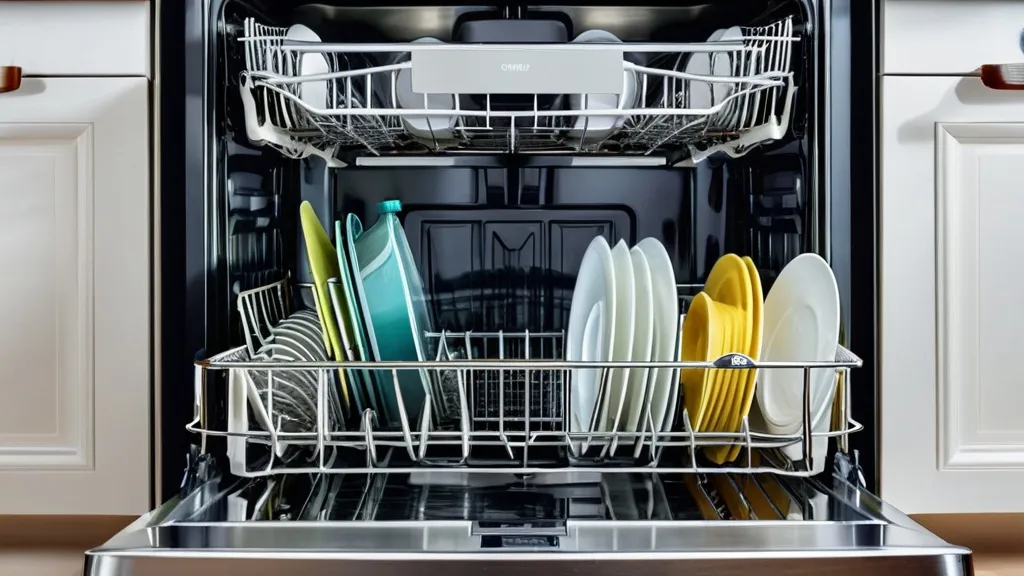
Proper filling of the rinse aid reservoir is crucial for optimal performance. If the reservoir is overfilled or underfilled, it can affect the dispensing of rinse aid and result in poor drying performance.
To ensure that the rinse aid reservoir is filled correctly, start by locating it in your dishwasher. The location of the reservoir may vary depending on the make and model of your dishwasher, so consult your dishwasher’s manual if you are unsure.
Once you have located the reservoir, open it by twisting or lifting the cap. Fill the reservoir with rinse aid until it reaches the fill line indicated on the inside of the reservoir. Be careful not to overfill, as this can cause overflow and prevent proper dispensing.
After filling the reservoir, close the cap securely and run a cycle with your dishwasher to check if the rinse aid is being dispensed properly. If you still notice issues with dispensing, there may be other factors affecting its performance that need to be addressed.
Check the Dishwasher’s Water Pressure and Temperature
Water pressure and temperature can also affect how well rinse aid is dispensed in your dishwasher. If the water pressure is too low, it may not be able to properly distribute the rinse aid throughout the dishwasher. Similarly, if the water temperature is too low, it can affect the effectiveness of the rinse aid.
To check the water pressure, start by turning off your dishwasher and disconnecting it from the power source. Locate the water supply valve and turn it off. Remove the water supply hose from the valve and place a bucket or container underneath to catch any water that may come out.
Once you have disconnected the water supply hose, turn on the water supply valve and check the water pressure. If the pressure is low, there may be a problem with your plumbing system that needs to be addressed. Contact a professional plumber to inspect and fix any issues.
To check the water temperature, run a cycle with your dishwasher and measure the temperature of the water using a thermometer. The water temperature should be between 120-150 degrees Fahrenheit (49-66 degrees Celsius) for optimal performance. If the temperature is too low, adjust your water heater accordingly.
Test the Rinse Aid Dispenser Mechanism for Functionality
If you have checked for blockages, inspected for damage, and ensured proper filling of the rinse aid reservoir, but are still experiencing issues with rinse aid dispensing, it may be necessary to test the dispenser mechanism itself.
To test the dispenser mechanism, start by removing the lower rack from your dishwasher to access the dispenser. Once you have access to the dispenser, fill it with rinse aid and close it securely.
Run a cycle with your dishwasher and observe if the rinse aid is being dispensed properly. If you notice that it is not being dispensed or is being dispensed unevenly, there may be a problem with the dispenser mechanism that will require further troubleshooting.
Consult your dishwasher’s manual or contact the manufacturer for specific instructions on how to troubleshoot and repair the dispenser mechanism. They may be able to provide you with guidance or recommend a professional technician to assist you.
How to Test the Dispenser Solenoid with a Multimeter
If the dispenser door opens mechanically but no rinse aid flows out, the solenoid that controls the release valve may have burned out. Testing it requires a digital multimeter and about 20 minutes. First, disconnect power at the circuit breaker and shut off the water supply. Remove the inner door panel by taking out the screws along the edge with your Phillips screwdriver or nut driver, then disconnect the two wires attached to the dispenser solenoid. Set your multimeter to the ohms (resistance) setting and touch one probe to each solenoid terminal. A healthy solenoid typically reads between 1,000 and 3,000 ohms. If your meter reads zero (a short) or infinity (an open circuit, shown as OL on most digital meters), the solenoid has failed and the dispenser assembly needs replacing. Before ordering a replacement, write down your model number and check that the new assembly matches, because solenoid resistance values vary by brand. If the solenoid tests fine but the dispenser still does not release rinse aid, the problem likely lies in the control board that sends the signal to the solenoid, which requires professional diagnosis. If your dishwasher also has drainage problems that compound the cleaning issue, our guide to a dishwasher not draining walks through related causes.
Alternative Solutions to Rinse Aid Dispensing Issues
If you are still experiencing issues with rinse aid dispensing in your dishwasher, there are alternative solutions that you can try. One option is to use vinegar as a natural rinse aid. Vinegar helps to break down mineral deposits and can be used in place of commercial rinse aid.
To use vinegar as a rinse aid, simply fill the rinse aid reservoir with vinegar instead of commercial rinse aid. Run a cycle with your dishwasher as usual, and the vinegar will help to prevent water spots and streaks on your dishes.
Another natural alternative to rinse aid is lemon juice. Lemon juice has similar properties to vinegar and can be used in the same way. Simply fill the rinse aid reservoir with lemon juice and run a cycle with your dishwasher.
It is important to note that while these natural alternatives can be effective, they may not provide the same level of performance as commercial rinse aid. If you are not satisfied with the results, it may be necessary to address the underlying issues causing the dispensing problems.
Maintaining Your Dishwasher for Optimal Performance
Maintaining your dishwasher is essential for ensuring optimal performance and longevity. Properly dispensing rinse aid is just one aspect of maintaining your dishwasher, but it plays a crucial role in achieving clean, spot-free dishes.
By regularly checking for blockages, inspecting for damage, filling the rinse aid reservoir correctly, and monitoring water pressure and temperature, you can help to prevent issues with rinse aid dispensing in your dishwasher.
If you are still experiencing problems with rinse aid dispensing despite following these tips, it may be necessary to consult a professional technician or contact the manufacturer for further assistance. They will be able to provide you with specific guidance based on the make and model of your dishwasher.
In conclusion, taking care of your dishwasher and ensuring proper rinse aid dispensing will not only result in cleaner, spot-free dishes but also extend the lifespan of your appliance. By following the tips provided in this article, you can maintain your dishwasher for optimal performance and enjoy the convenience of sparkling clean dishes every time.
Preventing Future Rinse Aid Dispenser Clogs
Once you have cleared a clogged rinse aid dispenser, a few habits will keep it working smoothly. San Diego water hardness averages over 200 parts per million, which means mineral scale builds up inside dispenser vents faster than it does in many other parts of the country. To counteract this, wipe the dispenser cap and vent opening with a damp microfiber cloth every two to four weeks to remove dried rinse aid before it hardens. Every three months, pour a tablespoon of white vinegar directly into the dispenser reservoir, let it sit for 10 minutes, then run a short rinse cycle to flush the vent. Avoid overfilling the reservoir, because excess rinse aid that spills over the fill line hardens into a gummy residue that blocks the release mechanism. Use only fresh rinse aid, because older bottles that have been open for more than a year can thicken and gel inside the dispenser. If you use powder or pod detergent, make sure none of it falls into the rinse aid compartment during loading, because detergent residue mixes with rinse aid and creates a stubborn crust. For Bosch owners dealing with recurring clogs, our Bosch dishwasher not draining guide covers additional hard water maintenance steps that apply to the dispenser system as well.
When to Call a Professional for Rinse Aid Dispenser Repair
Many rinse aid dispensing problems can be solved with cleaning and a fresh bottle of rinse aid, but some situations call for professional help. If you have cleaned the dispenser, replaced a damaged cap, verified the reservoir is filled correctly, and your dishes still come out spotted and wet, the problem may involve the dispenser solenoid, the electronic control board that triggers it, or a hidden leak in the reservoir itself. These repairs require disassembling the inner door and testing electrical components, which carries a risk of damaging the control panel wiring if done incorrectly. If your dishwasher is under warranty, attempting your own dispenser repair will likely void that coverage.
In San Diego, professional dishwasher repair for a rinse aid dispenser problem typically costs between $150 and $300 depending on the brand and whether the dispenser assembly or control board needs replacement. At 911 Appliance Repair, we have been serving San Diego families since 1991 with same-day service, upfront pricing, and a one-year warranty on all parts and labor. Our $49.95 service call fee is waived when you proceed with the repair. With over 557 reviews and an A+ BBB rating, we have earned the trust of homeowners across San Diego County. If your dishwasher is not dispensing rinse aid and you want expert help, schedule your dishwasher repair in San Diego today by calling 800-929-1192, or learn more about our same-day appliance repair services.
If you’re struggling with a dishwasher that’s not dispensing rinse aid, you’re not alone. It can be frustrating when your dishes come out looking dull and spotty despite using the proper detergent. Luckily, there are solutions to this common problem. In a recent article on 911 Appliance’s blog, they delve into the issue of dishwasher rinse aid dispensing and provide helpful tips for identifying the problem and finding a solution. Whether it’s a clogged dispenser or an issue with the rinse aid itself, this article offers valuable insights to get your dishwasher back in top shape. Check out the article here for more information.
How Can I Identify and Fix Issues with My Dishwasher’s Rinse Aid Dispenser?
To ensure a smooth fixing rinse aid routine, start by inspecting the rinse aid dispenser for any clogs or blockages. Run a rinse cycle without any dishes and check if the dispenser releases the rinse aid properly. If not, clean the dispenser and refill it with rinse aid to keep it functioning effectively.
FAQs
What is rinse aid and why is it important in dishwashers?
Rinse aid is a liquid that is added to the dishwasher during the rinse cycle to help prevent water spots and improve drying performance. It also helps to prevent the buildup of mineral deposits on dishes and in the dishwasher.
What are the signs that my dishwasher is not dispensing rinse aid?
Some signs that your dishwasher is not dispensing rinse aid include water spots on dishes, poor drying performance, and a buildup of mineral deposits on dishes and in the dishwasher.
What are some possible causes of a dishwasher not dispensing rinse aid?
Possible causes of a dishwasher not dispensing rinse aid include a clogged rinse aid dispenser, a malfunctioning dispenser cap, a faulty dispenser pump, or a problem with the dishwasher’s electronic control board.
How can I troubleshoot my dishwasher if it is not dispensing rinse aid?
To troubleshoot a dishwasher that is not dispensing rinse aid, you can try cleaning the rinse aid dispenser, checking the dispenser cap for damage, testing the dispenser pump for proper operation, and checking the electronic control board for any error codes or malfunctions.
Can I use an alternative to rinse aid in my dishwasher?
While rinse aid is recommended for optimal dishwasher performance, there are some alternative options that can be used, such as white vinegar or lemon juice. However, these alternatives may not be as effective as rinse aid and may not provide the same level of protection against water spots and mineral buildup.
How often should I refill my dishwasher rinse aid dispenser?
Most dishwashers need a rinse aid refill every 30 to 60 days depending on how often you run cycles and the rinse aid dosage setting. If you run your dishwasher daily, check the reservoir every three weeks. Many dispensers have a small indicator window that darkens when the level is low, so you do not need to open the cap to check.
Can hard water cause my dishwasher to stop dispensing rinse aid?
Yes. Hard water minerals like calcium and magnesium combine with rinse aid residue to form a crusty buildup inside the dispenser vent and cap. San Diego water is particularly hard, which accelerates this clogging. Regular cleaning with white vinegar every three months and wiping the dispenser opening periodically will prevent mineral deposits from blocking the flow.