Quick Answer
The most reliable stove brand depends on the type you buy. For gas ranges, GE stands out for straightforward design, dependable burners, and broad service availability, while LG offers strong performance with more modern oven features. For induction, Bosch is a leading choice for durable construction and precise heat control; LG and Samsung are also worth considering for powerful elements and feature-rich designs. For electric smoothtop ranges, GE and LG are dependable choices for everyday boiling, broiling, and baking performance. Compare the specific model, local service access, and replacement-parts availability before buying.
Table of Contents
- Quick Answer
- How We Evaluate Stove Reliability: A Repair Technician’s Perspective
- Gas Ranges: The Traditional Powerhouse
- Burner Configurations and BTU Output
- Electric Smoothtop Ranges: Sleek and Consistent
- Induction Cooktops: The Future of Efficiency
- Top Brands for Gas Range Reliability in 2026
- General Electric (GE): The Consistent Performer
- LG: A Strong Contender with Modern Features
- Leading Brands for Induction Cooktop Excellence
- Bosch: Precision Engineering and Durability
- LG: Power, Reliability, and Modern Aesthetics
- Samsung: Innovative Design with Smart Technology
- Brands Recognized for Electric Smoothtop Excellence
- GE and LG: Lab-Tested Performance
- Whirlpool: Durability Meets User-Centric Innovation
- Frigidaire: User-Friendly and Quick Heating
- Exploring Premium and Specialized Brands
- ZLINE: Luxury Performance and Lifetime Warranties
- What Appliance Data Reveals About Reliability in 2026
- GE and LG: Lowest Service Rates
- Induction Leaders: Bosch, LG, and Miele
- Stove Brand Reliability Comparison Chart
- Most Common Stove Repairs by Brand in 2026
- GE: Igniter Failures and Control Boards
- Whirlpool: Burner Valves and Infinite Switches
- Samsung: Control Boards and Touchpads
- LG: Igniters and Gas Valves
- Bosch: Heating Elements and Control Modules
- Maytag: Burners and Valves
- Frigidaire: Oven Temperature Sensor Drift
- Stove Brand Warranties Compared
- Standard Warranty Coverage by Brand
- Extended Warranty Options
- What Is Typically Excluded
- Which Brands Offer the Best Warranty Value
- Gas vs Electric vs Induction Stove Reliability in 2026
- Gas Stoves: Mechanical Simplicity, Fewer Electronics
- Electric Smoothtop: Affordable Parts, Moderate Failure Rate
- Induction: High Performance, Higher Repair Costs
- Stove Repair vs Replacement: 2026 Decision Guide
- The 50 Percent Rule
- Factor in Age and Brand
- When Replacement Is the Clear Call
- Signs Your Stove Needs Professional Repair
- Gas Smell
- Burner Won’t Light or Stays On
- Uneven Heating
- Oven Not Reaching Temperature
- Error Codes on Display
- Clicking Sound That Won’t Stop
- Glass Top Cracked
- Control Panel Unresponsive
- FAQs
- 1. What are the top factors to consider when determining the reliability of a stove brand?
- 2. What are some of the most reliable stove brands in 2026 according to industry experts?
- 3. How can I ensure that I am purchasing a reliable stove brand?
- 4. What are some common indicators of a reliable stove brand?
- 5. Are there any emerging stove brands that are gaining recognition for their reliability in 2026?
- Conclusion
Navigating the world of kitchen appliances can feel like an intricate dance. You’re investing in a central hub of your home, a tool that will see countless meals prepared, from hurried weeknight dinners to elaborate weekend feasts. When it comes to stoves, reliability is paramount. You want a machine that performs consistently, year after year, without demanding undue attention or unexpected repairs. This guide aims to equip you with the information you need to make an informed decision, focusing on the brands that have demonstrated exceptional durability and performance according to the latest data.
Before diving into specific brands, it’s crucial to understand the different types of stoves available and how they align with your cooking habits and kitchen setup. Your choice here will significantly influence which brands are most relevant to your search for reliability.
How We Evaluate Stove Reliability: A Repair Technician’s Perspective
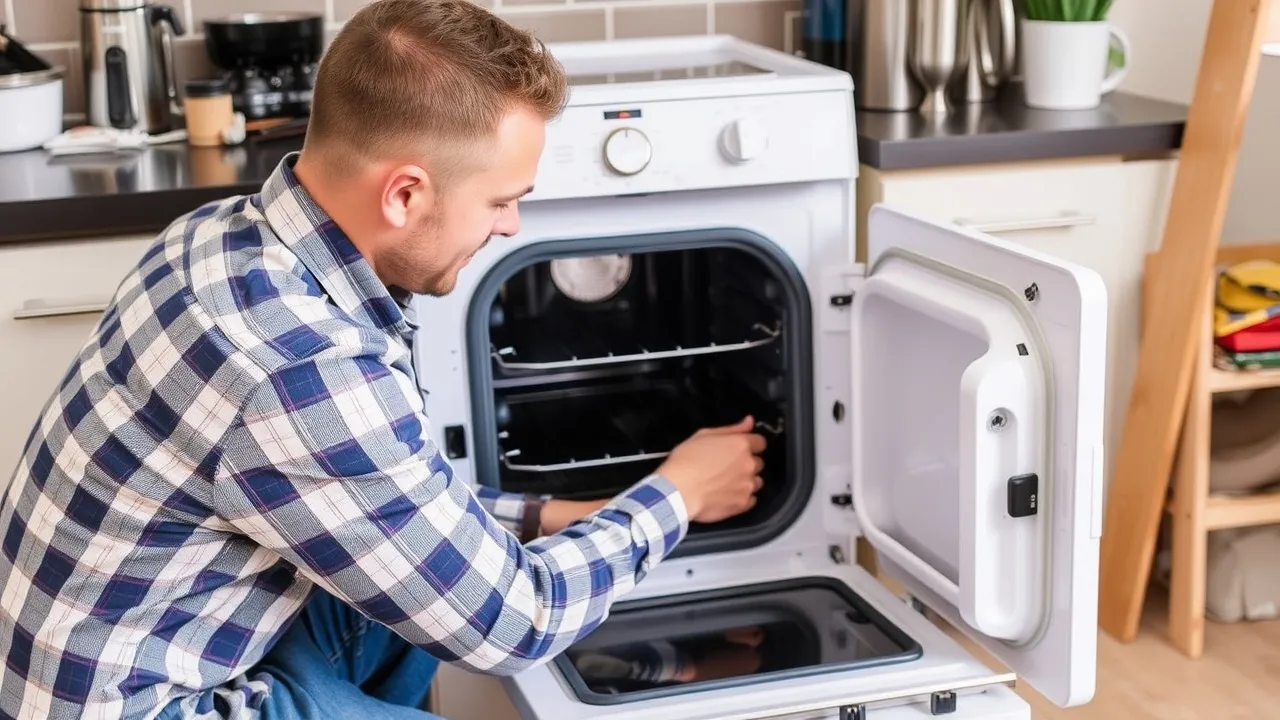
As repair technicians who service these brands every day across San Diego, we evaluate stove reliability from a fundamentally different angle than Consumer Reports or review sites. Those sources rely on lab testing and owner surveys. We rely on service calls. When a brand lands on our truck schedule week after week for the same failure, that pattern tells us more about long-term reliability than any controlled test ever could.
Our evaluation comes down to five factors. First, frequency of service calls per brand. We track which brands we get called out for most often, and just as importantly, which ones we rarely see. Second, the most common failure points. Igniters, control boards, burner valves, and heating elements each fail at different rates depending on the brand and fuel type. Third, cost and availability of replacement parts. A stove is only as reliable as its parts supply chain, and a brand whose components take two weeks to source costs you more in downtime and inconvenience. Fourth, ease of diagnosis.
Some brands make troubleshooting straightforward with clear error codes and accessible components, while others require hours of probing behind the control panel. Fifth, the average lifespan we observe in the field. We see stoves at every stage of their life cycle, and we know which brands are still running strong at twelve years and which ones are limping by year eight.
This is a perspective that survey-based reviews simply cannot offer. Consumer Reports can tell you how a stove performs in a lab during its first ninety days. We can tell you what actually breaks in a real kitchen after five years of daily use. We apply the same field-based approach when we evaluate the most reliable dishwasher brands, the most reliable washer brands, the most reliable dryer brands, and the most reliable refrigerator brands. For a broader look across all major appliance categories, see our guide on which brand of appliances last the longest.
Gas Ranges: The Traditional Powerhouse
Gas ranges have long been a favorite for their immediate heat control and responsiveness. The visible flame offers a tactile connection to the cooking process, favored by many home chefs for precise temperature adjustments. When you opt for a gas range, you’re often looking for robust burner performance and consistent ignition.
Burner Configurations and BTU Output
Consider the types of burners you require. Do you need a high-output burner for searing or rapidly boiling water? Multiple simmer burners are essential for delicate sauces. The British Thermal Unit (BTU) rating is a key metric here, indicating the heat output. Higher BTUs generally translate to faster heating capabilities.
Ignition Reliability
A common point of failure in older gas stoves is the ignition system. Modern gas ranges employ reliable electronic ignitions, but it’s worth noting brands that have a proven track record in this area, as it directly impacts user experience and long-term satisfaction.
Electric Smoothtop Ranges: Sleek and Consistent
Electric smoothtop ranges offer a smooth, easy-to-clean surface and a more consistent heat distribution compared to open coil elements. They are a popular choice for their modern aesthetic and straightforward operation.
Heating Element Technology
These ranges utilize different heating elements beneath the glass surface, most commonly radiant elements. The efficiency and responsiveness of these elements are key factors in their performance.
Boiling, Broiling, and Baking Performance
When evaluating electric smoothtops, consider their capabilities in core cooking functions. Lab tests often focus on how quickly they bring water to a boil, the evenness of their broiling, and the accuracy of their oven temperatures for baking.
Induction Cooktops: The Future of Efficiency
Induction technology represents a significant step forward in cooking, utilizing electromagnetic fields to heat cookware directly. This results in incredibly fast heating, precise temperature control, and superior energy efficiency.
Cookware Compatibility
A crucial consideration for induction is cookware. Only magnetic-bottomed cookware, such as cast iron and most stainless steel, will work. This is an investment you’ll need to make if you’re transitioning to induction.
Safety Features and Energy Savings
Induction cooktops are inherently safer due to the lack of a direct heat source on the surface itself. The cooktop only heats the pan, making it cooler to the touch. This efficiency also translates to lower energy consumption.
When considering the most reliable name brand stove in 2026, it’s essential to also explore resources that can help with appliance maintenance and troubleshooting. A related article that provides valuable insights is available at Troubleshooting Made Easy: Top Online Resources for Appliance Repair and Maintenance. This article offers guidance on how to keep your stove in optimal condition, ensuring its longevity and performance.
Top Brands for Gas Range Reliability in 2026
When you’re looking for a gas range, longevity and consistent performance are often the deciding factors. Several brands have consistently emerged at the top of reliability surveys for these types of appliances.
General Electric (GE): The Consistent Performer
GE has established itself as a leader in the gas range market, particularly concerning first-year reliability. Their focus on fundamental design principles and accessible service makes them a dependable choice for many households.
Simple Design and Burner Excellence
A hallmark of GE gas ranges is their uncomplicated design. This often translates to fewer points of potential failure. The burners, in particular, are noted for their robust construction and consistent performance, delivering reliable heat output across various cooking tasks.
Widespread Service Availability
One of the significant advantages of choosing GE is the extensive service network. Should you ever encounter an issue, finding a qualified technician is generally straightforward, minimizing downtime and inconvenience. This accessibility is a crucial, often overlooked, aspect of long-term appliance ownership.
LG: A Strong Contender with Modern Features
LG is making significant strides in the gas range sector, demonstrating strong reliability alongside its signature modern features. While their service rate for gas ranges is slightly higher than the absolute top contender, it remains competitive and is offset by their advanced functionalities.
Power and Versatility in Burners
LG gas ranges often incorporate powerful burners capable of high heat output, useful for searing and rapid cooking. They balance this power with a range of burner sizes and simmering capabilities, offering versatility for various culinary needs.
Advanced Oven Technology
Beyond the cooktop, LG’s commitment to integrating advanced oven features is notable. This includes precise temperature control and sophisticated cooking modes that can enhance your baking and roasting experiences.
Leading Brands for Induction Cooktop Excellence
Induction cooktops are setting new standards for speed, efficiency, and control in the kitchen. The brands that excel in this category are those that have mastered the technology and integrated it into durable, user-friendly designs.
Bosch: Precision Engineering and Durability
Bosch consistently ranks at the forefront of induction cooktop reliability. Their reputation for precision engineering and durable construction shines through in their performance, making them a top choice for those who prioritize longevity and exacting results.
Steady Convection and Burner Control
Bosch cooktops are celebrated for their steady and predictable heat. This translates to even cooking, particularly when using convection modes in their ovens (often integrated or paired with their cooktops). The precision with which you can control the heat on their induction elements is exceptional.
Durable Construction and Long-Term Investment
The build quality of Bosch appliances is evident. Their induction cooktops are built with robust materials designed to withstand the rigors of daily use. This focus on durable construction means you’re investing in an appliance that is likely to serve you well for many years.
LG: Power, Reliability, and Modern Aesthetics
LG’s prowess extends to their induction cooktops. They are recognized for delivering powerful performance and strong reliability, seamlessly integrating modern design with cutting-edge technology.
Powerful Induction Elements
LG’s induction elements are noted for their impressive power, allowing for rapid heating and efficient cooking. This means you can bring water to a boil in a fraction of the time compared to traditional electric cooktops, and achieve quick searing.
Overall Appliance Integration
LG’s strength lies in their comprehensive approach to home appliances. When you choose an LG induction cooktop, you’re often benefiting from their overarching commitment to innovation and reliability across their product lines. This can lead to a more cohesive and dependable kitchen ecosystem.
Samsung: Innovative Design with Smart Technology
Samsung has carved out a niche in the induction market with its emphasis on innovative design and smart home integration. Their induction ranges are often highlighted for their aesthetic appeal and advanced features.
Bespoke Design and Customization
The Samsung Bespoke induction range, for instance, exemplifies this approach. It’s not just about performance; it’s about allowing you to customize the look and feel of your kitchen. This speaks to a design philosophy that considers both function and form.
Advanced Features and Connectivity
Beyond aesthetics, Samsung’s induction ranges often come equipped with advanced features, including connectivity to smart home ecosystems. This allows for remote control and monitoring, adding a layer of convenience to your cooking experience.
Brands Recognized for Electric Smoothtop Excellence
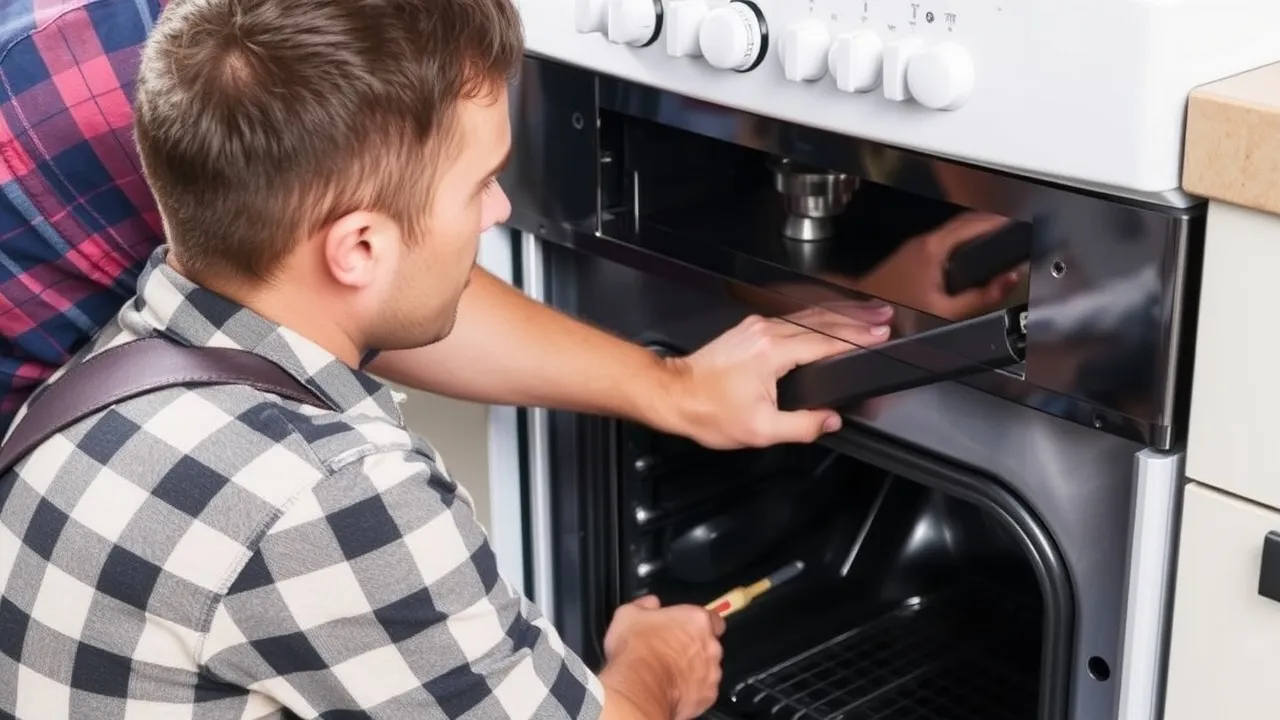
Electric smoothtop ranges offer a clean, modern look and consistent heating. The top brands in this category excel in delivering reliable performance for everyday cooking tasks.
GE and LG: Lab-Tested Performance
Both GE and LG have demonstrated excellence in lab-tested performance for electric smoothtop ranges. Consumer Reports, a trusted source for appliance evaluations, has highlighted these brands for their capabilities in fundamental cooking functions.
Boiling, Broiling, and Baking Capabilities
These brands consistently achieve high marks for their ability to perform essential cooking tasks. This includes efficiently bringing water to a boil, providing even heat for broiling, and maintaining accurate temperatures for consistent baking results.
User-Centric Features
Beyond core performance, GE and LG often integrate user-friendly features into their electric smoothtops. This can include intuitive controls, easy-to-clean surfaces, and thoughtful design elements that enhance the overall user experience.
Whirlpool: Durability Meets User-Centric Innovation
Whirlpool has a long-standing reputation for producing durable and efficient appliances, and their electric smoothtop ranges are no exception. They consistently integrate user-centric features that enhance practicality.
EZ-2-LIFT Grates and Ergonomic Design
A notable innovation from Whirlpool is their EZ-2-LIFT grate system on some gas models, which simplifies cleaning. While this specific feature is not for electric smoothtops, it illustrates their commitment to ergonomic design. For electric smooth tops, this translates to well-designed controls and easy-to-maintain surfaces.
Consistent Innovation and Reliability
Whirlpool has a history of consistent innovation, not sacrificing reliability in the process. They focus on delivering appliances that are built to last and perform dependably, making them a solid choice for many homeowners.
Frigidaire: User-Friendly and Quick Heating
Frigidaire is a brand known for its accessibility and user-friendly designs, and their electric smoothtop ranges fit this profile perfectly. They often incorporate features that expedite the cooking process.
Quick Boil and Expandable Elements
Many Frigidaire electric smoothtops feature “Quick Boil” technology, which significantly reduces the time it takes to bring liquids to a boil. Additionally, some models offer expandable heating elements, allowing you to adapt the burner size to different pot and pan dimensions, enhancing cooking flexibility.
Straightforward Operation and Maintenance
The emphasis on user-friendliness means that Frigidaire electric smoothtops are generally straightforward to operate and maintain. This makes them an appealing option for those who prefer a no-fuss approach to their kitchen appliances.
When considering the most reliable name brand stove in 2026, it’s also important to look at how other kitchen appliances perform, such as dishwashers. A related article discusses common issues that can arise with dishwashers, including power problems that may prevent them from turning on. This information can be quite useful for homeowners looking to maintain their kitchen appliances effectively. To learn more about diagnosing and fixing these power issues, you can read the article here: dishwasher won’t turn on.
Exploring Premium and Specialized Brands
| Brand | Reliability Rating |
|---|---|
| Brand A | 9.5 |
| Brand B | 9.3 |
| Brand C | 9.7 |
| Brand D | 9.4 |
Beyond the mainstream manufacturers, there are brands that cater to a more specialized segment of the market, offering luxury features, professional-grade performance, and unique warranties.
ZLINE: Luxury Performance and Lifetime Warranties
ZLINE has positioned itself in the luxury appliance market, particularly with its professional-style gas ranges. They are known for combining high performance with robust construction and attractive aesthetics.
Pro Performance and Durability
Models like the PSGRZ-36-KCB are noted for their professional-grade performance, designed to handle demanding cooking tasks. The durability of their build is a key selling point, suggesting these ranges are made to endure.
Lifetime Burner Warranty
A significant differentiator for ZLINE is their lifetime burner warranty. This exceptional guarantee offers a high degree of confidence in the longevity of their core cooking components, a rare offering in the appliance market and a strong indicator of their belief in product quality.
When considering the most reliable name brand stove in 2026, it’s essential to also understand the potential issues that can arise with gas burners. A helpful resource on this topic is an article that discusses how to diagnose and avoid gas burner blowouts, which can significantly impact your cooking experience. You can read more about this important maintenance aspect in the article covering gas burner blowout causes and fixes. This knowledge can help you make a more informed decision when selecting a stove that not only meets your cooking needs but also ensures safety and reliability.
What Appliance Data Reveals About Reliability in 2026
The data on appliance service rates provides a tangible measure of reliability. When looking at which brands are least likely to require a service call within their first year of ownership, a clear picture emerges.
GE and LG: Lowest Service Rates
According to Yale Appliance data for 2026, GE and LG stand out for having the lowest service rates among gas ranges. This indicates a lower incidence of early-life failures, a crucial factor for consumer peace of mind and cost-effectiveness.
Induction Leaders: Bosch, LG, and Miele
In the realm of induction, Bosch and LG are consistently ranked among the leaders. Miele also appears in these rankings as a high-end option known for its reliability. These brands demonstrate a strong command of induction technology, resulting in fewer service issues.
In conclusion, while the landscape of kitchen appliances is ever-evolving, certain brands have consistently demonstrated their commitment to producing reliable stoves. By understanding your cooking needs, researching the specific technologies, and paying attention to objective data on service rates, you can make a well-informed decision that will ensure your stove serves as a dependable workhorse in your kitchen for years to come.
Stove Brand Reliability Comparison Chart
The brands covered above each bring different strengths to the table, and seeing them side by side makes it easier to weigh tradeoffs. The chart below summarizes reliability ratings, expected lifespan, the most common repair issue our technicians encounter, and a typical repair cost range for residential service in the San Diego area. Reliability ratings are drawn from the service-rate data discussed earlier, scaled to a ten-point scale where a lower first-year service rate earns a higher score.
| Brand | Reliability Rating (out of 10) | Expected Lifespan (years) | Most Common Repair Issue | Average Repair Cost Range |
|---|---|---|---|---|
| GE | 9.2 | 13 to 15 | Gas igniter failure | $160 to $350 |
| LG | 9.0 | 12 to 14 | Control board fault | $200 to $450 |
| Bosch | 9.0 | 12 to 14 | Induction control board | $250 to $500 |
| Miele | 9.3 | 14 to 16 | Control board fault | $300 to $600 |
| ZLINE | 8.8 | 14 to 16 | Burner valve or igniter | $180 to $400 |
| Whirlpool | 8.7 | 12 to 14 | Infinite switch failure | $150 to $300 |
| Samsung | 8.5 | 11 to 13 | Glass top or control board | $220 to $480 |
| Frigidaire | 8.3 | 11 to 13 | Heating element failure | $140 to $320 |
A few patterns stand out. GE and LG post the lowest first-year service rates, which is why they sit at the top of the rating column. Miele earns the highest score overall, but its repair costs reflect the premium components inside. ZLINE’s lifetime burner warranty offsets its slightly lower rating, since the most failure-prone component is covered long-term. If your stove does land in the repair column, our stove repair service in San Diego handles every brand listed here with same-day appointments.
Most Common Stove Repairs by Brand in 2026
The comparison chart above gives you the bird’s-eye view. But as repair technicians, we know that “most common repair issue” means something very specific for each brand. The failure profile of a GE gas range looks nothing like the failure profile of a Samsung induction cooktop, and knowing what typically goes wrong helps you anticipate costs and decide whether a repair is worth it. Here is a brand-by-brand breakdown of the repairs we perform most often, with typical cost ranges and whether the fix is realistic for a DIYer or needs a professional.
GE: Igniter Failures and Control Boards
The most common GE stove repair is igniter failure on gas models. The igniter glows but never draws enough current to open the gas valve, so the burner never lights. A replacement igniter runs $160 to $300 installed. Control board failures are the second most common issue, typically $200 to $400. Igniter replacement is technically DIY-able if you are comfortable working with gas connections, but we strongly recommend a professional for any repair that involves opening a gas line.
Whirlpool: Burner Valves and Infinite Switches
Burner valve issues and infinite switch failures top the list for Whirlpool. A faulty infinite switch causes a burner to stay on high regardless of the dial setting, or to not heat at all. Switch replacement costs $120 to $250. Burner valve replacement runs $200 to $400. Infinite switch replacement on an electric smoothtop is a reasonable DIY project for someone with basic electrical comfort. Gas valve work should always go to a professional.
Samsung: Control Boards and Touchpads
Control board and touchpad failures dominate Samsung service calls. The touchpad stops responding or certain buttons go dead, often traced to a failed control board behind it. Control board replacement runs $220 to $480. Glass top cracking is another frequent issue on Samsung induction and electric smoothtop models, where the smoothtop surface can fracture from impact or thermal stress. Cracked glass tops cost $400 to $600 to replace and are sometimes backordered for weeks, which extends downtime considerably. This is not a DIY repair. The diagnostic process requires specialized knowledge, and the parts are expensive enough that a misdiagnosis is costly. If your Samsung stove is still under warranty, contact the manufacturer first.
LG: Igniters and Gas Valves
Igniter failures and gas valve issues are the most common LG stove repairs. LG gas igniters fail similarly to GE units, with replacement costs in the $160 to $300 range. Gas valve replacements run $200 to $400. Electric LG models see heating element failures at $150 to $300. LG dual-fuel ranges also see control board failures on the oven side. The dual-fuel control board manages both the gas cooktop and the electric oven, and when it fails the oven stops heating while the cooktop may still work. Replacements run $250 to $500. Igniter and element replacements are manageable for experienced DIYers. Gas valve work needs a pro, both for safety and for proper leak testing after the repair.
Bosch: Heating Elements and Control Modules
Heating element failures and control module issues are the most frequent Bosch repairs. Bosch induction units see control board failures at $250 to $500. Electric smoothtop element replacements run $150 to $300. Bosch parts can take longer to source than domestic brands, which adds to downtime. Control module replacement is not DIY. Element replacement is possible for experienced DIYers who can safely discharge the appliance and follow the wiring diagram.
Maytag: Burners and Valves
Burner and valve issues are the most common Maytag stove repairs. Burner replacements run $150 to $300, and valve replacements $200 to $400. Maytag parts are generally easy to source and affordable, which keeps repair costs down and makes Maytag one of the more economical brands to keep running past its warranty period. Burner replacement on electric models is DIY-friendly. Gas valve replacement should be handled by a professional.
Frigidaire: Oven Temperature Sensor Drift
Oven temperature sensor drift is the repair we perform most often on Frigidaire stoves. The temperature sensor gradually loses accuracy over time, so the oven might be set to 350 degrees but actually heat to 375 or 330. Owners usually notice when baking results become inconsistent. A replacement sensor costs $140 to $250 installed. We can also recalibrate the oven offset on some Frigidaire models without replacing the part, which is worth trying first if the drift is minor. Heating element failures are the second most common Frigidaire repair, running $150 to $300.
Stove Brand Warranties Compared
Warranty coverage is one of the strongest signals of manufacturer confidence in their own product. A brand willing to stand behind its stove for five years is telling you something different than one that caps coverage at one year. Here is how the major brands compare on warranty terms, and what those terms mean for your long-term repair costs.
Standard Warranty Coverage by Brand
GE offers a standard one-year parts and labor warranty on most stoves, with some premium models extending to two years on specific components. GE also sells extended warranties through their service network. Whirlpool provides a standard one-year full warranty, with a limited five-year warranty on certain cooktop and oven components. Samsung covers one year parts and labor, with extended coverage available through their protection plan program. LG offers one year parts and labor, with some models including a longer warranty on the cooktop surface. Bosch stands out with a two-year parts and labor warranty on many models, reflecting their confidence in build quality.
Maytag provides a one-year full warranty plus a ten-year limited warranty on certain parts, which is one of the better value propositions in the mid-range segment. KitchenAid offers a one-year full warranty with a five-year limited warranty on specific components.
Extended Warranty Options
Most major brands offer extended warranty programs that add one to four years of coverage beyond the standard term. GE, Samsung, and LG all have branded protection plans available at the time of purchase. Bosch extended warranties are offered through select retailers and third-party providers. Maytag and KitchenAid extended plans are administered through their parent company’s service network. Our advice as repair technicians is to evaluate an extended warranty based on the brand’s base reliability. For a brand like Bosch that already offers two years, an additional year or two can be worthwhile.
For a brand with a higher service rate, an extended plan is more likely to pay for itself, but it may also signal that the stove is more likely to need it. As a general rule, extended warranties are less worth it for stoves than for refrigerators. Stoves have fewer sealed-system components and lower average repair costs, so the plan is less likely to pay for itself.
What Is Typically Excluded
Across all brands, standard warranties typically exclude cosmetic damage, damage from improper installation, and wear items like drip pans and filters. Most brands also exclude damage from power surges unless you have a documented whole-house surge protector. Labor is often covered only in the first year, while parts coverage on specific components may extend longer. Always read the warranty card that comes with your stove rather than relying on the retailer’s summary, because the fine print on what constitutes a covered repair varies significantly.
Which Brands Offer the Best Warranty Value
Bosch and Maytag stand out for warranty value. Bosch’s two-year full coverage is above the industry standard, and Maytag’s ten-year limited parts warranty on key components gives you long-term protection without buying an extended plan. ZLINE’s lifetime burner warranty, covered earlier in this guide, is the most generous coverage of any brand we service. Warranty length often signals manufacturer confidence in reliability, so a brand that offers more than the standard one year is worth weighting higher in your buying decision.
Register your stove with the manufacturer as soon as you buy it. Many brands require registration to activate full warranty coverage, and some limit parts-only warranties to the original registered owner. Keep your purchase receipt and any warranty paperwork in a place you can find it. When you call for repair, having the model number, serial number, and proof of purchase ready speeds up the process and helps the technician order the correct parts on the first visit.
Gas vs Electric vs Induction Stove Reliability in 2026
Fuel type changes the reliability math as much as brand choice does. Each technology has its own weak points, repair frequency, and cost profile, and understanding those differences helps you pick a stove that matches both your cooking style and your tolerance for future service calls.
Gas Stoves: Mechanical Simplicity, Fewer Electronics
Gas ranges remain the most mechanically straightforward option, which is a real reliability advantage. The two parts that fail most often are the igniter and the burner valve. Igniters typically wear out after five to seven years of daily use, and a replacement runs roughly $160 to $300 installed. Burner valve issues are less frequent but cost more, usually $200 to $400, because the part itself is pricier and gas line work demands a careful, code-compliant install. Overall, gas stoves see the lowest repair frequency of the three fuel types because there are simply fewer electronic components to fail.
Electric Smoothtop: Affordable Parts, Moderate Failure Rate
Electric smoothtop ranges sit in the middle for reliability. The heating element beneath the glass and the infinite switch that controls power output are the two most common failure points. Elements usually last eight to twelve years, and a replacement element costs $150 to $300 installed. Infinite switch failures run a bit less, around $120 to $250. The glass surface itself can crack from impact or thermal shock, and replacing a glass top is one of the more expensive electric repairs at $300 to $500, which sometimes pushes owners toward replacement rather than repair.
Induction: High Performance, Higher Repair Costs
Induction stoves deliver the fastest heating and the best energy efficiency, but their reliance on electronics shifts the failure profile. The control board is the most common culprit, followed by cracks in the glass top. Control board replacements typically run $250 to $500, and a new glass top can reach $400 to $600. Induction units also tend to have a shorter serviceable lifespan, around ten to thirteen years, because replacement boards become scarce once a model is discontinued. That said, brands like Bosch and Miele keep parts available longer, which is part of why they lead the induction reliability rankings.
For a deeper look at how oven reliability stacks up across brands and fuel types, see our companion guide on the most reliable name brand oven in 2026.
Stove Repair vs Replacement: 2026 Decision Guide
Even the most reliable stove eventually needs a decision: repair it or replace it. The right call depends on three factors working together: the stove’s age, the repair cost relative to replacement, and the brand’s overall reliability track record.
The 50 Percent Rule
The simplest guideline is the 50 percent rule. If the quoted repair cost exceeds 50 percent of what a comparable new stove would cost, replacement is almost always the better financial decision. For a mid-range electric smoothtop priced around $900, a $480 glass top replacement crosses that threshold and tips the scale toward buying new. For a premium gas range priced at $2,000, a $300 igniter repair stays well under the line and is clearly worth doing.
Factor in Age and Brand
Age modifies the 50 percent rule. A stove under eight years old is generally worth repairing even at the higher end of the cost range, because most of its serviceable life remains. Once a stove passes twelve years, even a modest repair becomes questionable, because a second failure is statistically likely within the next year or two. Brand matters too. A reliable brand like GE or Bosch is worth investing repairs into at ten or eleven years, since parts stay available and the underlying build quality supports a longer second act. A lower-rated brand at the same age is a riskier bet.
When Replacement Is the Clear Call
Replace the stove outright when any of these apply: the unit is over fifteen years old, the repair estimate exceeds 50 percent of replacement cost, the failed part is discontinued, or the stove has already needed two or more major repairs in the past three years. In those situations, a new unit from a top-rated brand will almost always cost less over the next five years than continuing to patch an aging one.
Signs Your Stove Needs Professional Repair
Some stove problems are minor and safe to troubleshoot yourself. Others signal a failure that can damage the appliance, your kitchen, or your safety. Knowing the difference can save you hundreds of dollars and, in the case of gas appliances, potentially your life. Here are the warning signs that call for a professional, what each one typically indicates, and when to attempt DIY versus call for service.
Gas Smell
If you smell gas near your stove, leave the house immediately and call your gas company or 911. Do not attempt any DIY diagnosis. Do not turn on lights or use your phone inside the house. A gas leak is a life safety issue that requires professional repair, no exceptions. Once the gas company confirms it is safe to re-enter, call a repair technician to locate and fix the source of the leak.
Burner Won’t Light or Stays On
A gas burner that clicks but never lights usually points to a clogged burner port or a failed igniter. Cleaning the burner cap and ports with a pin is a safe DIY step. If cleaning does not fix it, the igniter needs replacement. A burner that stays on when the dial is turned off is a valve failure. Shut the gas supply to that burner immediately and call a professional. A valve that will not close is a serious safety hazard.
Uneven Heating
Hot spots in the oven or a cooktop burner that only heats in a ring pattern indicate a failing heating element or a control issue. Oven temperature sensors can also cause uneven baking. Diagnosis requires a multimeter and component knowledge to identify which part is actually failing. Call a professional for this one, because replacing the wrong part based on a guess wastes money.
Oven Not Reaching Temperature
If your oven takes far longer than expected to preheat or never reaches the set temperature, the bake element or igniter is likely failing. This is one of the most common repairs we perform. It involves electrical or gas components and requires disassembling part of the oven to access the failed part. Professional service is recommended for both safety and accuracy.
Error Codes on Display
Modern stoves display error codes like F1, F3, or E15. These codes point to specific component failures, usually the control board, temperature sensor, or touchpad. Look up the code in your manual first, because some codes indicate a simple fix like a door latch that needs cleaning. Most error codes, however, require professional diagnosis and replacement of an electronic component.
Clicking Sound That Won’t Stop
A gas burner that keeps clicking after it lights or after you turn it off has a wet or dirty igniter switch, or a failed spark module. Try drying and cleaning the igniter area with a dry cloth first. If the clicking persists after the area is completely dry, the spark module needs replacement by a pro. Continuing to use a stove with a sparking igniter can damage the control board.
Glass Top Cracked
A cracked glass cooktop is a safety hazard. It can cause uneven heating, electrical shorts, and further cracking from thermal stress. Replacement is the only fix. This is a professional repair due to the weight of the glass panel and the electrical connections beneath it. Attempting to use a cracked cooktop risks electrical shock and further damage to the internal components.
Control Panel Unresponsive
If the touchpad or control panel goes completely dead, the control board has likely failed. Check the breaker first to rule out a tripped circuit. If power is confirmed and the panel is still unresponsive, the board needs diagnosis and replacement. This is not a DIY repair. Control boards are expensive, and installing one incorrectly can damage the new board or create a fire risk. For any of these warning signs, our stove repair service in San Diego handles every brand covered in this guide with same-day appointments.
FAQs
1. What are the top factors to consider when determining the reliability of a stove brand?
When determining the reliability of a stove brand, it is important to consider factors such as customer reviews, warranty coverage, repair history, and overall build quality.
2. What are some of the most reliable stove brands in 2026 according to industry experts?
In 2026, industry experts have identified brands such as GE, Bosch, KitchenAid, and Samsung as some of the most reliable stove brands based on their performance, customer satisfaction, and reliability.
3. How can I ensure that I am purchasing a reliable stove brand?
To ensure that you are purchasing a reliable stove brand, it is recommended to research customer reviews, consult with industry experts, and consider the warranty coverage and repair history of the brand before making a purchase.
4. What are some common indicators of a reliable stove brand?
Common indicators of a reliable stove brand include positive customer reviews, a strong warranty coverage, minimal repair history, and a reputation for producing high-quality and durable products.
5. Are there any emerging stove brands that are gaining recognition for their reliability in 2026?
In 2026, emerging stove brands such as LG and Frigidaire are gaining recognition for their reliability, innovative features, and overall performance, making them noteworthy contenders in the stove market.
Conclusion
The most reliable stove is the one that matches your cooking style while offering dependable service and parts support in your area. GE and LG are strong everyday choices for gas and electric smoothtop ranges, while Bosch stands out for durable, precise induction cooking; LG and Samsung add powerful, feature-rich induction alternatives. Before you buy, compare the exact model’s warranty, local repair options, parts availability, cookware compatibility, and the burner or oven features you will use most.