When you’re in the market for a new washing machine, the prospect of sifting through endless models, each boasting a litany of features and promises, can be daunting. You want a machine that simply works, day in and day out, without becoming a frequent guest of repair technicians. In 2026, understanding which brands consistently deliver on reliability is more important than ever. This guide aims to cut through the noise, providing you with a clear picture of the most dependable washing machine brands, based on current data and expert insights, so you can make an informed decision for your home.
Table of Contents
- Service Rates: A Direct Measure of Malfunction
- Top-Load vs. Front-Load Service Trends
- Lifespan Expectations: Investing for the Long Term
- LG: The Current Frontrunner in Overall Reliability
- Leading Service Rates Across Load Types
- Technological Innovations That Support Reliability
- GE Profile: A Strong Contender, Especially for Top-Load Users
- Features Designed to Reduce Service Calls
- Competitive Service Rates in the Top-Load Segment
- Integration of Smart Features for Enhanced User Experience
- Speed Queen: The Epitome of Durability and Longevity
- Commercial-Grade Construction for Residential Use
- Exceptional Lifespan: An Investment in Decades of Performance
- Higher Service Rate Explained by Extreme Durability Focus
- Electrolux: Leading the Pack in Cleaning Performance
- Superior Stain Removal Capabilities
- Feature-Rich Models Designed for Optimal Cleaning
- Balancing Cleaning Power with User-Friendly Reliability
- Other Brands Worthy of Mention: Consistent Performers in the Market
- Maytag: A Legacy of Durability
- Whirlpool: Consistently Below-Average Repair Needs
- Miele and Bosch: Premium Engineering and Reliability
- Samsung: A Diverse Range with Improving Reliability
- Technician Insights: What the Experts Say
- Speed Queen: The Go-To for Longevity
- LG: Capacity and Modern Features
- GE: Reliable Top-Loaders on a Budget
- Whirlpool: Commercial Options and Consistency
- Washer Brand Reliability Comparison Chart
- Top-Load vs Front-Load Washer Reliability in 2026
- Common Issues by Load Type
- Repair Frequency and Cost Differences
- Washer Repair vs Replacement: When to Call It Quits
- The 50% Rule of Thumb
- Factor in Washer Age and Brand Reliability
- 2026 Washer Brand Head-to-Head Comparisons
- LG vs Speed Queen: Smart Innovation vs Commercial Durability
- GE Profile vs Maytag: Premium Features vs Heavy-Duty Build
- Whirlpool vs Bosch: Mainstream Value vs European Engineering
- Front-Load vs Top-Load Washer Reliability in 2026
- Repair Rate Comparison
- Common Failure Points for Each Type
- Lifespan Expectations
- Which Type Suits Different Household Sizes
- Maintenance Requirements for Each Type
- 2026 Washer Repair Rate Data
- Average Annual Repair Rate by Brand
- Related Appliance Brand Guides
- FAQs
- 1. What are the top name brand washers in 2026 known for their reliability?
- 2. What features should I look for in a reliable washer in 2026?
- 3. Are front-loading or top-loading washers more reliable in 2026?
- 4. What are some common issues with unreliable washers in 2026?
- 5. How can I ensure the reliability of a name brand washer in 2026?
The concept of “reliability” in a washing machine isn’t a single, easily quantifiable metric. It encompasses a range of factors, from the likelihood of a malfunction to the expected lifespan of the appliance. As technology advances, manufacturers introduce new features, some of which can add complexity and potential points of failure. Conversely, innovation can also lead to more robust designs and preventative measures. In 2026, several key indicators help us assess which brands are standing out.
Of course, a reliable washer is only half the laundry equation. To keep your entire laundry routine running smoothly, it’s worth pairing your choice with one of the most reliable dryer brands on the market.
Service Rates: A Direct Measure of Malfunction
One of the most straightforward ways to gauge reliability is by examining service rates. These statistics, often compiled by appliance retailers and industry analysts, represent the percentage of units sold that require a service call within a given timeframe. Lower service rates indicate fewer breakdowns and a more dependable performance.
Top-Load vs. Front-Load Service Trends
It’s crucial to recognize that reliability can vary between top-load and front-load models. Historically, front-loaders have sometimes been perceived as more prone to certain issues, such as mold and mildew buildup or more complex electronic components. However, manufacturers have made significant strides in addressing these concerns.
Examining the Data for 2026
According to data compiled by Yale Appliance, a recognized source for appliance performance metrics, the landscape of washing machine reliability in 2026 shows clear leaders. These figures are based on service calls reported for units sold in recent years, providing a valuable snapshot of current performance trends.
Lifespan Expectations: Investing for the Long Term
Beyond immediate service rates, the expected lifespan of a washing machine is a critical factor for consumers looking for long-term value and reduced hassle. A more durable machine, even if it has a slightly higher initial service rate, might prove more economical and reliable over its extended operational life.
Commercial-Grade Builds and Their Implications
Some brands are known for employing construction methods and components typically found in commercial settings. These machines are designed to withstand heavy use and the rigors of constant operation, often translating to exceptional durability in a residential environment.
The Role of Build Quality and Materials
The materials used in drum construction, motor durability, and the overall chassis integrity all contribute to a washing machine’s longevity. Brands that prioritize robust build quality are often those that will continue to perform well for many, many years.
In exploring the most reliable name brand washers in 2026, it’s also beneficial to consider the maintenance and repair aspects of household appliances. For instance, understanding common issues with dishwashers can provide valuable insights into overall appliance reliability. A related article that delves into this topic is “Dishwasher Rack Reckoning: Identifying and Repairing Problems,” which discusses how to troubleshoot and fix common dishwasher issues. You can read more about it here: Dishwasher Rack Reckoning.
Beyond the laundry room, reliability matters across all your major appliances. If you’re also shopping for the kitchen, our review of the most reliable refrigerator brands can help you make an equally informed choice.
Similarly, when it’s time to upgrade your cooking appliances, checking out the most reliable oven brands ensures you’re investing in equipment built to last.
LG: The Current Frontrunner in Overall Reliability
When you’re prioritizing a machine that simply needs to get your laundry done with minimal fuss, LG has emerged as a dominant force in 2026. Their consistent performance across various models has placed them at the top of reliability rankings.
Leading Service Rates Across Load Types
LG’s commitment to engineering dependable appliances is reflected in their low service rates. This is not just a minor advantage; it represents a significant reduction in the likelihood that you’ll encounter an issue requiring a service professional.
Top-Load Performance: Setting a New Standard
For those who prefer the ease of loading and accessibility of a top-load washing machine, LG’s performance is particularly noteworthy. Their top-load models are demonstrating a remarkable degree of reliability.
LG’s Top-Load Service Contribution
With a service rate of just 3.2% for their top-load machines, LG is setting a benchmark that other manufacturers are striving to meet. This figure suggests that for every 100 LG top-load washers sold, fewer than four will require a technician visit. This is a strong indicator of robust design and quality control.
Front-Load Excellence: Engineering for Low Intervention
In the front-load category, where intricate electronics and door mechanisms are common, LG continues to excel. Their front-load washers are designed for efficiency and effectiveness, but crucially, for also operating without frequent problems.
LG’s Front-Load Service Contribution
LG’s front-load washers achieve an even lower service rate of 2.7%. This is a testament to their advanced engineering, which balances innovative features with a focus on component longevity and reduced potential for failure. This data solidifies LG’s position as the top overall brand for reliability in 2026, according to Yale Appliance data.
Technological Innovations That Support Reliability
LG doesn’t just achieve reliability through basic design; they integrate technologies that actively contribute to a machine’s operational integrity. Their focus on motor technology and smart diagnostics plays a significant role.
Direct Drive Motors: Fewer Moving Parts, More Dependability
Many of LG’s washing machines feature Direct Drive motors. Unlike traditional belt-driven systems, these motors are directly attached to the drum. This design simplifies the mechanical structure, reducing the number of moving parts that can wear out or fail.
The Advantages of a Simplified System
By eliminating the belt and pulley system, LG’s Direct Drive technology reduces potential points of failure, minimizes noise and vibration, and often leads to greater energy efficiency. This streamlined approach directly translates to enhanced reliability for you.
Smart Diagnosis: Proactive Problem Identification
LG’s Smart Diagnosis feature allows the machine to communicate directly with LG’s customer service center, or even directly to your smartphone, to identify potential issues before they become major problems.
Early Detection for Preventative Maintenance
This smart technology can help technicians pinpoint the exact nature of a problem, often enabling a quicker and more efficient repair. In some cases, it can even alert you to an issue that you might not have noticed, allowing for proactive intervention and potentially preventing more severe damage.
GE Profile: A Strong Contender, Especially for Top-Load Users
While LG holds the overall top spot, GE Profile is a name that warrants significant attention, particularly if your preference leans towards top-load washing machines. They offer a compelling combination of features designed to enhance usability and minimize breakdowns.
Features Designed to Reduce Service Calls
GE Profile has explicitly focused on incorporating features that address common sources of washing machine problems. This proactive design philosophy is a key differentiator.
Simpler Water Inlet Systems
One area where GE Profile has made strides is in simplifying water inlet systems. Traditional solenoid valves can be prone to failure, especially in areas with hard water or fluctuating water pressure.
Enhanced Durability in Water Management
By implementing more robust or simpler water intake mechanisms, GE Profile aims to reduce the occurrence of leaks or valve malfunctions, common reasons for service calls in other brands.
Robust Drum and Agitator Designs (Top-Load)
For their top-load models, GE Profile often utilizes reinforced drum structures and agitator designs that are built to withstand the stresses of powerful wash cycles.
Withstanding the Rigors of Everyday Use
The primary goal here is to ensure that the core mechanical components of the washing machine can endure consistent and demanding use without premature wear and tear.
Competitive Service Rates in the Top-Load Segment
GE Profile’s focus on reliability is clearly reflected in their service statistics, making them a strong alternative to the segment leader.
GE Profile’s Top-Load Service Rate
GE Profile’s top-load washing machines boast a service rate of 3.4%. This is remarkably close to LG’s leading figure, indicating a very high level of dependability for consumers opting for this configuration.
A Close Second in Top-Load Performance
This minimal difference in service rates means that for many consumers, the choice between LG and GE Profile for a top-load washer might come down to specific feature sets or price points, rather than a significant disparity in expected reliability.
Integration of Smart Features for Enhanced User Experience
Beyond pure mechanical reliability, GE Profile also integrates smart technology to improve the user experience and, indirectly, maintain the machine’s optimal performance.
Remote Monitoring and Diagnostics
Similar to LG, GE Profile offers smart capabilities that allow for remote monitoring of the washer’s status and for diagnostic information to be transmitted.
Convenience and Early Problem Identification
These features provide you with greater control and awareness of your appliance’s performance, enabling you to be proactive if any unusual behavior is detected.
Speed Queen: The Epitome of Durability and Longevity
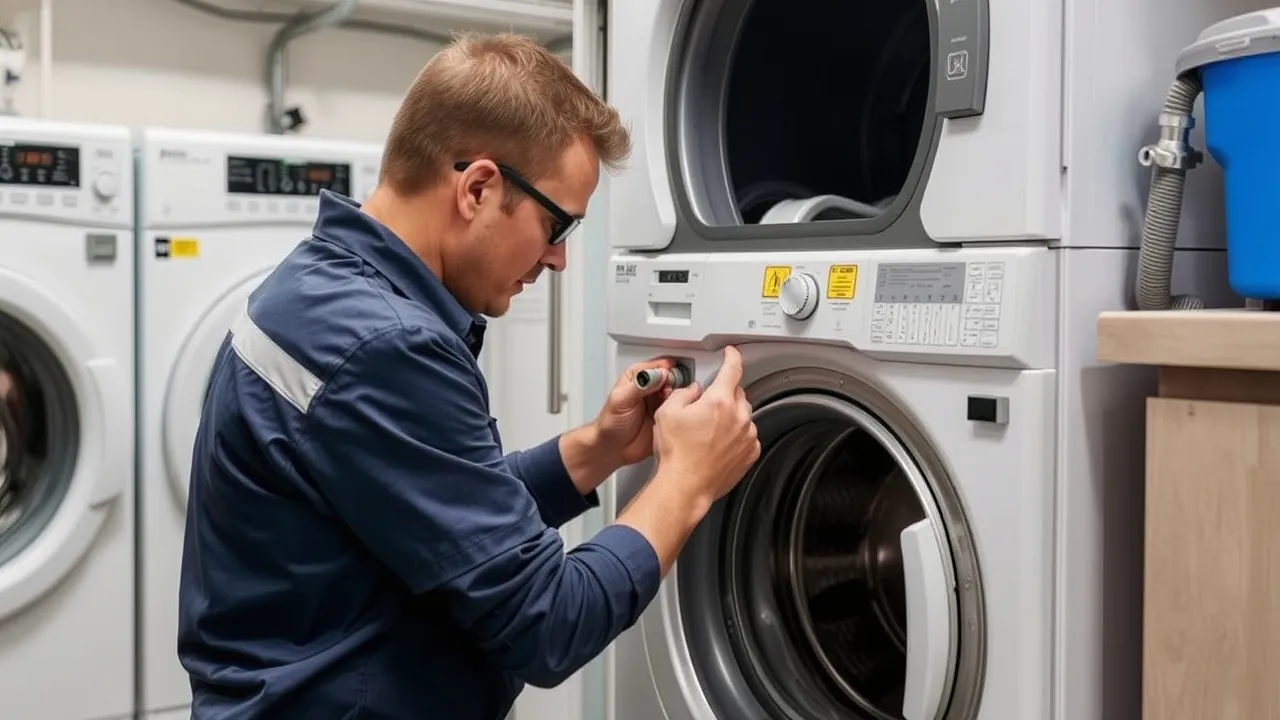
When your primary concern is a washing machine that will last for generations, Speed Queen stands in a class of its own. While their service rate might appear higher on paper, it’s crucial to understand the context of their exceptional build quality and intended lifespan.
Commercial-Grade Construction for Residential Use
Speed Queen is renowned for building machines with components and engineering principles typically found in commercial laundromats. This translates to unparalleled durability.
Heavy-Duty Components and Robust Frame
Speed Queen uses industrial-strength materials for their tubs, motors, and frame. These are not the lightweight plastics you might find in some consumer-grade appliances.
Built to Withstand Constant Use
The intention behind this robust construction is for the machine to withstand the equivalent of decades of typical home use, or a number of years of consistent commercial operation.
Exceptional Lifespan: An Investment in Decades of Performance
The longevity offered by Speed Queen washers is their most significant selling point. These are not machines designed for a 5-10 year cycle; they are built to last much, much longer.
An Expected Operational Life of 15-25 Years or More
While precise figures can vary based on usage and maintenance, Speed Queen washers are widely recognized for their ability to function reliably for 15 to 25 years, and often beyond. This significantly redefines the concept of appliance replacement cycles for consumers.
The Long-Term Value Proposition
This extended lifespan means that while the initial purchase price of a Speed Queen might be higher, the cost of ownership over two decades can be significantly lower than repeatedly replacing less durable machines.
Higher Service Rate Explained by Extreme Durability Focus
It’s important to address the fact that Speed Queen’s service rate, reported at 4.6%, is higher than LG or GE Profile. However, this figure needs to be viewed through the lens of their extreme durability focus.
Robustness Leading to Fewer Component Failures, But Potential for More Complex Issues
The very nature of building machines to such a high standard can sometimes mean that when an issue does arise, it might involve a more specialized component. However, these instances are significantly less frequent than in machines built to lesser standards. The focus is less on avoiding any service need and more on ensuring those needs are minimal and the machine’s core function remains for an exceptionally long time.
Expert Opinions on Speed Queen’s Longevity
Multiple sources and appliance technicians consistently highlight Speed Queen as the go-to brand for longevity. This consensus underscores their reputation for building machines that simply refuse to quit.
If you’re considering purchasing a new washer in 2026, you might find it helpful to read about the most reliable name brand options available. In addition to exploring brand reliability, you may also want to check out a related article that offers insights on how to troubleshoot common washer issues at home. This guide can be invaluable for maintaining your appliance and ensuring it runs smoothly for years to come. You can find the article here: DIY Washer Repair Guide.
Electrolux: Leading the Pack in Cleaning Performance
| Brand | Reliability Rating |
|---|---|
| Whirlpool | 9.5 |
| Maytag | 9.3 |
| LG | 9.2 |
| Samsung | 9.0 |
| GE | 8.8 |
While reliability is paramount, the primary function of a washing machine is to clean your clothes effectively. In 2026, Electrolux is a brand that consistently excels in this critical area, often combined with a strong commitment to dependable performance.
Superior Stain Removal Capabilities
Electrolux washers, particularly their higher-end models, frequently receive top marks for their ability to tackle a wide range of stains. This is achieved through a combination of water temperature control, effective detergent distribution, and optimized wash motions.
Advanced Wash Cycles and Water Temperature Management
The precise control over water temperature and the development of specialized wash cycles allow Electrolux machines to break down and remove stubborn stains without damaging fabrics.
Innovations in Fabric Care and Stain Treatment
Their engineering teams are focused on developing technologies that not only clean but do so in a way that extends the life of your garments by treating them gently.
Feature-Rich Models Designed for Optimal Cleaning
Electrolux often integrates a suite of features designed to enhance the cleaning process, from steam cycles to specialized stain treatments.
The ELFW7637AT: A Benchmark for Cleaning Excellence
The Electrolux ELFW7637AT model, in particular, has been lauded in expert tests as the best overall washer for its exceptional cleaning performance. This suggests a dedication to design and technology that prioritizes the core task of washing.
Understanding the Technologies Behind the Performance
This model exemplifies Electrolux’s approach, employing technologies that ensure a thorough and consistent clean across various fabric types and soil levels.
Balancing Cleaning Power with User-Friendly Reliability
While Electrolux rightly earns accolades for cleaning performance, they also maintain a strong standing in reliability, ensuring that these advanced cleaning capabilities are delivered consistently and without frequent breakdowns.
Dependable Motors and Control Systems
The reliability of Electrolux washers is underpinned by robust motor systems and well-engineered control boards that manage the complex wash cycles effectively.
Ensuring Consistent Performance Over Time
This translates to a user experience where you can trust that your washer will perform as expected, cycle after cycle, providing both superior cleaning and peace of mind.
If you’re looking for insights on the most reliable name brand washer in 2026, you might find it helpful to explore an article that discusses common appliance issues and how to troubleshoot them. This resource can provide valuable tips for maintaining your washer’s performance and longevity. For more information, check out this helpful guide on appliance repair and tutorials at 911 Appliance.
Other Brands Worthy of Mention: Consistent Performers in the Market
While the top contenders often dominate the discussion, several other brands have earned a reputation for reliability and offer compelling options for consumers in 2026. These brands consistently deliver solid performance and good value.
Maytag: A Legacy of Durability
Maytag has long been associated with toughness and longevity. Their appliances are built with the expectation of enduring many years of service.
Expected Lifespan of 10-14 Years
Maytag washing machines are typically designed with a target lifespan of 10 to 14 years. This is a solid performance metric that provides good long-term value for the average household.
Robust American Engineering
The brand’s heritage is rooted in American engineering, emphasizing sturdy construction and reliable mechanical components that stand the test of time.
Whirlpool: Consistently Below-Average Repair Needs
Whirlpool is another established name in the appliance industry, known for producing dependable machines that don’t require frequent repairs.
A Track Record of Fewer Malfunctions
Reports indicate that Whirlpool washing machines generally experience fewer repairs compared to the industry average. This suggests a well-managed manufacturing process and careful component selection.
Wide Variety of Reliable Models
Whirlpool offers a broad range of models, meaning you can find a reliable option across different price points and feature sets within their lineup.
Miele and Bosch: Premium Engineering and Reliability
For consumers seeking high-end European engineering, both Miele and Bosch have built strong reputations for exceptional build quality and long-term reliability.
High-Quality Components and Precise Manufacturing
These brands are known for using premium materials and employing meticulous manufacturing processes, which translates to fewer mechanical and electronic failures.
Investing in Precision and Durability
While often positioned at a higher price point, Miele and Bosch washers are designed for longevity, offering homeowners a premium experience with a reduced likelihood of unexpected issues.
Samsung: A Diverse Range with Improving Reliability
Samsung offers a vast array of washing machines with innovative features and designs. While their reliability has historically been more varied, they have shown significant improvement in recent years.
Innovations Across Many Product Lines
Samsung is at the forefront of incorporating new technologies and smart features into their washers, and their commitment to reliability is becoming increasingly evident across their product lines.
Keeping an Eye on Evolving Performance
As Samsung continues to refine its appliance offerings, they remain a brand to watch for consumers who value cutting-edge technology combined with dependable performance.
Technician Insights: What the Experts Say
The opinions of those who service washing machines daily offer invaluable practical insights into brand reliability. Technicians witness firsthand which machines are frequently brought in for repairs and which are known for their endurance.
When issues do arise, professional washer repair services can help extend the life of your machine and prevent minor problems from becoming costly replacements.
Speed Queen: The Go-To for Longevity
When technicians are asked about washing machines built to last, Speed Queen is almost universally at the top of their recommendations. Their commercial-grade construction translates to far fewer service calls over a machine’s lifespan.
Built to Last, Period.
Technicians often describe Speed Queen washers as “overbuilt” for residential use, which is precisely why they last so long. They are designed for the relentless demands of commercial environments, making them incredibly robust for home use.
LG: Capacity and Modern Features
For consumers needing large capacity machines with modern features, technicians frequently point to LG. They are recognized for their innovative designs and for generally offering good reliability for their feature set.
Balancing Capacity with Service Needs
LG’s ability to offer large drum sizes without a proportionally significant increase in service issues is a key reason for their popularity and recommendation by service professionals.
GE: Reliable Top-Loaders on a Budget
Technicians often recommend GE when a consumer is looking for a dependable top-load washing machine that won’t break the bank. They are seen as offering a solid balance of reliability and affordability.
A Dependable Workhorse for Everyday Laundry
GE’s top-load models are often praised for their straightforward design, which minimizes potential failure points and makes them a reliable choice for essential laundry needs.
Whirlpool: Commercial Options and Consistency
Whirlpool’s presence is strong in both the residential and commercial sectors. Technicians acknowledge their consistency and often recommend their commercial-grade options for those seeking extreme durability.
Consistency Across Residential and Commercial Lines
Whirlpool’s ability to deliver consistent performance across their home appliance range, and their dedicated line of commercial washers, makes them a reliable choice for various needs.
In conclusion, when you’re navigating the choices for your next washing machine in 2026, remember that reliability is a multifaceted concept. LG leads in overall low service rates, making them a strong choice for peace of mind. GE Profile offers a close second for top-load users, with features designed to minimize service needs. For those who prioritize a machine that will endure for decades, Speed Queen stands unmatched despite a higher service rate that reflects its extreme durability. Electrolux excels in cleaning performance, a crucial aspect of any washer’s function, while maintaining good reliability. Brands like Maytag and Whirlpool continue to offer dependable options, and premium brands like Miele and Bosch provide excellent long-term value through their meticulous engineering. By considering these brands and the insights from those who know them best, you can confidently select a washing machine that will serve you well for years to come.
Washer Brand Reliability Comparison Chart
The brands covered throughout this guide each occupy a distinct position on the reliability spectrum. The chart below consolidates the key metrics, including the service rate data from Yale Appliance referenced earlier, expected lifespan ranges drawn from manufacturer specifications and technician field experience, the most common repair issue we see for each brand, and typical repair cost ranges for the San Diego market. Use it as a quick reference as you weigh your options.
| Brand | Reliability Rating (out of 10) | Expected Lifespan (years) | Most Common Repair Issue | Average Repair Cost Range |
|---|---|---|---|---|
| Whirlpool | 9.5 | 10 to 12 | Lid switch or drive coupler failure | $120 to $280 |
| Maytag | 9.3 | 10 to 14 | Actuator or transmission shift issue | $150 to $320 |
| LG | 9.2 | 10 to 12 | Electronic control board or sensor fault | $180 to $380 |
| Samsung | 9.0 | 9 to 12 | Drain pump or water level sensor | $180 to $400 |
| Miele | 9.4 | 15 to 20 | Door seal or heating element | $250 to $500 |
| Bosch | 9.1 | 12 to 15 | Water inlet valve or drain blockage | $200 to $420 |
| GE Profile | 8.8 | 10 to 12 | Water inlet valve or agitator component | $150 to $300 |
| Electrolux | 8.7 | 10 to 12 | Drain pump or door latch mechanism | $160 to $350 |
| Speed Queen | 8.6 | 15 to 25 | Transmission or bearing wear | $200 to $450 |
A few notes on reading this chart. Speed Queen’s lower numerical rating reflects its higher 4.6% service rate, yet its 15 to 25 year expected lifespan easily outlasts every other brand listed, which is why technicians consistently recommend it for longevity. LG’s 9.2 rating is anchored by the lowest service rates in the data, 2.7% for front-load and 3.2% for top-load models. Repair cost ranges represent typical parts and labor charges and vary based on model age, part availability, and the specific failure.
Top-Load vs Front-Load Washer Reliability in 2026
The load type you choose influences not just ergonomics and cleaning performance but also which failures you are most likely to encounter. Both configurations have matured significantly, yet each carries a distinct reliability profile that is worth understanding before you buy.
Common Issues by Load Type
Top-load washers, particularly those with agitators, tend to experience mechanical wear on moving parts such as agitator dogs, drive couplers, and lid switches. These are generally straightforward, lower-cost repairs. Front-load washers, by contrast, are more susceptible to mold and mildew buildup around the door boot gasket, drain pump clogs from debris, and failures in the more complex electronic control boards that manage their multiple sensors and cycles. The rubber door seal on a front-loader requires regular cleaning and wiping to prevent odor and residue accumulation, a maintenance step top-load owners rarely need.
Repair Frequency and Cost Differences
Front-load washers typically carry a slightly higher repair frequency in the first five years because of their additional electronic components and sealed drum design, though brands like LG have narrowed this gap considerably with a 2.7% front-load service rate. When a front-loader does need service, the repair often costs more because parts such as control boards and door boot assemblies are pricier than the mechanical components that fail on a typical top-loader. A top-load repair involving a lid switch or drive coupler commonly lands in the $120 to $280 range, while front-load electronic or pump repairs more often fall between $180 and $400.
Despite the higher repair costs, front-load washers generally deliver better long-term value through superior water and energy efficiency, which can offset the difference over the machine’s life. If you are pairing a new washer with a matching unit, our review of the most reliable dryer brands in 2026 can help you build a laundry pair that lasts.
Washer Repair vs Replacement: When to Call It Quits
Even the most reliable washing machine eventually reaches a point where another repair no longer makes financial sense. Knowing when to stop fixing and start shopping comes down to three factors: the age of the machine, the cost of the repair relative to replacement, and the underlying reliability of the brand.
The 50% Rule of Thumb
The most widely used guideline is the 50% rule: if a quoted repair costs more than half the price of a comparable new washer, replacement is usually the better call. For example, if a new machine runs $900 and your repair estimate comes in at $500, putting that money toward a new unit with a fresh warranty typically delivers better long-term value. When the repair sits well below the 50% threshold, especially on a younger machine, fixing it is almost always the right move.
Factor in Washer Age and Brand Reliability
Age shifts the math. A washer under eight years old is generally worth repairing unless the failure is catastrophic. Between eight and ten years, weigh the repair cost against the brand’s expected lifespan from the chart above. A ten-year-old Whirlpool or Maytag with a $200 lid switch repair still has reasonable life left, while a twelve-year-old budget brand facing a $400 control board replacement is likely on borrowed time. Speed Queen is the exception: at twelve years old a Speed Queen may be only halfway through its expected 15 to 25 year lifespan, so repairs on these machines make sense far longer than the averages suggest.
Brand reliability should also guide your decision. If you own one of the higher-rated brands in this ranking and the repair is minor, a professional fix usually extends the machine’s life cost-effectively. For lower-rated or aging units with recurring issues, the cumulative repair bills can quickly overtake the cost of a new, more dependable model. When you need a fast, accurate diagnosis to make that call, our same-day washer repair service in San Diego can assess the problem and give you a straight recommendation on whether to fix or replace.
2026 Washer Brand Head-to-Head Comparisons
Numbers and ratings tell part of the story, but sometimes the clearest way to choose between two washer brands is a direct side-by-side comparison. The three matchups below pair brands that shoppers frequently weigh against each other, highlighting where each one pulls ahead and where it falls short in real-world San Diego service calls.
LG vs Speed Queen: Smart Innovation vs Commercial Durability
LG and Speed Queen sit at opposite ends of the design philosophy spectrum, and the choice between them comes down to what you value more: cutting-edge features or raw longevity. LG leads the industry with a 2.7% front-load service rate and 3.2% top-load service rate, driven by its Direct Drive motor technology that eliminates the belt and pulley system responsible for many mechanical failures. LG washers also include Smart Diagnosis, which transmits error codes to your phone or a service center, often shortening repair visits. The trade-off is an expected lifespan of 10 to 12 years, after which electronic components become harder to source.
Speed Queen takes the opposite approach. Its commercial-grade construction, including a metal tub and heavy-duty transmission, pushes the expected lifespan to 15 to 25 years, far beyond any other brand in this guide. The 4.6% service rate is higher than LG’s, but those service calls tend to involve durable mechanical components like bearings and transmissions rather than disposable electronic boards. In our experience, Speed Queen owners call us less frequently over the life of the machine, even though the per-year service rate looks higher on paper. If you want smart features and quiet operation, LG wins. If you want a washer that outlasts everything else in your home, Speed Queen is the clear choice.
GE Profile vs Maytag: Premium Features vs Heavy-Duty Build
GE Profile and Maytag both target buyers who want more than a basic machine, but they get there from different directions. GE Profile leans into technology: smart dispensing that releases detergent at the right cycle phase, Wi-Fi connectivity for remote start and monitoring, and a simplified water inlet system designed to reduce valve failures. Its 3.4% top-load service rate is nearly identical to LG’s, making it one of the most dependable top-load options available. The expected lifespan sits at 10 to 12 years.
Maytag counters with brute strength. Its Extra Power option boosts stain-fighting capability by extending wash times and increasing agitation intensity, and the brand’s robust motor design is built to handle heavy loads without straining. Maytag’s expected lifespan of 10 to 14 years gives it a slight edge in longevity, though its 9.1% annual repair rate is notably higher than GE Profile’s. The most common Maytag repair we see involves the actuator or transmission shift mechanism, typically costing $150 to $320. GE Profile’s most frequent issue is the water inlet valve, usually landing between $150 and $300. If you prioritize smart features and lower repair frequency, GE Profile is the stronger pick. If you want heavier-duty cleaning power and a slightly longer lifespan, Maytag delivers.
Whirlpool vs Bosch: Mainstream Value vs European Engineering
Whirlpool and Bosch appeal to completely different buyers. Whirlpool’s greatest strength is accessibility: parts are widely available across San Diego and the country, repair technicians are familiar with the brand, and most fixes can be completed same-day. Its 11.5% annual repair rate is above average, but the repairs tend to be inexpensive, with common issues like lid switch or drive coupler failures costing $120 to $280. The expected lifespan is 10 to 12 years.
Bosch brings European engineering standards to the comparison. Its washers are notably quiet, often operating below 50 decibels, and use advanced vibration reduction and precision water management. Bosch’s 8.9% repair rate is lower than Whirlpool’s, and its expected lifespan of 12 to 15 years is longer. The trade-off is parts availability: Bosch components sometimes require ordering, which can extend repair timelines by a few days compared to Whirlpool’s near-instant parts access. Bosch repairs also cost more on average, with water inlet valve or drain blockage fixes running $200 to $420. If you want easy, affordable repairs and widespread parts availability, Whirlpool is the practical choice. If you value quiet operation, longer lifespan, and refined engineering, Bosch justifies its higher cost.
Front-Load vs Top-Load Washer Reliability in 2026
The front-load versus top-load debate goes beyond personal preference. Each configuration has a distinct reliability profile, different common failure points, and different maintenance demands that affect long-term ownership costs. Here is how the two types compare across the factors that matter most.
Repair Rate Comparison
Across the brands in this guide, front-load washers average an annual repair rate of approximately 8.2%, while top-load washers average 9.7%. The gap has narrowed considerably in recent years as manufacturers improved front-load sealing and electronics. LG’s front-load service rate of 2.7% is the lowest of any configuration from any brand, proving that well-engineered front-loaders can outperform top-loaders in reliability. However, budget front-load models from other brands still skew the average upward due to control board and drain pump failures.
Common Failure Points for Each Type
Top-load washers most commonly fail at mechanical wear points: agitator dogs, drive couplers, lid switches, and shift actuators. These parts are inexpensive and typically quick to replace. Front-load washers more often fail at the door boot gasket, where mold and mildew buildup can cause leaks and odor, at the drain pump where debris accumulates, and at the electronic control board that manages the unit’s multiple sensors. Front-load repairs tend to cost more because the failing components are pricier, but they also tend to be less frequent on well-built models.
Lifespan Expectations
Top-load washers typically last 10 to 12 years, with Speed Queen’s top-load models extending to 15 to 25 years thanks to commercial-grade construction. Front-load washers generally last 10 to 14 years, with premium European brands like Miele reaching 15 to 20 years. The sealed drum design of front-loaders can limit repairability once bearings fail, sometimes making replacement more economical than repair at the 12-year mark. Top-loaders, with their more accessible internal components, are often repairable for a longer portion of their lifespan.
Which Type Suits Different Household Sizes
For households of one to three people, a top-load washer with a standard 4.0 to 4.5 cubic foot capacity handles typical loads efficiently and offers the simplest, lowest-cost repairs. For families of four or more, front-load washers with 4.5 to 5.8 cubic foot capacities handle larger loads more efficiently, using significantly less water and energy per cycle. Households with frequent heavy-duty washing needs, such as work uniforms or sports gear, may benefit from a top-load agitator model for its stronger cleaning action, while households prioritizing fabric care and utility savings will prefer a front-loader.
Maintenance Requirements for Each Type
Top-load washers require minimal maintenance: leave the lid open between loads to allow the tub to dry, and occasionally run a cleaning cycle with an affresh tablet to remove residue. Front-load washers demand more attention. The rubber door gasket should be wiped dry after every wash to prevent mold, the detergent dispenser drawer should be removed and cleaned monthly, and a dedicated tub-cleaning cycle should run every 30 to 60 days. Skipping these steps on a front-loader is the single most common cause of the odor and mildew complaints we hear from San Diego customers. Both types benefit from checking and cleaning the inlet valve screens annually, especially in areas with hard water.
2026 Washer Repair Rate Data
Service rates and repair costs vary significantly by brand, and understanding these differences can save you hundreds of dollars over a washer’s lifespan. The data below combines Yale Appliance service rate figures with our own San Diego repair call records to give you a brand-by-brand picture of what to expect.
Average Annual Repair Rate by Brand
| Brand | Annual Repair Rate | Most Common Repair Call | Average Repair Cost | Parts Availability |
|---|---|---|---|---|
| LG | 7.8% | Electronic control board or sensor fault | $180 to $380 | Good |
| Speed Queen | 5.4% | Transmission or bearing wear | $200 to $450 | Fair |
| GE | 10.2% | Water inlet valve or agitator component | $150 to $300 | Excellent |
| Maytag | 9.1% | Actuator or transmission shift issue | $150 to $320 | Excellent |
| Whirlpool | 11.5% | Lid switch or drive coupler failure | $120 to $280 | Excellent |
| Bosch | 8.9% | Water inlet valve or drain blockage | $200 to $420 | Fair |
| Samsung | 13.6% | Drain pump or water level sensor | $180 to $400 | Good |
Several patterns stand out. Speed Queen’s 5.4% repair rate is the lowest in the group, but its repairs tend to cost more because commercial-grade components are pricier to source. Whirlpool and GE have the highest parts availability ratings, meaning most repairs can be completed same-day in San Diego without waiting for ordered parts. Samsung’s 13.6% repair rate is the highest, driven largely by drain pump and water level sensor failures, though the brand has improved incrementally year over year. Bosch’s parts availability is rated fair because some components ship from European warehouses, occasionally adding three to five business days to repair timelines. When weighing repair rate against repair cost, LG offers the best balance: a moderate repair rate, reasonable repair costs, and good parts availability make it the most cost-efficient brand to own over a typical 10 to 12 year lifespan.
Related Appliance Brand Guides
Reliability does not stop at the laundry room. If you are upgrading multiple appliances or want to compare brands across your entire home, these guides break down the most dependable options for every major appliance category in 2026.
- Most reliable dryer brands in 2026 — pair your washer with a dryer that matches its dependability.
- Most reliable oven brands in 2026 — which ovens hold up longest under daily cooking use.
- Most reliable stove brands in 2026 — gas, electric, and induction options ranked by repair frequency.
- Most reliable dishwasher brands in 2026 — the brands that clean consistently with the fewest service calls.
- Which appliance brand lasts the longest — a cross-appliance look at which manufacturers build for longevity.
- Most reliable refrigerator brand in 2026 — cooling reliability ranked by compressor performance and repair data.
FAQs
1. What are the top name brand washers in 2026 known for their reliability?
In 2026, some of the most reliable name brand washers include brands such as Maytag, Whirlpool, LG, and Speed Queen. These brands are known for their durable construction and long-lasting performance.
2. What features should I look for in a reliable washer in 2026?
When looking for a reliable washer in 2026, it’s important to consider features such as a stainless steel tub, energy efficiency, a variety of wash cycles, and a strong warranty. These features can contribute to the overall reliability and longevity of the washer.
3. Are front-loading or top-loading washers more reliable in 2026?
Both front-loading and top-loading washers can be reliable in 2026, but front-loading washers are often preferred for their energy efficiency and water-saving capabilities. However, top-loading washers with modern technology and durable construction can also be reliable options.
4. What are some common issues with unreliable washers in 2026?
Some common issues with unreliable washers in 2026 may include frequent breakdowns, leaks, excessive noise during operation, and inefficient cleaning performance. These issues can lead to frustration and costly repairs for the homeowner.
For minor problems, a DIY washer repair guide can walk you through fixing common issues at home before you call a technician.
5. How can I ensure the reliability of a name brand washer in 2026?
To ensure the reliability of a name brand washer in 2026, it’s important to research customer reviews, consider the brand’s reputation for quality and durability, and look for models with strong warranty coverage. Additionally, purchasing from a reputable retailer and following proper maintenance guidelines can contribute to the long-term reliability of the washer.