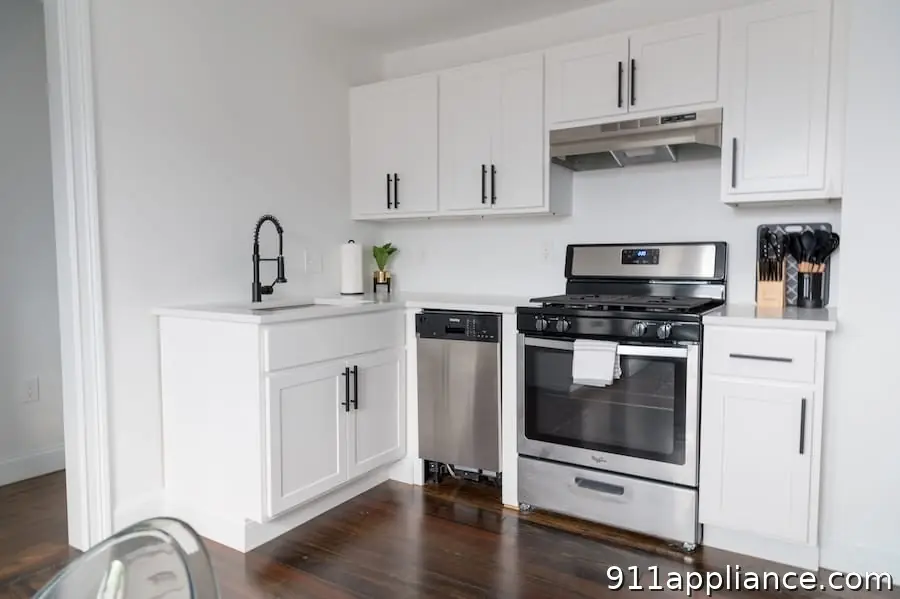
The oven door seal is a crucial component of any oven, as it helps to maintain the temperature inside the oven and prevent heat from escaping. It is a rubber or silicone gasket that is attached to the door of the oven and creates a tight seal when the door is closed. A properly functioning oven door seal is essential for efficient cooking and baking, as well as for safety reasons.
Table of Contents
- Key Takeaways
- Causes of Oven Door Seal Problems
- Importance of Fixing Oven Door Seal Problems
- Simple Troubleshooting Techniques for Oven Door Seal Problems
- DIY Fixes for Oven Door Seal Problems
- Professional Repair Solutions for Oven Door Seal Problems
- Preventing Future Oven Door Seal Problems
- Maintaining Your Oven Door Seal for Longevity
- Enjoying a Well-Functioning Oven Door Seal
- Are the Troubleshooting and Fixes for Oven Door Seal Problems similar to the Solutions for Common Oven Door Dilemmas?
- Oven Door Seal Replacement Cost by Brand
- How to Choose the Right Replacement Oven Door Gasket
- Signs Your Oven Is Losing Heat Through the Door
- Oven Door Seal Maintenance Schedule
- FAQs
- What is an oven door seal?
- What are some signs that my oven door seal is not working properly?
- What are some common causes of oven door seal issues?
- Can I replace the oven door seal myself?
- What are some tips for troubleshooting oven door seal issues?
- What are some fixes for oven door seal issues?
Key Takeaways
- Oven door seal problems can cause heat loss and affect cooking performance.
- Common symptoms include uneven cooking, longer cooking times, and visible damage to the seal.
- Causes of oven door seal problems include wear and tear, improper installation, and damage from spills or cleaning products.
- Fixing oven door seal problems is important for energy efficiency and preventing potential safety hazards.
- Simple troubleshooting techniques include checking for visible damage and ensuring proper installation, while DIY fixes may involve replacing the seal or using sealant. Professional repair solutions may be necessary for more complex issues.
Common Symptoms of Oven Door Seal Problems
There are several common symptoms that indicate a problem with the oven door seal. One of the most noticeable signs is difficulty in closing the oven door. If you find yourself having to apply extra force to close the door or if it doesn’t close completely, it may be due to a faulty seal. Another symptom is heat escaping from the oven. If you notice that your kitchen becomes excessively hot while the oven is in use, it could be a sign that the seal is not working properly. Uneven cooking or baking can also be an indication of a faulty seal, as heat may be escaping from certain areas of the oven more than others. Lastly, visible damage to the seal, such as cracks or tears, is an obvious sign that it needs to be replaced.
Causes of Oven Door Seal Problems
There are several factors that can contribute to oven door seal problems. One of the main causes is wear and tear over time. The constant opening and closing of the oven door can cause the seal to become worn out and less effective at creating a tight seal. Exposure to high temperatures can also cause the seal to deteriorate over time. Additionally, spills or contact with cleaning products can damage the seal and affect its ability to function properly. Poor installation or lack of maintenance can also lead to problems with the oven door seal.
Importance of Fixing Oven Door Seal Problems
| Metrics | Importance |
|---|---|
| Energy Efficiency | Reduces energy consumption and saves money on utility bills |
| Cooking Performance | Ensures even cooking and prevents heat loss, resulting in better quality food |
| Safety | Prevents potential fire hazards and protects from harmful gas emissions |
| Durability | Extends the lifespan of the oven and prevents costly repairs or replacements |
| Aesthetics | Improves the overall appearance of the oven and kitchen |
Fixing oven door seal problems is important for several reasons. Firstly, a properly functioning seal is essential for energy efficiency and cost savings. When the seal is not working properly, heat can escape from the oven, causing it to work harder and use more energy to maintain the desired temperature. This can result in higher energy bills. Secondly, fixing oven door seal problems can improve cooking and baking results. When heat is escaping from the oven, it can lead to uneven cooking or baking, resulting in dishes that are undercooked or overcooked. Lastly, there are safety concerns associated with a faulty oven door seal. If heat is escaping from the oven, it can create a hazardous environment in the kitchen and increase the risk of burns or other accidents.
Simple Troubleshooting Techniques for Oven Door Seal Problems
Before considering more extensive repairs or replacements, there are some simple troubleshooting techniques that can be tried to fix oven door seal problems. One of the first steps is to check for visible damage to the seal. Look for any cracks, tears, or other signs of wear and tear. If there is visible damage, it may be necessary to replace the seal. Another troubleshooting technique is to clean the seal thoroughly. Over time, dirt and debris can accumulate on the seal, affecting its ability to create a tight seal. Use a mild detergent and warm water to clean the seal, making sure to remove any residue or buildup. Lastly, adjusting the door hinges can sometimes help to improve the seal. If the door is not closing properly, it may be due to misaligned hinges. Use a screwdriver to adjust the hinges and ensure that the door closes tightly.
DIY Fixes for Oven Door Seal Problems
If simple troubleshooting techniques do not solve the problem, there are some DIY fixes that can be attempted to fix oven door seal problems. One option is to replace the seal entirely. This can be done by removing the old seal and attaching a new one in its place. Make sure to purchase the correct size and type of seal for your oven model. Another DIY fix is to use a sealant or adhesive to repair any visible damage to the seal. Apply the sealant or adhesive according to the manufacturer’s instructions and allow it to dry completely before using the oven. Lastly, adjusting the door latch can sometimes help to improve the seal. If the latch is not engaging properly, it may be necessary to adjust it so that it creates a tighter seal when the door is closed.
Professional Repair Solutions for Oven Door Seal Problems
If DIY fixes do not solve the problem or if you are not comfortable attempting repairs yourself, it may be necessary to hire a professional repair service. A professional technician will have the knowledge and experience to diagnose and fix oven door seal problems effectively. They may recommend replacing the seal entirely or even replacing the entire door if necessary. While professional repair solutions may be more expensive than DIY fixes, they can provide peace of mind knowing that the problem has been properly addressed.
Preventing Future Oven Door Seal Problems
To prevent future oven door seal problems, regular cleaning and maintenance are essential. Clean the seal regularly using a mild detergent and warm water to remove any dirt or debris. Avoid using harsh cleaning products or abrasive materials that can damage the seal. It is also important to use and care for the oven properly. Avoid slamming the oven door or placing heavy objects on it, as this can cause damage to the seal. Additionally, be mindful of spills and clean them up promptly to prevent damage to the seal.
Maintaining Your Oven Door Seal for Longevity
To ensure the longevity of your oven door seal, there are some tips that can be followed. Firstly, it is recommended to clean the seal at least once a month to remove any dirt or debris that may have accumulated. Use a mild detergent and warm water, and avoid using abrasive materials or harsh cleaning products that can damage the seal. Additionally, it is important to inspect the seal regularly for any signs of wear and tear. If you notice any cracks, tears, or other damage, it may be necessary to replace the seal. Lastly, following a recommended cleaning and maintenance schedule can help to extend the life of your oven door seal. Consult the manufacturer’s instructions or contact a professional technician for guidance on how often to clean and maintain your specific oven model.
Enjoying a Well-Functioning Oven Door Seal
In conclusion, a properly functioning oven door seal is essential for efficient cooking and baking, as well as for safety reasons. Common symptoms of oven door seal problems include difficulty closing the oven door, heat escaping from the oven, uneven cooking or baking, and visible damage to the seal. Causes of these problems can include wear and tear over time, exposure to high temperatures, damage from spills or cleaning products, and poor installation or maintenance. Fixing oven door seal problems is important for energy efficiency and cost savings, improved cooking and baking results, and safety concerns. Simple troubleshooting techniques such as checking for visible damage, cleaning the seal, and adjusting the door hinges can be tried first. If these do not solve the problem, DIY fixes such as replacing the seal, using a sealant or adhesive, or adjusting the door latch can be attempted. If DIY fixes are not successful or if you prefer professional assistance, hiring a professional repair service may be necessary. To prevent future oven door seal problems, regular cleaning and maintenance are important. Following a recommended cleaning and maintenance schedule can help to extend the life of your oven door seal. By taking action to fix any issues with your oven door seal and maintaining it properly, you can enjoy the benefits of a well-functioning oven and achieve optimal cooking and baking results.
If you’re dealing with oven door seal issues, troubleshooting and finding the right fixes can be a real challenge. However, there’s a helpful article on 911 Appliance’s blog that provides valuable insights and solutions to this common problem. From diagnosing the issue to step-by-step instructions on how to replace or repair the oven door seal, this article has got you covered. Check it out here for expert advice and guidance.
Are the Troubleshooting and Fixes for Oven Door Seal Problems similar to the Solutions for Common Oven Door Dilemmas?
When it comes to solving oven door dilemmas, troubleshooting and fixes for oven door seal problems are indeed similar to the solutions for common oven door issues. Both require inspecting the seal for wear, tears, or misalignment, and replacing or adjusting as needed to ensure a proper seal and efficient oven operation.
Oven Door Seal Replacement Cost by Brand
The cost to replace an oven door seal breaks down into two parts: the gasket itself and the labor to install it. The gasket is usually the less expensive piece of the job, while labor covers removing the door liner, routing the new seal into the channel, and verifying the door closes evenly. Across most major brands, the replacement gasket runs roughly $15 to $80, and professional installation typically adds $75 to $150, putting the total repair in the $90 to $230 range for a standard residential oven.
| Brand | Typical Part Cost | Typical Labor Cost | Total Repair Range |
|---|---|---|---|
| GE | $20 to $55 | $80 to $140 | $100 to $195 |
| Whirlpool | $15 to $45 | $75 to $130 | $90 to $175 |
| Samsung | $25 to $65 | $90 to $150 | $115 to $215 |
| LG | $25 to $60 | $90 to $150 | $115 to $210 |
| Bosch | $35 to $80 | $100 to $160 | $135 to $240 |
| Frigidaire | $15 to $50 | $75 to $135 | $90 to $185 |
Bosch tends to sit at the higher end because its gaskets are often molded as part of a door liner assembly rather than a simple push-in rope seal, which raises both the part price and the installation time. Samsung and LG ranges run a bit higher than GE or Whirlpool for the same reason: many of their freestanding and slide-in models use a pressed-in gasket that has to be seated carefully to avoid pinching. If you would rather have a technician handle the whole job, our oven repair service in San Diego covers all of these brands with same-day scheduling.
How to Choose the Right Replacement Oven Door Gasket
Ordering the wrong gasket is the most common reason a DIY seal replacement fails. The fastest way to get the correct part is to pull the model number off your oven, usually printed on a label inside the bottom drawer, on the frame behind the storage drawer, or on the back of the range. With that model number you can look up the exact OEM part number in the manufacturer parts diagram, which guarantees the gasket matches the channel shape, length, and attachment style your door uses.
If the label is missing or unreadable, you can still match a gasket by measuring the old one. Lay the removed seal flat and measure its total length end to end, then note the cross-section shape, whether it is a round bulb, a flat strip, or a D-profile, and how it attaches. Some gaskets press into a groove, others screw into the door liner, and a few slide into a metal channel. A gasket that is the right length but the wrong attachment style will not seat properly and the door will not close.
OEM parts cost a little more but are the safest choice because they are built to the exact dimensions and material spec the oven was designed around. Aftermarket gaskets can work and often cost less, but fit and heat tolerance vary between manufacturers, so a cheap substitute may harden, shrink, or gap within a year. For a deeper walkthrough of the replacement process itself, see our companion guide on fixing oven door seal problems with simple steps.
Signs Your Oven Is Losing Heat Through the Door
A failing door seal rarely announces itself all at once. The symptoms build gradually, and most homeowners notice the cooking problems before they ever think to inspect the gasket. Watch for these five warning signs:
- Longer preheat times. The oven runs longer to reach set temperature because the heating elements keep cycling to make up for heat leaking past the door.
- Uneven baking. Cookies or roasts brown faster on the side nearest the door, where the cooler air pulls heat away from that portion of the cavity.
- High external door temperature. The door glass or handle feels noticeably hotter than it used to, a sign that hot air is reaching the outer panel instead of being contained.
- Visible gaps in the gasket. You can see daylight, a flattened section, or a section that has pulled out of the channel when the door is closed.
- Increased energy bills. A leaky seal forces the oven to run more often and longer, which shows up as a slow creep in your electric or gas usage.
You can confirm a leak in about thirty seconds with a simple paper test. Open the oven door, lay a strip of ordinary paper across the gasket so half hangs outside, then close the door on it. Gently pull the paper outward. You should feel firm, even resistance all the way around the perimeter. Repeat this at several points along the top, sides, and bottom. If the paper slides out with little resistance at any spot, the seal is not making contact there and the gasket needs attention. A spot that holds the paper tightly one day and slips the next is usually the first section to fail.
Oven Door Seal Maintenance Schedule
A little routine care extends a door seal well past its expected life and catches small problems before they turn into a full replacement. The schedule below works for most residential ovens, with the inspection frequency scaled to how hard the oven gets used.
- Weekly: Wipe the gasket with a damp cloth after heavy cooking weeks to remove grease and food residue before it bakes on.
- Monthly: Wash the seal with mild dish soap and warm water, then dry it fully. Check for flattening, cracks, or sections pulling out of the channel.
- Seasonally: Run the paper test around the full perimeter and inspect the door hinges for smooth, even closing. Holiday cooking seasons are a good checkpoint since ovens work hardest then.
- Annually: Have a technician verify the seal and door alignment during a broader oven service visit, especially on gas models where a poor seal affects combustion airflow.
Expected lifespan depends on usage. A lightly used oven, a few times a week at moderate temperatures, can keep a gasket in good shape for 8 to 12 years. A household that bakes or roasts daily, runs self-clean cycles often, or cooks at high temperatures regularly will see the seal harden and compress faster, with a realistic lifespan of 4 to 7 years. Self-clean cycles are especially hard on gaskets because they push the cavity past 900 degrees, which ages the rubber or silicone far faster than normal cooking. If your oven is approaching the higher end of these ranges, plan to inspect the seal more often and budget for replacement before performance drops off.
FAQs
What is an oven door seal?
An oven door seal is a gasket that is located around the perimeter of the oven door. It is designed to create an airtight seal between the oven door and the oven cavity to prevent heat from escaping.
What are some signs that my oven door seal is not working properly?
Some signs that your oven door seal is not working properly include: visible damage to the seal, heat escaping from the oven, longer cooking times, unevenly cooked food, and a buildup of condensation on the oven door.
What are some common causes of oven door seal issues?
Some common causes of oven door seal issues include: wear and tear over time, damage from spills or cleaning, improper installation, and exposure to high temperatures.
Can I replace the oven door seal myself?
Yes, you can replace the oven door seal yourself. However, it is important to make sure you have the correct replacement seal for your oven model and to follow the manufacturer’s instructions carefully.
What are some tips for troubleshooting oven door seal issues?
Some tips for troubleshooting oven door seal issues include: checking for visible damage to the seal, making sure the seal is properly installed, cleaning the seal regularly, and checking for any gaps between the seal and the oven cavity.
What are some fixes for oven door seal issues?
Some fixes for oven door seal issues include: replacing the seal, adjusting the hinges on the oven door, cleaning the seal, and using a sealant to fill any gaps between the seal and the oven cavity.