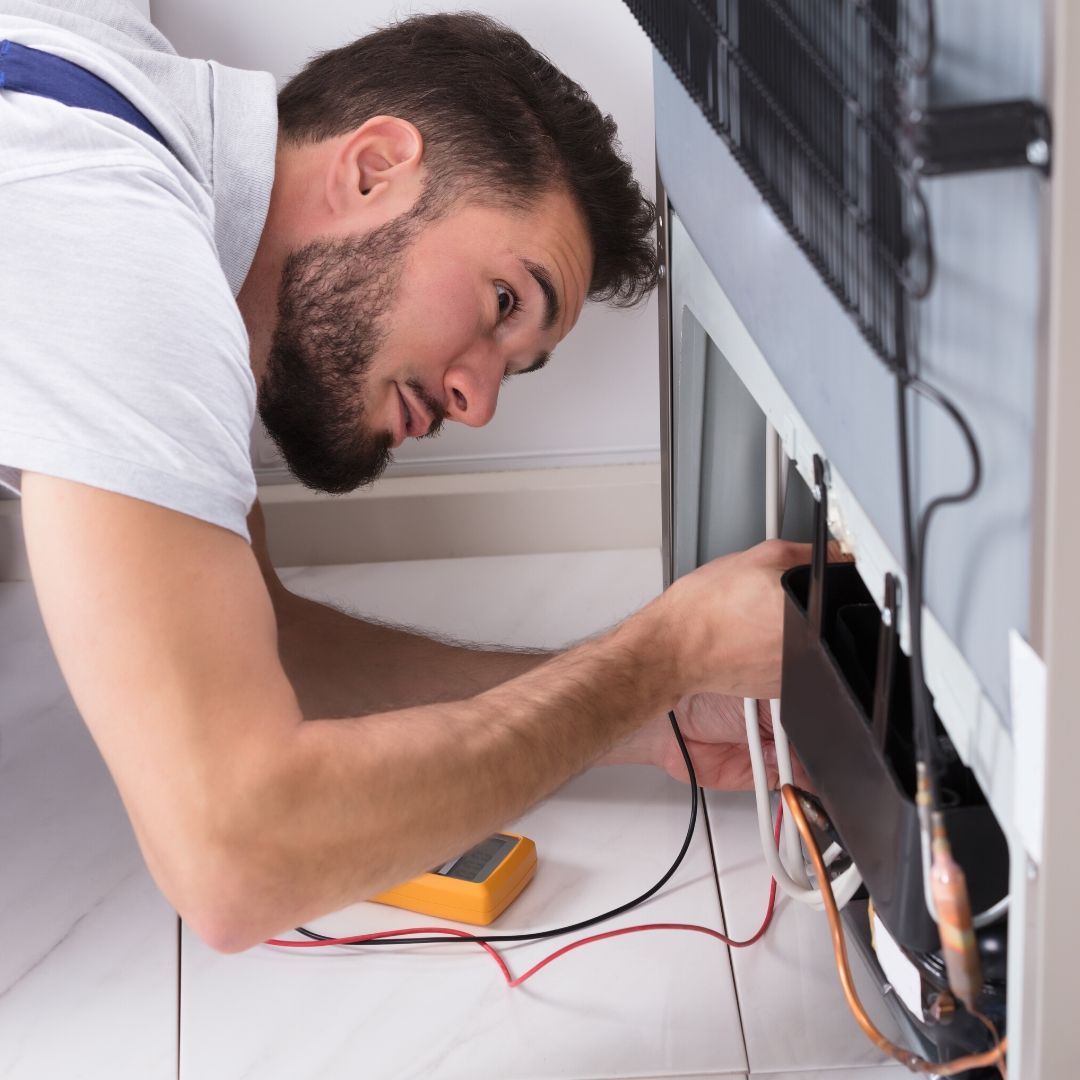
Refrigerator repair services are essential for maintaining the operational efficiency of a kitchen’s central cooling appliance. These services address a range of common and less common refrigerator issues, aiming to restore functionality and prevent food spoilage. The presence of a functioning refrigerator is a cornerstone of modern household management, and its failure can lead to significant disruption.
Table of Contents
- Common Operational Issues
- Temperature Fluctuations
- Less Common but Serious Malfunctions
- The Role of Professional Refrigerator Repair Services
- Diagnostic Procedures
- Repair and Replacement Processes
- Emergency Refrigerator Repair
- Choosing the Right Refrigerator Repair Service
- Vetting Potential Service Providers
- Cost Considerations and Transparency
- The Importance of Manufacturer-Authorized Services
- Preventative Maintenance for Refrigerator Longevity
- Regular Cleaning Protocols
- Maintaining Optimal Operational Conditions
- Monitoring for Early Warning Signs
- Advanced Refrigerator Technologies and Their Maintenance
- Smart Refrigerator Features
- Energy-Efficient Designs
- Specialized Cooling Systems
- When to Call a Professional for Refrigerator Repair
- Situations Requiring Professional Intervention
- The Value Proposition of Professional Repair
Refrigerators, while designed for durability, are complex electromechanical systems susceptible to various forms of wear and tear. Understanding the typical symptoms of malfunction can assist homeowners in identifying problems early and seeking appropriate professional help. Prompt identification often translates to more straightforward and cost-effective repairs.
Common Operational Issues
Several operational issues are frequently encountered by refrigerator owners. These range from subtle changes in performance to complete system failure.
Temperature Fluctuations
Inconsistent internal temperatures, either too warm or too cold, are a primary indicator of a problem. This can manifest as produce wilting prematurely or ice cream becoming soft. The refrigerator’s thermostat, a crucial component for regulating internal climate, may be malfunctioning or miscalibrated. Alternatively, a faulty compressor, the heart of the cooling system, could be struggling to maintain the set temperature.
Causes of Temperature Inconsistency
- Thermostat Failure: The thermostat acts as the brain, telling the compressor when to turn on and off to maintain the desired temperature. If it’s not sending accurate signals, the cooling cycle will be disrupted.
- Faulty Evaporator Fan Motor: This fan circulates cold air from the freezer compartment into the refrigerator. If it’s not working, the refrigerator section may not get cold enough, even if the freezer is fine.
- Blocked Air Vents: Obstructions in the air vents, often caused by food items, can prevent proper airflow, leading to uneven cooling.
- Defrost System Problems: The defrost system prevents ice buildup on the evaporator coils. If it malfunctions, ice can accumulate, insulating the coils and reducing cooling efficiency.
- Dirty Condenser Coils: These coils, usually located at the back or bottom of the refrigerator, dissipate heat. If they are covered in dust and debris, the refrigerator cannot effectively release heat, leading to increased internal temperatures.
Ice Buildup
Excessive ice accumulation, particularly in the freezer compartment or around the door seals, is another prevalent issue. This can impede the opening and closing of doors and reduce the effectiveness of the cooling system. In severe cases, it can lead to operational failure.
Contributing Factors to Ice Formation
- Faulty Door Seals (Gaskets): Damaged or worn-out door seals allow warm, humid air to enter the refrigerator. This moisture condenses and freezes, leading to ice buildup.
- Defrost Heater Malfunction: The defrost heater is designed to melt any accumulated frost on the evaporator coils. If it fails, frost will continue to build up.
- Defrost Timer or Control Board Issues: These components are responsible for initiating the defrost cycle. A fault in either can prevent the cycle from running, allowing ice to accumulate.
- Evaporator Fan Motor Problems: As mentioned earlier, if the evaporator fan isn’t circulating cold air effectively, it can contribute to localized frost formation.
Unusual Noises
Refrigerators typically produce some operational sounds, such as the hum of the compressor or the gentle whir of fans. However, new or unusual noises like grinding, buzzing, clanking, or screaming can indicate specific mechanical problems.
Identifying Problematic Sounds
- Buzzing or Humming: A persistently loud buzzing or humming might suggest an issue with the defrost timer or the compressor struggling to start.
- Clicking: Frequent clicking sounds could indicate a failing defrost timer or a problem with the start relay for the compressor.
- Grinding or Squealing: These sounds often point to a problem with a motor, such as the condenser fan motor or the evaporator fan motor. The bearings within these motors may be worn out.
- Water Dripping or Gurgling: While some water sounds are normal during the defrost cycle, excessive or constant dripping can indicate a clogged defrost drain or a leak in the water supply line (if applicable).
Leaks
Water pooling around or under the refrigerator is a clear sign of a leak. These can stem from various internal components and require prompt attention to prevent water damage to flooring and cabinets.
Sources of Refrigerator Leaks
- Clogged Defrost Drain Line: The defrost cycle can produce water which should drain away. If the drain line becomes blocked with ice or debris, the water will back up and leak into the refrigerator or onto the floor.
- Cracked or Disconnected Water Lines: For refrigerators with ice makers or water dispensers, a cracked or improperly connected water line can lead to significant leaks.
- Faulty Water Inlet Valve: This valve controls the flow of water into the ice maker or dispenser. If it fails to close properly, it can cause a continuous drip or leak.
- Condensation Pan Issues: The condensation pan collects water from the defrost cycle. If it’s cracked or overflowing, it will leak.
Less Common but Serious Malfunctions
Beyond the everyday issues, some refrigerator problems are less frequent but carry greater implications for the appliance’s longevity and the owner’s safety.
Compressor Failure
The compressor is the workhorse of the refrigeration system, responsible for circulating refrigerant. Its failure is a significant problem.
Symptoms of Compressor Issues
- Complete Lack of Cooling: If neither the refrigerator nor the freezer compartments are cooling, the compressor is a prime suspect.
- Intermittent Cooling: The refrigerator might cool sporadically, with long periods of inaction.
- Loud Humming or Buzzing: A compressor on its way out might make unusual noises as it attempts to operate.
- Compressor Not Running: If you hear clicks but the compressor itself doesn’t engage, it could be a faulty start relay or a completely failed compressor.
Refrigerant Leaks
Refrigerant is the substance that absorbs heat from inside the refrigerator and releases it outside. A leak means the cooling medium is escaping.
Identifying Refrigerant Leak Signs
- Gradual Loss of Cooling: This is often the first sign, as the refrigerant level slowly depletes.
- Hisssing or Bubbling Sounds: In some cases, a faint hissing or bubbling sound might be audible as refrigerant escapes.
- Oily Residue: Refrigerant oil can sometimes leak out with the refrigerant, leaving an oily residue on internal components.
- Freezer Not Freezing: The freezer compartment, which is typically colder, is often the first to experience a significant loss of cooling.
If you’re interested in learning more about the intricacies of appliance repair, you might find this article on small appliance repair services particularly helpful. It provides insights into various repair techniques and common issues faced by homeowners. For more information, you can read the article here: Overview of Small Appliance Repair.
The Role of Professional Refrigerator Repair Services
Professional refrigerator repair services provide specialized knowledge and tools to diagnose and rectify a wide spectrum of refrigerator issues. Their intervention ensures that repairs are performed correctly, minimizing the risk of further damage and extending the appliance’s operational lifespan.
Diagnostic Procedures
Skilled technicians employ systematic diagnostic approaches to pinpoint the root cause of a refrigerator malfunction. This begins with a thorough visual inspection and moves to component testing.
Initial Assessment and Inspection
Upon arrival, a technician will typically:
- Customer Interview: The technician will listen to your description of the problem, including when it started, any unusual sounds, and specific symptoms.
- Visual Examination: This involves checking for obvious signs of damage, leaks, or obstructions. They will inspect door seals, internal components, and external connections.
- Operational Observation: The technician will observe the refrigerator’s operation, listening for unusual noises and monitoring temperature changes.
Component Testing
Once the initial assessment is complete, the technician will proceed to test individual components to verify their functionality.
Testing Key Components
- Thermostat and Temperature Sensors: Using multimeters and specialized diagnostic tools, technicians can confirm if thermostats and temperature sensors are providing accurate readings and responding to changes.
- Fan Motors: The condenser fan motor (located near the compressor) and the evaporator fan motor (inside the freezer) are tested for proper rotation and amperage draw.
- Compressor: The compressor’s operation is assessed by checking its electrical connections, start relay, and overall running performance.
- Defrost System: Components like the defrost heater, defrost thermostat, and defrost timer or control board are tested to ensure they are functioning correctly.
- Water Inlet Valve and Dispenser Components: For models with ice makers and dispensers, these parts are tested for leaks and proper operation.
- Wiring and Electrical Connections: Technicians will check for loose or damaged wiring that could disrupt power flow to various components.
Repair and Replacement Processes
Following a precise diagnosis, the repair process involves either fixing the identified issue or replacing faulty components to restore the refrigerator’s functionality.
Common Repair Scenarios
Many common issues can be addressed with specific repair steps.
Examples of Repairs
- Cleaning Condenser Coils: This is a routine maintenance task that can resolve cooling issues caused by heat dissipation problems.
- Replacing Door Seals: If the gaskets are torn or warped, they are replaced to create an airtight seal.
- Clearing Blocked Drains: Technicians use specialized tools to unblock defrost drain lines, preventing leaks and frost buildup.
- Repairing or Replacing Fan Motors: If a fan motor is faulty, it is either repaired (if possible) or replaced entirely.
Component Replacement
When a component is beyond repair, replacement is necessary to ensure the refrigerator operates correctly. This requires access to original equipment manufacturer (OEM) or compatible aftermarket parts.
Considerations for Replacement Parts
- Part Availability: Technicians must be able to source the correct part for your specific refrigerator model.
- Quality of Parts: Using high-quality replacement parts, whether OEM or reputable generics, is crucial for the longevity of the repair.
- Cost of Parts: The cost of replacement parts can vary significantly, impacting the overall repair bill.
Emergency Refrigerator Repair
In situations where a refrigerator fails unexpectedly, particularly in warm weather, prompt repair becomes critical to prevent substantial food spoilage. Emergency services offer a rapid response to such urgent needs.
Recognizing the Need for Emergency Service
Certain situations warrant immediate professional attention:
- Complete Loss of Cooling: If both the refrigerator and freezer are no longer cooling, food safety is immediately compromised.
- Significant Water Leaks: Large volumes of water can cause immediate property damage.
- Unusual and Alarming Noises: Loud, persistent noises that suggest imminent mechanical failure should be addressed quickly.
Benefits of Emergency Repair
- Minimizing Food Spoilage: The primary benefit is saving perishable food items from spoiling, which can be a significant financial loss.
- Preventing Further Damage: Prompt attention can sometimes prevent a minor issue from escalating into a more severe and costly problem.
- Restoring Essential Functionality: A functioning refrigerator is fundamental to daily life. Emergency services restore this essential appliance quickly.
Choosing the Right Refrigerator Repair Service

Selecting a reputable and capable repair service is paramount to ensuring a satisfactory outcome. Several factors should be considered when making this choice.
Vetting Potential Service Providers
A little due diligence can go a long way in finding a reliable repair technician.
Key Attributes to Look For
- Licensing and Insurance: Ensure the service provider is licensed and insured. This provides a layer of protection for you and your property.
- Experience and Specialization: Look for services that have significant experience specifically with refrigerator repair and with your brand of refrigerator if possible.
- Customer Reviews and Testimonials: Online reviews and testimonials from previous customers can offer valuable insights into the service provider’s reliability, professionalism, and quality of work.
- Warranty on Repairs: A reputable service will offer a warranty on the parts they replace and the labor they perform. This demonstrates confidence in their work.
Cost Considerations and Transparency
Understanding pricing and potential costs is essential before authorizing any work.
Elements of Repair Costs
- Diagnostic Fee: Most services charge a fee for coming to your home and diagnosing the problem. This fee is often applied towards the total repair cost if you proceed with the repair.
- Labor Costs: This is typically an hourly rate or a flat fee for the repair work.
- Parts Costs: The price of any replacement parts will be added to the bill.
- Emergency Service Surcharges: If you require immediate service outside of standard business hours, be prepared for potentially higher fees.
Seeking Written Estimates
Always request a written estimate for the repair work before the technician begins. This should detail the estimated cost of parts and labor.
The Importance of Manufacturer-Authorized Services
For certain brands, or when the appliance is under warranty, manufacturer-authorized services may be the best option.
Advantages of Authorized Technicians
- Specific Brand Knowledge: Authorized technicians are trained by the manufacturer and possess in-depth knowledge of specific models and their unique components.
- Access to Genuine Parts: They often have direct access to genuine OEM parts, ensuring perfect compatibility and quality.
- Warranty Compliance: Using an authorized service is often a requirement to keep the manufacturer’s warranty valid.
Preventative Maintenance for Refrigerator Longevity
While professional repairs are necessary when issues arise, implementing a routine preventative maintenance schedule can significantly prolong a refrigerator’s lifespan and reduce the need for costly repairs. This proactive approach is akin to regularly servicing a car.
Regular Cleaning Protocols
Simple cleaning tasks can have a substantial impact on a refrigerator’s performance and efficiency.
Cleaning the Exterior
- Door Handles and Surfaces: Regular wiping down of the exterior, especially door handles, helps maintain hygiene and appearance.
- Wipe Down Spills Immediately: Promptly cleaning any spills inside or outside the refrigerator prevents staining and the potential for odors.
Cleaning the Interior
- Empty and Wipe Down Shelves and Drawers: Periodically remove all food items and thoroughly clean the interior using a mild detergent and water. Dry surfaces thoroughly.
- Check and Clean Drip Pan: If accessible, clean the condensation drip pan to prevent odor buildup and potential leaks.
Maintaining Optimal Operational Conditions
Beyond cleaning, ensuring the refrigerator operates under ideal conditions contributes to its longevity.
Condenser Coil Cleaning
This is arguably the most crucial preventative maintenance task. Dirty condenser coils force the compressor to work harder, consuming more energy and leading to premature wear.
Frequency and Method
- Frequency: Condenser coils should ideally be cleaned every 6 to 12 months, depending on the environment. Homes with pets may require more frequent cleaning to remove pet hair.
- Method: Unplug the refrigerator. Use a vacuum cleaner with a brush attachment or a specialized condenser coil brush to gently remove dust and debris. Avoid bending the delicate fins of the coils.
Checking and Cleaning Door Seals (Gaskets)
Worn or dirty door seals allow cold air to escape and warm air to enter, forcing the refrigerator to cycle more frequently.
Inspection and Cleaning
- Inspection: Periodically inspect the seals for cracks, tears, or a loss of pliability.
- Cleaning: Clean door seals with mild soap and water. A small amount of petroleum jelly or mineral oil can be applied to rubber seals to keep them supple.
- The $1 Bill Test: Close the refrigerator door on a dollar bill. If you can easily pull the bill out, the seal is likely compromised and may need replacement.
Ensuring Proper Airflow
Proper airflow is critical for efficient cooling.
Obstructions to Avoid
- Inside the Refrigerator: Do not overpack the refrigerator. Ensure food items are not blocking the air vents that circulate cold air.
- Outside the Refrigerator: Ensure there is adequate space behind and around the refrigerator for ventilation. Consult your owner’s manual for recommended clearances.
Monitoring for Early Warning Signs
Paying attention to subtle changes in your refrigerator’s performance can help catch issues before they become major problems.
Recognizing Subtle Performance Shifts
- Increased Running Time: If the compressor seems to be running for longer periods than usual, investigate.
- Slight Temperature Variations: Even minor shifts in internal temperature can be an early indicator of a developing problem.
- Unusual Odors: While some odors are due to food, persistent or unusual smells could indicate a mechanical issue.
If you’re experiencing issues with your refrigerator, understanding common problems can be incredibly helpful. One related article that provides valuable insights is about troubleshooting common knob and control panel problems, which can often lead to malfunctioning appliances. You can read more about it here. Knowing these issues can assist you in determining whether you need professional fridge repair services or if it’s something you can fix on your own.
Advanced Refrigerator Technologies and Their Maintenance
| Service Type | Average Repair Time (hours) | Common Issues Fixed | Customer Satisfaction (%) | Warranty Period (months) | Average Cost |
|---|---|---|---|---|---|
| Compressor Replacement | 3-5 | Compressor failure, overheating | 85 | 12 | 150-300 |
| Thermostat Repair | 1-2 | Temperature inconsistency, thermostat failure | 90 | 6 | 50-100 |
| Door Seal Replacement | 1 | Air leaks, poor cooling | 92 | 6 | 40-80 |
| Condenser Coil Cleaning | 0.5-1 | Overheating, inefficient cooling | 88 | 3 | 30-60 |
| Defrost System Repair | 2-3 | Frost buildup, cooling issues | 87 | 6 | 80-150 |
Modern refrigerators incorporate a host of advanced technologies aimed at enhancing efficiency, convenience, and food preservation. Understanding these features and their specific maintenance needs is becoming increasingly important.
Smart Refrigerator Features
“Smart” refrigerators connect to home Wi-Fi networks and offer features like remote temperature monitoring, inventory management via internal cameras, and integration with smartphone apps.
Maintenance of Smart Components
- Software Updates: Like any connected device, smart refrigerators may require periodic software updates to ensure optimal performance and security. These are typically handled through the appliance’s interface or companion app.
- Network Connectivity: Ensuring a stable Wi-Fi connection is crucial for these features to function correctly.
- Calibration of Sensors: Internal cameras and temperature sensors may require occasional calibration to maintain accuracy. Consult the user manual for specific instructions.
Energy-Efficient Designs
Manufacturers are increasingly focused on producing refrigerators that consume less energy, often through improved insulation, high-efficiency compressors, and advanced cooling systems.
Maintaining Peak Energy Efficiency
- Regular Coil Cleaning: As discussed, clean condenser coils are vital for maintaining energy efficiency.
- Door Seal Integrity: Maintaining intact door seals prevents energy loss.
Specialized Cooling Systems
Some high-end models feature dual-cooling systems, separate evaporators for the refrigerator and freezer, or specialized crispers designed to maintain specific humidity levels for different types of produce.
Specific Maintenance Requirements
- Separate Evaporator Support: Understanding how these dual systems work is key. Any issues with one system should not be assumed to affect the other, but a technician proficient in these advanced systems is recommended.
- Humidity Control: Ensuring that humidity control drawers and vents are clean and unobstructed is important for their intended function.
If you’re considering fridge repair services, it’s essential to understand the potential costs involved. A helpful resource that breaks down common appliance repair expenses can provide valuable insights into what you might expect to pay. For more information on this topic, you can check out this article on common appliance repair expenses. Being informed can help you make better decisions when it comes to maintaining your refrigerator and other essential appliances.
When to Call a Professional for Refrigerator Repair
While some minor issues can be addressed by the homeowner, many refrigerator problems necessitate the expertise of a trained professional. Knowing when to call for service is a skill that can save time, money, and frustration.
Situations Requiring Professional Intervention
- Complex Mechanical Failures: Issues involving the compressor, sealed refrigerant system, or complex electronic control boards are best left to qualified technicians.
- Persistent or Recurring Problems: If a problem has been addressed but keeps returning, it may indicate a deeper underlying issue that requires expert diagnosis.
- Lack of Confidence or Tools: If you are uncomfortable performing a repair or lack the necessary specialized tools or knowledge, it is safer and more effective to call a professional.
- Warranty Concerns: For appliances still under warranty, attempting DIY repairs can void the warranty. Always consult the warranty terms before proceeding with any repairs.
The Value Proposition of Professional Repair
Investing in professional repair offers several benefits that outweigh the cost for many situations.
Expertise and Experience
- Accurate Diagnosis: Professionals possess the knowledge and tools to quickly and accurately diagnose the problem, preventing misdiagnosis and unnecessary part replacements.
- Efficient Repairs: Their experience allows them to perform repairs efficiently, often in a single visit.
Safety and Assurance
- Electrical Safety: Refrigerators involve electrical components. Professionals are trained to handle these safely, preventing electrical hazards.
- Refrigerant Handling: Handling refrigerants requires specific licenses and equipment to comply with environmental regulations and ensure safety.
- Warranty on Work: As mentioned, reputable services provide warranties, offering peace of mind.
Ultimately, a well-maintained and functional refrigerator is a cornerstone of a well-functioning kitchen. Professional repair services play a vital role in ensuring this essential appliance continues to perform its critical cooling duties, safeguarding your food supply and contributing to the smooth operation of your household. Regular attention and timely intervention are the keys to keeping your kitchen cool and your refrigerator operational for years to come.