Table of Contents
- Condensation Drying: The Bosch Approach
- AutoOpen® Drying: A Bosch Innovation
- CrystalDry™ Technology: An Advanced Drying Solution
- Common Causes of Poor Drying in Your Bosch Dishwasher
- Rinse Aid: Your Secret Weapon for Dryness
- Loading Techniques: Giving Water the Cold Shoulder
- Cycle Selection: Choosing the Right Program for the Job
- The Importance of Patience: Letting the Cycle Finish
- Advanced Troubleshooting: When Basic Checks Aren’t Enough
- Checking Heating Components: The Source of the Heat
- Inspecting the Vent System: Airflow is Crucial
- The Drain Pump and Filter: Water Must Go
- Bosch-Specific Drying Features and Considerations
- Utilizing AutoOpen® and CrystalDry™ Effectively
- Consulting Your Bosch Dishwasher Manual
- When All Else Fails: Contacting Bosch Support
- Bosch Dishwasher Drying Performance by Model Series
- Bosch 300 Series
- Bosch 500 Series
- Bosch 800 Series
- Bosch Benchmark Series
- Common Bosch Dishwasher Drying Parts and Their Costs
- Heating Element / Flow-Through Heater
- Rinse Aid Dispenser
- AutoOpen Mechanism
- CrystalDry Zeolite Module
- Vent Fan and Vent Assembly
- Step-by-Step: Testing Your Bosch Dishwasher’s Drying System
- When to Call a Professional for Bosch Dishwasher Drying Issues
- DIY-Safe Repairs
- Repairs That Typically Require a Technician
- FAQs
- 1. Why is my Bosch dishwasher not drying at the end of the cycle?
- 2. How can I troubleshoot my Bosch dishwasher’s drying issue?
- 3. What can I do to improve the drying performance of my Bosch dishwasher?
- 4. Should I contact customer support if my Bosch dishwasher is not drying properly?
- 5. Are there any maintenance tasks I should perform to prevent drying issues in my Bosch dishwasher?
You’ve spent valuable time loading your Bosch dishwasher, anticipating the gleam of clean, dry dishes. But when the cycle finishes, you’re met with a disheartening scene: water droplets clinging stubbornly to your plates, cups, and cutlery. This isn’t just an inconvenience; it can lead to water spots, streaks, and extra drying time with a towel. Fortunately, most Bosch dishwasher drying issues are not insurmountable and can be effectively troubleshot with a systematic approach. This guide will walk you through common culprits and their solutions, empowering you to restore your dishwasher’s drying prowess.
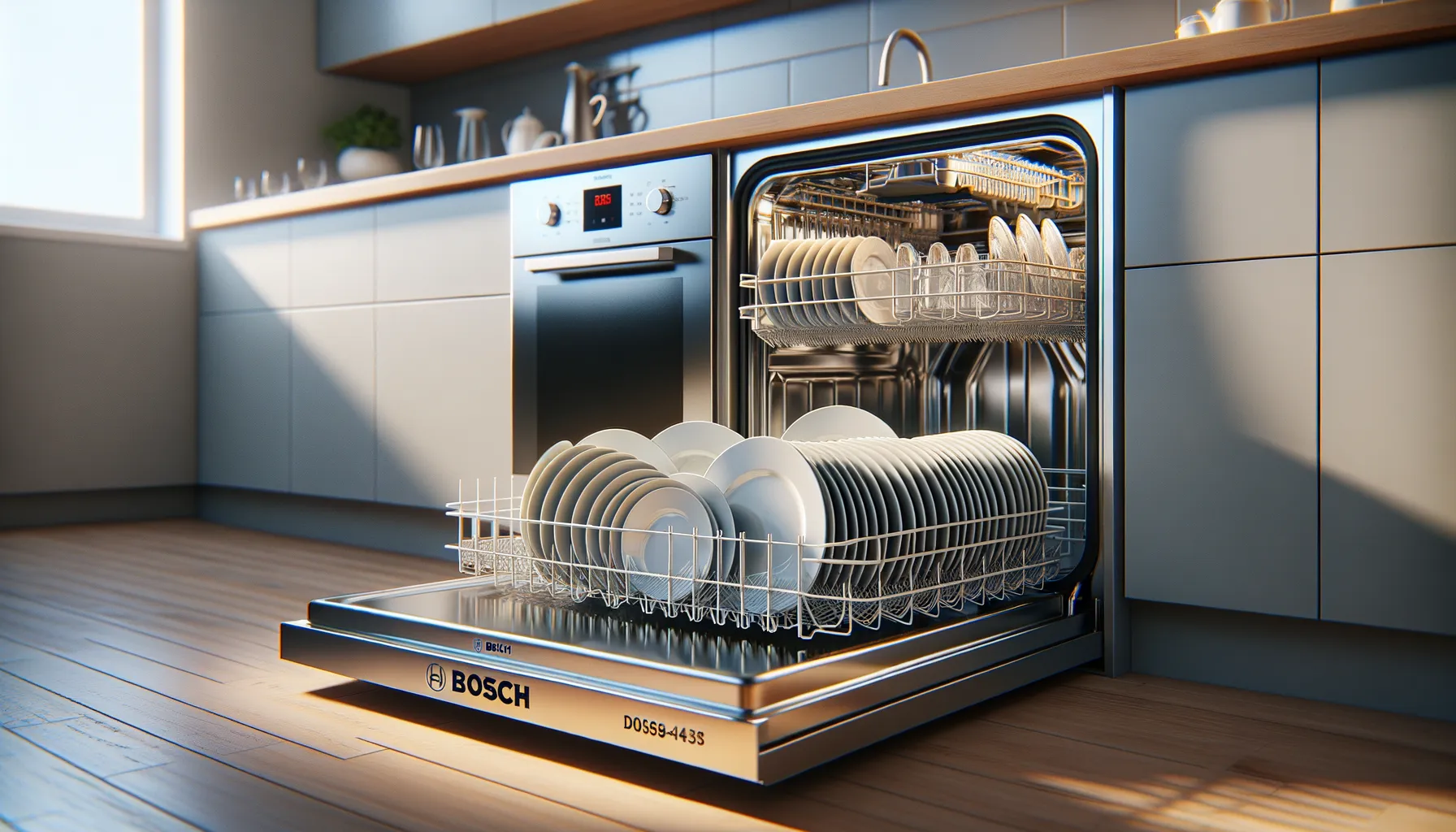
Before you start tinkering, it’s crucial to understand how your Bosch dishwasher achieves its drying results. Unlike older models with prominent heating elements, many modern Bosch dishwashers, especially those employing condensation drying technology, rely on a different principle. This understanding will inform your troubleshooting steps and help you avoid unnecessary interventions.
Condensation Drying: The Bosch Approach
Many Bosch dishwashers utilize a sophisticated condensation drying system. This method leverages the residual heat from the wash and rinse cycles coupled with cool air to achieve dryness. The hot rinse water heats the dishes and the interior of the dishwasher. As this hot, moist air comes into contact with the cooler stainless steel tub, the moisture condenses. This condensed water then drains away.
- The Absence of a Visible Heating Element: You might notice the absence of a traditional exposed heating element at the bottom of your Bosch dishwasher tub, especially in models with stainless steel interiors. This is a hallmark of condensation drying. While it’s an energy-efficient and effective method, it relies on specific conditions and proper user interaction to function optimally.
- The Role of the Final Rinse: The final rinse cycle is critical in condensation drying. It uses the hottest possible water to heat up the dishes and the interior. This elevated temperature is what drives the condensation process. Factors that affect the temperature of this final rinse will directly impact drying performance.
- The Impact of Airflow: Effective condensation drying also depends on proper airflow. This means ensuring there are no obstructions that prevent the moist air from circulating and condensing. Likewise, controlled air exchange can aid in removing the condensed moisture.
AutoOpen® Drying: A Bosch Innovation
Some Bosch dishwasher models are equipped with the innovative AutoOpen® drying feature. This is designed to enhance the natural drying process by automatically slightly opening the dishwasher door at the end of the cycle.
- How AutoOpen® Works: Once the drying cycle is complete and the dishwasher has cooled sufficiently, the door will gently unlatch and open a few inches. This release of internal pressure allows moist air to escape and fresh, drier air to circulate within the tub.
- Benefits of AutoOpen®: This feature significantly improves drying efficiency, particularly for plastic items that tend to retain moisture. It also helps to prevent odors and mildew buildup by allowing the interior to air out.
- When to Expect AutoOpen®: It’s important to remember that AutoOpen® is typically activated after the cooling phase of the drying cycle. You won’t see it immediately at the end of the wash. Patience is key, especially with this feature. Do not manually open the door if your model has AutoOpen®, as this defeats the purpose of controlled air circulation.
CrystalDry™ Technology: An Advanced Drying Solution
For the ultimate in drying performance, some premium Bosch models feature CrystalDry™ technology. This cutting-edge system utilizes natural zeolith minerals to absorb moisture and generate heat, resulting in exceptionally dry dishes, even plastics.
- The Zeolith Mineral: At the core of CrystalDry™ is a compartment filled with zeolith minerals. These minerals have the remarkable ability to absorb moisture and, in doing so, release significant heat.
- The CrystalDry™ Cycle: During the drying phase, the zeolith minerals become activated by the residual heat and moisture. They absorb the water vapor from the air, converting it into heat that further dries your dishes. This process is highly efficient and requires no additional energy input.
- Achieving Superior Dryness: CrystalDry™ is particularly effective at drying plastics, which often come out damp or even wet with conventional drying methods. If your Bosch model boasts this feature, understanding its operation can help you appreciate its superior drying capabilities. Once you’ve experienced CrystalDry™, you’ll wonder how you ever lived without it.
If you’re experiencing issues with your Bosch dishwasher not drying properly at the end of the cycle, you might find it helpful to explore related appliance problems and solutions. For instance, understanding common issues with other household appliances can provide insights into troubleshooting techniques. A great resource is the article on LG fridge repair, which discusses various common problems and fixes that can be applied to different appliances. You can read more about it here: LG Fridge Repair Guide: Common Problems & Fixes.
Common Causes of Poor Drying in Your Bosch Dishwasher
Many factors can contribute to your Bosch dishwasher not drying dishes effectively. Fortunately, most of these are user-correctable. Let’s delve into the most frequent culprits:
Rinse Aid: Your Secret Weapon for Dryness
This is, without question, the most common and easily remedied cause of poor drying. Rinse aid is not merely a pleasant-smelling additive; it’s a crucial component in achieving spot-free and dry dishes.
- What Rinse Aid Does: Rinse aid is a surfactant. This means it reduces the surface tension of water. When water has a lower surface tension, it forms thinner sheets on your dishes rather than clinging in individual droplets. These thinner sheets evaporate much more quickly and evenly.
- Checking and Refilling the Dispenser: Locate the rinse aid dispenser, usually a small, translucent compartment on the inside of your dishwasher door. If it’s empty, refill it with a good quality rinse aid. Most dispensers have an indicator to show when the rinse aid level is low.
- Adjusting the Dispenser Level: Bosch dishwashers often have adjustable rinse aid dispenser settings. If you’re consistently experiencing poor drying, even with a full dispenser, try increasing the setting. A medium to high setting is generally recommended for optimal drying, especially in areas with hard water. Experiment with the settings in small increments to find the perfect balance. Avoid overfilling, as this can lead to excess rinse aid residue on your dishes.
- The Importance of Consistency: Ensure you never run out of rinse aid. Make it a habit to check the dispenser regularly, just as you would your dishwasher detergent. The benefits of consistent rinse aid usage for drying are substantial.
Loading Techniques: Giving Water the Cold Shoulder
How you load your dishwasher is just as critical as the detergent and rinse aid you use. Improper loading can create water traps and prevent proper airflow, leaving your dishes wet.
- Creating Space is Key: Each item in your dishwasher needs adequate space around it. This is essential for several reasons:
- Water Drainage: Water needs to be able to drain freely from all surfaces. If dishes are nested or touching too closely, water will pool in these areas.
- Heat Distribution: For condensation drying, hot air needs to circulate freely to heat the dishes and the interior of the tub. Overcrowding prevents this.
- Spray Arm Clearance: Ensure that no items are obstructing the rotation of the upper and lower spray arms. The spray arms are responsible for delivering water to every nook and cranny – if they can’t spin freely, certain areas won’t get the thorough washing and rinsing they need, which in turn affects drying.
- Dish Placement Best Practices:
- Upper Rack: Place glasses, cups, and smaller bowls facing downwards. Ensure they are not touching each other. Utensils with handles facing upwards can be helpful for cleaning, but for drying, consider laying them on their sides in the basket to prevent water from pooling in the scoop.
- Lower Rack: Larger plates and pots should be placed facing inwards or angled away from the center to allow water to drain towards the drain. Avoid leaning them against each other.
- Cutlery Basket: Ideally, place cutlery handles down for better cleaning, but for drying, mix it up. Some handles up, some down, or lay them on their sides in the basket can improve drainage. Avoid overcrowding the cutlery basket; small items can easily block water from reaching others.
- The “Don’t Overcrowd” Mantra: It’s tempting to cram as much as possible into a single load, but this is counterproductive when it comes to drying. If your Bosch dishwasher isn’t drying well, take a moment to re-examine your loading habits. You might be surprised at the difference a little more space can make.
Cycle Selection: Choosing the Right Program for the Job
Not all dishwasher cycles are created equal, especially when it comes to drying performance. Selecting the appropriate cycle can significantly improve your results.
- Understanding Cycle Differences: Dishwasher cycles vary in their wash temperatures, rinse times, and drying durations/intensities.
- High Temperatures = Better Drying: Cycles that utilize higher final rinse temperatures are more effective for condensation drying. The hotter the dishes and the interior, the more condensation will occur, leading to better drying.
- Extended Drying Times: Some cycles incorporate longer drying phases or additional heat for more thorough dryness.
- Optimal Cycles for Drying:
- Auto/Sensor Cycles: These cycles use sensors to detect the level of soil and water and adjust the wash and rinse times and temperatures accordingly. They often default to higher temperatures for optimal cleaning and drying.
- Normal/Intensive Cycles: These are typically robust cycles with sufficient heat and duration for good all-around performance, including drying.
- Heavy Duty/Pots & Pans: These cycles use higher temperatures and longer wash times, which naturally lead to better drying.
- Sanitize Cycles: These cycles are designed to reach very high temperatures to kill bacteria, which also translates to excellent drying.
- Extra Dry / Intensive Dry: Many Bosch models offer an “Extra Dry” or “Intensive Dry” option that can be selected in conjunction with other cycles. This is a direct boost for drying performance and is highly recommended if your model has it.
- Cycles to Avoid for Drying:
- Eco/Economy Cycles: While energy-efficient, these cycles often use lower water temperatures and shorter drying periods to conserve resources. This can significantly compromise drying.
- Quick Wash Cycles: These cycles are designed for lightly soiled items that need a fast clean, not for thorough drying. They typically have reduced wash times, lower temperatures, and shorter drying phases.
- Consult Your Manual: Your Bosch dishwasher manual will provide specific details about each cycle and its intended purpose. Refer to it to understand which cycles are best suited for maximizing drying.
The Importance of Patience: Letting the Cycle Finish
This might seem obvious, but a common mistake, especially with Bosch’s advanced drying technologies, is prematurely opening the door.
- Bosch Drying is Often Passive: As mentioned, many Bosch dishwashers rely on condensation and natural cooling for drying. This process takes time.
- The “Don’t Open the Door” Rule: Resist the urge to open the dishwasher door immediately after the cycle finishes. Especially with condensation drying models, the interior is still hot and moist. Opening the door too soon can release this heat and steam, hindering the final condensation and evaporation process.
- Waiting for AutoOpen®: If your Bosch dishwasher has AutoOpen® functionality, the door will open itself when it’s time. Do not interfere with this process. The system is designed to optimize drying by allowing controlled air exchange.
- Allowing the Tub to Cool: Even without AutoOpen®, allow the dishwasher tub to cool down for at least 15-30 minutes after the cycle completion signal. This allows residual heat to dissipate and any remaining moisture to evaporate or condense and drain.
- The Benefit of a Full Cycle: Trust the engineering of your Bosch dishwasher. Allowing the full drying and cooling phases to complete will almost always yield better results than interrupting the process.
Advanced Troubleshooting: When Basic Checks Aren’t Enough
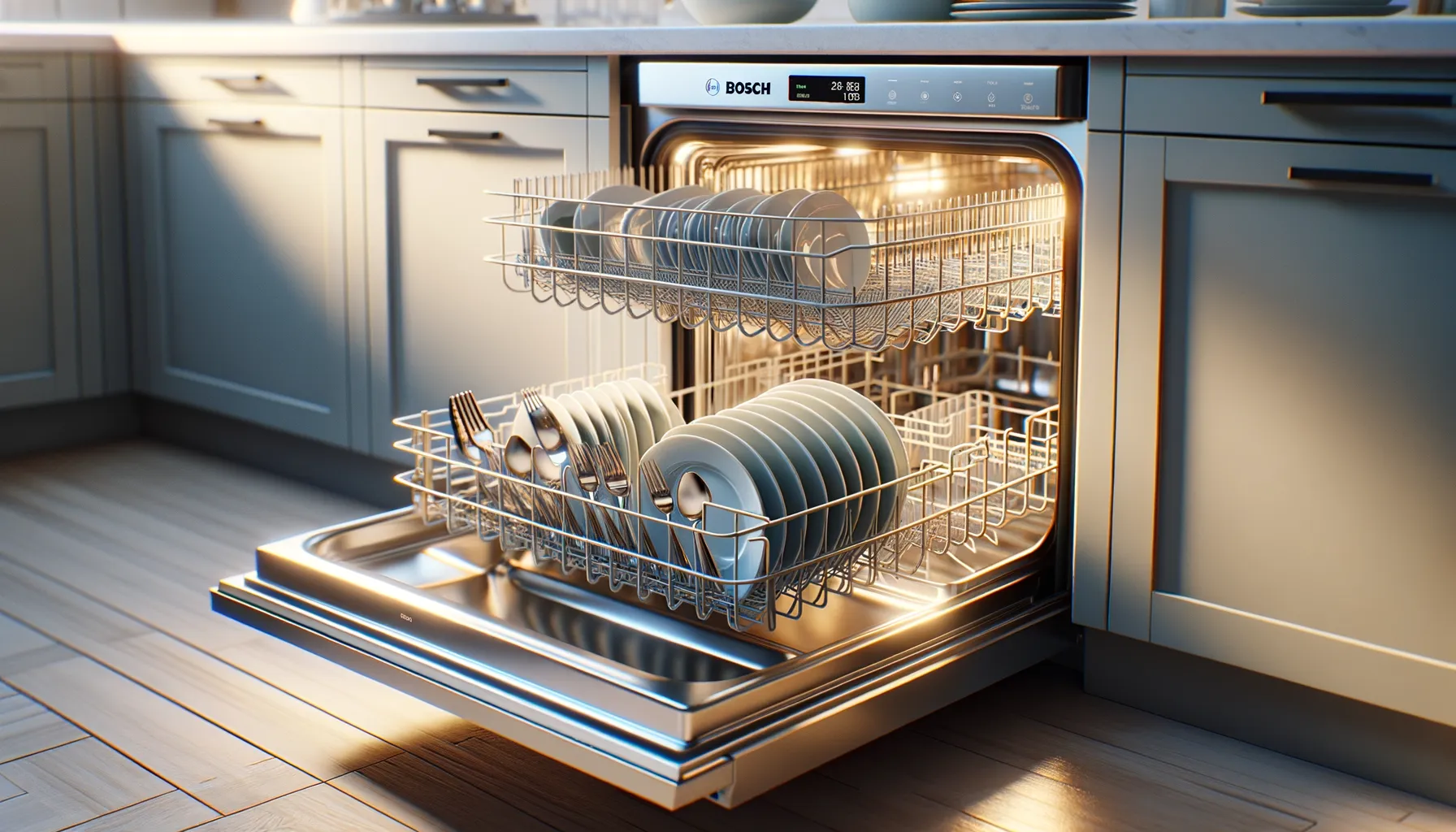
If you’ve implemented the basic fixes—using rinse aid, loading correctly, selecting optimal cycles, and being patient—and your Bosch dishwasher still isn’t drying properly, it’s time to investigate potential technical issues.
Checking Heating Components: The Source of the Heat
For condensation drying to work effectively, the final rinse needs to be sufficiently hot. If the water isn’t getting hot enough, the drying process will suffer. Underlying issues with heating components can be the cause.
- The High-Limit Thermostat / Thermal Fuse: This safety device monitors the temperature inside the dishwasher. If it overheats, it will trip or blow, preventing the heating element from activating. If the high-limit thermostat has failed, the water may not reach the optimal temperature for drying.
- Testing for Continuity: To test this component, you will likely need to access the dishwasher’s control panel or junction box. With the power to the dishwasher disconnected, you can use a multimeter to check for continuity across the thermostat. If there is no continuity, the thermostat has failed and needs to be replaced.
- The Heating Element: In models that do have a visible heating element, this component is responsible for heating the water. If it’s burnt out or damaged, the water won’t get hot enough.
- Visual Inspection: Look for any visible signs of damage or corrosion on the heating element.
- Testing for Continuity: Similar to the thermostat, you can test the heating element for continuity using a multimeter. Disconnect power, then test across the terminals of the element. A lack of continuity indicates a faulty element.
- The Circulation Pump/Sump Heater: Some Bosch models integrate heating within the circulation pump assembly. If this component is malfunctioning, it will impact water temperature and therefore drying.
- Error Codes: Look for specific error codes on your dishwasher’s display. Error code E09 is a common indicator of a heating system fault in Bosch dishwashers, often related to the circulation pump or its integrated heater. Consult your manual for a full list of error codes specific to your model.
- No Steam/Heat Production: If you notice a complete lack of steam during the wash cycle or the interior of the dishwasher feels cold even after a wash, it strongly suggests an issue with the heating system. This could be any of the components mentioned above, or the control board that manages them.
Inspecting the Vent System: Airflow is Crucial
Even with a hot rinse, moisture needs a way to escape for proper drying. Blocked vents can trap moisture, leaving your dishes damp.
- The Role of the Vent: Your Bosch dishwasher has a vent, often located near the door or on the side, designed to allow hot, moist air to escape during the drying cycle. This controlled release of moisture is part of the condensation drying process.
- Checking for Obstructions:
- External Blockages: Visually inspect the vent area on the exterior of the dishwasher. Ensure there are no items leaning against it or anything that could physically block the opening.
- Internal Blockages: Sometimes, debris can accumulate inside the vent system. This might require partial disassembly to access and clean thoroughly. Check your manual for the specific location and how to access it.
- Damaged Vent Flaps or Seals: In some models, a vent flap opens and closes to regulate airflow. If this flap is stuck open or closed, or if seals around the vent are damaged, it can affect drying performance.
The Drain Pump and Filter: Water Must Go
While less directly related to drying, a malfunctioning drain pump or a clogged filter can indirectly impact drying. If water isn’t draining properly, the residual moisture can linger, making the drying phase less effective.
- The Drain Filter: The filter at the bottom of your dishwasher collects food particles and debris. If it’s clogged, water won’t drain efficiently.
- Cleaning the Filter: This is a routine maintenance task. Most Bosch dishwashers have easily accessible filters. Remove them, clean them thoroughly under running water with a brush, and reinsert them securely.
- The Drain Pump: If the drain pump is faulty or clogged, water will remain in the bottom of the tub.
- Signs of a Failing Drain Pump: You might hear unusual noises during the drain cycle, or notice that the water level in the tub doesn’t go down.
- Testing and Replacement: Diagnosing and replacing a drain pump can be a more involved process and may require professional assistance.
Bosch-Specific Drying Features and Considerations
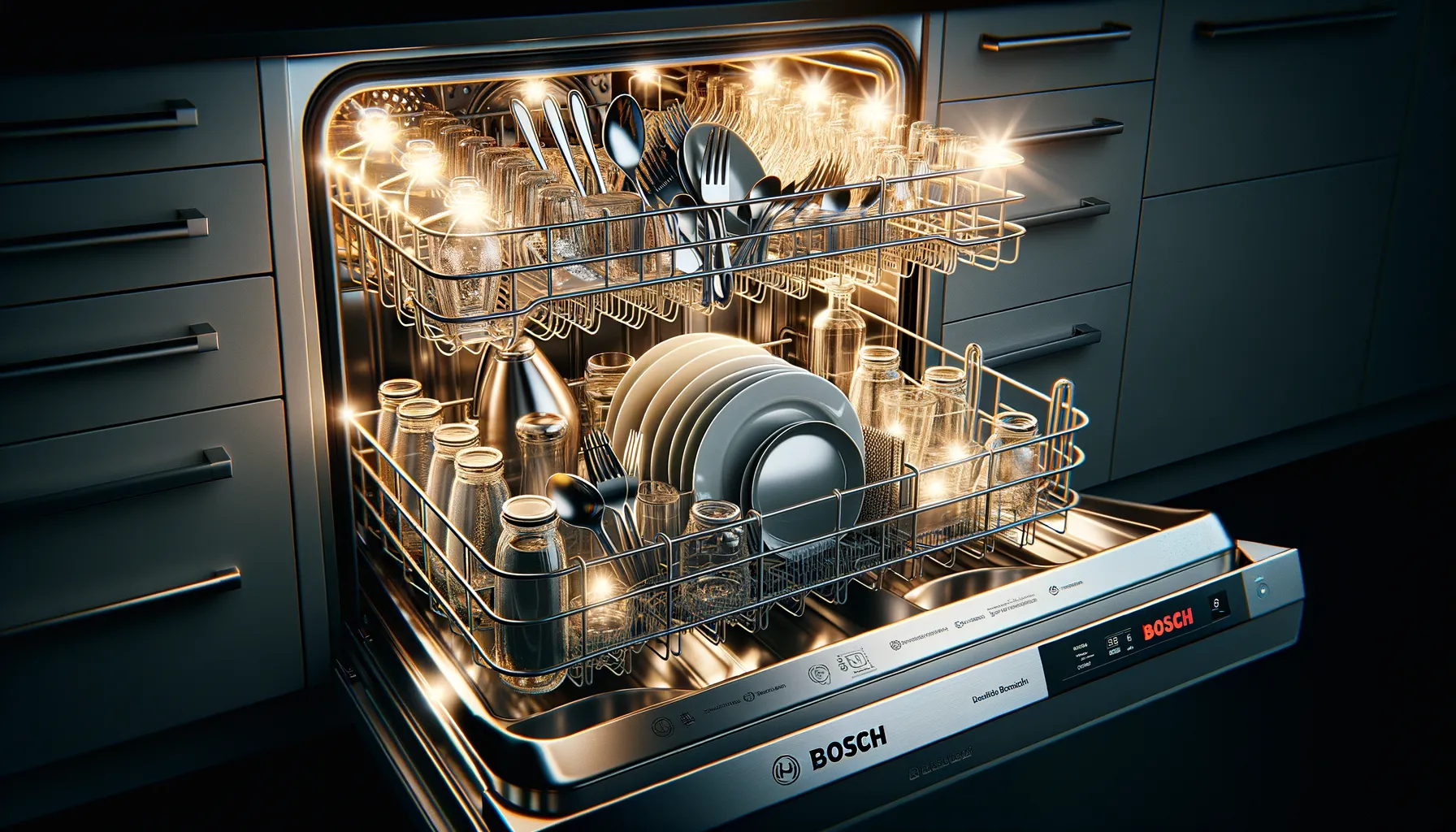
Your Bosch dishwasher may have features designed to enhance drying. Understanding and leveraging these can be key to resolving persistent issues.
Utilizing AutoOpen® and CrystalDry™ Effectively
If your Bosch model is equipped with AutoOpen® or CrystalDry™, make sure you’re using them to their full potential.
- Allow AutoOpen® to Do Its Job: As previously discussed, do not manually open the door if your model has AutoOpen®. Let the dishwasher complete its cycle and the door open on its own. This feature is specifically designed to allow for optimal air circulation and drying.
- Understanding CrystalDry™’s Limitations (and Strengths): CrystalDry™ is a marvel at drying plastics. If you find plastics are still slightly damp, ensure you’ve selected a cycle that fully utilizes the CrystalDry™ function (refer to your manual). While it’s incredibly effective, even the best technology can have its limits if other factors like severe overcrowding or lack of rinse aid are present. However, if you have CrystalDry™ and your plastics are still consistently wet, it’s a strong indicator of a deeper issue.
Consulting Your Bosch Dishwasher Manual
Your dishwasher’s manual is your most valuable resource for troubleshooting model-specific issues and understanding its unique features.
- Cycle Explanations: The manual will detail what each wash cycle is designed for and its expected outcome, including drying performance.
- Error Code Glossary: If your dishwasher displays an error code, the manual will provide a comprehensive list of codes and their meanings, often leading you directly to the potential problem.
- Maintenance Guides: Regular maintenance tips, such as cleaning filters and checking for blockages, are crucial for optimal performance and are clearly outlined in the manual.
- Feature Explanations: If your model has unique drying features, the manual will explain how they work and how to use them effectively.
If you’re struggling with your Bosch dishwasher not drying properly at the end of the cycle, you might find it helpful to explore some common troubleshooting tips. Many users face similar issues, and understanding the potential causes can lead to effective solutions. For instance, checking the heating element and ensuring proper loading can make a significant difference. Additionally, you may want to read about the importance of appliance maintenance in general by visiting this insightful article on the role of repair professionals, which you can find here.
When All Else Fails: Contacting Bosch Support
| Reasons for Bosch Dishwasher Not Drying | Possible Solutions |
|---|---|
| Improper loading of dishes | Ensure proper arrangement of dishes to allow for better air circulation |
| Low rinse aid level | Refill rinse aid dispenser to improve drying performance |
| Dirty or clogged filter | Clean the filter to allow for proper drainage and drying |
| Incorrect dishwasher settings | Check and adjust the settings for optimal drying results |
| Malfunctioning heating element | Contact Bosch customer service for repair or replacement |
If you’ve diligently followed all the troubleshooting steps—checked rinse aid, adjusted loading, selected appropriate cycles, been patient, and even investigated heating components without success—it’s time to seek professional help.
- Bosch Customer Service: Bosch provides dedicated customer support with experts who can guide you through more complex issues or arrange for a service technician.
- Contact Information: You can typically find the customer service phone number on the Bosch website or within your dishwasher’s manual. A common number for Bosch appliances in the US is 1-800-944-2904.
- What to Tell Them: When you contact Bosch support, be prepared to provide:
- Your dishwasher’s model and serial number (usually found on a label inside the door frame or on the side of the tub).
- A detailed description of the problem, including when it started and what you’ve already tried to fix it.
- Any error codes displayed on the unit.
- Professional Diagnosis and Repair: A Bosch-certified technician will have the specialized tools and knowledge to diagnose and repair any underlying mechanical or electrical faults that you cannot resolve yourself. They can accurately test heating elements, thermostats, control boards, and other critical components.
By systematically working through these troubleshooting steps, you can likely identify and resolve the reason why your Bosch dishwasher isn’t drying your dishes effectively. Remember, consistent use of rinse aid, proper loading, and smart cycle selection are often the keys to achieving that sparkling, dry finish you desire.
Bosch Dishwasher Drying Performance by Model Series
Not every Bosch dishwasher dries the same way. The drying technology built into your unit depends heavily on which series you own, and knowing where your model sits in the lineup helps set realistic expectations and narrows down what might be wrong.
Bosch 300 Series
The 300 series is Bosch’s entry-level line and relies on standard condensation drying. There is no exposed heating element and no AutoOpen feature. Drying depends entirely on the heat of the final rinse, the stainless steel tub condensing moisture, and rinse aid helping water sheet off dishes. Results are generally good for glass and ceramic but plastics routinely come out damp. The most common drying complaint on 300 series models is wet plastics and water spots on glasses, which is almost always traceable to an empty rinse aid dispenser or a low-temperature cycle selection.
Bosch 500 Series
The 500 series steps up to condensation drying with AutoOpen. At the end of the cycle, the door unlatches and opens a few inches to let moist air escape. This noticeably improves drying on plastics compared to the 300 series. Known complaints center on the AutoOpen mechanism failing to trigger, which can happen if the door latch or the actuator that pushes the door open wears out. When AutoOpen stops working, drying performance drops back to 300-series levels.
Bosch 800 Series
The 800 series adds CrystalDry zeolite technology on most models, alongside AutoOpen. The zeolite minerals absorb moisture and release heat, pushing drying performance well beyond what condensation alone can achieve. Plastics come out dry, and glasses are spotless when the system is functioning. Complaints on 800 series models are less frequent but tend to involve the CrystalDry module losing effectiveness over time, or the zeolite compartment needing service if it has been exposed to excessive detergent buildup.
Bosch Benchmark Series
Benchmark is Bosch’s premium line and includes the full CrystalDry system with AutoOpen, plus additional sensor-driven drying optimizations. Drying results are the best in the Bosch lineup, with even challenging items like plastic containers and silicone utensils coming out dry. Drying complaints on Benchmark models are rare and usually point to a component failure rather than a design limitation.
If you are unsure which series you own, check the model number label inside the door frame. The first three digits after the letters typically indicate the series.
Common Bosch Dishwasher Drying Parts and Their Costs
When drying performance drops and the basic fixes have not worked, the culprit is usually one of a handful of components. Here is a breakdown of the key drying-related parts, what they do, how they fail, and what you can expect to pay for a replacement.
Heating Element / Flow-Through Heater
Most Bosch dishwashers use a flow-through heater built into the circulation pump rather than an exposed element at the bottom of the tub. This component heats the water to the temperature needed for both cleaning and condensation drying. When it fails, water stays lukewarm, dishes come out wet, and you may see error code E09. Replacement cost for the part typically ranges from $120 to $250, with labor adding $100 to $200 if you hire a technician.
Rinse Aid Dispenser
The rinse aid dispenser releases surfactant into the final rinse to help water sheet off dishes. If the dispenser is cracked, clogged, or the solenoid that releases rinse aid fails, dishes will be spotted and wet even though the dispenser appears full. A common sign is rinse aid not dispensing at all, which you can read more about in our guide on dishwasher not dispensing rinse aid. The dispenser assembly typically costs $40 to $90 for the part.
AutoOpen Mechanism
The AutoOpen mechanism consists of a small actuator and latch that pushes the door open a few inches at the end of the cycle. If the actuator fails or the latch sticks, the door stays closed and moisture cannot escape. Symptoms include a door that never opens on its own, or one that opens too early. The AutoOpen actuator part generally runs $50 to $120.
CrystalDry Zeolite Module
The CrystalDry module houses the zeolite minerals that absorb moisture and release heat. This is a sealed component that does not typically need replacement unless it has been physically damaged or contaminated. If CrystalDry stops working, the module may need to be replaced, and the part cost can range from $150 to $300. This is not a common failure, but when it happens, drying performance on plastics drops significantly.
Vent Fan and Vent Assembly
Some Bosch models use a vent fan or vent flap to release moist air during drying. If the vent is stuck closed or the fan motor fails, moisture stays trapped inside the tub. The vent assembly typically costs $30 to $80 for the part. A stuck vent is often visible on inspection and can sometimes be cleaned rather than replaced.
Step-by-Step: Testing Your Bosch Dishwasher’s Drying System
If your Bosch dishwasher is not drying and you want to systematically narrow down the cause, follow these steps in order. Each step builds on the previous one, starting with the simplest checks and moving toward component-level diagnostics.
- Check the rinse aid level. Open the rinse aid dispenser on the inside of the door. If it is empty, refill it. If it is full but dishes are still wet, adjust the dispenser setting to a higher level and run a test cycle. If rinse aid is not dispensing at all despite a full reservoir, the dispenser assembly may be faulty.
- Run a test cycle with Extra Dry enabled. Load the dishwasher normally, add rinse aid, and select a cycle with the Extra Dry or Intensive Dry option turned on. Use the Auto or Normal cycle, not Eco or Quick Wash. After the cycle completes, wait 30 minutes before opening the door. If dishes are now dry, the issue was cycle selection or rinse aid. If they are still wet, continue to the next step.
- Inspect the heating system. With the power disconnected, access the heating component. On most Bosch models, this means removing the lower access panel and locating the circulation pump and flow-through heater. Check for visible damage, corrosion, or burnt connectors. Use a multimeter to test for continuity across the heater terminals. No continuity means the heater has failed and needs replacement. If your dishwasher displays error code E09, this confirms a heating system fault.
- Check the AutoOpen mechanism. If your model has AutoOpen, run a cycle and observe whether the door opens on its own at the end. If it does not, listen for the actuator clicking. No click suggests the actuator or its control board is not sending the signal. If the door opens but only a crack, the latch may be sticking. A stuck latch can sometimes be cleaned and lubricated, but a failed actuator needs replacement.
- Test the vent system. Locate the vent, usually near the top of the door or on the side panel. During a drying cycle, feel for warm air escaping from the vent. If no air is moving, the vent flap may be stuck closed or the vent fan motor may have failed. Remove the vent cover if accessible and check for debris or a jammed flap. If the fan motor does not run, test it with a multimeter for continuity.
If your dishwasher seems to run endlessly without completing the drying phase, the control board may be failing to advance the cycle, which is a different problem altogether. Our guide on dishwasher won’t stop running covers diagnosing control board and timer issues in detail.
When to Call a Professional for Bosch Dishwasher Drying Issues
Some Bosch dishwasher drying problems are well within the reach of a handy homeowner. Others require specialized tools, diagnostic experience, and safe access to components that carry live voltage. Knowing where that line falls can save you time and prevent further damage to your appliance.
DIY-Safe Repairs
- Refilling or adjusting the rinse aid dispenser
- Cleaning the drain filter and spray arms
- Checking and clearing vent obstructions
- Adjusting loading patterns and cycle selection
- Cleaning a stuck AutoOpen latch
Repairs That Typically Require a Technician
- Replacing the flow-through heater or circulation pump
- Diagnosing and replacing the control board
- Replacing the CrystalDry zeolite module
- Servicing the AutoOpen actuator behind the door panel
- Testing and replacing the rinse aid dispenser solenoid
The flow-through heater and circulation pump sit behind the lower access panel and involve both electrical connections and water seals. A mistake here can cause a leak or an electrical hazard. The control board requires diagnostic expertise to confirm it is actually the source of the problem rather than a symptom of a failed component upstream. And the CrystalDry module is a sealed assembly that should not be opened or serviced by anyone unfamiliar with the system.
If your Bosch dishwasher is still not drying after you have worked through the basic checks and the diagnostic steps above, it is time to bring in a professional. Our team at 911 Appliance Repair has been servicing Bosch dishwashers in San Diego since 1991, and we can diagnose and repair drying system failures on the same day. Schedule a service call through our dishwasher repair in San Diego page, and we will get your Bosch dishwasher back to producing dry, spotless dishes.
FAQs
1. Why is my Bosch dishwasher not drying at the end of the cycle?
There are several possible reasons why your Bosch dishwasher may not be drying at the end of the cycle, including a malfunctioning heating element, a clogged filter, or using the wrong type of detergent.
2. How can I troubleshoot my Bosch dishwasher’s drying issue?
You can troubleshoot your Bosch dishwasher’s drying issue by checking the heating element for any visible damage, ensuring that the filter is clean and unclogged, and using rinse aid to improve drying performance.
3. What can I do to improve the drying performance of my Bosch dishwasher?
To improve the drying performance of your Bosch dishwasher, you can try using rinse aid, selecting a higher drying temperature setting, and ensuring that the dishes are loaded in a way that allows for proper air circulation.
4. Should I contact customer support if my Bosch dishwasher is not drying properly?
If you have tried troubleshooting the issue and your Bosch dishwasher is still not drying properly, it is recommended to contact customer support for further assistance and to schedule a service appointment if necessary.
5. Are there any maintenance tasks I should perform to prevent drying issues in my Bosch dishwasher?
Regular maintenance tasks to prevent drying issues in your Bosch dishwasher include cleaning the filter regularly, checking the heating element for any signs of damage, and using rinse aid to improve drying performance.