Experiencing issues with your dryer can be a real hassle, throwing a wrench into your laundry routine. The good news is, expert dryer repair services are readily available to get your appliance back in working order efficiently. Instead of wrestling with a faulty machine yourself or rushing out to buy a new one, a professional repair often proves to be the most practical and cost-effective solution. These services leverage specialized knowledge and tools to diagnose and fix a wide range of dryer problems, from simple fixes to more complex mechanical or electrical issues.
Table of Contents
- Dryer Not Turning On
- Dryer Not Heating
- Dryer Making Loud Noises
- Dryer Not Tumbling
- The Importance of Professional Diagnosis and Repair
- Safety Considerations
- Accurate Troubleshooting
- Specialized Tools and Parts
- What to Expect from a Dryer Repair Service
- Initial Contact and Scheduling
- On-Site Diagnosis and Estimate
- Efficient Repair Process
- Warranty and Aftercare
- Tips for Choosing a Reputable Dryer Repair Service
- Look for Certified and Experienced Technicians
- Check Online Reviews and Testimonials
- Verify Licensing and Insurance
- Ask About Warranties and Guarantees
- Transparent Pricing Policy
- Maintaining Your Dryer to Prevent Future Breakdowns
- Regular Lint Filter Cleaning
- Annual Vent Cleaning
- Avoid Overloading the Dryer
- Check Vents and Hoses for Damage
- Periodically Check the Moisture Sensor
Understanding what might be going wrong with your dryer is the first step toward getting it fixed. While a professional will always perform the definitive diagnosis, knowing some common culprits can help you communicate the issue more effectively.
Dryer Not Turning On
This is a frustrating problem to encounter, as it effectively renders your dryer useless. Several things can cause this.
- Power Supply Issues: It sounds basic, but always check if the dryer is properly plugged into a working outlet. Sometimes a tripped circuit breaker is the culprit. Dryer circuits are often dedicated and carry a lot of current, so a slight overload elsewhere on the same circuit (if it’s not dedicated) or an internal fault can trip it.
- Thermal Fuse Blown: The thermal fuse is a safety device designed to break the circuit if the dryer overheats, preventing fires. A blown thermal fuse means there’s an underlying overheating problem that needs to be addressed. This often points to clogged vents or a faulty heating element.
- Faulty Door Switch: The dryer won’t start if the door isn’t securely closed. The door switch signals to the control board whether the door is shut. If this switch is broken or misaligned, the dryer won’t register that the door is closed and thus won’t begin a cycle.
- Control Board Malfunction: Less common, but possible, is an issue with the control board itself. This is essentially the “brain” of the dryer, managing all its functions. If it fails, the dryer might not respond at all.
Dryer Not Heating
A dryer that tumbles but doesn’t heat up is just moving wet clothes around – frustratingly ineffective.
- Faulty Heating Element: This is one of the most common reasons a dryer stops heating. The heating element is a coiled wire that generates heat. Over time, it can break or burn out, preventing the dryer from warming up.
- Blown Thermal Fuse or Thermostat: As mentioned before, a thermal fuse can also prevent heating. Similarly, a faulty thermostat, which regulates the dryer’s internal temperature, can cause it to not heat at all or not heat sufficiently. There are usually multiple thermostats in a dryer (operating and high-limit) and any of them failing can prevent heat generation.
- Broken Igniter (Gas Dryers): For gas dryers, an igniter is responsible for lighting the gas burner. If the igniter is faulty, the gas won’t ignite, and no heat will be produced. You might hear the gas valve open, but no flame.
- Blocked Venting: While this often causes overheating and efficiency issues, severe blockages can also reduce airflow to the point where the heating element struggles or can’t maintain temperature, or safety sensors shut it down.
Dryer Making Loud Noises
Unusual noises ranging from squealing to grinding are clear indicators of a mechanical problem.
- Worn Drum Rollers/Glides: The dryer drum rotates on a set of rollers or glides (depending on the model). Over time, these can wear out, causing squealing, thumping, or grinding noises as the drum rotates unevenly.
- Broken Drive Belt: The drive belt connects the motor to the dryer drum, enabling it to spin. If the belt frays or breaks, you might hear a thumping sound before it completely severs, or a grinding noise if it’s slipping. A broken belt will prevent the drum from turning.
- Worn Idler Pulley: The idler pulley maintains tension on the drive belt. If its bearing wears out, it can produce a high-pitched squealing or grinding noise.
- Motor Bearing Malfunction: While less common than roller or belt issues, a failing motor bearing can also be a source of loud grinding or squealing noises. This is a more complex repair.
Dryer Not Tumbling
If the dryer heats but the clothes aren’t moving, the issue is typically with the drum’s rotation.
- Broken Drive Belt: As discussed, a broken drive belt means the motor can’t transmit power to the drum, so it won’t spin.
- Motor Failure: A faulty motor, though less frequent, will prevent the drum from turning. You might hear a humming sound, indicating the motor is trying to run but can’t.
- Obstructed Drum: Sometimes, items like small socks or other pieces of clothing can get lodged between the drum and the housing, preventing it from spinning freely. This can also damage the drum or its seal.
- Worn Drum Rollers/Bearings: While they often just cause noise, severely worn or seized drum rollers or bearings can completely prevent the drum from turning.
If you’re experiencing issues with your dryer, it may be time to consider professional help. Understanding when to call for a dryer repair service can save you time and money in the long run. For more insights on this topic, check out this informative article on when to call professionals for appliance repair. It provides valuable guidance on recognizing the signs that indicate your appliance needs expert attention.
The Importance of Professional Diagnosis and Repair
While curiosity might tempt you to open up your dryer and take a look, tackling complex appliance repairs without proper knowledge and tools can be risky and even dangerous.
Safety Considerations
Dryers, especially electric models, involve high voltage electricity which can cause serious shocks or even electrocution. Gas dryers have gas lines and components, posing a potential fire or gas leak hazard if mishandled. Professionals are trained to work safely with these components, minimizing risks. They also understand the proper sequence for testing and troubleshooting without inadvertently causing further damage or creating a dangerous situation. DIY attempts often lead to more expensive repairs down the line, or worse, injury.
Accurate Troubleshooting
Modern dryers are sophisticated appliances with intricate electrical, mechanical, and sometimes gas systems. Diagnosing the precise problem requires specific knowledge of how these systems interact. A professional repair technician has specialized diagnostic tools and training to accurately identify the root cause of the issue, not just symptoms. They can quickly pinpoint whether it’s a sensor, a circuit board, a faulty motor, or something else entirely, saving you time and money.
Specialized Tools and Parts
Many dryer repairs require specific tools that most homeowners don’t have lying around. This can include multimeter testing, specific wrenches, or specialized extraction tools. Furthermore, using incorrect replacement parts can lead to inefficient operation or even damage to other components. Expert repair services have access to genuine OEM (Original Equipment Manufacturer) parts or high-quality compatible alternatives, ensuring your repair lasts. They know which parts match your specific dryer model, avoiding common pitfalls of ordering the wrong components.
What to Expect from a Dryer Repair Service
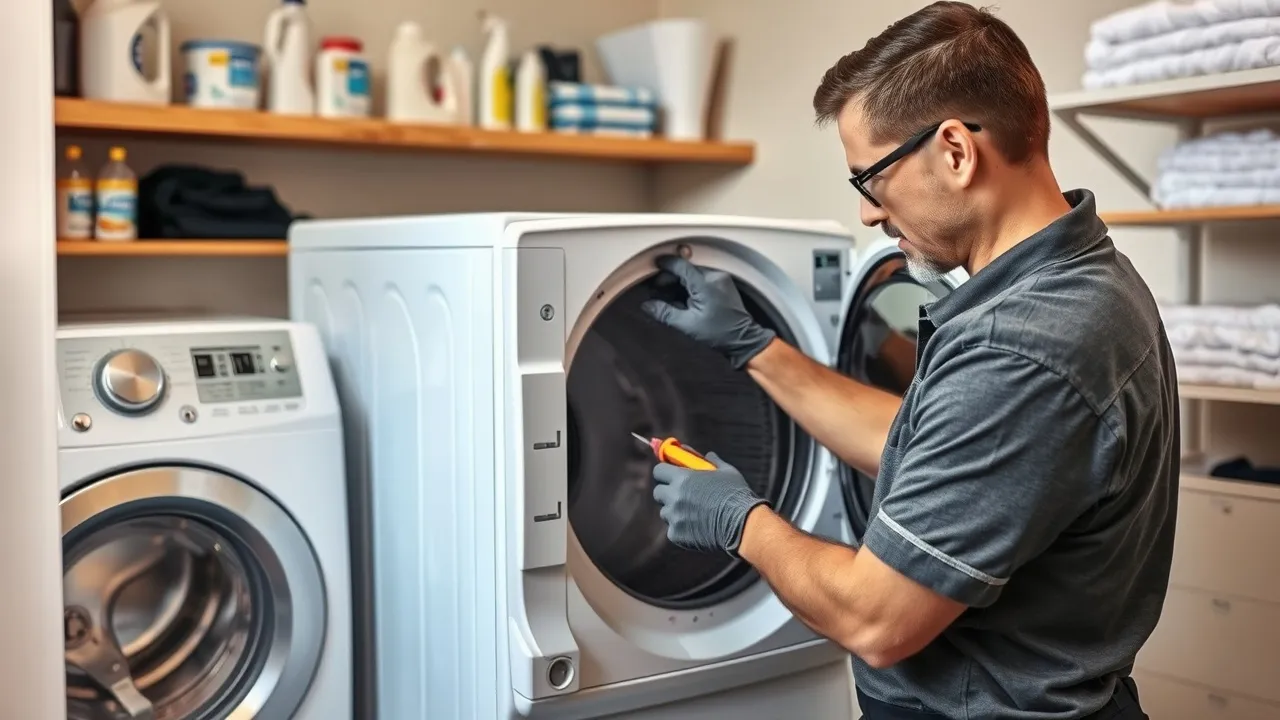
When you engage a professional dryer repair service, there’s a general process you can anticipate. Knowing this helps set expectations and ensures a smoother experience.
Initial Contact and Scheduling
Typically, the process begins when you contact the service. You’ll describe the issue you’re experiencing with your dryer. Be as specific as possible – describe the symptoms, any noises, smells, or error codes visible. This initial information helps them determine if they service your brand and model, and which tools or common parts might be needed for the initial visit. They’ll then schedule a convenient time for a technician to visit your home.
On-Site Diagnosis and Estimate
Upon arrival, a qualified technician will carefully inspect your dryer. They’ll perform diagnostic tests, using their tools and expertise to pinpoint the exact cause of the problem. Once the diagnosis is complete, they will explain the issue to you in clear, understandable terms. They will then provide a detailed estimate for the repair, including both parts and labor costs. A reputable service will ensure you understand the estimate and agree to it before any work begins.
Efficient Repair Process
Once you approve the estimate, the technician will proceed with the repair. They typically carry a stock of common replacement parts in their service vehicles, allowing for on-the-spot repairs in many cases. If a specialized part is needed, they may need to order it, which would involve a follow-up visit. After the repair is complete, the technician will test the dryer thoroughly to ensure it’s functioning correctly and safely. They will also clean up their workspace, leaving your laundry area as they found it.
Warranty and Aftercare
Most professional dryer repair services offer a warranty on both the parts they installed and the labor performed. This provides peace of mind, knowing that if the same issue recurs within a specified period, they will address it without additional charge. Don’t hesitate to ask about their warranty policy upfront. Some services may also offer tips on maintaining your dryer to prevent future problems.
Tips for Choosing a Reputable Dryer Repair Service
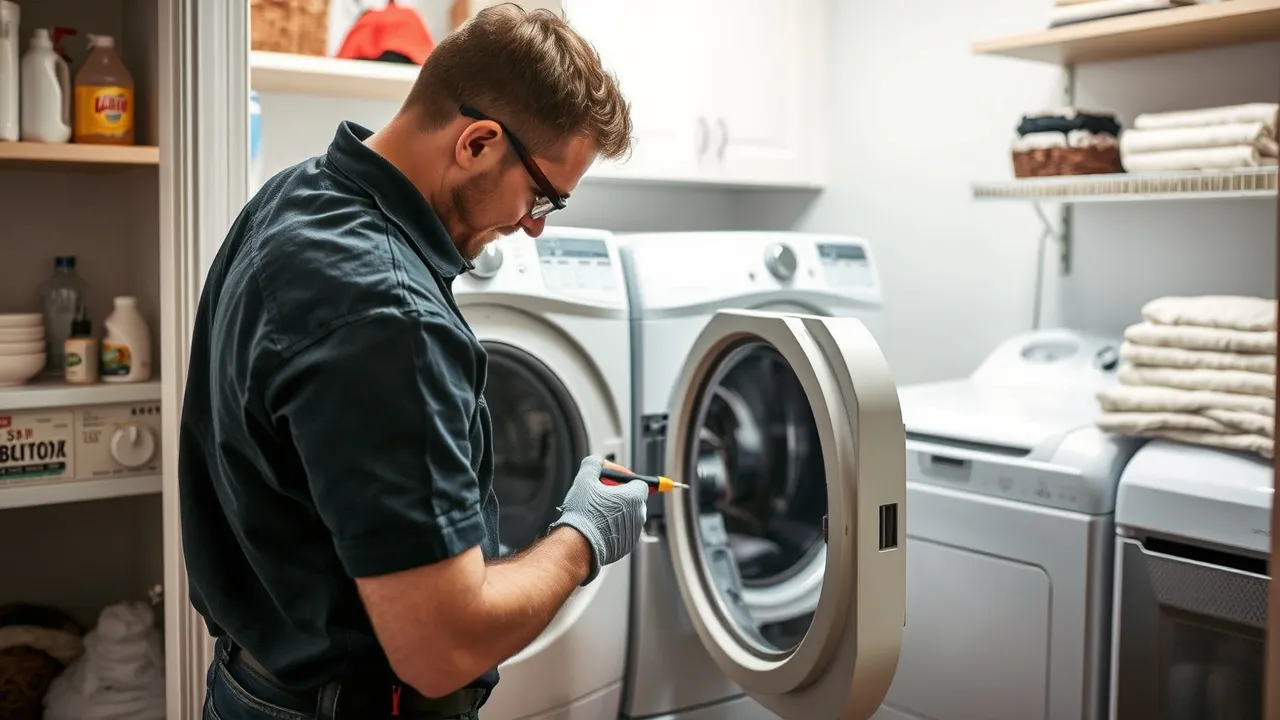
Selecting the right repair service is crucial for a positive outcome. A little research upfront can save you headaches later.
Look for Certified and Experienced Technicians
Appliance repair is a specialized trade. Seek out companies that employ certified technicians. This certification indicates they’ve met certain industry standards for knowledge and skill. Experience also matters; technicians who have been in the field for several years are more likely to have encountered a wide range of dryer problems and know how to resolve them efficiently. Don’t be afraid to ask about their technicians’ qualifications and experience.
Check Online Reviews and Testimonials
In today’s digital age, online reviews are a valuable resource. Check platforms like Google Reviews, Yelp, or local business directories for feedback from previous customers. Look for patterns in reviews – do people praise their professionalism, punctuality, and problem-solving abilities? Be wary of companies with consistently negative reviews or an overwhelming number of generic, unspecific positive reviews which could be manipulated.
Verify Licensing and Insurance
It’s important to choose a repair service that is properly licensed and insured. Licensing ensures they meet local regulatory requirements to operate their business. Insurance, particularly liability insurance, protects you as the homeowner in case of any accidental damage to your property during the repair process. Don’t hesitate to ask for proof of these credentials. A trustworthy company will readily provide them.
Ask About Warranties and Guarantees
A reputable repair service stands behind its work. Inquire about the warranty they offer on parts and labor. A common warranty period might be 30 to 90 days, or even longer for specific parts. A clear warranty policy demonstrates their confidence in their repairs and provides you with recourse if the issue reoccurs shortly after the service.
Transparent Pricing Policy
Before committing to a repair, ensure the service has a transparent pricing policy. This means they should provide a clear estimate of costs before starting any work. Be cautious of companies that give vague quotes or refuse to discuss pricing until after the repair is done. A reputable service will explain their service call fee (if any), diagnostic fee, and how parts and labor are charged.
If you’re experiencing issues with your dryer, it might be helpful to explore related topics such as washing machine repairs. For instance, an informative article on fixing a GE washing machine that won’t drain can provide valuable insights into common appliance problems and their solutions. You can read more about it here. Understanding these issues can often help you troubleshoot similar problems with your dryer, ensuring your laundry routine runs smoothly.
Maintaining Your Dryer to Prevent Future Breakdowns
| Metrics | Data |
|---|---|
| Response Time | 24 hours |
| Customer Satisfaction Rate | 95% |
| Number of Repairs Completed | 500 |
| Technicians Available | 24/7 |
While expert repair services can fix problems, proactive maintenance can significantly extend your dryer’s lifespan and prevent many common issues from developing in the first place.
Regular Lint Filter Cleaning
This is one of the simplest yet most crucial maintenance tasks. You should clean the lint filter after every single load. A clogged lint filter restricts airflow, forcing your dryer to work harder, increasing drying time, and most importantly, creating a significant fire hazard. When airflow is restricted, heat builds up, which can ignite trapped lint. Over time, some lint inevitably makes its way past the filter.
Annual Vent Cleaning
Beyond the lint filter, the entire dryer vent system needs to be cleaned annually. This involves disconnecting the dryer from the vent hose and cleaning out the hose itself, along with the outdoor vent cap. Lint can accumulate in these areas, causing blockages that hinder airflow, reduce efficiency, and pose a severe fire risk. You can do this yourself with a dryer vent cleaning kit, or hire a professional to do it. Blocked vents are a leading cause of dryer fires and a common reason for decreased drying performance and heating element failures.
Avoid Overloading the Dryer
Stuffing too many clothes into the dryer at once is detrimental. It prevents proper tumbling, which means clothes won’t dry evenly or efficiently. It also puts excessive strain on the drive belt, motor, and drum rollers, leading to premature wear and tear. Load your dryer to about two-thirds full to allow clothes to tumble freely and for hot air to circulate effectively.
Check Vents and Hoses for Damage
Occasionally inspect the dryer’s exhaust vent hose for kinks, tears, or blockages. Make sure it’s securely attached to both the dryer and the wall vent. A rigid metal vent hose is generally preferred over flexible plastic or foil hoses, as the rigid material is less prone to kinking and accumulating lint. Kinks reduce airflow and contribute to overheating problems.
Periodically Check the Moisture Sensor
Many modern dryers have moisture sensors that detect when clothes are dry and shut off automatically. If your dryer isn’t drying clothes completely or is over-drying them, the moisture sensor might be dirty. Refer to your dryer’s manual for instructions on how to locate and clean the sensor bars, usually found inside the drum.
By understanding common dryer problems, the benefits of professional repair, how to choose a service, and performing some basic maintenance, you can ensure your dryer provides reliable service for years to come. When issues do arise, a swift and expert repair can get your laundry routine back on track with minimal disruption.