GE washers, like any complex appliance, are susceptible to malfunctions. This article provides a structured guide to troubleshooting and resolving common issues encountered with GE washing machines. It is intended for individuals with a basic understanding of appliance operation and safety precautions.
Table of Contents
- Washer Anatomy
- Cycle Phases
- Safety Precautions
- Disconnect Power
- Shut Off Water Supply
- Wear Protective Gear
- Consult the User Manual
- Common Washer Problems and Solutions
- Washer Won’t Start or Turn On
- Washer Not Draining
- Washer Not Spinning
- Washer Leaking Water
- Washer Making Unusual Noises
- When to Call a Professional
- Complex Electrical Problems
- Major Mechanical Failures
- Warranty Coverage
- Time and Cost Analysis
- Conclusion
Before embarking on repairs, comprehending the fundamental principles of your GE washer’s operation is crucial. Much like a finely tuned orchestra, each component plays a vital role.
Washer Anatomy
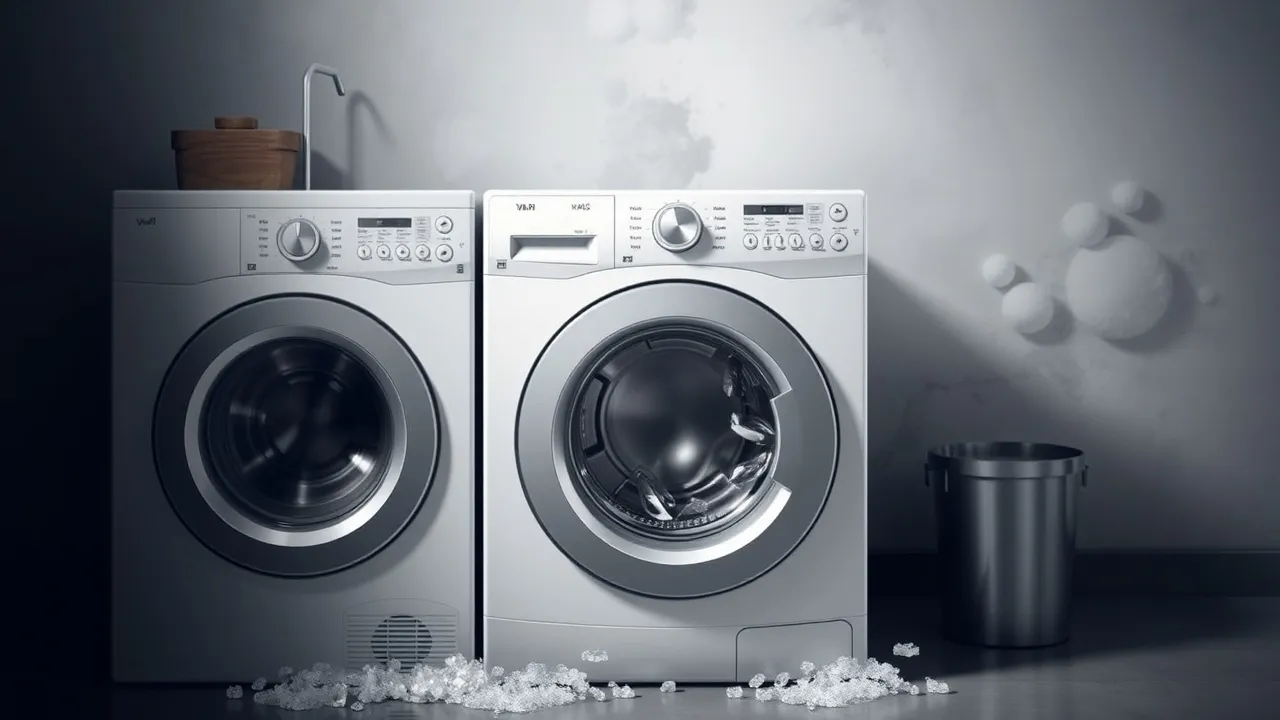
GE washers typically consist of several key components:
- Tub: The primary receptacle for clothes and water.
- Agitator/Impeller: Responsible for moving clothes within the tub during the wash cycle.
- Motor: Powers the agitator/impeller and spin cycle.
- Pump: Drains water from the tub.
- Inlet Valve: Controls water entry into the tub.
- Control Panel: Allows selection of wash cycles, temperature, and other settings.
- Lid Switch/Door Latch: A safety mechanism that prevents operation when the lid or door is open.
- Suspension System: Supports the tub and absorbs vibrations during operation.
Cycle Phases
A typical GE washer cycle progresses through distinct phases:
- Fill: Water enters the tub.
- Wash: Clothes are agitated in soapy water.
- Rinse: Soapy water is drained, and clean water enters for rinsing.
- Spin: Water is extracted from clothes through centrifugal force.
- Drain: All water is expelled from the tub.
Each phase relies on the coordinated function of various components. A disruption in one phase often signals an issue with a specific component or system.
If you’re looking to keep your GE washer in optimal condition, understanding the importance of regular maintenance is crucial. A related article that provides valuable insights on this topic is available at The Importance of Establishing a Maintenance Schedule. This resource outlines how a consistent maintenance routine can prevent common issues and extend the lifespan of your appliances, including washers.
Safety Precautions
Working with electrical appliances carries inherent risks. Prioritize safety during any troubleshooting or repair endeavors. Ignoring these precautions could lead to injury or further damage to the appliance.
Disconnect Power
Before initiating any inspection or repair on your GE washer, always disconnect it from the electrical outlet. This is a non-negotiable step. Treat the power cord like a key locking away potential hazards.
Shut Off Water Supply
To prevent water leaks and potential flooding, turn off the hot and cold water supply valves connected to the washer. These valves are typically located behind the machine.
Wear Protective Gear
Depending on the nature of the repair, consider wearing appropriate protective gear such as gloves to protect your hands and safety glasses to shield your eyes from debris or splashing water.
Consult the User Manual
Your GE washer’s user manual contains model-specific information, wiring diagrams, and troubleshooting charts. Referencing this document can provide invaluable insights and direct you to common fixes. It serves as your washer’s operational blueprint.
Common Washer Problems and Solutions
This section addresses frequently encountered issues with GE washers, presenting potential causes and systematic troubleshooting steps.
Washer Won’t Start or Turn On
A washer that fails to initiate operation is a fundamental problem. This can stem from electrical issues or safety interlocks.
No Power to the Outlet
- Check the circuit breaker: A tripped breaker is a common cause of power loss. Locate your home’s electrical panel and reset any tripped breakers.
- Test the outlet: Plug another appliance into the same outlet to confirm it has power. If other appliances don’t work, the issue lies with the outlet or circuit.
- Inspect the power cord: Examine the washer’s power cord for cuts, frayed wires, or bent prongs. A damaged cord requires replacement.
Lid Switch/Door Latch Malfunction
- Ensure the lid/door is fully closed: The washer will not operate if the lid or door is not securely latched.
- Inspect the lid switch/door latch assembly: Over time, the plastic components of the lid switch or door latch can wear out or become misaligned. If the switch isn’t activating when the lid/door is closed, it may need adjustment or replacement. On top-load washers, this switch is often located under the lid. On front-load washers, it’s integrated into the door latch mechanism. A continuity tester can be used to verify switch functionality.
Control Panel Issues
- Reset the control panel: Minor software glitches can sometimes be resolved by disconnecting power to the washer for 5-10 minutes, then plugging it back in.
- Examine display error codes: Many GE washers have digital displays that show error codes indicating specific malfunctions. Consult your user manual to interpret these codes.
Washer Not Draining
A washer that retains water after the wash or rinse cycle is essentially a still pond in your laundry room, preventing the next stage of operation.
Clogged Drain Hose
- Inspect the drain hose for kinks: Ensure the drain hose is not bent or kinked, which can restrict water flow. Straighten any bends.
- Check for blockages: Remove the drain hose from the standpipe or utility sink and inspect both ends for lint, debris, or foreign objects. A plumber’s snake or a long brush can help clear internal blockages.
Faulty Drain Pump
- Listen for pump operation: During the drain cycle, you should hear the drain pump operating. If there is no sound, or an unusual grinding noise, the pump may be failing.
- Inspect the pump filter: Many GE washers have a small filter at the front or bottom that traps lint and small objects before they reach the pump. Consult your manual for its location and instructions on how to clean it. A clogged filter can severely impede drainage.
- Test pump continuity: If you are comfortable with multimeters, you can test the electrical continuity of the pump motor. No continuity indicates a faulty motor. Replacing the drain pump is a common repair for this issue.
Obstruction in the Tub
- Check the bottom of the tub: Small items like socks, coins, or pet hair can sometimes bypass the lint filter and enter the drain system, causing blockages. Carefully inspect the bottom of the tub and agitator area for any foreign objects.
Washer Not Spinning
A washer that doesn’t spin leaves clothes saturated, extending drying time considerably. The spin cycle is the heart of water extraction.
Unbalanced Load
- Redistribute clothes: An unevenly distributed load of heavy items (e.g., towels, blankets) can trigger the washer’s unbalance sensor, preventing it from spinning to avoid excessive vibration. Open the lid/door and manually rearrange the clothes for even weight distribution.
- Reduce load size: Overloading the washer can also lead to an unbalanced load. Remove some items and try to spin a smaller load.
Lid Switch/Door Latch Failure
- Reconfirm lid/door closure: Similar to starting, the lid switch or door latch must be fully engaged for the spin cycle to initiate. Refer to the “Washer Won’t Start or Turn On” section for troubleshooting this component.
Drive Belt Issues (Top-Loaders)
- Inspect the drive belt: Some older GE top-load washers use a rubber drive belt to transfer power from the motor to the transmission. Over time, these belts can stretch, fray, or break. Access the back or bottom of the washer (after disconnecting power) to inspect the belt. A worn or broken belt needs replacement.
Motor/Transmission Problems
- Listen for unusual noises: A grinding, humming, or screeching noise originating from the motor or transmission during the spin cycle can indicate a more serious mechanical failure.
- Professional assistance: Motor or transmission issues are typically complex and often require the expertise of a qualified appliance technician. These are the deeper gears in the machinery, less accessible for casual repair.
Washer Leaking Water
Water leaks are not only frustrating but can also cause damage to flooring and surrounding structures. Identifying the leak source is paramount. A leak is a crack in the dam, and finding it is the first step to mending.
Loose or Damaged Hoses
- Inspect inlet hoses: Check the hot and cold water inlet hoses connected to the back of the washer. Ensure they are tightly screwed on and inspect them for cracks, bulges, or leaks. Replace any damaged hoses.
- Examine the drain hose: Verify the drain hose is securely connected to the washer and the standpipe/utility sink. Look for tears or holes in the hose itself.
Detergent Dispenser Issues
- Overfilling: Using too much detergent can lead to excessive suds, which can overflow the dispenser drawer during the wash cycle. Reduce detergent use.
- Clogged dispenser: Residue buildup in the dispenser can cause water to back up and leak. Clean the dispenser thoroughly.
Tub Seal / Gasket Problems
- Front-load door gasket: For front-load washers, inspect the rubber door boot gasket for tears, cracks, or debris lodged within its folds. Clean the gasket regularly and replace it if damaged.
- Top-load tub seal: On top-load washers, a leak from the bottom center of the tub often indicates a failing tub seal, which is a more involved repair requiring disassembly of the tub.
Internal Component Failures
- Water inlet valve: A faulty water inlet valve can sometimes continuously leak or spray water internally, leading to external leaks.
- Drain pump seal: The seal around the drain pump can fail over time, causing leaks from the pump area.
- Tub cracks: Less common, but a crack in the inner or outer wash tub can lead to significant leaks.
Pinpointing the exact source of an internal leak often requires careful observation during a wash cycle with the outer panels removed (only perform this if safely possible and with power disconnected).
Washer Making Unusual Noises
A symphony of the mundane can turn into a cacophony of problems when your washer starts making abnormal sounds.
Rattling or Clunking Noises
- Loose items in the tub: Check the pockets of clothes before washing for coins, keys, or other small objects that can rattle against the tub or agitator.
- Foreign objects in the pump: If the noise occurs during the drain cycle, a foreign object may be lodged in the drain pump impeller. Refer to the “Faulty Drain Pump” section for access.
- Loose parts: Over time, screws or bolts on the washer’s panels or internal components can loosen, causing rattling. Inspect panels for secure fastening.
Squealing or Grinding Noises
- Worn drive belt (top-loaders): A squealing noise during the spin cycle can indicate a worn or slipping drive belt. See the “Drive Belt Issues” section.
- Faulty motor bearings: A grinding or persistent squealing from the motor area, particularly during spin, can point to worn motor bearings. This often requires professional service.
- Worn transmission: A grinding noise, especially during agitation, could originate from a failing transmission. This is a complex and often costly repair.
Humming or Buzzing (No Operation)
- Blocked drain pump: A humming or buzzing sound with no draining indicates the drain pump motor is trying to operate but is blocked. See “Faulty Drain Pump.”
- Faulty motor capacitor: If the main motor hums but doesn’t start, the motor capacitor might be failing, preventing it from getting the initial torque to turn.
- Internal wiring issue: This could also signify an electrical issue preventing proper motor activation.
When to Call a Professional
While many common washer issues can be addressed with DIY troubleshooting, there are instances where professional assistance is warranted. It’s important to recognize these boundaries.
Complex Electrical Problems
If troubleshooting indicates an issue with the washer’s main control board, motor capacitor, or internal wiring, particularly if you are uncomfortable working with electrical components, it is best to consult a certified appliance technician. Electrical work carries significant risks.
Major Mechanical Failures
Problems involving the transmission, main bearing, or extensive tub disassembly are typically beyond the scope of a casual DIY repair. These components are intricate and often require specialized tools and expertise for correct diagnosis and replacement.
Warranty Coverage
If your GE washer is still under warranty, undertaking significant repairs yourself may void that warranty. It is prudent to contact GE Appliances or an authorized service provider to ensure coverage.
Time and Cost Analysis
Consider the time investment and potential cost of parts versus the cost of professional repair. Sometimes, the peace of mind and guarantee of a professional repair outweigh the effort and potential pitfalls of a complex DIY fix.
If you’re facing issues with your GE washer, understanding the severity of the problem can be crucial for effective repair. A helpful resource on this topic is an article that discusses how to evaluate the severity of appliance issues, which can guide you in determining whether a simple fix or a professional repair is needed. You can read more about it in this insightful piece on evaluating appliance issues. This information may assist you in making informed decisions regarding your washer repair.
Conclusion
| Metric | Value | Details |
|---|---|---|
| Average Repair Time | 1.5 hours | Typical duration to fix common GE washer issues |
| Common Issues | Drainage problems, drum not spinning, water leaks | Most frequently reported problems in GE washers |
| Parts Replacement Rate | 35% | Percentage of repairs requiring part replacement |
| Customer Satisfaction | 88% | Based on post-repair surveys |
| Average Cost of Repair | 120 | Typical cost excluding taxes and fees |
| Warranty on Repair | 90 days | Standard warranty period for repair services |
Troubleshooting a GE washer involves a systematic approach, starting with basic checks and progressing to more detailed inspections. By understanding the machine’s components and typical operational sequences, and by adhering to stringent safety precautions, many common issues can be resolved without professional intervention. However, recognizing when a problem exceeds your comfort level or expertise is crucial. Regular maintenance, such as cleaning the lint filter and inspecting hoses, can also extend the life and efficiency of your GE washer.