Table of Contents
- Decoding the Digital Dialect: Common Error Code Meanings
- The “F0” Series: Heating Element Anomalies
- Addressing Error Codes: A Step-by-Step Approach
- Grilling and Roasting Woes: Performance Issues to Troubleshoot
- Uneven Cooking and Browning: The Mystery of Misfired Heat
- Broiling Disappointments: When the Sizzle Fades
- Oven Not Heating: The Silent Culinary Strike
- Power Supply and Electrical Issues: The Foundation of Heat
- Heating Element and Igniter Failures: The Heart of the Matter
- Self-Cleaning Function Troubles: When the Magic Fails to Materialize
- Issues with the Self-Cleaning Cycle
- Incomplete Cleaning Results
- General Maintenance and Preventative Care: Keeping Your Wolf in Peak Condition
- Regular Cleaning and Inspection
- Filter and Vent Maintenance
- Annual Professional Inspection
- FAQs
- 1. What are the common issues that can occur with a Wolf oven?
- 2. How can I reset my Wolf oven if it is not functioning correctly?
- 3. What should I do if my Wolf oven is not heating up?
- 4. How do I interpret error codes on a Wolf oven display?
- 5. When should I contact a professional technician for my Wolf oven?
Troubleshooting Your Wolf Oven: A Handy Guide
Your Wolf oven, a veritable culinary workhorse, is designed for performance and durability. However, like any complex appliance, it can sometimes throw you a curveball. When your Wolf oven falters, don’t despair. This guide will equip you with the knowledge to diagnose and resolve common issues, getting you back to creating culinary masterpieces or simply baking a perfect loaf of bread. Think of this as your personal oven whisperer, helping you understand the subtle language of your appliance.
Modern Wolf ovens are equipped with sophisticated diagnostic systems that relay information through error codes and display messages. Recognizing these codes is your first line of defense against an oven behaving erratically. These codes are not arbitrary scribbles; they are like stop signs on a highway, indicating a specific problem that needs attention. Ignoring them is like ignoring a flashing engine light in your car – it rarely leads to a good outcome.
Decoding the Digital Dialect: Common Error Code Meanings
Wolf ovens can present a variety of error codes, each pointing to a particular component or system malfunction. While the exact codes and their precise interpretations can vary slightly between Wolf models, several are frequently encountered.
The “F0” Series: Heating Element Anomalies
Error codes starting with “F0” often indicate a problem with your oven’s heating elements.
F1, F2, F3: Open or Shorted Bake Elements
If you see codes like F1, F2, or F3, your oven is likely reporting an issue with the bake element. This element, responsible for the primary heat in your oven, might be experiencing an “open circuit” (meaning the electrical pathway is broken) or a “short circuit” (where electricity is flowing where it shouldn’t be). You might notice that the oven isn’t heating at all, or that it’s not reaching the set temperature. Visually inspecting the element for any signs of damage, such as blistering or breakage, can be a preliminary step. However, accessing and testing the element’s resistance typically requires a multimeter and a degree of comfort with electrical components, so proceed with caution if you’re not experienced.
F4, F5, F6: Open or Shorted Broil Elements
Similar to the bake element codes, F4, F5, and F6 usually relate to the broil element. This element, typically located at the top of the oven cavity, is crucial for searing and browning. A malfunction here can mean your broiler is not working, or that the oven is displaying these codes as a general heating system alert. Again, visual inspection is a starting point, but electrical testing is often necessary for a definitive diagnosis.
The “E” Series: Electronic Control Board Issues
Error codes beginning with “E” often signal a problem with the oven’s electronic control board (ECB), the “brain” of your appliance.
E1, E2, E3: Touchpad or Component Faults
Codes such as E1, E2, or E3 can indicate that the touchpad, the interface you use to program your oven, is malfunctioning or that a specific component connected to the ECB has failed. This might manifest as unresponsive buttons, the display showing scrambled information, or the oven failing to respond to your commands. The ECB itself could also be the culprit, perhaps due to a power surge or component failure.
E5, E6, E7: Communication or Sensor Errors
These codes often suggest a communication breakdown between different parts of the oven or a faulty sensor. For instance, a temperature sensor might be sending incorrect readings or not communicating with the ECB at all, leading the oven to think it’s hotter or colder than it actually is.
Other Common Error Indicators
Beyond the “F” and “E” series, you might encounter other specific messages.
“Hi-Limit” Sensor Alert
Some Wolf ovens will display a “Hi-Limit” alert. This signifies that the high-limit thermostat, a safety device designed to prevent the oven from overheating, has engaged. This can happen if the oven is consistently running too hot, or if the sensor itself is faulty and falsely detecting an overheat condition.
“Door Lock” Malfunction
If your oven has a self-cleaning function with an automatic door lock, a “Door Lock” error indicates an issue with the locking mechanism or its sensor. This could prevent the self-cleaning cycle from starting or completing, or it might trigger for no apparent reason.
Addressing Error Codes: A Step-by-Step Approach
When an error code appears, resist the urge to panic. Follow these steps methodically:
- Consult Your Owner’s Manual: This is your primary source of truth. Your manual will have a dedicated section detailing error codes specific to your model and their recommended solutions. Think of the manual as the Rosetta Stone for your oven’s language.
- Power Cycle the Oven: Sometimes, a simple reset can clear temporary glitches. Turn off the power to your oven at the circuit breaker for at least one minute, then turn it back on. This is akin to rebooting a computer when it freezes.
- Check for Obstructions: Ensure there are no objects interfering with door seals, vents, or internal components that the oven might detect as an issue.
- Inspect Visible Components: If the error code suggests a heating element issue, and you’re comfortable doing so, visually inspect the elements for any obvious damage after the oven has cooled completely and is powered off.
- If Unresolved, Contact a Professional: If the error code persists or your manual suggests a more complex issue, it’s time to call a qualified appliance technician. Attempting repairs beyond your expertise can lead to further damage or safety hazards.
If you’re experiencing issues with your Wolf oven, you may find it helpful to explore related troubleshooting topics. For instance, if you’re also having problems with your refrigerator, you can read about diagnosing and solving those issues in this article: Diagnosing and Solutions for a Refrigerator That Won’t Start. This resource provides valuable insights that can assist you in addressing common appliance problems effectively.
Grilling and Roasting Woes: Performance Issues to Troubleshoot
Beyond error codes, your Wolf oven might exhibit problems with its core functions: grilling and roasting. These issues can impact everything from the crispiness of your roasted chicken to the evenness of your baked cookies.
Uneven Cooking and Browning: The Mystery of Misfired Heat
When your food emerges from the oven with some parts perfectly cooked and others barely warmed, or with one side beautifully browned and the other pale, something is amiss with heat distribution. This is like trying to paint a masterpiece with a brush that has uneven bristles – the results will be inconsistent.
Inconsistent Oven Temperatures: Is Your Thermostat Telling the Truth?
The most common culprit behind uneven cooking is an inaccurate oven temperature. Your oven’s thermostat, whether mechanical or digital, might be reading the temperature incorrectly.
Thermostat Calibration and Accuracy Checks
Many modern Wolf ovens allow for thermostat calibration through the control panel. Refer to your owner’s manual for specific instructions. If calibration doesn’t resolve the issue, the temperature sensor itself might be faulty and require replacement. You can perform a simple test by placing an oven thermometer inside the oven and comparing its reading to the temperature displayed on your oven’s controls after it has preheated. Significant discrepancies, especially after calibration, point to a sensor issue.
Heating Element Performance
The heating elements, discussed in the context of error codes, also play a crucial role in consistent heating. If a bake or broil element is weakening or failing, it can lead to cold spots or an inability to reach and maintain the desired temperature evenly throughout the oven cavity.
Airflow and Convection Fan Problems
Wolf ovens, particularly those with convection functions, rely on the convection fan to circulate hot air evenly.
Convection Fan Functionality
If your convection fan isn’t spinning, or if it’s making unusual noises, it can lead to uneven cooking. The fan is responsible for creating a vortex of hot air that envelops your food, ensuring consistent browning and cooking times. A malfunctioning fan is like a choir with a missing lead singer – the harmony is lost.
Obstructions in Airflow Paths
Check the interior of your oven for any obstructions that might be blocking the airflow from the convection fan. Food debris, oven racks placed incorrectly, or even a forgotten baking sheet can impede the circulation of hot air. Ensure that the vents within the oven cavity are not blocked.
Broiling Disappointments: When the Sizzle Fades
The broil function is designed to provide intense, direct heat from above. If your broiler isn’t delivering the expected results, it can be frustrating.
Weak Broiler Performance
If your broiler element glows dimly or takes an inordinately long time to heat up, it’s likely underperforming. This can be due to a weakening heating element or an issue with the broil igniter (if your model has one).
Uneven Broiling Top to Bottom
If the top of your food is burning while the bottom remains undercooked, it can indicate an improper distance between the food and the broil element, or an issue with the element’s evenness of heat. Adjusting the rack position is often the first step to correct this. If the problem persists, it might point to an element issue.
Oven Not Heating: The Silent Culinary Strike
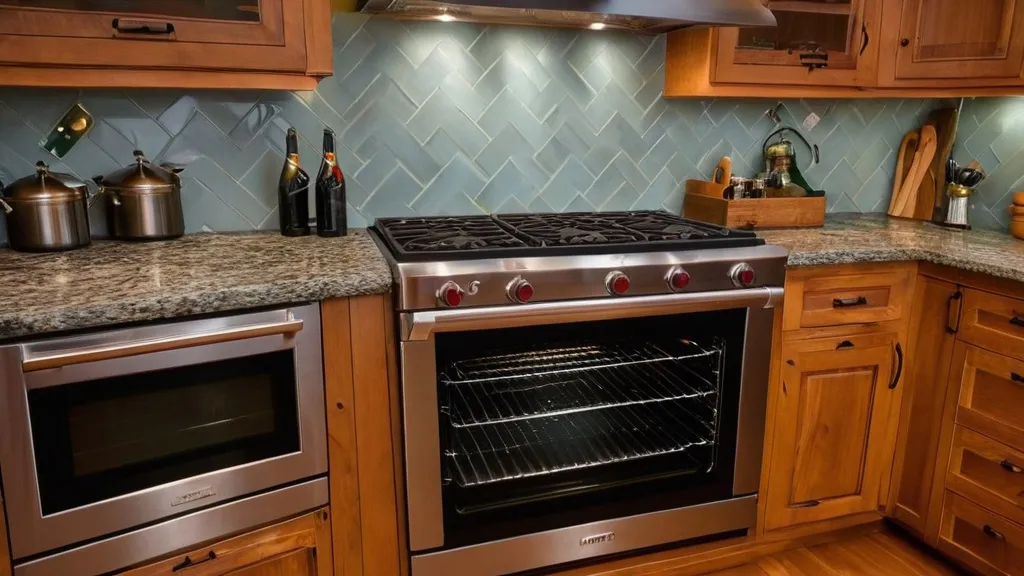
Perhaps the most disheartening problem is when your oven simply refuses to heat up. This can feel like a complete lockout from your kitchen’s primary cooking appliance.
Power Supply and Electrical Issues: The Foundation of Heat
Before you delve into the oven’s internal components, ensure the fundamental requirement for heat – electricity – is being met.
Circuit Breaker Status
The most basic check is to ensure that the circuit breaker for your oven has not tripped. If it has, reset it. If it trips again immediately, this indicates a more significant electrical problem that requires professional attention.
Understanding Common Electrical Faults
Repeatedly tripping breakers can be a sign of a short circuit within the oven’s wiring, a faulty heating element drawing excessive current, or an issue with the oven’s internal wiring harness.
Faulty Door Interlock Switch
Many ovens have a safety interlock switch that prevents the oven from heating if the door is not properly closed. If this switch is malfunctioning, it can trick the oven into thinking the door is ajar, thus preventing it from heating.
Heating Element and Igniter Failures: The Heart of the Matter
If the power supply is intact, the problem likely lies with the components responsible for generating heat.
Bake Element Malfunction
As mentioned earlier, a failed bake element is a common reason for an oven not heating. If the element is visibly damaged or doesn’t glow when the oven is set to bake, it likely needs replacement.
Broil Element Malfunction
Similarly, a non-functional broil element will prevent the oven from broiling or reaching higher temperatures that might rely on both elements.
Gas Oven Igniter Problems (if applicable)
For gas Wolf ovens, the igniter is crucial for igniting the gas. If the igniter is faulty, it will click but fail to ignite the gas, leaving your oven cold. You might hear the clicking sound but see no flame.
Self-Cleaning Function Troubles: When the Magic Fails to Materialize
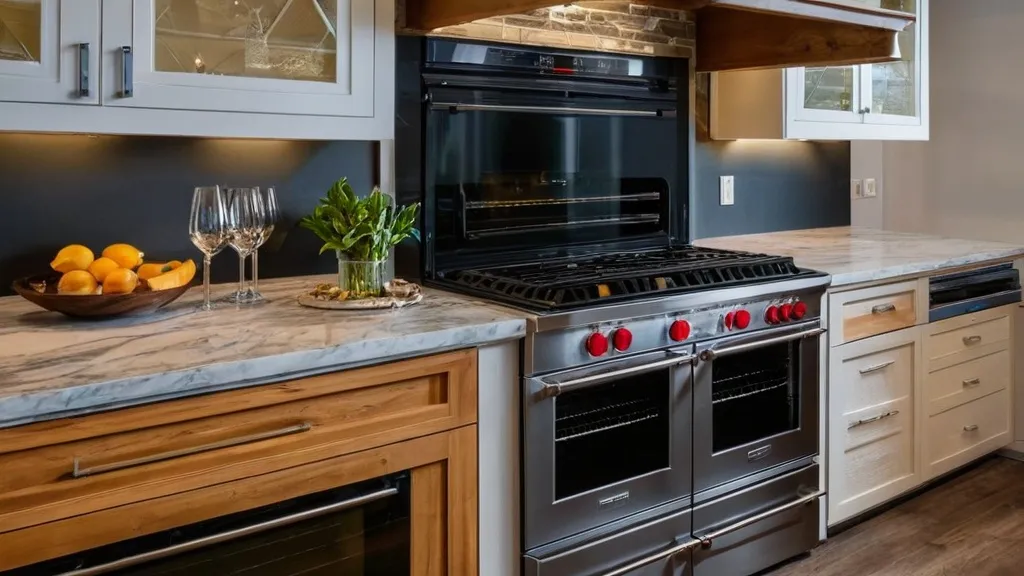
The self-cleaning feature is a hallmark of modern ovens, designed to make maintenance effortless. However, when it doesn’t perform its magic, it can be a significant inconvenience.
Issues with the Self-Cleaning Cycle
The self-cleaning cycle utilizes extremely high temperatures to burn off food residue. Problems here can range from the cycle not starting to an incomplete clean.
Door Lock Mechanism Failures
As previously touched upon, the self-cleaning cycle relies on a locked door for safety. If the door lock mechanism, or its associated sensor, is malfunctioning, the cycle will not initiate. You may see an error code related to the door lock.
Testing the Door Lock
Some models allow for manual testing of the door lock. Again, consult your manual. If the lock is not engaging or disengaging properly, it will need professional repair or replacement.
Overheating During Self-Clean
While the cycle is designed to reach high temperatures, excessive overheating or a failure of the safety cut-off can be dangerous. If you notice smoke or a burning smell that is beyond what’s expected from food residue, or if the oven appears to be overheating beyond its normal self-clean parameters, immediately turn off the oven at the breaker.
High-Limit Thermostat Role
The high-limit thermostat plays a critical role in preventing the oven from overheating during self-clean. If this safety device is faulty, it can lead to dangerous situations.
Incomplete Cleaning Results
Even if the self-cleaning cycle runs, you might find that the results are less than satisfactory, with stubborn residue remaining.
Improper Rack Placement
For optimal cleaning, oven racks are typically removed during the self-cleaning cycle. If racks are left inside, they can shield areas from the intense heat, leading to incomplete cleaning.
Excessive Food Buildup Before Self-Clean
The self-cleaning function is designed to tackle moderate food residue. If your oven is heavily soiled with large amounts of grease or baked-on food, a single self-clean cycle may not be sufficient. You might need to manually scrape off larger debris before initiating the cycle.
If you’re experiencing issues with your Wolf oven, you might find it helpful to explore related topics that can enhance your kitchen experience. For instance, understanding how to maintain other appliances can be crucial, and you can learn more about this by reading the article on dishwasher rack repair. This guide offers easy and effective solutions that can help you keep your kitchen running smoothly, ensuring that all your appliances work harmoniously together.
General Maintenance and Preventative Care: Keeping Your Wolf in Peak Condition
| Issue | Possible Cause | Troubleshooting Step | Expected Outcome |
|---|---|---|---|
| Oven not heating | Power supply issue | Check if oven is properly plugged in and circuit breaker is not tripped | Oven powers on and heats up |
| Oven temperature inaccurate | Faulty temperature sensor | Test sensor resistance and replace if out of specification | Oven maintains correct temperature |
| Oven door won’t close properly | Misaligned door or damaged gasket | Inspect door alignment and gasket condition; adjust or replace as needed | Door seals tightly and oven heats efficiently |
| Self-clean cycle won’t start | Lock mechanism malfunction | Verify door lock engages; replace lock assembly if faulty | Self-clean cycle initiates and locks door |
| Oven display shows error codes | Control board or sensor error | Refer to user manual for error code meaning; reset or replace control board/sensor | Error code clears and oven functions normally |
Proactive maintenance is the key to minimizing the need for troubleshooting. By understanding and implementing regular care, you can significantly extend the lifespan and optimal performance of your Wolf oven.
Regular Cleaning and Inspection
Consistent cleaning is not just about aesthetics; it’s about functionality.
Interior Cavity Cleaning
Wipe down the interior of your oven regularly with a mild detergent and water after it has cooled. For tougher stains, consider using a non-abrasive oven cleaner specifically designed for your oven’s finish, always following the manufacturer’s instructions.
Avoiding Harsh Chemicals and Abrasives
Harsh chemicals and abrasive scouring pads can damage the enamel coating and heating elements, leading to future problems. Treat your oven’s interior with the same care you would a fine piece of cookware.
Exterior Surface Care
Clean the exterior of your Wolf oven with a soft, damp cloth and a mild degreaser if necessary. Stainless steel surfaces often require specific cleaners to prevent streaks and maintain their luster.
Filter and Vent Maintenance
Proper airflow is crucial for oven performance.
Cleaning Oven Filters (if applicable)
Some Wolf models may have filters that require cleaning or replacement. Consult your manual to identify and maintain these components.
Ensuring Proper Vent Functionality
Ensure that the oven’s ventilation openings are free from obstruction. This allows for proper heat dissipation and airflow, preventing overheating and ensuring efficient operation.
Annual Professional Inspection
Just as you might take your car for an annual service, consider scheduling a professional inspection for your Wolf oven.
Benefits of Professional Servicing
A qualified technician can identify potential issues before they become major problems, check electrical connections, calibrate sensors, and ensure all components are functioning optimally. This is an investment in the longevity and reliability of your culinary partner.
Routine Checks by a Technician
During an annual inspection, a technician will typically check the heating elements, thermostats, igniters (for gas models), door seals, and the overall electrical system, providing peace of mind and preventing costly repairs down the line.
By understanding these troubleshooting steps and embracing a routine of preventative maintenance, you can ensure your Wolf oven remains a reliable and powerful tool in your kitchen for years to come, continuing to deliver the exceptional performance you expect.
FAQs
1. What are the common issues that can occur with a Wolf oven?
Common issues with Wolf ovens include uneven heating, the oven not reaching the desired temperature, error codes appearing on the display, the oven door not closing properly, and problems with the convection fan.
2. How can I reset my Wolf oven if it is not functioning correctly?
To reset a Wolf oven, you can usually turn off the oven at the circuit breaker or unplug it from the power source for about 30 seconds to 1 minute, then restore power. This can clear minor electronic glitches.
3. What should I do if my Wolf oven is not heating up?
If your Wolf oven is not heating, check that the oven is properly plugged in and that the circuit breaker has not tripped. Also, verify the temperature settings and ensure the door is fully closed. If these are all correct, the heating element or thermostat may need professional inspection.
4. How do I interpret error codes on a Wolf oven display?
Wolf ovens display specific error codes to indicate particular problems. Refer to the user manual for a list of error codes and their meanings. Common codes might relate to sensor failures, temperature issues, or control board errors.
5. When should I contact a professional technician for my Wolf oven?
You should contact a professional if troubleshooting steps do not resolve the issue, if there are persistent error codes, if the oven door is damaged, or if you suspect electrical or gas-related problems. Professional service ensures safety and proper repair.