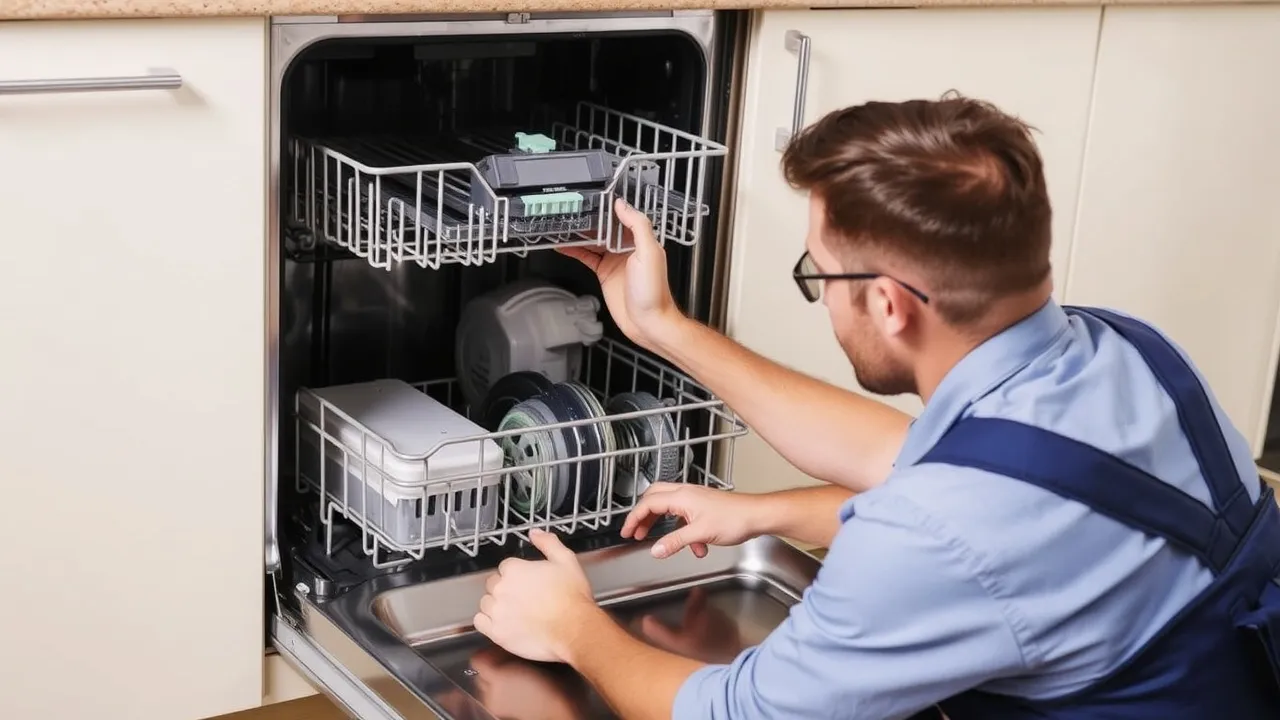
You likely interact with a multitude of household appliances daily. From the refrigerator that preserves your food to the washing machine that cleans your clothes, these devices are cornerstones of modern living. Yet, when one malfunctions, a specific professional often emerges from the shadows to restore order: the appliance repair technician. This article explores the vital role these individuals play in maintaining the functionality of contemporary households, highlighting their expertise, challenges, and the frequently overlooked impact of their work.
Table of Contents
- The Ecosystem of Household Appliances
- The Economic Ripple Effect of Malfunctions
- The Skillset: More Than Just a Wrench
- Diagnostic Prowess: The Detective Work
- The Evolving Landscape of Technology
- Safety Protocols and Regulatory Compliance
- Challenges of the Trade: A Glimpse Behind the Curtain
- The Parts Scarcity Conundrum
- Navigating Proprietary Designs and Information Gaps
- The Customer Service Dynamic
- Economic Value and Waste Reduction
- Extending Appliance Lifespans
- The Circular Economy and Resource Management
- The Human Element: Beyond the Machine
- Restoring Convenience and Comfort
- Building Trust within the Community
- The Ongoing Battle Against Obsolescence
- FAQs
- Who are appliance repair technicians?
- What types of appliances do repair technicians work on?
- Why are appliance repair technicians considered unsung heroes?
- What skills are required to become an appliance repair technician?
- How do appliance repair technicians contribute to sustainability?
- What certifications or training do appliance repair technicians need?
- How can I find a reliable appliance repair technician?
- What should I expect during an appliance repair service?
- Are appliance repairs cost-effective compared to replacement?
- How do appliance repair technicians stay updated with new technologies?
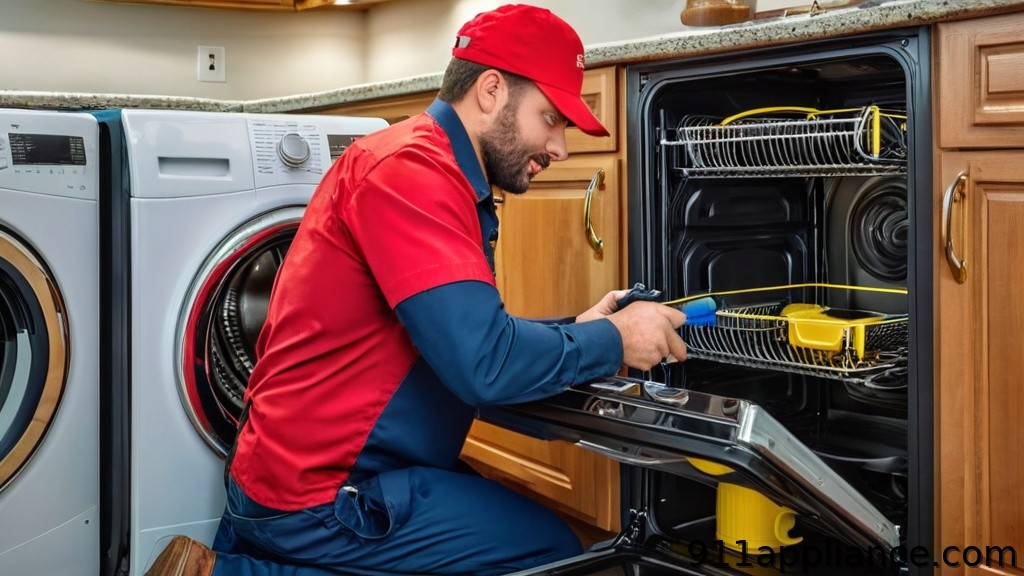
Consider your home as a complex ecosystem. Each appliance, from your oven to your dishwasher, functions as a vital organ, contributing to the overall wellbeing and efficiency of your domestic environment. When one of these organs fails, the entire system can falter, leading to significant disruption. This is where the appliance repair technician steps in – not as a mere mechanic, but as a diagnostician and restorer of your home’s critical infrastructure. You might not think of them until a crisis arises, but their continuous presence, albeit often unseen, underpins your daily comfort.
The Ecosystem of Household Appliances
Your reliance on these machines is profound. Imagine a single day without a working refrigerator in a hot climate, or without a functional washing machine with a large family. These scenarios underscore the extent to which these devices have seamlessly integrated into, and become indispensable elements of, your lifestyle. They are not luxuries; they are fundamental utilities.
The Economic Ripple Effect of Malfunctions
Beyond personal inconvenience, appliance failures carry a tangible economic cost. For a business, a malfunctioning commercial refrigerator can lead to spoiled inventory and lost revenue. For a household, the cost of replacing an expensive appliance rather than repairing it can be substantial, impacting your budget and potentially your long-term financial planning. Technicians, by offering viable repair solutions, contribute to financial prudence and resource conservation.
In the article “The Unsung Heroes: Honoring Appliance Repair Technicians,” we explore the vital role that these skilled professionals play in our daily lives. For those interested in pursuing a career in this essential field, a related resource is available that outlines the steps to become certified in appliance repair. You can read more about this process in the article found at How to Get Certified in Appliance Repair. This guide provides valuable insights into the necessary training and qualifications needed to excel in this rewarding profession.
The Skillset: More Than Just a Wrench
You might envision an appliance repair technician as someone with a basic toolbox, capable of rudimentary fixes. However, this perception dramatically underestimates the breadth and depth of knowledge required for the profession. Modern appliances are increasingly sophisticated, incorporating complex electronics, intricate mechanical systems, and software. A technician must possess a multifaceted skillset to effectively diagnose and resolve a wide array of issues.
Diagnostic Prowess: The Detective Work
Consider the process of diagnosing a faulty washing machine. Is it an electrical issue, a mechanical failure of the motor, a problem with the water inlet valve, or perhaps a control board malfunction? You, as the homeowner, might only observe a symptom – “it’s not spinning.” The technician, however, must act as a detective, systematically eliminating possibilities based on sound knowledge of the appliance’s inner workings. This requires a strong understanding of circuitry, fluid dynamics, thermodynamics, and often, rudimentary programming. They are, in essence, reverse engineers, deconstructing the problem to find its root cause.
The Evolving Landscape of Technology
The technological advancements in home appliances are relentless. Smart appliances, connected via Wi-Fi and controllable through applications, introduce an entirely new layer of complexity. A technician today might need to troubleshoot network connectivity issues alongside traditional mechanical problems. You might find your smart refrigerator refusing to dispense ice because of a software glitch, not a clogged water line. This necessitates continuous learning and adaptation from the technician as manufacturers introduce new models with innovative, and often proprietary, technologies.
Safety Protocols and Regulatory Compliance
Working with electricity and often gas lines requires strict adherence to safety protocols. A slip-up can have serious consequences, not just for the technician, but for your home and family. Appliance repair technicians are typically trained in electrical safety, gas line inspection, and often possess certifications that demonstrate their competence in handling potentially hazardous components. They understand the nuances of grounding, voltage, and amperage, ensuring that repairs are conducted safely and meet relevant regulatory standards. You are entrusting them not just with your appliance, but with the safety of your living environment.
Challenges of the Trade: A Glimpse Behind the Curtain

The role of an appliance repair technician is not without its difficulties. You might only see the end result – a functioning appliance – but the journey to that resolution can be fraught with obstacles. These challenges contribute to the often-underestimated complexity of the profession.
The Parts Scarcity Conundrum
One of the most persistent issues confronting technicians and, by extension, you, the consumer, is the availability of replacement parts. Manufacturers often discontinue parts for older models, making repairs difficult or even impossible. Furthermore, supply chain disruptions, experienced globally in recent years, can lead to extended delays in obtaining necessary components. Imagine a technician diagnosing your refrigerator compressor needs replacement, only to inform you that the part is on backorder for several weeks. This frustration is shared by both the technician and the affected household.
Navigating Proprietary Designs and Information Gaps
Each appliance manufacturer often employs proprietary designs and unique internal configurations. While basic principles of operation remain, the specific routing of wires, the placement of components, and the diagnostic codes can vary significantly from one brand to another, and even between models of the same brand. Access to detailed service manuals and technical diagrams is crucial, yet this information is not always readily accessible, particularly for independent technicians not directly affiliated with a specific brand. This forces technicians to rely on their experience, problem-solving skills, and often, an extensive network of peers.
The Customer Service Dynamic
Beyond technical expertise, technicians are also customer service representatives. They interact with individuals who are often stressed, frustrated, or inconvenienced by a broken appliance. Maintaining professionalism, empathy, and clear communication while explaining complex technical issues in layman’s terms is a key aspect of their job. You, as the customer, expect a resolution, but also respect and clear explanations. A skillful technician understands this delicate balance.
Economic Value and Waste Reduction
You might not immediately connect appliance repair with environmental sustainability, but there is a tangible link. The work of these technicians contributes significantly to reducing electronic waste and promoting a more circular economy.
Extending Appliance Lifespans
Every successful repair extends the operational life of an appliance, delaying its eventual disposal. This directly translates to fewer appliances ending up in landfills, mitigating the environmental burden associated with manufacturing new units and disposing of old ones. Consider the energy and resources required to produce a new refrigerator; repairing an existing one negates the need for that expenditure. You are, through repair, contributing to a more sustainable consumption model.
The Circular Economy and Resource Management
The concept of a circular economy emphasizes keeping resources in use for as long as possible. Appliance repair is a cornerstone of this philosophy. Instead of a linear “make-use-dispose” model, repair promotes a “make-use-repair-reuse” cycle. This minimizes the extraction of new raw materials and reduces the quantity of waste generated, aligning with broader environmental conservation efforts. Your decision to repair rather than replace has a quantifiable, positive impact.
In the discussion about the vital role of appliance repair technicians, it’s important to also consider the financial aspects of their work. Many homeowners may find themselves unsure about how to approach the costs associated with repairs. For insights on this topic, you can explore a related article that offers valuable tips for negotiating appliance repair estimates. Understanding these strategies can help you appreciate the expertise of these unsung heroes even more, as they not only fix our appliances but also navigate the complexities of pricing in their profession. You can read more about it in this helpful guide on negotiating appliance repair estimates.
The Human Element: Beyond the Machine
| Metric | Value | Description |
|---|---|---|
| Average Years of Experience | 8 | Typical experience level of appliance repair technicians |
| Annual Service Calls | 1,200 | Average number of repair jobs handled per technician per year |
| Customer Satisfaction Rate | 92% | Percentage of customers satisfied with repair services |
| Common Appliances Repaired | Refrigerators, Washers, Dryers, Ovens | Most frequently serviced household appliances |
| Average Repair Time | 1.5 hours | Typical duration to complete a repair job |
| Certification Rate | 75% | Percentage of technicians with formal appliance repair certification |
| Emergency Repair Calls | 30% | Proportion of urgent or same-day repair requests |
| Technician Job Growth (5 years) | 10% | Projected increase in appliance repair technician jobs |
While their focus is on machines, the work of appliance repair technicians often involves a profound human element. They are, in a sense, problem-solvers for daily life, restoring a sense of normalcy and comfort to your household.
Restoring Convenience and Comfort
When your washing machine breaks down, you might face the prospect of trips to the laundromat, hand washing, or accumulating piles of dirty clothes. When your oven fails, meal preparation becomes significantly more challenging. The technician, by fixing these issues, restores convenience and comfort to your home, mitigating stress and allowing you to resume your regular routine. Their impact is not just mechanical; it is deeply personal.
Building Trust within the Community
A reliable appliance repair technician can become a trusted resource within a community. Word-of-mouth recommendations are powerful, and a technician who consistently provides competent, honest, and timely service earns respect and fosters trust. You, as a homeowner, value knowing that when an appliance emergency strikes, there’s a dependable professional you can call upon. This builds a vital network of support that contributes to the overall resilience of local services.
The Ongoing Battle Against Obsolescence
In an era often dominated by planned obsolescence, where products are seemingly designed to have a limited lifespan, appliance repair technicians stand as a bulwark. They are the frontline fighters against the “throwaway” culture, demonstrating that many appliances can indeed be fixed and given a new lease on life. You, by choosing repair, actively participate in this resistance, demanding durability and sustainability from manufacturers.
In conclusion, the appliance repair technician is far more than a simple handyman. You are interacting with a highly skilled professional who possesses a diverse knowledge base, navigates complex technical challenges, and often operates under demanding circumstances. Their work is essential for the seamless functioning of your home, contributes to economic stability, and plays an understated but critical role in environmental sustainability. Next time your dishwasher sputters or your dryer refuses to heat, take a moment to appreciate the expertise and dedication of the unsung hero who can bring your household back online.
FAQs
Who are appliance repair technicians?
Appliance repair technicians are skilled professionals who diagnose, maintain, and fix household and commercial appliances such as refrigerators, washing machines, ovens, and dishwashers.
What types of appliances do repair technicians work on?
They work on a wide range of appliances including kitchen appliances (ovens, microwaves, refrigerators), laundry machines (washers and dryers), heating and cooling systems, and sometimes small household devices.
Why are appliance repair technicians considered unsung heroes?
They are often called unsung heroes because they play a crucial role in maintaining the functionality of essential household appliances, saving consumers money, reducing waste, and ensuring convenience, yet they typically receive little public recognition.
What skills are required to become an appliance repair technician?
Key skills include technical knowledge of electrical and mechanical systems, problem-solving abilities, attention to detail, customer service skills, and often formal training or certification in appliance repair.
How do appliance repair technicians contribute to sustainability?
By repairing appliances instead of replacing them, technicians help reduce electronic waste and the environmental impact associated with manufacturing and disposing of appliances.
What certifications or training do appliance repair technicians need?
Many technicians complete vocational training programs and obtain certifications from organizations such as the Professional Service Association (PSA) or manufacturer-specific certifications to demonstrate their expertise.
How can I find a reliable appliance repair technician?
You can find reliable technicians through recommendations, online reviews, professional associations, or by contacting appliance manufacturers for authorized service providers.
What should I expect during an appliance repair service?
A technician will typically diagnose the problem, explain the issue and repair options, provide a cost estimate, perform the repair, and test the appliance to ensure it is functioning properly.
Are appliance repairs cost-effective compared to replacement?
In many cases, repairing an appliance is more cost-effective than replacing it, especially if the appliance is relatively new or the repair is minor. However, the decision depends on the appliance’s age, condition, and repair cost.
How do appliance repair technicians stay updated with new technologies?
Technicians often participate in ongoing training, attend workshops, and obtain certifications to keep up with advancements in appliance technology and repair techniques.