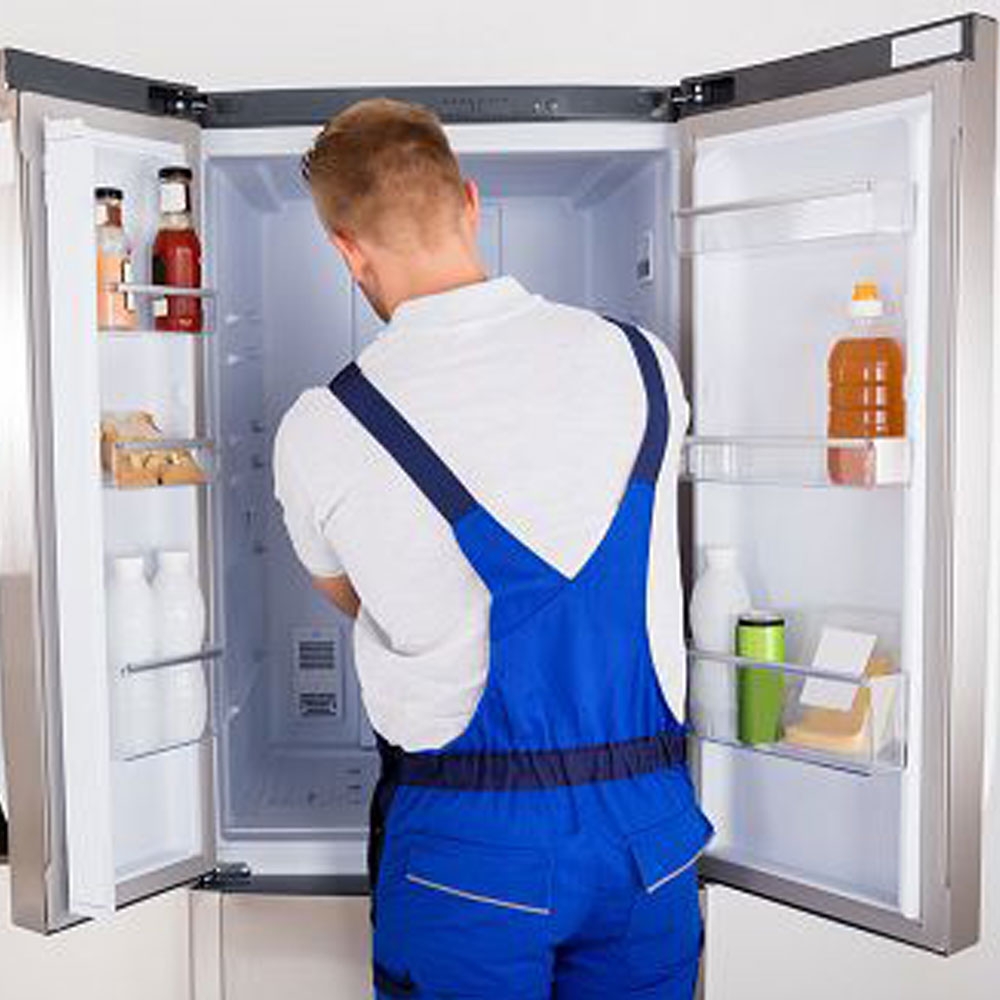
Refrigerator malfunctions can disrupt household routines. When a refrigerator ceases to function, food spoilage becomes a concern, impacting both finances and convenience. This article outlines factors involved in identifying and securing efficient refrigerator repair services.
Table of Contents
- Common Refrigerator Issues
- Diagnostic Steps for Homeowners
- The Urgency of Quick Repair
- Preventing Food Spoilage
- Minimizing Downtime
- Locating Reliable Service Providers
- Online Search Strategies
- Evaluating Potential Repair Services
- The Repair Process
- Initial Contact and Scheduling
- On-Site Diagnosis and Estimation
- Execution of Repair
- Post-Repair Considerations
- Warranty Claims
- Preventative Maintenance
- When to Consider Replacement
Understanding the symptoms of a malfunctioning refrigerator is the first step toward resolution. Early detection can prevent more extensive damage and costly repairs.
Common Refrigerator Issues
Several common issues may indicate a need for professional intervention.
- Failure to Cool: The most critical function of a refrigerator is maintaining a low temperature. If the appliance is not cooling adequately, food preservation is compromised. This can be due to a faulty thermostat, compressor issues, or refrigerant leaks.
- Excessive Noise: Refrigerators typically produce a low hum. Unusual noises, such as grinding, buzzing, or clicking, often signal mechanical problems within the compressor, condenser fan, or evaporator fan.
- Water Leaks: Puddles of water inside or outside the refrigerator are indicative of blockages or component failures. Clogged defrost drains, damaged water lines, or a malfunctioning water inlet valve are common culprits.
- Frequent Cycling: A refrigerator that cycles on and off too frequently may be experiencing issues with its thermostat, condenser coils, or a sealed system leak. Consistent cycling attempts to maintain temperature, but excessive operation wastes energy and wears down components.
- Ice Buildup in Freezer or Refrigerator Compartment: While freezers are designed to create ice, excessive buildup in either compartment suggests problems with the defrost system, door seals, or temperature control.
- Food Freezing in Refrigerator: If items in the fresh food compartment are partially frozen, the temperature setting may be too low, or there might be an issue with the thermostat or damper control, which regulates cold air flow.
- Door Seal Issues: Worn or damaged door gaskets allow warm air to enter the refrigerator, forcing the compressor to work harder. This results in temperature fluctuations and increased energy consumption.
Diagnostic Steps for Homeowners
While professional diagnosis is ultimately required, some initial checks can provide context.
- Check Power Supply: Ensure the refrigerator is properly plugged into a functioning outlet. Test the outlet with another appliance.
- Verify Temperature Settings: Confirm that the thermostat is set to the appropriate temperature for both the refrigerator and freezer compartments.
- Inspect Door Seals: Examine the door gaskets for tears, gaps, or signs of wear. A simple dollar bill test (placing a bill between the door and frame and attempting to pull it out) can indicate seal integrity.
- Clean Condenser Coils: Dust and debris on condenser coils can impede heat dissipation, reducing cooling efficiency. Located at the back or bottom of the refrigerator, these coils should be cleaned periodically.
- Observe Internal Lights: If the internal light does not illuminate, it may indicate a broader electrical problem or a simple bulb replacement.
If you’re looking for tips on how to extend the lifespan of your refrigerator, you might find this article on appliances particularly useful. It discusses various appliances, including refrigerators, and offers insights into maintenance practices that can help you avoid frequent repairs. For more information, check out the article here: Examples of Appliances with Extended Lifespan. This knowledge can be invaluable when considering refrigerator repair near you, as it emphasizes the importance of proper care and timely servicing.
The Urgency of Quick Repair
A non-functioning refrigerator is not merely an inconvenience; it represents a tangible loss of resources. The clock begins ticking once cooling ceases.
Preventing Food Spoilage
The primary concern with a malfunctioning refrigerator is the rapid deterioration of perishable food items.
- Temperature Danger Zone: Food safety guidelines define a “temperature danger zone” (usually between 40°F and 140°F or 4°C and 60°C) where bacteria multiply rapidly. Refrigerators must maintain temperatures below this zone to safely store food.
- Financial Implications: Discarding spoiled groceries leads to financial loss. The cost of replacing food can often be comparable to or even exceed the cost of a timely repair.
- Health Risks: Consuming food that has been improperly stored or has entered the temperature danger zone can lead to foodborne illnesses.
Minimizing Downtime
Protracted repair times can disrupt household routines and meal planning.
- Daily Life Impact: The absence of a functional refrigerator necessitates alternative food storage solutions, such as coolers with ice, or increased reliance on takeout and restaurant meals, which carry additional costs.
- Appliance Longevity: Addressing problems promptly can prevent secondary damage. For instance, a struggling compressor, if left unaddressed, may fail completely, leading to a more expensive repair or replacement.
Locating Reliable Service Providers
The search for refrigerator repair services requires a methodical approach to ensure both effectiveness and ethical practice.
Online Search Strategies
The internet serves as the primary tool for locating local service providers.
- Specific Search Terms: Using precise terms like “refrigerator repair near me,” “[your city] refrigerator repair,” or “emergency refrigerator repair” will yield more relevant results. Including the brand of your appliance (e.g., “Samsung refrigerator repair”) can also narrow the search.
- Mapping Services: Platforms like Google Maps not only list businesses but also provide customer reviews, operating hours, and contact information. The location proximity feature can be particularly useful for “near me” searches.
- Appliance Brand Websites: Many appliance manufacturers maintain a directory of authorized service technicians. These technicians often specialize in specific brands and may have access to proprietary parts and diagnostic tools.
Evaluating Potential Repair Services
Choosing a repair service involves assessing several factors beyond initial availability.
- Licensing and Insurance: Verify that the repair company is properly licensed to operate in your area and carries adequate insurance. This protects both the customer and the technicians.
- Certifications: Technicians may hold certifications from organizations such as the National Appliance Service Technician Certification (NASTeC) or specific manufacturer training programs. These indicate a level of competency.
- Customer Reviews and Reputation: Online review platforms (e.g., Google Reviews, Yelp, Better Business Bureau) offer insights into a company’s reliability, customer service, and technical proficiency. Look for consistent positive feedback and how the company addresses negative reviews. Be wary of services with an overwhelming number of generic or potentially fake reviews.
- Transparent Pricing Structure: Reputable companies provide clear estimates before commencing work. Inquire about diagnostic fees, labor charges, and parts costs. Avoid services that provide vague pricing or demand upfront payment for the entire repair without a detailed breakdown.
- Warranty on Parts and Labor: A warranty on both parts and labor demonstrates confidence in the quality of their work. Understand the duration and terms of the warranty.
- Response Time and Availability: For urgent repairs, inquire about typical response times. Some services offer emergency or same-day appointments, which can be crucial for minimizing food spoilage.
- Experience with Specific Brands/Models: While most technicians can handle various brands, some specialize. If you have a high-end or unusual model, finding a technician with specific experience can be advantageous.
The Repair Process
Once a service provider is selected, understanding the repair process helps manage expectations.
Initial Contact and Scheduling
The first step involves clear communication with the repair service.
- Detailed Problem Description: Provide a comprehensive description of the refrigerator’s symptoms, including unusual noises, cooling issues, and any error codes displayed. The more information provided, the better the technician can prepare.
- Appliance Information: Have the make, model number, and serial number of your refrigerator ready. This information is typically found on a sticker inside the door frame or on the back of the appliance. This assists technicians in identifying potential parts needed.
- Scheduling Options: Discuss available appointment slots and confirm the expected arrival window for the technician.
On-Site Diagnosis and Estimation
The technician’s visit will involve diagnosis and a detailed proposal for repair.
- Thorough Inspection: The technician will conduct a systematic inspection of the refrigerator, checking components such as the compressor, condenser, evaporator fan, thermostat, and door seals. They may use specialized tools to diagnose electrical issues or refrigerant levels.
- Identification of Root Cause: The goal is to pinpoint the exact component or system responsible for the malfunction.
- Repair Proposal: Following diagnosis, the technician will present a repair plan, including the identified problem, the necessary parts, labor costs, and the total estimated price.
- Discussion of Options: In some cases, multiple repair options may exist, or the cost of repair might approach the cost of a new appliance. A reputable technician will discuss these scenarios transparently. For severe cases, they might recommend replacement, particularly if the appliance is old or suffers from multiple, costly failures.
- Approval to Proceed: No repair work should begin without the homeowner’s explicit approval of the estimate.
Execution of Repair
Once approved, the technician will proceed with the repair.
- Part Replacement: This may involve replacing faulty components such as thermostats, relays, start capacitors, fan motors, defrost timers, or evaporator coils.
- Refrigerant Recharge (if applicable): If the issue is a refrigerant leak, the technician will locate and repair the leak before recharging the system. This often requires specialized equipment and EPA certification.
- Testing and Verification: After repairs are completed, the technician will test the refrigerator’s functionality to ensure proper operation, including temperature regulation and cooling cycles.
If you’re experiencing issues with your refrigerator and searching for reliable refrigerator repair near me, it’s essential to consider preventive measures to avoid future problems. A helpful resource that discusses various strategies for maintaining your appliances can be found in this article on preventive measures. By following these tips, you can extend the lifespan of your refrigerator and minimize the need for repairs. For more information, check out the article here.
Post-Repair Considerations
| Service Provider | Average Repair Time (hours) | Customer Rating (out of 5) | Common Issues Fixed | Service Area | Contact Number |
|---|---|---|---|---|---|
| 9 1 1 Appliance | 2-4 | 4.7 | Compressor issues, Thermostat replacement, Leak repairs | San Diego | (619) 640-3919 |
After the repair, a few steps ensure long-term satisfaction and preventive maintenance.
Warranty Claims
Understanding the warranty is crucial if issues persist.
- Coverage Details: Revisit the warranty provided on parts and labor. Should the same issue recur within the warranty period, the repair service should address it at no additional cost.
- Documentation: Keep all repair receipts, invoices, and warranty information for future reference.
Preventative Maintenance
Regular maintenance can extend the life of your refrigerator and prevent future breakdowns.
- Regular Cleaning of Condenser Coils: Dust and pet hair accumulation on condenser coils hinder heat exchange. Cleaning them every 6-12 months improves efficiency and reduces compressor strain.
- Inspecting Door Gaskets: Periodically check door seals for cracks, tears, or signs of wear. Clean them with mild soap and water to maintain flexibility and a tight seal.
- Checking Temperature Settings: Ensure that the refrigerator and freezer temperatures are set to optimal levels (typically 35-38°F for refrigerators and 0°F for freezers).
- Avoiding Overloading: Overpacking a refrigerator obstructs air circulation, making it harder for the appliance to maintain consistent temperatures.
- Defrosting (for manual defrost models): For manual defrost freezers, regular defrosting prevents excessive ice buildup, which reduces storage space and efficiency.
When to Consider Replacement
There are circumstances where repair is not the most economical choice.
- Age of Appliance: The average lifespan of a refrigerator is 10-15 years. If your appliance is approaching or beyond this age, and a major component like the compressor fails, the cost of repair might be a significant portion of a new unit’s price.
- Cost vs. New Appliance: If the estimated repair cost is 50% or more of the cost of a comparable new refrigerator, it’s often more financially prudent to invest in a new, more energy-efficient model.
- Repeated Breakdowns: An appliance that consistently requires repairs might be a “lemon.” Continuous breakdowns indicate underlying issues that may not be fully resolved with individual fixes.
- Energy Efficiency: Older refrigerators consume significantly more energy than newer, ENERGY STAR certified models. While a repair might fix the immediate issue, it won’t address the ongoing higher utility costs. A new appliance can offer long-term savings.
- Availability of Parts: For very old or discontinued models, finding replacement parts can become difficult or impossible, making repair unfeasible.
In summary, a malfunctioning refrigerator demands prompt attention. By understanding the common issues, knowing how to locate and evaluate repair services, and implementing preventative measures, homeowners can navigate these situations effectively, ensuring both food safety and the longevity of their appliance.