Table of Contents
- Common Appliance Issues
- Refrigerator Problems
- Identifying the Appliance Model and Issue
- Finding Local Appliance Repair Providers
- Search Strategies for Local Services
- Evaluating Potential Repair Services
- Understanding Service Area and Availability
- The Repair Process: From Diagnosis to Completion
- Scheduling the Service Call
- The Technician’s Arrival and Diagnosis
- Parts Ordering and Repair Execution
- Testing and Verification
- Factors Contributing to Reliability
- Professionalism and Communication
- Guarantees and Warranties
- Transparent Pricing and Fair Charges
- The Importance of Regular Appliance Maintenance
- Preventive Measures for Appliance Longevity
- When to Call a Professional
Home appliance repair services are a vital component of modern household maintenance. Appliances such as refrigerators, washing machines, ovens, and dishwashers are integral to daily life, and their malfunction can disrupt routines and cause significant inconvenience. Locating a reputable and efficient repair service is therefore a priority for many homeowners and renters. This article outlines the key considerations when seeking “quick and reliable home appliance repair Near Me,” focusing on the factors that contribute to a positive customer experience.
The first step in finding a repair service is to accurately identify the problem with the appliance. This allows for a more targeted search and clearer communication with potential repair technicians.
Common Appliance Issues
Appliances can fail for a multitude of reasons, ranging from simple user error to complex mechanical breakdowns.
Refrigerator Problems
Refrigerators, the guardians of perishable food, can exhibit a range of issues. These include:
- Not cooling: This could be due to a malfunctioning compressor, a faulty thermostat, or a refrigerant leak. The condenser coils, often found at the back or bottom of the unit, can also become blocked with dust, impeding heat dissipation. This is akin to a car’s radiator becoming clogged, preventing essential cooling.
- Leaking water: A blocked defrost drain, a damaged water inlet valve, or a cracked ice maker line can lead to water accumulation.
- Making unusual noises: Grinding, buzzing, or clicking sounds can indicate issues with the fan motor, compressor, or evaporator.
- Freezer not freezing: Similar to cooling issues, this can point to compressor problems, refrigerant loss, or a faulty defrost system.
Washing Machine Malfunctions
Washing machines, the workhorses of laundry rooms, are prone to various operational faults.
- Not draining or spinning: This is often caused by a clogged pump filter, a damaged drain hose, or a faulty pump motor.
- Making excessive noise: Squealing, banging, or thumping can signal worn bearings, unbalanced loads, or loose components.
- Not filling with water: This may be due to a water inlet valve issue, a problem with the water supply hose, or a clogged filter.
- Leaking water: Damaged door seals, faulty hoses, or cracks in the drum can be the culprits.
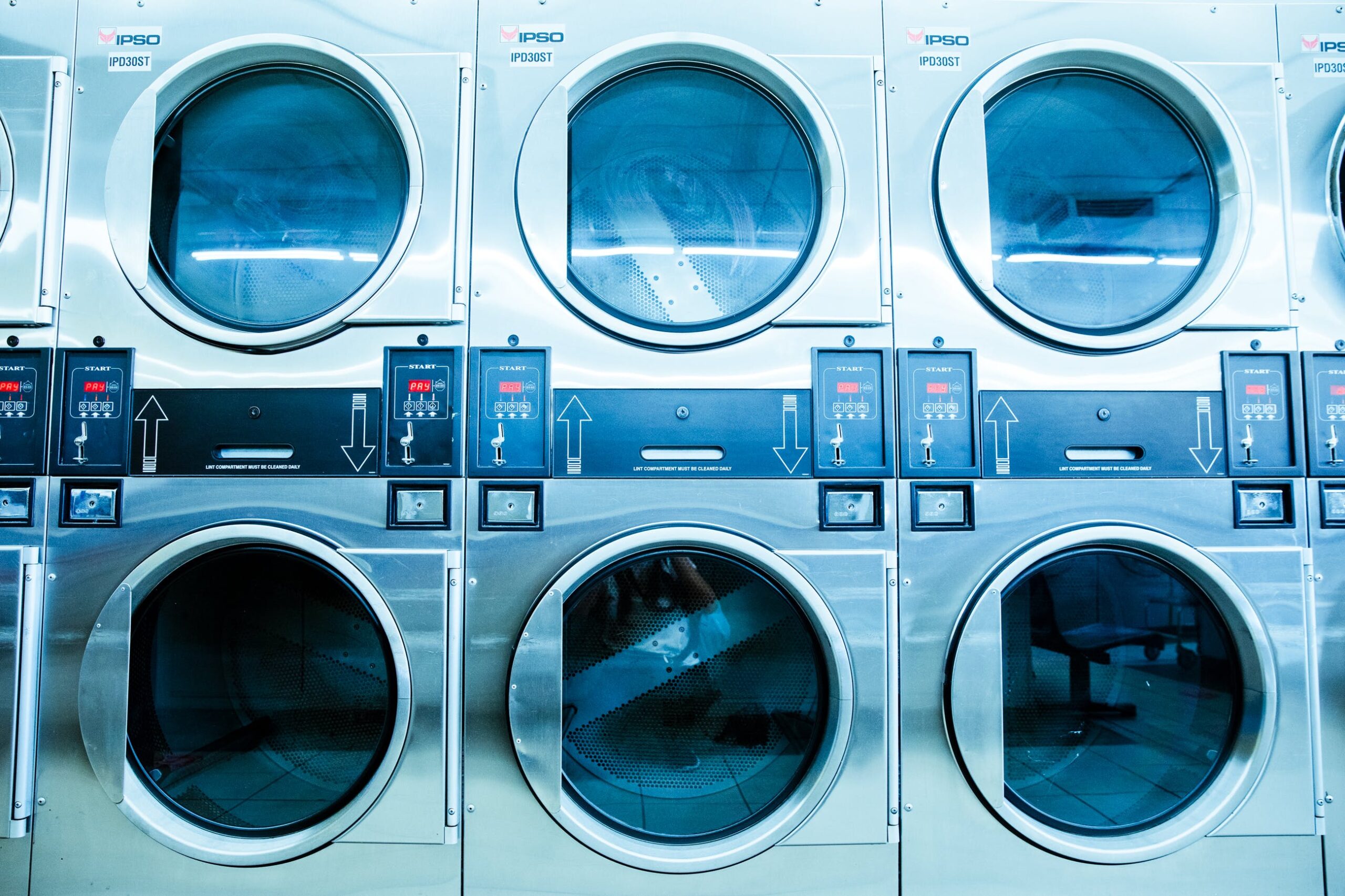
Dryer Inefficiencies
Dryers, responsible for efficient garment drying, can also develop problems.
- Not heating: This can be attributed to a faulty heating element, a blown thermal fuse, or a malfunctioning gas valve (for gas dryers).
- Not tumbling: A broken belt, a worn motor, or a damaged pulley system could prevent drum rotation.
- Overheating: A clogged lint filter or vent can restrict airflow, causing the dryer to overheat and potentially pose a fire hazard. This is similar to a chimney becoming blocked, leading to dangerous heat buildup.
- Making unusual noises: Thumping or squealing can indicate worn drum rollers, bearings, or a loose blower wheel.
Oven and Stove Issues
Ovens and stoves, central to meal preparation, can present several challenges.
- Not heating: For electric ovens, a faulty heating element or thermostat is often the cause. Gas ovens may have issues with the igniter or gas valve.
- Uneven heating: This can be a sign of a malfunctioning thermostat or a problem with the heating element’s distribution.
- Burner not working: For gas stoves, issues can arise with the igniter or gas supply. Electric burners might have faulty coils or internal wiring problems.
- Self-cleaning function failure: This complex feature can fail due to electronic control board issues or problems with the locking mechanism.
Dishwasher Difficulties
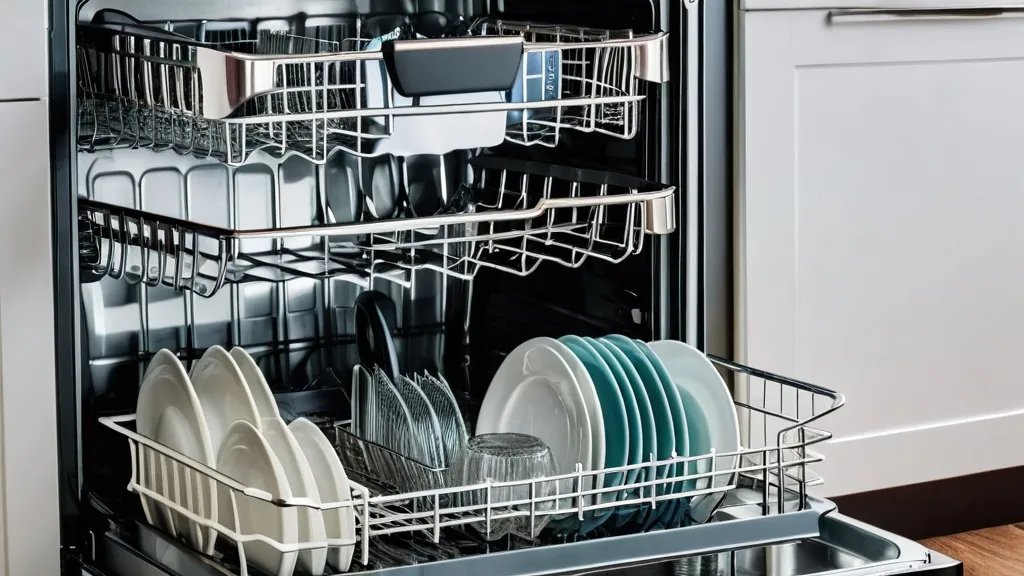
Dishwashers, designed for convenience, can encounter operational setbacks.
- Not cleaning effectively: This can be due to clogged spray arms, a faulty wash pump, or insufficient water temperature.
- Not draining: A clogged drain hose, a faulty drain pump, or a problem with the air gap can prevent water from being expelled.
- Leaking water: Damaged door seals, a cracked tub, or a faulty water inlet valve are common causes.
- Making unusual noises: Grinding or rattling can indicate debris in the wash pump or a problem with the motor.
Identifying the Appliance Model and Issue
Before contacting a repair service, it is beneficial to locate the appliance’s model and serial number. This information is typically found on a sticker or plate on the back, side, or inside the appliance door. Having this readily available can expedite the diagnostic process for the technician. Additionally, a precise description of the problem, including when it started and any specific symptoms, will aid in efficient troubleshooting.
If you’re looking for insights into the world of home appliance repair, you might find this article particularly interesting: The Unsung Heroes: A Tribute to Appliance Repair Men. It highlights the essential role that repair technicians play in our daily lives and emphasizes the importance of their skills in keeping our appliances running smoothly. Whether you’re in need of immediate repair services or simply want to appreciate the craftsmanship behind appliance maintenance, this article offers a compelling perspective.
Finding Local Appliance Repair Providers
The “Near Me” aspect of home appliance repair emphasizes the importance of accessibility and promptness. Proximity often translates to faster service and potentially lower travel fees.
Search Strategies for Local Services
Several methods can be employed to locate qualified repair technicians in your vicinity.
Online Search Engines and Directories
Using search engines like Google, Bing, or DuckDuckGo with terms such as “appliance repair [your city/zip code],” “washing machine repair service near me,” or “refrigerator repairman [your neighborhood]” will yield a list of local businesses. Online directories like Yelp, Angi (formerly Angie’s List), and the Better Business Bureau (BBB) provide customer reviews and ratings, which can be invaluable in assessing a service’s reputation. These platforms act as a compass, guiding you through a sea of options.
Local Classifieds and Community Boards
While less common for immediate needs, local newspapers or community online forums might list appliance repair services, especially smaller, independent operators. This approach can sometimes uncover hidden gems with a strong local following.
Recommendations from Friends and Neighbors
Word-of-mouth referrals are often the most trustworthy. If you know someone who has recently had a positive experience with an appliance repair service, consider them first. Their firsthand accounts can offer a reliable preview of the service quality.
Evaluating Potential Repair Services
Once a list of potential providers is compiled, it is crucial to vet them to ensure they meet your needs for speed and reliability.
Checking for Specializations and Certifications
Many repair services specialize in specific appliance brands or types. If you have a particular brand, look for technicians who are authorized or have extensive experience with it. Certifications from industry organizations can also indicate a technician’s proficiency and adherence to professional standards.
Reviewing Online Reviews and Testimonials
Pay close attention to customer reviews. Look for patterns in feedback, both positive and negative. Frequent mentions of promptness, professionalism, fair pricing, and successful repairs are good indicators. Conversely, recurring complaints about delayed service, incomplete repairs, or misleading charges should be a red flag.
Understanding Service Area and Availability
Confirm that the repair service operates within your geographical area. Proximity is a key factor in the “quick” aspect of the search. Furthermore, inquire about their availability. Do they offer same-day or next-day service for urgent repairs? Understanding their typical response times will help manage expectations.
The Repair Process: From Diagnosis to Completion
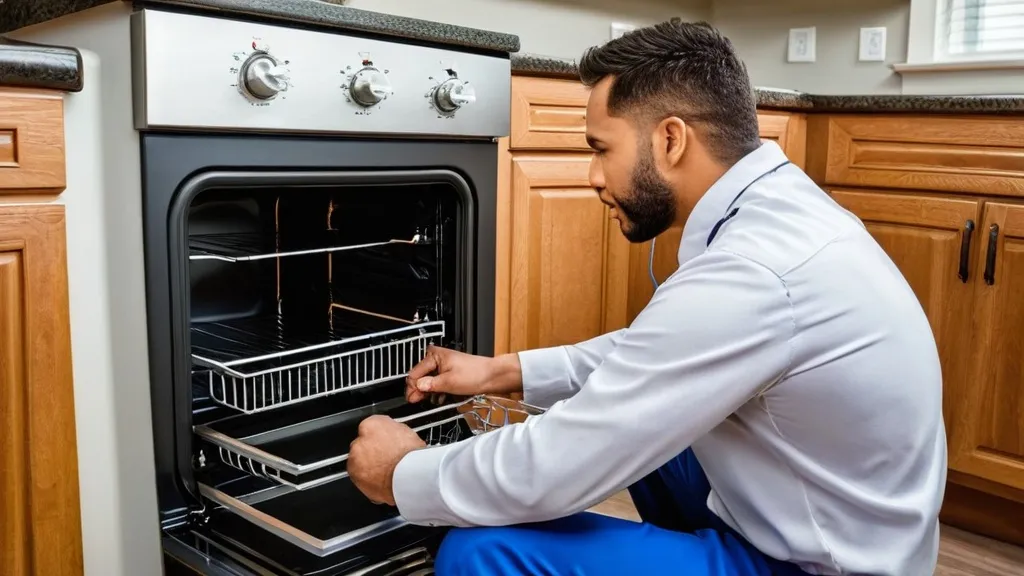
A smooth repair process relies on clear communication, efficient diagnostics, and competent execution.
Scheduling the Service Call
The initial contact with the repair service will involve scheduling an appointment. Be prepared to provide your contact information, the appliance make and model, and a detailed description of the problem. The service representative will likely give you a time window for the technician’s arrival. This initial conversation is the prologue to the repair narrative.
Initial Contact and Information Gathering
When you call, be ready to answer questions about:
- Appliance type: Refrigerator, washing machine, oven, etc.
- Brand and model number: Crucial for ordering parts if necessary.
- Nature of the problem: Symptoms, when it started, any error codes displayed.
- Your availability: Preferred days and times for the visit.
Setting Expectations for Arrival Time
The service provider should give you an estimated arrival time for the technician. While a precise minute might be difficult to guarantee, a clear time frame (e.g., “between 9 AM and 12 PM”) is standard. Be aware that unforeseen circumstances can sometimes lead to delays.
The Technician’s Arrival and Diagnosis
Upon arrival, the technician will assess the situation. This phase is critical for accurate problem identification.
Initial Assessment and Diagnostic Procedures
The technician will typically:
- Observe the appliance: Look for any visible signs of damage or malfunction.
- Ask clarifying questions: To further understand the problem from your perspective.
- Perform diagnostic tests: Using specialized tools to pinpoint the root cause. This might involve checking electrical components, testing pressure, or inspecting internal parts.
Explaining the Problem and Proposed Solution
Once the diagnosis is complete, the technician should clearly explain the issue to you. They should outline the necessary repairs, the parts required, and an estimate of the labor costs. Transparency at this stage is paramount.
Parts Ordering and Repair Execution
If the repair involves replacing parts, the process might require a follow-up visit depending on availability.
Identifying and Sourcing Necessary Parts
The technician will identify the specific parts needed for the repair. If the parts are not in stock, they will need to be ordered. Reliable repair services maintain relationships with parts suppliers to minimize delays. The availability of a specific part can be a bottleneck, much like waiting for a crucial component in a complex machine.
Performing the Repair Work
With the diagnosis confirmed and parts in hand, the technician will proceed with the repair. This involves disassembling necessary components, replacing faulty parts, and reassembling the appliance.
Testing and Verification
After the repair is completed, it is essential to ensure the appliance is functioning correctly.
Post-Repair Testing
The technician will run the appliance through a series of tests to verify that the problem has been resolved and that it is operating optimally. For example, a refrigerator would be checked for proper cooling, and a washing machine for its full cycle functionality.
Customer Sign-off and Warranty
Once you are satisfied with the repair, you will typically sign off on the service. Reputable repair services offer a warranty on their work and the parts they install. This provides an added layer of security and assurance.
Factors Contributing to Reliability
Reliability in appliance repair is not just about fixing the immediate problem; it encompasses the entire customer experience.
Professionalism and Communication
A reliable service provider emphasizes professional conduct and clear communication throughout the process.
Technician Demeanor and Expertise
Technicians should be polite, respectful of your property, and possess the technical skills to diagnose and repair the appliance effectively. They should be able to explain the problem and solution in a way that is understandable to the customer.
Timeliness and Punctuality
While emergencies happen, a consistently punctual service is a hallmark of reliability. This includes arriving within the scheduled time frame and completing the repair efficiently.
Guarantees and Warranties
The presence of warranties and guarantees provides a safety net for the customer.
Warranty on Parts and Labor
A reputable repair service will offer a warranty on both the parts they use and the labor they provide. This demonstrates their confidence in the quality of their work and their commitment to customer satisfaction. It is the promise that the fix will hold.
Service Guarantees
Some services may offer guarantees on their repairs, promising to return and fix any issues that arise from the initial repair free of charge within a specified period.
Transparent Pricing and Fair Charges
Trust is built on honesty. Customers should feel confident that they are being charged fairly for the services rendered.
Detailed Estimates and Invoices
Before any work begins, obtain a detailed estimate of the costs involved. The final invoice should clearly itemize parts and labor. Hidden fees or exorbitant charges are clear indicators of an unreliable service.
Avoiding Unnecessary Upselling
Reliable technicians focus on solving the problem at hand and do not try to upsell unnecessary services or parts, which can erode customer trust.
If you’re looking for reliable home appliance repair services near you, it’s essential to find a trustworthy provider who can handle a variety of issues. A great resource to consider is an article that discusses the benefits of professional appliance repair and how it can save you time and money. You can read more about it in this informative piece on better appliance repair. This article provides insights into common appliance problems and tips for selecting the right repair service, ensuring that your appliances are in good hands.
The Importance of Regular Appliance Maintenance
| Service | Average Repair Time | Customer Rating (out of 5) | Common Issues Fixed | Average Cost |
|---|---|---|---|---|
| Refrigerator Repair | 2-4 hours | 4.3 | Cooling problems, leaks, compressor issues | 120-250 |
| Washing Machine Repair | 1-3 hours | 4.5 | Drum not spinning, water leakage, drainage issues | 100-200 |
| Dishwasher Repair | 1-2 hours | 4.2 | Not draining, not cleaning properly, door latch issues | 90-180 |
| Oven Repair | 2-3 hours | 4.0 | Heating problems, thermostat issues, ignition failure | 110-220 |
| Microwave Repair | 1-2 hours | 4.1 | Not heating, turntable issues, keypad malfunction | 80-150 |
While this article focuses on repair, proactive maintenance can often prevent the need for costly and inconvenient service calls.
Preventive Measures for Appliance Longevity
Simple steps can extend the lifespan of your appliances and reduce the likelihood of unexpected breakdowns.
Cleaning and Inspection Routines
Regularly cleaning lint filters in dryers, condenser coils on refrigerators, and dishwasher filters can significantly improve efficiency and prevent malfunctions. Visually inspecting hoses and connections for wear and tear is also advisable.
Understanding User Manuals
The user manual for each appliance contains valuable information regarding maintenance and troubleshooting. Familiarizing yourself with it can help in identifying minor issues before they escalate.
When to Call a Professional
While some minor maintenance can be done by homeowners, complex repairs are best left to trained professionals. Trying to fix intricate electrical or mechanical issues without the proper knowledge and tools can lead to further damage, safety hazards, and increased repair costs. A professional technician has the expertise and equipment to safely and effectively diagnose and repair your appliances. They are the surgeons of the appliance world, capable of performing complex procedures.
By understanding the common issues, employing effective search strategies, and prioritizing professional and reliable service providers, you can ensure your home appliances are kept in good working order, minimizing disruption to your daily life.