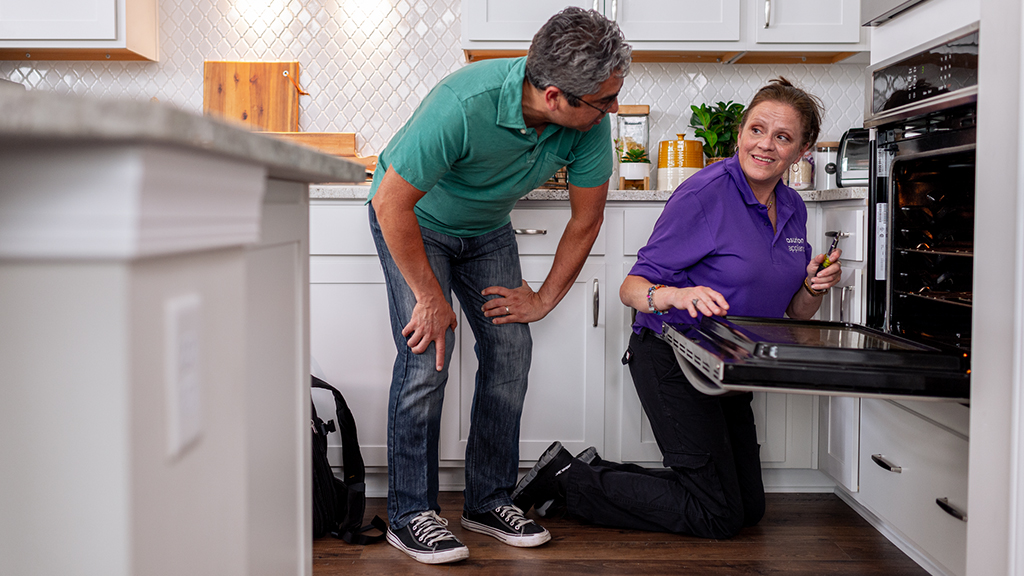
A malfunctioning clothes dryer can disrupt household routines. When your dryer ceases to perform its primary function – the efficient removal of moisture from clothing – it necessitates prompt attention. This section will explore common dryer problems, their potential causes, and the initial steps a user might take before seeking professional assistance.
Table of Contents
- Common Dryer Issues
- No Heat
- The Process of Dryer Repair
- Initial Troubleshooting Steps
- Professional Dryer Repair Services
- The Importance of Timely Repairs
- Understanding Dryer Components
- The Drum and Tumbling Mechanism
- The Heating System
- Airflow and Ventilation Components
- Control Systems and Safety Features
- Maintaining Your Dryer’s Performance
- Routine Cleaning Tasks
- Inspecting and Replacing Worn Parts
- Choosing the Right Dryer Repair Service
- Researching Local Services
- Evaluating Service Providers
Common Dryer Issues
Various symptoms can indicate a dryer problem. Recognizing these signs is the first step towards a solution.
No Heat
One of the most frustrating issues is a dryer that tumbles but produces no heat. This can leave you with damp clothes after a full cycle.
Possible Causes of No Heat
- Faulty Heating Element: In electric dryers, the heating element is responsible for generating heat. If it burns out, the dryer will tumble but remain cool.
- Bi-Metal Thermostat Failure: This safety device regulates the temperature within the dryer. If it fails, it may prevent the heating element from engaging.
- Thermal Fuse Blown: This is another safety component designed to prevent overheating. If the dryer overheats, the thermal fuse will blow, cutting off power to the heating element. Unlike a thermostat, a blown thermal fuse typically needs to be replaced.
- Gas Valve Solenoids (Gas Dryers): In gas dryers, a series of solenoids control the flow of gas to the burner. If these fail, gas will not reach the igniter, preventing the burner from igniting and producing heat.
- Igniter Issues (Gas Dryers): The igniter’s job is to heat up and ignite the gas. If it’s faulty or broken, it cannot initiate the heating process.
Dryer Not Tumbling
If the dryer drum fails to rotate, clothes will not be exposed to the heating element or airflow, rendering the appliance useless.
Possible Causes of the Drum Not Tumbling
- Broken Drive Belt: The drive belt is a rubber belt that connects the motor to the drum. Over time, these belts can wear out and break, preventing the drum from turning.
- Faulty Motor: The motor is the powerhouse of the dryer, responsible for turning the drum and fan. If the motor fails, the drum will not spin.
- Idler Pulley Malfunction: The idler pulley keeps tension on the drive belt. If it seizes or the bearing fails, it can cause the belt to slip or break, or the drum to not turn properly.
- Door Switch Issues: The door switch is a safety mechanism that prevents the dryer from operating when the door is open. If this switch is faulty, it may incorrectly signal that the door is open, preventing the motor from engaging.
Dryer Making Unusual Noises
Grinding, thumping, or squealing sounds emanating from a dryer indicate mechanical wear or damage.
Common Noises and Their Potential Causes
- Thumping or Banging: This is often caused by an object caught in the drum, a worn-out drum bearing, or a loose drum roller.
- Grinding: A grinding noise can point to a worn motor bearing or a problem with the blower wheel.
- Squealing: Squealing often indicates a worn idler pulley bearing or a motor bearing on its way out.
- Rattling: This could be a loose part inside the dryer, such as a screw or a piece of metal, or an issue with the blower wheel.
Dryer Not Draining or Venting Properly
While dryers don’t typically “drain” like washing machines, improper venting is a significant concern. A blocked vent can lead to increased drying times, overheating, and a fire hazard.
Issues Related to Venting and Airflow
- Clogged Vent Hose: Lint buildup is the most common culprit for blocked dryer vents. This restricts airflow, significantly increasing drying times and potentially causing the dryer to overheat.
- Kinked or Crushed Venting: The flexible hose connecting the dryer to the exterior vent can become kinked or crushed, impeding airflow.
- Exterior Vent Obstruction: The external vent cap can become blocked by lint, leaves, nests, or snow, preventing proper exhaust.
- Blower Wheel Obstruction or Damage: The blower wheel, driven by the motor, circulates air. If it’s obstructed by lint or damaged, it won’t effectively move air.
Dryer Overheating
An overly hot dryer can damage clothes and poses a significant fire risk.
Causes of Dryer Overheating
- Blocked Venting: As mentioned, inadequate airflow due to vent blockages is a primary cause of overheating. The dryer’s safety mechanisms may try to compensate, but the sustained lack of escape for hot air leads to elevated temperatures.
- Faulty High-Limit Thermostat: This safety thermostat is designed to shut off the heating element if the dryer exceeds a safe temperature. If it malfunctions and fails to trip, the dryer can continue to heat excessively.
- Incorrect Dryer Setting: While less common for consistent overheating, using a setting that is too high for the fabric type can contribute to the issue.
If you’re experiencing issues with your dryer and need reliable repair services nearby, you might find it helpful to read about common appliance problems and their solutions. For instance, understanding how to defrost a freezer and fix door problems can be essential in maintaining your appliances. You can find more information in this related article on appliance repair: How to Defrost Freezer & Fix Door Problems.
The Process of Dryer Repair
When faced with a malfunctioning dryer, a systematic approach to diagnosis and repair is essential. This involves identifying the problem, gathering necessary tools, and understanding the typical repair steps.
Initial Troubleshooting Steps
Before contacting a professional, a few basic checks can sometimes resolve minor issues or provide valuable information for the technician.
User-Level Checks
- Power Supply: Ensure the dryer is properly plugged into a functioning electrical outlet. For electric dryers, confirm that the circuit breaker hasn’t tripped or a fuse hasn’t blown. For gas dryers, verify that the gas supply is on.
- Door Closure: Confirm the dryer door is firmly closed. The door switch, a small button or lever often located on the door frame, must be engaged for the dryer to operate.
- Lint Filter: Clean the lint filter before every load. A clogged filter severely restricts airflow and can cause overheating and extended drying times.
- Vent Hose: Visually inspect the vent hose for any obvious kinks, crushing, or disconnects. Ensure it is securely attached to both the dryer and the wall outlet.
Identifying the Symptom
Clearly articulating the problem to a repair technician is crucial. Is the dryer not heating, not tumbling, making noise, or something else? The more specific you can be, the faster the diagnosis.
Professional Dryer Repair Services
When DIY troubleshooting doesn’t resolve the issue, or if the problem involves internal components, professional repair is the next logical step.
Locating a Service Provider
Finding a reputable dryer repair service near you requires due diligence.
Key Factors in Choosing a Repair Service
- Experience and Specialization: Look for companies with extensive experience in appliance repair, particularly with dryers. Do they service your specific brand of dryer?
- Reviews and Testimonials: Online reviews from previous customers can offer insights into the quality of service, punctuality, and pricing.
- Licensing and Insurance: Ensure the service provider is licensed and insured, offering a layer of protection for your home and property.
- Warranty on Repairs: A reputable company will typically offer a warranty on the parts and labor they provide. This peace of mind is invaluable.
- Pricing Transparency: Request an estimate or diagnostic fee upfront. Understanding the potential costs involved before work begins can prevent surprises.
The Diagnostic Process
Upon arrival, a qualified technician will typically follow a structured diagnostic process.
Steps in Professional Diagnosis
- Customer Interview: The technician will ask you to describe the problem in detail, including when it started and any specific symptoms you’ve observed.
- Visual Inspection: They will conduct a thorough visual check of the dryer, examining external components, the vent system, and any obvious signs of damage.
- Component Testing: Using specialized tools, the technician will test individual components such as the heating element, thermostat, motor, belts, and switches to identify the faulty part.
- Electrical Checks: They will verify the electrical supply and test for continuity and voltage in various circuits.
- Mechanical Checks: For tumbling or noise issues, they will assess the condition of the drum, rollers, bearings, and motor.
- Venting Assessment: If airflow is suspected, they will inspect the entire vent path, from the dryer to the exterior exit point.
Repair and Replacement
Once the faulty component is identified, the technician will proceed with the repair.
Common Repair Procedures
- Belt Replacement: The most frequent repair involves replacing a worn or broken drive belt. This is often a straightforward procedure, involving removing the dryer panels to access the belt.
- Heating Element Replacement (Electric Dryers): If the heating element is found to be faulty, it will be removed and replaced with a new one.
- Thermostat or Thermal Fuse Replacement: These safety components are relatively inexpensive and crucial for dryer operation and safety.
- Motor Repair or Replacement: In more severe cases, the motor may need to be repaired or entirely replaced. This is a more complex and costly repair.
- Igniter or Gas Valve Repair (Gas Dryers): For gas dryers, issues with the igniter or gas valve solenoids will be addressed, requiring specialized knowledge of gas appliance functionality.
- Blower Wheel and Idler Pulley Replacement: These mechanical components are essential for airflow and drum rotation and will be replaced if worn or damaged.
The Importance of Timely Repairs
Addressing dryer issues promptly is not merely about convenience; it has practical and safety implications.
Preventing Further Damage
Ignoring a minor issue can often lead to more significant and costly problems down the line. A worn bearing, for example, can put additional strain on the motor, leading to its failure. A partially blocked vent can cause the original heating element to burn out prematurely. Addressing the initial symptom is like applying a bandage to a small cut before it becomes infected and requires more extensive treatment.
Ensuring Safety
A malfunctioning dryer, especially one with heating element or venting issues, can present a fire hazard. Lint buildup within the dryer and the vent system is highly flammable. When combined with excessive heat caused by a malfunctioning component or blocked airflow, the risk of ignition increases. Professional technicians are trained to identify and mitigate these safety risks.
Maintaining Efficiency
Modern dryers are designed for energy efficiency. When components are worn or airflow is restricted, the dryer has to work harder and for longer periods to dry clothes. This leads to increased energy consumption and higher utility bills. A properly functioning dryer operates at peak efficiency, saving both time and money.
Understanding Dryer Components
Familiarity with the basic components of a clothes dryer can aid in understanding the nature of a malfunction and communicating effectively with a repair technician. While designs vary slightly between electric and gas models, the core functions remain similar.
The Drum and Tumbling Mechanism
The drum is the central component that holds the clothes and rotates to facilitate drying.
The Role of the Drive Belt and Motor
The motor provides the rotational force, which is transferred to the drum via a drive belt. An idler pulley maintains tension on the belt, ensuring smooth operation. If either the motor or the belt fails, the drum will not tumble.
The Heating System
This system is responsible for generating the hot air that removes moisture from the clothes.
Electric Heating Elements
In electric dryers, a coil of resistance wire, similar to those found in toasters or electric heaters, heats up when electricity passes through it. This element is often housed within a metal shroud to direct airflow.
Gas Burner Assembly (Gas Dryers)
Gas dryers utilize a burner assembly that ignites propane or natural gas to produce heat. This involves an igniter, a glow bar or ceramic igniter, and gas orifices controlled by solenoids to regulate the fuel flow.
Airflow and Ventilation Components
Proper airflow is critical for effective drying and for safely expelling moist air and heat.
The Blower Wheel
Driven by the motor, the blower wheel acts as a fan, drawing in room-temperature air, pushing it through the heating element (or over the burner), and then propelling the hot, moist air out through the vent system.
The Lint Filter and Vent Ducting
The lint filter, typically located at the front of the dryer, captures lint and debris before it can enter the vent system. The vent ducting, a flexible or rigid hose, carries the moist air from the dryer to the outside of the building.
Control Systems and Safety Features
Modern dryers incorporate sophisticated control systems and safety mechanisms to ensure proper operation and prevent hazards.
The Control Panel and Timer
This is the user interface where cycles and settings are selected. It houses the timer or electronic control board that dictates the duration and pattern of the drying cycle.
Thermostats and Fuses
- Operating Thermostat: This component regulates the temperature inside the dryer during a cycle, cycling the heating element on and off to maintain a desired heat level.
- Hi-Limit Thermostat: This is a safety device that acts as a backup. If the operating thermostat fails and the dryer begins to overheat, the hi-limit thermostat will shut off the heating element to prevent damage or fire.
- Thermal Fuse: This is a one-time safety device. If the dryer reaches an excessively high temperature due to extreme venting issues or thermostat failure, the thermal fuse will blow, permanently cutting off power to the heating element. It cannot be reset and must be replaced.
Door Switch
This safety switch interrupts power to the motor and heating element when the dryer door is opened, preventing operation when it’s unsafe.
Maintaining Your Dryer’s Performance
Proactive maintenance is the most effective strategy for ensuring your dryer functions reliably and efficiently for years to come. It’s akin to regular servicing for a vehicle; neglecting it leads to breakdowns.
Routine Cleaning Tasks
These simple, regular tasks form the bedrock of dryer maintenance.
The Lint Filter
This is the most critical and frequently overlooked maintenance item.
Cleaning the Lint Filter
- After Every Load: Remove the lint filter and peel off the accumulated lint. This takes mere seconds but significantly impacts airflow.
- Periodic Washing: Occasionally, the lint filter itself can become clogged with fabric softener residue or fine particles. Wash it with warm, soapy water and a soft brush, rinse thoroughly, and ensure it’s completely dry before reinserting.
The Dryer Vent System
A clear vent is paramount for efficient and safe operation.
Cleaning the Dryer Vent
- Annual Inspection and Cleaning: It is recommended to inspect and clean your dryer vent system at least once a year, or more frequently if you notice longer drying times or a warm exterior dryer.
- Accessing the Vent: This may involve disconnecting the vent hose from the back of the dryer and from the wall outlet.
- Using a Vent Brush: A specialized dryer vent cleaning brush, often attached to a flexible rod, can be used to dislodge lint buildup from inside the ductwork.
- Checking the Exterior Vent Cap: Ensure the cap outside your home is free of obstructions like leaves, nests, or snow.
- Professional Vent Cleaning: For complex or inaccessible vent runs, consider hiring a professional service for a thorough cleaning.
Inspecting and Replacing Worn Parts
While some parts fail unexpectedly, others show gradual signs of wear.
Signs of Wear and Tear
- Fraying or Cracked Drive Belt: While you might not see it directly, if the dryer is making more noise than usual or tumbling erratically, the belt could be nearing failure.
- Loose Drum Rollers or Bearings: These can cause squealing or thumping noises as they wear down.
- Faded or Loose Exterior Seals: While not directly impacting function, damaged seals can sometimes allow heat to escape, slightly reducing efficiency.
The Value of Preventative Replacement
In some cases, particularly with known failure points for specific dryer models, preemptive replacement of certain parts might be considered, especially if the unit is nearing the end of its expected lifespan. However, for most homeowners, focusing on routine cleaning and addressing issues as they arise is the most practical approach.
If you’re looking for reliable dryer repair services near you, it’s essential to understand the common issues that can arise with your appliance. A helpful resource is an article that discusses successful professional appliance repairs, which can provide insights into what to expect during the repair process. You can read more about these case studies and learn how experts tackle various appliance problems by visiting this informative article. This knowledge can empower you to make informed decisions when seeking dryer repair assistance in your area.
Choosing the Right Dryer Repair Service
| Service Provider | Average Repair Time | Customer Rating (out of 5) | Common Dryer Issues Fixed | Service Area |
|---|---|---|---|---|
| QuickFix Appliance Repair | 2-3 hours | 4.7 | Heating problems, drum not turning, noisy operation | Local city and suburbs |
| HomeCare Dryer Services | 1-2 days | 4.5 | Thermostat replacement, belt repair, sensor issues | Citywide |
| Appliance Pros | Same day service | 4.8 | Electrical faults, drum alignment, lint trap cleaning | Metro area |
| Reliable Dryer Repair | 3-4 hours | 4.6 | Motor replacement, heating element repair, control board issues | City and nearby towns |
Selecting a qualified professional is crucial for an effective and satisfactory repair. A haphazard choice can lead to further complications or unnecessary expenses.
Researching Local Services
The internet and word-of-mouth are your primary tools when searching for local repair providers.
Online Search Strategies
- Specific Keywords: Employ search terms like “dryer repair [your town/city],” “appliance repair near me,” or “[your dryer brand] repair [your zip code].”
- Review Platforms: Utilize platforms like Google Reviews, Yelp, or Angie’s List to gauge customer satisfaction. Look for consistent positive feedback regarding professionalism, punctuality, and problem resolution.
- Company Websites: Visit the websites of potential service providers. Look for information about their experience, services offered, brands serviced, and any diagnostic or service fee structures they publicly display.
Relying on Recommendations
- Word of Mouth: Ask friends, family, neighbors, or colleagues if they have had positive experiences with local appliance repair technicians. Personal recommendations can often be the most reliable.
- Appliance Retailers: Sometimes, appliance retailers who sell dryers can offer recommendations for trusted local repair services.
Evaluating Service Providers
Once you have a shortlist of potential repair services, it’s important to evaluate them based on key criteria.
Key Evaluation Criteria
- Licensing and Insurance:
- Confirm that the repair service is licensed to operate in your area.
- Ensure they are insured. This protects you in the unfortunate event of damage to your property or injury during the repair process.
- Experience with Your Dryer Brand and Model:
- Dryers, like vehicles, have different makes and models with unique internal workings. A technician experienced with your specific brand (e.g., Whirlpool, Maytag, Samsung, LG) and type of dryer (electric or gas) will be more efficient and accurate in their diagnosis.
- Response Time and Availability:
- For essential appliances like dryers, a prompt response is often desired. Inquire about their typical response times for service calls and their availability, especially for urgent issues.
- Pricing and Estimates:
- Diagnostic Fee: Most companies charge a fee for diagnosing the problem. Understand what this fee covers and whether it is applied towards the total repair cost.
- Written Estimates: Request a written estimate for the repair before authorizing any work. This estimate should detail the cost of parts and labor.
- Avoid Unsolicited Repairs: Never agree to repairs that were not part of the initial agreed-upon scope or estimate without a clear explanation and re-authorization.
- Warranty on Parts and Labor:
- A reputable repair service will offer a warranty on the parts they install and the labor they perform. This provides assurance that they stand behind their work. Ask about the duration and terms of the warranty.
The Importance of Clear Communication
When contacting a repair service, be prepared to provide detailed information about the problem.
Communicating Effectively
- Describe the Symptoms: Clearly articulate what the dryer is doing or not doing (e.g., “not heating,” “making a loud grinding noise,” “won’t tumble”).
- Mention the Dryer’s Brand and Model: Having this information readily available can help the technician prepare and bring suitable parts.
- Note When the Problem Started: Was it sudden, or has it been developing over time? This can offer clues to the cause.
- Ask Questions: Don’t hesitate to ask the technician questions about the diagnosis, the proposed repair, the cost, and the warranty.
This structured approach ensures that you are not only addressing the immediate need for dryer repair but also making an informed decision about who performs the service, ultimately leading to a reliable and lasting solution.