your Wolf stove can be a journey, one that leads you to understand the intricacies of this powerful culinary machine. Like understanding the subtle nuances of a perfectly seared steak, mastering its quirks will elevate your cooking experience. This guide is designed to equip you with the knowledge to diagnose and resolve common issues, transforming potential frustrations into opportunities for mastery.
Table of Contents
- The Spark Igniter: Your Culinary Firestarter
- How the Spark Igniter Works
- The Igniter Module: The Brain of the Spark
- The Maestro of Heat: Burner Assembly and Gas Flow
- Burner Ports: The Tiny Outlets of Flame
- Burner Assembly Issues: Beyond the Ports
- Gas Flow Regulation: The Unseen Hand
- The Sentinels of Safety: Sensor Systems
- Flame Sensing and Ignition Interruption
- Temperature Sensing and Oven Performance
- Navigating the Digital Realm: Electronic Controls
- The Control Panel: Your Interface with the Machine
- Wiring Harnesses and Connections
- When to Call the Cavalry: Professional Service
- Recognizing the Limits of DIY Troubleshooting
- The Value of a Qualified Technician
- FAQs
- 1. What are common issues that may require troubleshooting on a Wolf stove?
- 2. How can I safely reset my Wolf stove if it is not functioning properly?
- 3. What should I do if the burners on my Wolf stove won’t ignite?
- 4. How can I troubleshoot uneven heating in my Wolf oven?
- 5. When should I contact Wolf customer support or a professional technician?
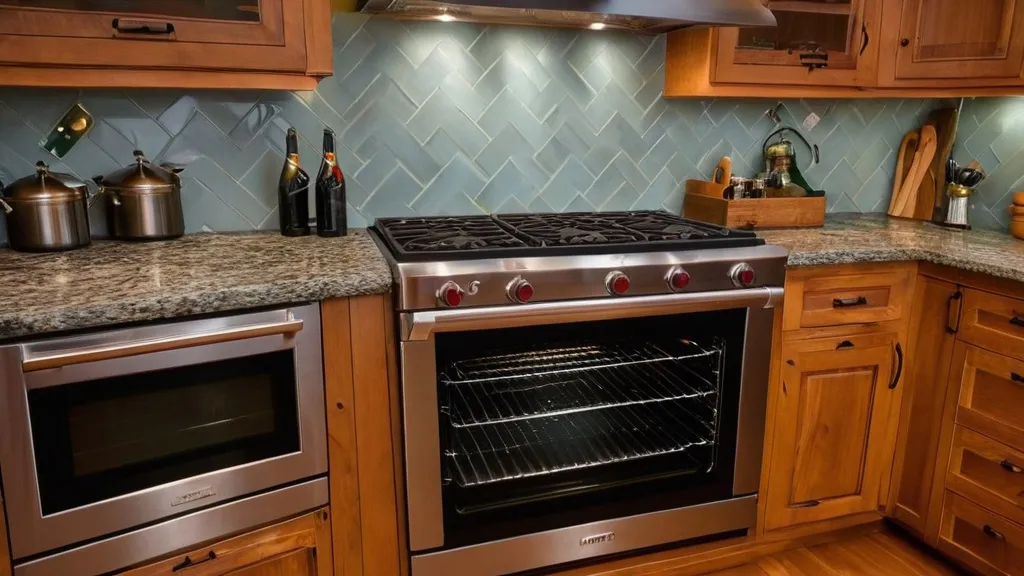
The ignition system is the conductor of your Wolf stove’s orchestra, bringing the flames to life. When this conductor falters, the music stops. Understanding its components and common failure points is the first step in restoring harmony to your kitchen.
The Spark Igniter: Your Culinary Firestarter
The spark igniter is the tiny, yet crucial, component responsible for generating the spark that ignites your gas burners. It’s a sophisticated piece of engineering, designed for consistent performance.
How the Spark Igniter Works
You’ll typically have igniter modules located directly beneath each burner. When you turn a burner knob, the module sends an electrical signal. This signal travels to a spark electrode, often positioned near the burner ports. The electrode, with its precisely designed gap, creates a small electrical arc – a miniature lightning strike – that ignites the gas as it flows from the burner. The clicking sound you hear during ignition is the sound of these sparks being generated.
Common Igniter Failures and Symptoms
- No Spark or Intermittent Spark: This is the most common symptom. You’ll turn the knob, and instead of the satisfying click and immediate flame, you’ll hear nothing or only an erratic clicking. This could be due to a faulty igniter module, a damaged spark electrode, or issues with the wiring connecting them.
- Burner Lights, Then Goes Out: If a burner lights but then extinguishes shortly after, it might indicate a problem with the flame sensor, which is often integrated with the igniter system. The stove’s safety mechanisms might be shutting off the gas if it doesn’t detect a stable flame.
- Weak or Inconsistent Spark: You might see a faint spark, or one that’s not strong enough to reliably ignite the gas. This can point to a weak igniter module or a buildup of debris on the spark electrode.
Troubleshooting Steps for Ignition Issues
- Inspect the Spark Electrodes: Carefully examine each spark electrode for any signs of damage, corrosion, or blockage. Sometimes, a simple cleaning with a soft brush and some denatured alcohol can resolve issues caused by food debris or grease accumulation. Ensure the electrode is properly seated.
- Check for Blocked Burner Ports: Clogged burner ports can prevent gas from reaching the igniter, masquerading as an ignition problem. Use a stiff brush or a stiff, thin wire (like a paperclip, unravelled) to gently clear any debris from the burner ports themselves. Be careful not to enlarge the holes.
- Listen for the Module: When you turn the knob, you should hear a distinct clicking sound, indicating the igniter module is attempting to generate a spark. If you hear nothing at all, the igniter module itself is likely the culprit. If you hear clicking but no spark, the issue could be the electrode or the wiring.
- Test Individual Igniter Modules: If you suspect a specific module is faulty, you can sometimes diagnose this by listening to the clicking at each burner. If one burner fails to click while others do, that module is a prime suspect. However, direct testing of modules usually requires specialized tools and knowledge.
- Examine Wiring: Loose or damaged wiring is a silent saboteur. With the power to the stove disconnected, visually inspect the wiring harness connecting the igniter modules to the control board. Look for any signs of fraying, corrosion, or disconnected plugs.
The Igniter Module: The Brain of the Spark
The igniter module is the control center for your spark ignition system. It’s responsible for receiving the signal from the burner knob and orchestrating the spark generation.
Identifying a Faulty Igniter Module
- Complete Lack of Spark at One or More Burners: If you’ve confirmed power to the stove and cleaned burner ports, but one or more burners show no ignition activity whatsoever, the corresponding igniter module is often at fault.
- Intermittent Sparking: While sometimes caused by wiring issues, persistent intermittent sparking that cannot be resolved by cleaning can point to an internal fault within the module.
- Burner Lights for a Moment, Then Extinguishes: As mentioned, a faulty igniter module can sometimes interfere with the flame sensing aspect, leading to this behavior.
Replacing an Igniter Module
Replacing an igniter module is a repair you can often undertake yourself, provided you are comfortable with basic appliance repair and electrical safety.
- Safety First: Always disconnect the power to the stove at the circuit breaker before beginning any work.
- Access the Module: The igniter modules are typically located beneath the cooktop. You may need to remove the cooktop or specific panels to access them. Refer to your Wolf stove’s owner’s manual for model-specific instructions.
- Note Connections: Before disconnecting any wires, take clear photos or make detailed notes of how each wire is connected to the existing module. This is critical for correct reassembly.
- Remove Old Module: Unscrew or unclip the old igniter module.
- Install New Module: Install the new module, ensuring it is securely fastened.
- Reconnect Wiring: Carefully reconnect the wires according to your notes or photos.
- Test: Restore power to the stove and test the burner.
If you’re looking to enhance your troubleshooting skills for your Wolf stove, you might find it helpful to read an article on common appliance issues. This resource provides insights into various problems that can affect appliances, including stoves, and offers guidance on how to address them effectively. You can check out the article here: Common Causes of Appliance Issues.
The Maestro of Heat: Burner Assembly and Gas Flow
The burner assembly is where the magic of cooking truly happens. It’s the stage upon which your culinary creations are brought to life. When this stage is disturbed, the performance suffers.
Burner Ports: The Tiny Outlets of Flame
The burner ports are small openings around the burner head that allow the mixed gas and air to escape and ignite. They are a common culprit for uneven flames or ignition problems.
Keeping Burner Ports Clear
- Impact of Clogged Ports: Imagine trying to get a consistent spray from a showerhead with clogged nozzles; the same principle applies here. Clogged ports lead to uneven flame distribution, weak flames, or even a complete failure to ignite uniformly around the burner.
- Cleaning Procedure:
- Remove Burner Cap and Head: For most Wolf ranges, you can simply lift off the burner cap and then the burner head. Refer to your manual for specific instructions for your model.
- Inspect Ports: Look closely at the small holes around the burner head. You’ll likely see a series of them.
- Gentle Cleaning: Use a fine brush, like an old toothbrush or a specialized burner cleaning brush, to gently sweep away any debris. For stubborn blockages, you can use a straightened paperclip or a sewing needle, but exercise extreme caution not to enlarge the port holes. The goal is to dislodge debris, not to drill.
- Wipe Down: After brushing, wipe down the burner head with a damp cloth.
- Reassemble: Ensure the burner head is properly seated before replacing the burner cap.
Burner Assembly Issues: Beyond the Ports
While clogged ports are common, the entire burner assembly can occasionally present other challenges.
Uneven Flame Distribution
- Symptoms: One side of the burner has a strong flame, while the other is weak or non-existent.
- Causes:
- Misaligned Burner Head: The burner head might not be seated perfectly on the burner base. This is particularly common after cleaning or if it’s been bumped.
- Damaged Burner Head: In rare cases, the burner head itself can become warped or damaged, leading to uneven gas distribution.
- Issue with the Gas Orifice: Located at the base of the burner assembly, the gas orifice controls the flow of gas to the burner. If this is partially blocked or damaged, it can affect the flame pattern.
Troubleshooting Uneven Flames
- Reseat the Burner Head: Remove the burner head and carefully replace it, ensuring it sits flush and is properly aligned.
- Inspect for Damage: Examine the burner head for any visible cracks or deformities.
- Check the Gas Orifice: This requires a bit more involved disassembly. With the power off, you may need to remove the cooktop to access the burner base. The orifice is a small brass fitting. Inspect it for blockages. Cleaning it usually involves careful use of a specialized orifice cleaning tool or a very fine wire. If you are not comfortable with this, it’s best left to a professional.
Gas Flow Regulation: The Unseen Hand
While not always directly user-serviceable, understanding how gas flow is regulated is important for diagnosing issues that might require professional intervention.
Valve Issues
- Symptoms: A burner is difficult to turn on, or the flame is consistently too high or too low regardless of knob position.
- Causes: The gas valve, controlled by the burner knob, may be sticking or partially obstructed. This is a mechanical failure that often requires replacement by a qualified technician.
The Sentinels of Safety: Sensor Systems
Wolf stoves are equipped with advanced sensor systems that not only enhance performance but also act as crucial safety mechanisms. Understanding these sentinels can help you interpret their silent warnings.
Flame Sensing and Ignition Interruption
Modern Wolf stoves often incorporate flame sensing technology that works in tandem with the igniter system.
How Flame Sensing Works
When you ignite a burner, the igniter creates a spark. Once the flame is established, a flame sensor, often part of the igniter electrode assembly or a separate component, detects the presence of the flame. This signal tells the control system that the burner is safely lit, and the igniter can stop sparking. If the flame sensor fails to detect a flame, or if the flame goes out unexpectedly, the system will automatically shut off the gas supply for safety.
Common Flame Sensor Issues
- Burner Lights and Extinguishes Immediately: This is a classic symptom of a flame sensor that is not detecting a flame, even when one is present. This could be due to a dirty sensor, a faulty sensor, or a wiring issue.
- Igniter Continues to Spark After Flame is Established: If the igniter keeps clicking even after you have a good flame, the flame sensor is not sending the “flame detected” signal.
- Intermittent Flame Failure: The burner may light fine for a while, then suddenly go out, only to relight when you adjust the knob. This erratic behavior can point to an inconsistent flame sensor signal.
Troubleshooting Flame Sensor Problems
- Clean the Flame Sensor: The flame sensor is often integrated into the igniter electrode. Similar to cleaning the spark electrode, carefully clean the tip of the igniter/sensor with a soft cloth and denatured alcohol. Ensure no debris is obstructing it.
- Verify Flame Pattern: Make sure the flame is engulfing the flame sensor. If the flame is weak or uneven, it might not be making proper contact. Address burner port issues first.
- Check Wiring: As always, inspect the wiring connected to the igniter/flame sensor assembly for any signs of damage or corrosion.
- Consult Manual: Your owner’s manual may provide specific guidance on identifying and cleaning the flame sensor for your model.
Temperature Sensing and Oven Performance
The oven’s temperature control relies on accurate sensing of internal heat. When this system falters, your baking and roasting can suffer.
Thermocouples and Thermistors
- Function: Ovens use sensors like thermocouples or thermistors to measure the internal temperature. This information is fed to the oven’s control board, which then adjusts the heating elements or gas burner to maintain the set temperature.
- Common Issues:
- Inaccurate Oven Temperature: The oven consistently runs too hot or too cold, leading to undercooked or overcooked food. This is the most common symptom of a faulty temperature sensor.
- Flickering Oven Display: In some electronic control systems, a failing temperature sensor can cause erratic behavior on the digital display.
Troubleshooting Oven Temperature Issues
- Calibrate the Oven: Many Wolf ovens have a calibration feature. Consult your owner’s manual to see if this is available for your model and follow the instructions to recalibrate the oven temperature.
- Check Sensor Location: The temperature sensor is usually a small probe located inside the oven cavity, often at the back. Ensure it’s not obstructed by any debris or food residue.
- Inspect for Damage: Visually inspect the sensor probe for any visible signs of damage or corrosion.
- Professional Diagnosis: If calibration and cleaning don’t resolve the issue, the temperature sensor itself, or the control board it connects to, likely needs professional diagnosis and replacement.
Navigating the Digital Realm: Electronic Controls
Modern Wolf stoves often feature sophisticated electronic control panels. These panels are the brains behind many of the stove’s functions, from igniting burners to setting oven temperatures and timers.
The Control Panel: Your Interface with the Machine
The control panel is where you communicate your cooking intentions to the stove. When this interface malfunctions, it can lead to a range of issues.
Common Control Panel Problems
- Buttons Not Responding: You press a button, but nothing happens. This could be a problem with the button itself, the internal circuitry of the panel, or a software glitch.
- Erratic Display: The digital display might flicker, show incorrect information, or go blank.
- Stove Not Turning On: In some cases, a faulty control panel can prevent the entire stove from powering up.
- Error Codes: Wolf stoves often display error codes to help diagnose problems. These codes are your digital roadmap to the issue.
Troubleshooting Electronic Control Issues
- The Power Cycle Reset: This is the equivalent of a computer reboot for your stove. Turn off the circuit breaker that powers the stove, wait for 5-10 minutes, and then turn it back on. This can often resolve minor software glitches.
- Check for User Error: Before assuming a malfunction, double-check that you are operating the controls correctly according to your owner’s manual. Sometimes, a specific sequence of button presses is required for certain functions.
- Clean the Control Panel: Spills and grease can get into the seams of the control panel, affecting button responsiveness. Carefully clean the panel with a damp (not wet) cloth and mild soap. Avoid abrasive cleaners.
- Interpreting Error Codes: If your stove displays an error code, consult your owner’s manual. It will provide a key to understanding the meaning of each code and potential troubleshooting steps. Do not ignore error codes; they are the stove’s way of signaling a problem.
- Professional Repair: Electronic control panels are complex. If the basic troubleshooting steps don’t resolve the issue, it often requires professional diagnosis and repair by a qualified Wolf technician.
Wiring Harnesses and Connections
The intricate network of wires connecting the control panel to various components (igniters, sensors, heating elements) is the nervous system of your stove.
The Silent Saboteurs: Loose Wires and Corrosion
- Symptoms: Intermittent failures, multiple components acting strangely, or complete component failure.
- Causes: Vibrations from regular use, installation issues, or exposure to moisture can lead to loose connections or corrosion on the terminals within the wiring harnesses.
Inspecting Wiring Harnesses
- Power Off: Always disconnect power at the circuit breaker.
- Access: You’ll need to access the areas where the control panel connects to the stove’s internal components. This often involves removing the cooktop or specific access panels.
- Visual Inspection: Carefully examine all visible wiring harnesses and connectors. Look for any pins that appear discolored, corroded, or are not fully seated. Gently try to push connectors together to ensure a secure fit.
- Professional Assistance: If you find signs of severe corrosion or damage to the wiring harness, it’s best to consult a professional. Replacing an entire wiring harness can be a complex and time-consuming task.
If you’re experiencing issues with your Wolf stove, understanding the broader context of kitchen appliances can be quite helpful. For instance, when considering how to maintain your cooking equipment, it’s also important to think about the appliances that complement it, such as your refrigerator. You might find it useful to read about the key factors to consider when buying a new refrigerator in this informative article. This knowledge can enhance your overall kitchen experience and ensure that all your appliances work harmoniously together. You can check out the article here.
When to Call the Cavalry: Professional Service
| Issue | Possible Cause | Troubleshooting Step | Recommended Action |
|---|---|---|---|
| Stove not igniting | Empty fuel tank or clogged fuel line | Check fuel level and inspect fuel line for blockages | Refill fuel tank and clean or replace fuel line |
| Weak flame or flame goes out | Dirty burner or insufficient air supply | Clean burner ports and check air intake vents | Clean burner thoroughly and ensure vents are unobstructed |
| Excessive smoke or odor | Poor ventilation or incomplete combustion | Inspect chimney and air supply | Clear chimney obstructions and improve ventilation |
| Stove overheating | Thermostat malfunction or blocked airflow | Test thermostat and check airflow paths | Repair or replace thermostat and clear airflow obstructions |
| Unusual noises during operation | Loose parts or debris in stove | Inspect stove components and clean interior | Tighten loose parts and remove debris |
Some issues are like intricate locks – they require specialized keys to open. Recognizing when to defer to a professional ensures that your valuable appliance is handled by those with the expertise and tools to do so.
Recognizing the Limits of DIY Troubleshooting
While this guide empowers you to tackle many common Wolf stove problems, there are definitely times when professional intervention is not just recommended, but essential.
Complex Electrical Issues and Gas Safety
- Internal Gas Valve Malfunctions: Issues with the main gas shut-off valve or individual burner valves that are not responding correctly are serious matters. Tampering with gas lines is a significant safety hazard.
- Control Board Failures: If your troubleshooting points to the main electronic control board being faulty, this is a component that requires specialized diagnostic tools and often a factory-trained technician to replace.
- Burner Orifice Replacement (Advanced): While cleaning orifices can be a DIY task for some, replacing them due to damage or wear often requires precise calibration and knowledge of gas pressure.
- Leaking Gas: Any suspicion of a gas leak is an immediate call to emergency services and your gas company. Do not attempt to fix gas leaks yourself.
When Performance Demands Precision
- Persistent, Unidentified Issues: If you’ve followed the troubleshooting steps and the problem persists, it’s a clear indication that the issue lies beyond basic user-level diagnosis.
- Unusual Noises or Smells: Any strange noises (grinding, hissing unrelated to normal operation) or smells (burning plastic, strong gas odor) should prompt immediate professional attention. These can be early warning signs of more serious underlying problems.
- Maintaining Warranty: For newer Wolf stoves still under warranty, unauthorized repairs can void the warranty. Always check your warranty terms before attempting any significant self-repair.
The Value of a Qualified Technician
A qualified Wolf technician is like a seasoned physician for your stove. They possess the in-depth knowledge, specialized tools, and access to genuine parts that ensure a correct and lasting repair.
Benefits of Professional Service
- Accurate Diagnosis: Technicians are trained to quickly and accurately identify the root cause of complex issues.
- Proper Tools and Equipment: They have specialized diagnostic tools and equipment that allow them to test components and systems thoroughly.
- Genuine OEM Parts: Using original equipment manufacturer (OEM) parts ensures compatibility and longevity, maintaining the integrity of your Wolf appliance.
- Safety Assurance: Professionals are trained in safety protocols, especially when dealing with gas and electrical components.
- Warranty Maintenance: Using authorized service providers ensures your warranty remains valid.
Mastering your Wolf stove’s troubleshooting is an ongoing process, much like refining your culinary skills. By understanding its core components and common ailments, you are better equipped to keep your appliance running efficiently and beautifully, allowing you to focus on what truly matters: creating delicious meals and memorable experiences in your kitchen.
FAQs
1. What are common issues that may require troubleshooting on a Wolf stove?
Common issues include ignition problems, uneven heating, burner flame irregularities, error codes on the display, and problems with the oven temperature not reaching the set point.
2. How can I safely reset my Wolf stove if it is not functioning properly?
To safely reset your Wolf stove, turn off the stove and unplug it from the power source. Wait for about 5 minutes before plugging it back in and turning it on. This can often clear minor electronic glitches.
3. What should I do if the burners on my Wolf stove won’t ignite?
First, ensure the burner caps are properly aligned and clean. Check that the gas supply is turned on. If the igniter is clicking but the burner does not light, the igniter may need cleaning or replacement.
4. How can I troubleshoot uneven heating in my Wolf oven?
Uneven heating can be caused by a faulty temperature sensor or heating element. Check for any error codes, inspect the sensor for damage, and ensure the oven racks are positioned correctly. Professional service may be required if the problem persists.
5. When should I contact Wolf customer support or a professional technician?
Contact customer support or a professional if you encounter persistent error codes, gas leaks, electrical issues, or if basic troubleshooting steps do not resolve the problem. Attempting repairs beyond basic maintenance can be hazardous.