Is your ice maker being a bit of a diva lately, refusing to churn out those frosty cubes? Don’t worry, it happens to the best of them. Usually, fixing a stubbornly silent ice maker isn’t a job for a seasoned pro. Many common ice maker problems are surprisingly straightforward to diagnose and repair yourself. Let’s dive into some of the most frequent culprits and how you can get your ice machine back in business.
Table of Contents
- No Water Reaching the Ice Maker
- Check the Water Supply Line
- The Ice Maker is Frozen Shut
- Understanding Ice Maker Components
- The Ice Molds
- The Ejector Mechanism
- The Thermistor
- The Fill Tube
- When the Ice Maker Isn’t Freezing Ice
- Freezer Temperature Too High
- Faulty Evaporator Fan Motor
- Problems with the Defrost System
- The Ice Maker Isn’t Dispensing Ice Correctly
- Jammed Dispenser Chute
- Faulty Drive Motor for the Dispenser
- Problems with the Ice Bucket Auger
- When to Call a Professional
- Complex Electrical Issues
- Unidentified Refrigeration Problems
- Persistent Problems After DIY Attempts
- Safety Concerns
It’s frustrating when your ice maker just… stops. One minute you’re swimming in cubes, the next, nothing. This sudden halt can be due to a few key things.
No Water Reaching the Ice Maker
This is probably the most common reason for no ice. If there’s no water, there’s no ice.
Check the Water Supply Line
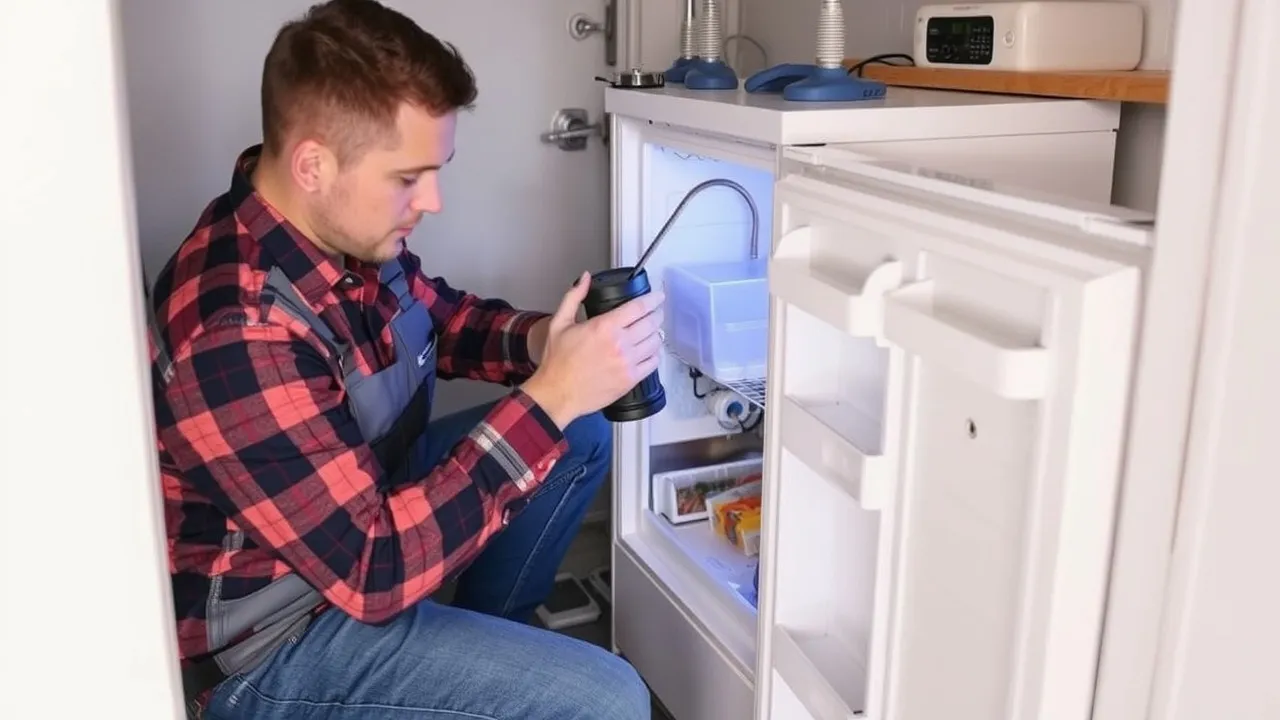
Your ice maker hooks up to your main water line, usually behind the refrigerator.
- Is the valve open? It sounds obvious, but sometimes these valves get bumped or accidentally closed. Look for a small valve, often with a handle or a knob, on the water line leading to the fridge. Make sure it’s fully open.
- Is the line kinked? The flexible plastic tubing can sometimes get squashed or bent sharply behind the fridge, cutting off water flow. Gently pull the fridge out a bit (if safe to do so) and check the tubing for any severe bends. Straighten it out if you find one.
- Is there a water filter issue? Most modern refrigerators have a water filter for both the dispenser and the ice maker. If this filter is clogged, it can severely restrict water flow.
Inspect the Water Inlet Valve
This is the part that controls the flow of water into the ice maker itself.
- Obstructions: Sometimes, small mineral deposits or debris can get lodged in the valve, preventing water from entering. You might need to disconnect the water line and carefully inspect the inlet. For minor blockages, a gentle flush might do the trick. However, if it’s heavily fouled, replacement might be the best bet.
- Electrical Issues: The valve is often electric. If the solenoid that opens and closes it has failed, or if there’s no power getting to it, it won’t open. This often requires a multimeter to diagnose, so if you’re not comfortable with electrical testing, you might want to call someone in.
The Ice Maker is Frozen Shut
Sometimes, the ice maker unit itself can get a frosty build-up, essentially sealing it off.
- Mineral Deposits: Hard water can leave mineral deposits that, combined with moisture, can freeze and jam moving parts.
- Temperature Fluctuations: If your freezer door isn’t sealing properly or if there have been frequent power outages, temperature swings can cause ice to form where it shouldn’t.
How to Thaw a Frozen Ice Maker
This is usually a relatively simple fix, but requires patience.
- Turn off the ice maker: Most have a shut-off arm or a switch.
- Power down the fridge/freezer: For a thorough thaw, it’s best to unplug the appliance.
- Open the freezer door: Leave it open for a few hours, or until you’re confident the ice maker is completely defrosted. You can speed this up by placing some warm (not hot!) washcloths on the affected areas. Avoid using a hairdryer or any heat gun, as this can damage plastic components.
- Clean and dry: Once thawed, wipe down the ice maker and surrounding area to remove any moisture.
- Turn everything back on: Once dry, plug the fridge back in, turn the ice maker back on, and give it some time to start producing ice again.
If you’re facing issues with your ice maker and need guidance on repairs, you might find it helpful to read an article on how to find reliable local appliance repair shops. This resource can assist you in locating professionals who can effectively address your ice maker problems. You can check it out here: How to Find Reliable Local Appliance Repair Shops.
Understanding Ice Maker Components
Knowing the basic parts of your ice maker can help you pinpoint the problem.
The Ice Molds
These are the little trays or pockets where the water freezes into cubes.
- Cracked Molds: While rare, a crack in a mold could lead to leaky ice or prevent cubes from forming correctly. If you see a visible crack, replacement of the mold assembly would be necessary.
The Ejector Mechanism
This is the part that pushes the formed ice cubes out of the molds.
- Bent or Broken Tines: The metal or plastic arms that push the ice can get bent or broken, especially if they encounter too much resistance. This can prevent ice from being released.
- Jamming: Sometimes, a piece of ice can get lodged in the ejector, stopping it from completing its cycle.
Diagnosing Ejector Problems
Most ejector issues involve physical damage or jamming.
- Inspect visually: With the ice maker in a thawed state, look for any obvious damage to the tines or the motor that drives them.
- Manual cycling: Some ice makers allow for manual cycling. You might be able to gently turn the gears to see if they move freely or if something is blocking them. Be gentle!
The Thermistor
This little sensor measures the temperature of the ice maker and tells it when to fill and harvest.
- Faulty Readings: If the thermistor is giving incorrect temperature readings, the ice maker might not know when the ice is ready to be ejected, or it might continuously try to fill when it shouldn’t.
- Testing: These usually require testing with a multimeter to check for resistance changes with temperature. If you’re not familiar with this, it’s best to seek professional help or consult your appliance’s manual for specifics.
The Fill Tube
This is the small tube that delivers water to the ice maker.
- Clogging: This is a very common issue. Mineral deposits or even small pieces of ice can block the fill tube, preventing water from reaching the molds.
- Freezing: If the fill tube freezes, no water can get through.
Clearing a Clogged or Frozen Fill Tube
- Thawing: The same methods used to thaw the ice maker can often thaw the fill tube.
- Cleaning: You can try using a small, flexible brush or even a pipe cleaner to dislodge any stubborn clogs. Be careful not to force it and damage the tube.
- Vinegar Soak (for mineral buildup): In some cases, a weak solution of vinegar and water can help dissolve mineral deposits in the fill tube. Follow the manufacturer’s instructions for your specific model if they recommend this.
When the Ice Maker Isn’t Freezing Ice
You’re getting water, but it’s not turning into ice. This points to a temperature problem.
Freezer Temperature Too High
This is a classic. If your freezer isn’t cold enough, nothing will freeze properly.
- Check the Thermostat Setting: It sounds simple, but sometimes the freezer dial gets bumped. Make sure it’s set to a cold setting.
- Door Seal Issues: A faulty door gasket can let warm air into the freezer, making it difficult to maintain the correct temperature. Inspect the gasket for cracks or tears. You can also do the “dollar bill test”: close the door on a dollar bill. If you can easily pull it out, the seal is likely compromised.
- Dirty Condenser Coils: These are usually located at the back of the refrigerator or underneath. Dust and debris can accumulate on them, making the compressor work harder and less efficiently. This can lead to insufficient cooling.
Cleaning Condenser Coils: A Game Changer
This is a maintenance task that many people neglect, but it can significantly impact your fridge’s cooling performance.
- Unplug the fridge: Safety first!
- Locate the coils: They’re typically on the back or beneath a removable panel. Consult your manual if you’re unsure.
- Use a vacuum cleaner with a brush attachment: Gently vacuum away the dust and debris. For more stubborn grime, a coil brush can be helpful.
- Regular cleaning: Aim to do this every six months to a year.
Faulty Evaporator Fan Motor
This fan circulates cold air throughout the freezer.
- No Air Circulation: If the motor fails, the cold air won’t reach the ice maker, and the freezer won’t cool adequately. You might hear unusual noises or no fan noise at all from inside the freezer.
- Ice Buildup: Sometimes, ice can build up around the fan blades, preventing them from spinning. This usually indicates a defrost system problem.
Problems with the Defrost System
Modern refrigerators have a defrost system to prevent excessive ice buildup on the evaporator coils. This system consists of a heater, a thermostat (defrost thermostat), and a timer or control board.
- Defrost Heater Failure: If the heater fails, ice will build up on the evaporator coils, blocking airflow and preventing proper cooling.
- Defrost Thermostat Issues: This thermostat tells the heater when to turn on and off. If it’s faulty, the defrost cycle might not happen correctly.
- Control Board Problems: The main control board manages the entire defrost cycle. If it’s malfunctioning, the system won’t work as intended.
Recognizing Defrost System Issues
- Excessive Frost: If you see a significant amount of frost buildup on the back of the freezer compartment, it’s a strong indicator of a defrost system problem.
- Intermittent Cooling: The freezer might cool for a while and then stop working properly as ice accumulates.
The Ice Maker Isn’t Dispensing Ice Correctly
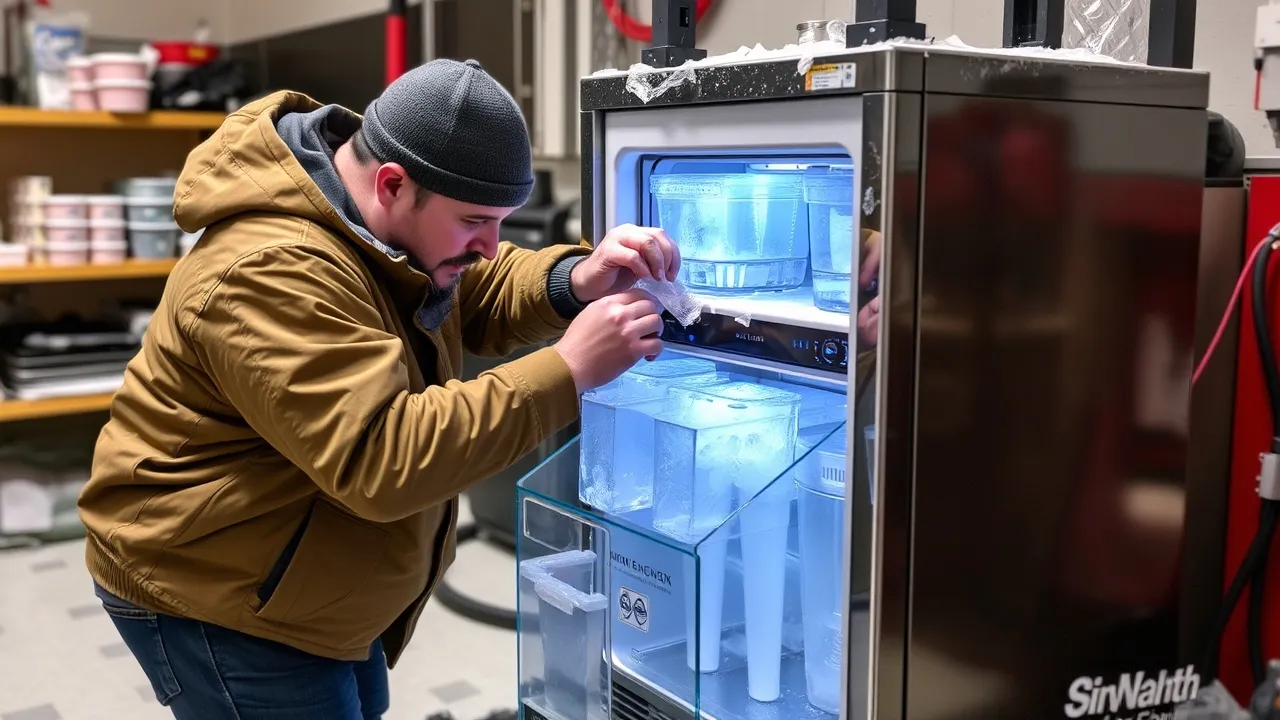
You have ice, but it’s not coming out when you want it.
Jammed Dispenser Chute
This is a common annoyance.
- Ice Cubes Stuck: Sometimes, ice cubes can get stuck in the dispenser chute, especially if they’re misshapen or if there’s condensation.
- Frozen Ice: If the chute itself freezes due to a temperature issue or a faulty defrost of the dispenser area, it will prevent ice from moving.
Clearing a Jammed Dispenser
- Use a wooden spoon or plastic utensil: Never use sharp metal objects, as you could damage the chute. Gently try to dislodge the ice by pushing it from above.
- Warm water: Pouring a small amount of warm water into the chute can help melt any ice that’s sticking. Make sure to catch the water and turn off the ice maker temporarily to prevent further dispensing during this process.
Faulty Drive Motor for the Dispenser
The dispenser mechanism is powered by a motor.
- Motor Failure: If this motor burns out or fails, the auger that pushes the ice out won’t spin. You might hear a humming sound from the dispenser area, but no ice will move.
- Drive Linkage Issues: The motor connects to the auger through a series of gears or linkages. These can become worn or broken.
Testing the Dispenser Motor
This often involves checking for power to the motor and listening for its operation. If you’re comfortable with basic electrical testing, a multimeter can be invaluable.
Problems with the Ice Bucket Auger
The auger is the screw-like mechanism that moves the ice from the bin to the dispenser chute.
- Worn or Broken Auger: The plastic or metal helix of the auger can wear down or break, preventing it from effectively moving the ice.
- Jamming: As with the ejector mechanism, foreign objects or misshapen ice can cause the auger to jam.
Inspecting the Auger
Carefully remove the ice bucket and visually inspect the auger for any signs of damage or obstruction.
If you’re experiencing issues with your ice maker, understanding the potential hazards associated with appliance repairs is crucial. For instance, it’s important to be aware of electric shock risks that can arise during the repair process. To learn more about how to keep safe while handling electrical appliances, you can check out this informative article on electric shock hazards. Taking the necessary precautions can help ensure a smooth and safe repair experience for your ice maker.
When to Call a Professional
| Metrics | Data |
|---|---|
| Number of ice maker repairs | 150 |
| Average repair time | 2 hours |
| Most common issue | Water supply problem |
| Customer satisfaction rate | 90% |
While many ice maker fixes are DIY-friendly, there are times when it’s best to let an expert take over.
Complex Electrical Issues
If your troubleshooting leads you to suspect a faulty control board, a complex wiring issue, or if you’re not comfortable using a multimeter, it’s safer to call a technician.
Unidentified Refrigeration Problems
If you suspect the issue is with the main refrigeration system of your refrigerator (e.g., compressor problems), this is definitely a job for a qualified appliance repair person.
Persistent Problems After DIY Attempts
If you’ve tried the common fixes and your ice maker is still acting up, or if the problem keeps recurring, a professional will have the specialized tools and knowledge to diagnose and resolve more intricate issues.
Safety Concerns
If you are unsure about any step, especially involving electrical components or refrigerant systems, do not attempt the repair. It’s always better to be safe than sorry.
Remember to consult your refrigerator’s owner’s manual. It often has a troubleshooting section specific to your model that can be incredibly helpful. With a bit of patience and the right approach, you can often get your ice maker back to its frosty duties in no time.