Table of Contents
- Types of Washing Machines
- Essential Tools for Troubleshooting
- Common Problems and Their Solutions: The Silent Laundry Room
- Machine Not Turning On
- Water Issues: From Trickle to Flood
- Machine Not Filling with Water
- Machine Not Draining or Spinning
- Excessive Noise or Vibration: The Clanking Symphony
- Identifying the Source of Noise
- Addressing Vibration
- Leaks: The Unwanted Waterfall
- Locating the Leak Source
- Odor Issues: The Stench of Stagnation
- Addressing Mold and Mildew Buildup
- Checking for Drainage Issues and Stagnant Water
- Avoiding Overuse of Detergent and Fabric Softener
The humble washing machine, a cornerstone of modern domestic life, is subject to wear and tear like any complex appliance. When it malfunctions, the inconvenience can be significant. This article provides a comprehensive guide to common washing machine problems and their troubleshooting, empowering you to diagnose and potentially resolve issues without immediate professional intervention. By understanding the underlying mechanisms and common failure points, you can often save time and expense.
Before delving into specific problems, it’s beneficial to have a rudimentary understanding of how your washing machine operates. A washing machine is essentially a contained system designed to agitate clothes in a water and detergent solution, rinse them, and then extract most of the water through spinning. This process involves a network of components working in concert. These include water inlet valves, a pump, a motor, various sensors, and a control board. Think of it as a small, specialized factory in your laundry room, each component playing a crucial role in the production of clean clothes.
Types of Washing Machines
Modern washing machines broadly fall into two categories: top-loaders and front-loaders.
- Top-loaders: These machines typically have an agitator or impeller in the center of the drum. Water is added from the top, and clothes are immersed and agitated. They often have simpler mechanics and operate with higher water levels.
- Front-loaders: These machines have a horizontal drum that tumbles clothes. They are generally more water-efficient and offer more gentle washing cycles. They also feature a door interlock mechanism for safety.
The type of machine you own will influence the specific troubleshooting steps, as access points and component layouts can differ significantly.
Essential Tools for Troubleshooting
While extensive repairs often require specialized tools, many basic troubleshooting steps can be performed with common household items. Keep a small toolkit handy for such occasions.
- Screwdriver set (Phillips and flathead): For opening access panels and loosening fasteners.
- Pliers (needle-nose and slip-joint): Useful for gripping small parts, hoses, and electrical connections.
- Multimeter: For testing electrical continuity and voltage. This is a more advanced tool, but invaluable for electrical issues.
- Headlamp or flashlight: For illuminating dark spaces behind and inside the machine.
- Towels and a bucket: For containing water and spills. Safety first, especially when dealing with water and electricity.
- Owner’s manual: Your machine’s manual contains model-specific diagnostics, wiring diagrams, and parts lists. This is perhaps the most crucial tool you possess.
If you’re looking to troubleshoot and fix your washing machine, you might find valuable insights in this related article that covers advanced appliance repair techniques. It offers step-by-step guidance and tips that can help you diagnose common issues and perform effective repairs. For more information, check out the article here: Advanced Appliance Repair Techniques.
Common Problems and Their Solutions: The Silent Laundry Room
When your washing machine deviates from its normal operation, it can manifest in various ways, from a complete lack of power to unusual noises. Each symptom is a clue in the diagnostic process.
Machine Not Turning On
A washing machine that fails to power on is a non-starter. This is a fundamental issue that often points to power supply problems or issues with the machine’s primary control.
Checking the Power Supply
This is the first and most basic step. Do not overlook the obvious.
- Is the machine plugged in? Ensure the power cord is securely plugged into a functioning electrical outlet. A loose connection can prevent power uptake.
- Is the circuit breaker tripped? Check your home’s electrical panel. A tripped breaker indicates an overload or short circuit. Reset the breaker. If it trips again immediately, discontinue use and seek professional help, as this suggests a more serious electrical fault.
- Is there power to the outlet? Test the outlet with another appliance, such as a lamp or a hair dryer, to confirm it is receiving power. If not, the issue lies with your home’s electrical system, not the washing machine.
Examining the Door/Lid Switch
Many modern washing machines incorporate a safety switch that prevents operation when the door or lid is open. This is a common point of failure.
- For top-loaders: The lid switch is often located under the top panel, near the hinge. It may be a simple plunger activated when the lid closes. If this switch is faulty or stuck, the machine will not start. You can often test its continuity with a multimeter, or visually inspect it for damage.
- For front-loaders: The door lock mechanism is critical. It ensures the door is securely latched before a cycle begins, preventing water leaks and injuries during high-speed spinning. If the door isn’t fully closed or the lock mechanism is faulty, the machine will not initiate. A common fault is debris preventing the latch from fully engaging. Try firmly closing the door.
Inspecting the Control Board
The control board is the “brain” of your washing machine. A malfunction here can prevent any operation.
- Visual inspection: Look for obvious signs of damage, such as burnt components, bulging capacitors, or corrosion. These are indicators of a failed board.
- Resetting the machine: Some machines can be reset by unplugging them for a few minutes (e.g., 5-10 minutes) and then plugging them back in. This can sometimes clear minor electronic glitches.
Water Issues: From Trickle to Flood

Water is central to a washing machine’s function. Problems related to water intake, drainage, or leaks are common.
Machine Not Filling with Water
If your machine powers on but remains dry, the issue lies with the water supply or its internal regulation.
Checking Water Supply Hoses and Faucets
The water supply is the machine’s lifeline.
- Are the water faucets open? Ensure both the hot and cold water supply faucets leading to the machine are fully open.
- Are the water supply hoses kinked or blocked? Inspect the hoses for kinks, which can restrict flow. Also, the small screens inside the hose connections (where they attach to the machine) can become clogged with sediment. Disconnect the hoses and clean these screens.
Inspecting the Water Inlet Valve
This electrically controlled valve regulates the flow of water into the machine.
- Testing with a multimeter: The solenoid on the inlet valve can fail. If you’re comfortable with electrical testing, you can check for continuity across the solenoid’s terminals. A lack of continuity indicates a faulty solenoid.
- Checking for debris: Sometimes, small particles can get lodged in the valve, preventing it from opening fully or at all.
Examining the Pressure Switch and Air Dome
These components work together to sense the water level in the tub.
- Pressure switch: This switch senses the air pressure in the air dome, which changes as water fills the tub. A faulty pressure switch or a kinked/blocked air hose leading to it can cause underfilling or overfilling.
- Air dome/tubing: The air dome is a small, flexible tube connected to the bottom of the wash tub. If this tube is blocked with detergent residue or lint, it can give false readings to the pressure switch. Cleaning it can resolve the issue.
Machine Not Draining or Spinning
After the wash cycle, the machine needs to drain the dirty water and then spin the clothes to extract most of the remaining moisture. Failure in either of these stages is a major inconvenience.
Investigating the Drain Pump
The drain pump is responsible for expelling water from the wash tub. It’s a common failure point due to debris.
- Checking for blockages: Remove the drain pump filter (consult your owner’s manual for its location). It often accumulates lint, coins, buttons, and other foreign objects that impede the pump’s operation. Clean it thoroughly. This is often the culprit.
- Testing the pump motor: If the filter is clear, the pump motor itself might be faulty. A humming sound without any water movement suggests a seized motor or an obstruction in the pump impeller. You might need to access the pump and visually inspect the impeller for blockages or signs of damage.
Examining the Drain Hose
The path for the expelled water must be clear.
- Kinks and blockages: Ensure the drain hose is not kinked behind the machine or otherwise obstructed. Sometimes, gunk can build up inside the hose.
- Standpipe height: The drain hose should be properly inserted into a standpipe or utility sink. If the standpipe is too high or too low, it can lead to siphoning issues or improper drainage.
Troubleshooting the Motor and Drive System (for spinning issues)
The motor and drive system are responsible for agitator movement (top-loaders) and drum rotation (both types). Many spinning problems stem from these components.
- Drive belt (if applicable): Some machines use a drive belt that connects the motor to the transmission or drum. If this belt is broken, loose, or slipped off, the drum won’t spin. This is a common issue with older machines.
- Motor coupling (direct-drive machines): Many direct-drive top-loaders use a plastic motor coupling to connect the motor to the transmission. These are designed to break under stress to protect the motor and transmission. If this coupling fails, the agitator and drum will not move.
- Lid/door switch (again): The lid or door switch is often tied to the spin cycle for safety. If it’s faulty, the machine won’t spin even if it drains correctly.
- Balance issues: An uneven load of laundry can prevent the machine from spinning at high speeds. The machine’s sensors detect imbalance and may stop or reduce the spin speed to prevent excessive vibration and damage. Redistribute the load.
Excessive Noise or Vibration: The Clanking Symphony
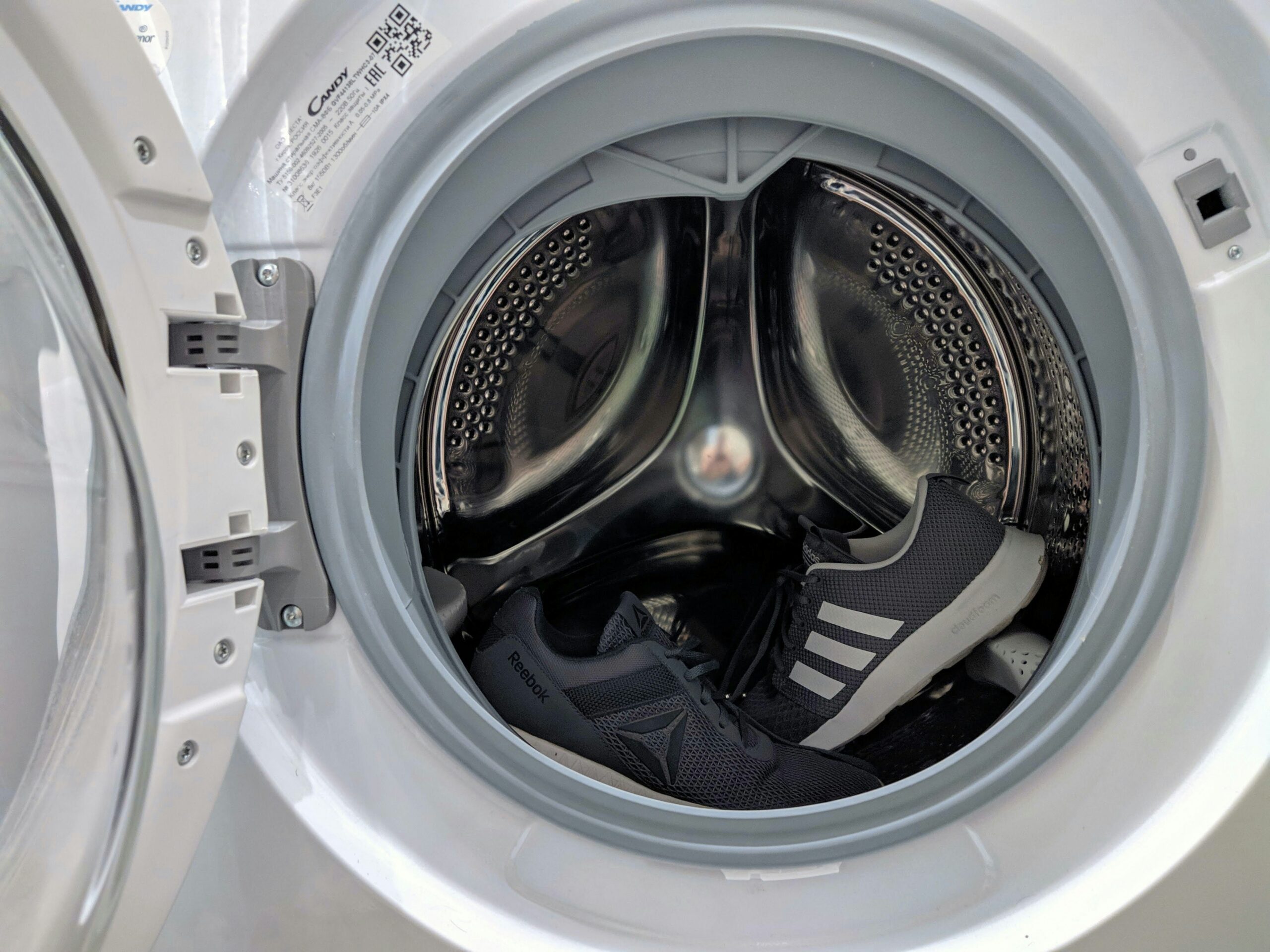
Washing machines are not silent, but excessive noise, clanking, grinding, or violent shaking points to a mechanical issue.
Identifying the Source of Noise
Pinpointing the origin of the noise is key to diagnosis.
- Loose foreign objects: Check pockets before washing. Coins, keys, and other small items can become dislodged and create rattling or grinding noises during agitation or spinning. These can often be found in the pump filter or between the inner and outer tubs.
- Worn suspension rods/springs: The wash tub is suspended by a system of rods and springs designed to absorb vibrations. If these become worn, corroded, or dislodged, the tub can move excessively, leading to loud banging or vibrating, especially during the spin cycle.
- Worn bearings: A deep, grinding, or roaring sound, particularly during the spin cycle, often indicates worn drum bearings. This is a more significant repair, sometimes requiring tub removal or replacement.
- Motor or pump issues: A failing motor or drain pump can also produce unusual noises, such as whining, humming, or grinding, distinct from the sounds of a smooth-running motor.
Addressing Vibration
A machine that “walks” across the floor or vibrates violently is not only disruptive but can damage the machine and your floor.
- Leveling the machine: Your washing machine must be perfectly level. Use a spirit level on the top of the machine and adjust the leveling feet (usually located at the bottom corners) until it is stable and level on all sides. An unlevel machine is a primary cause of excessive vibration.
- Even loading: As mentioned, an unbalanced load can cause severe vibration during the spin cycle. Distribute clothes evenly in the drum. Avoid washing a single heavy item alone, as it can easily create an imbalance.
If you’re experiencing issues with your washing machine, you might find it helpful to read a related article that offers practical tips for troubleshooting and repairs. For more detailed guidance, check out this informative piece on fixing washing machines, which covers common problems and solutions to help you get your appliance back in working order.
Leaks: The Unwanted Waterfall
| Issue | Common Cause | Estimated Repair Time | Required Tools | Difficulty Level |
|---|---|---|---|---|
| Washing machine not draining | Clogged drain hose or pump | 30-60 minutes | Screwdriver, pliers | Medium |
| Washing machine not spinning | Broken belt or motor issue | 1-2 hours | Screwdriver, socket wrench | Medium to High |
| Washing machine leaking water | Damaged door seal or hose | 30-90 minutes | Screwdriver, replacement seal/hose | Medium |
| Washing machine not starting | Faulty lid switch or power issue | 20-45 minutes | Multimeter, screwdriver | Medium |
| Excessive vibration or noise | Unbalanced load or worn shock absorbers | 45-90 minutes | Wrench, screwdriver | Medium |
Water leaks are perhaps the most immediately concerning problem, as they can cause significant damage to your home. Prompt action is crucial.
Locating the Leak Source
Finding the origin of a leak can be like finding a needle in a haystack. Observe precisely when the leak occurs (during filling, washing, draining) and where the water appears.
Water Inlet Hose Connections
These are external and easily accessible.
- Loose connections: Ensure the hot and cold water inlet hoses are tightly secured to both the machine and the wall faucets.
- Worn washers: The rubber washers inside the hose connections can degrade over time, leading to slow drips or outright leaks. Replace them if they appear cracked or flattened.
- Hose integrity: Inspect the hoses themselves for cracks, bulges, or punctures. Hoses can degrade, especially older rubber ones. Consider replacing them with braided stainless steel hoses for increased durability.
Drain Hose Connections
The connection where the drain hose enters the standpipe or utility sink.
- Improper fit or blockage: Ensure the drain hose is correctly seated and not forcing water back out due to an obstruction further down the drain. The hose should not be sealed airtight into the drain, allowing for proper airflow to prevent siphoning.
Water Pump Seals
The drain pump has seals that can wear out.
- Leaking pump: If you see water accumulating directly under the pump during the drain cycle, the pump itself or its seals may be leaking. This often requires pump replacement.
Tub Seals or Gaskets (Front-Loaders)
The bellow or gasket around the door of a front-loader is critical for preventing leaks.
- Damaged door gasket: Inspect the rubber gasket (bellow) around the door opening for tears, holes, or mildew buildup that could compromise its seal. Debris caught in the folds of the gasket can also cause leaks. Clean the gasket regularly and replace it if damaged.
- Internal tub seals: These are more difficult to access and are usually part of a larger repair if they fail, such as a tub bearing repair.
Dispenser Drawer
For machines with automatic detergent or fabric softener dispensers.
- Clogged dispenser: If detergent or softener residue builds up, it can block the dispenser’s pathways, causing water to overflow or leak out of the drawer opening. Clean the dispenser drawer regularly.
If you’re experiencing issues with your washing machine, you might find it helpful to explore a related article that offers practical tips and guidance on repairs. For a comprehensive guide on how to troubleshoot and fix common washing machine problems, check out this informative resource at fix it yourself appliance repair. This article provides step-by-step instructions that can help you get your appliance back in working order without the need for a professional technician.
Odor Issues: The Stench of Stagnation
A washing machine should smell clean, like the clothes it produces. A musty, moldy, or foul odor indicates a problem within the machine itself requiring attention.
Addressing Mold and Mildew Buildup
This is the most common cause of unpleasant odors, particularly in front-loading machines.
- Clean the door gasket/bellow (front-loaders): The folds of the rubber gasket around the door are prime breeding grounds for mold and mildew due to trapped moisture and detergent residue. Wipe it down regularly with a diluted bleach solution or a specialized cleaning product.
- Run a cleaning cycle: Most modern machines have a “Tub Clean” or “Self Clean” cycle. Use this regularly with a washing machine cleaner, white vinegar, or baking soda. For machines without a dedicated cycle, run the hottest wash cycle available with an empty drum, adding a cup of white vinegar or a scoop of baking soda directly to the drum.
- Leave the door ajar: After each wash cycle, leave the door (or lid, for top-loaders) slightly ajar to allow the drum to air out and dry completely. This prevents moisture from accumulating and fostering mold growth.
- Clean the detergent dispenser: Residue in the dispenser can become moldy. Remove and clean it thoroughly.
Checking for Drainage Issues and Stagnant Water
Odors can also arise from water that isn’t draining correctly and sits in the machine.
- Inspect the drain pump filter and hose: As discussed, blockages here can lead to water lingering in the machine, becoming stagnant and foul-smelling. Clean them regularly.
- Standpipe issues: If the drain hose is inserted too far into the standpipe or sealed too tightly, it can create a siphoning effect that may leave a small amount of stagnant water in the tub after each cycle.
Avoiding Overuse of Detergent and Fabric Softener
Ironically, trying to make your clothes cleaner can contribute to odors.
- Use the correct amount: Excessive detergent or fabric softener can leave residue that accumulates in the machine, providing food for mold and mildew. Consult your detergent’s instructions and your machine’s manual for appropriate amounts. High-efficiency (HE) machines require HE detergents.
By systematically troubleshooting these common issues, you can often restore your washing machine to full functionality. Remember to always prioritize safety by unplugging the machine before performing any inspections or repairs inside. If you are ever unsure or uncomfortable with a repair, especially involving electrical components, do not hesitate to consult a qualified appliance technician.