Dishwashers, like any appliance, can develop issues. Understanding common problems and their potential solutions can save homeowners time and expense. This guide outlines essential dishwasher repair tips.
Table of Contents
- No Power or Not Starting
- Water Not Filling or Filling Insufficiently
- Water Not Draining
- Dishes Not Getting Clean
- Leaks from the Dishwasher
- Basic Maintenance for Dishwasher Longevity
- Regular Cleaning of Internal Components
- Inspecting and Cleaning Spray Arms
- Maintaining the Door Seal
- Essential Tools for Dishwasher Repair
- Screwdrivers and Pliers
- Multimeter for Electrical Testing
- Wrenches and Socket Set
- Bucket and Towels
- When to Call a Professional
- Complex Electrical Issues
- Major Component Failures
- Persistent Leaks and Water Damage Concerns

The goal of a dishwasher is to automate dishwashing, providing convenience and efficiency. When this appliance falters, it disrupts household routines. Many common dishwasher malfunctions are not complex and can be addressed by the homeowner with basic tools and a systematic approach.
Before attempting any repair, it is crucial to identify the specific issue. Dishwashers can exhibit a range of symptoms, from minor inconveniences to complete cessation of function. Observing the problem closely will guide the diagnostic process.
No Power or Not Starting
A dishwasher that refuses to start can be frustrating, but often the cause is simple.
Checking the Power Supply
The most straightforward issue is a lack of power. Ensure the dishwasher is properly plugged into a working outlet. Test the outlet with another appliance to confirm it supplies electricity.
Circuit Breaker and Fuse Box
Dishwashers are high-draw appliances. They are typically connected to a dedicated circuit breaker. Locate your home’s electrical panel and check if the breaker for the dishwasher has tripped. If it has, reset it. If it trips again immediately, this indicates a more serious electrical problem that may require an electrician. In older homes with fuses, check the fuse box for a blown fuse.
Door Latch Issues
The dishwasher will not operate if the door latch assembly is not securely engaged.
Inspecting the Door Latch
Examine the door latch mechanism on both the door and the dishwasher body. Look for any obvious damage, debris, or misalignment. A latch that is stuck open or closed will prevent the unit from starting. Clean any visible debris that might be obstructing the latch. If the latch appears damaged, it may need replacement.
Water Not Filling or Filling Insufficiently
The dishwasher needs water to clean dishes. If it’s not filling correctly, the cleaning cycle cannot begin or will be ineffective.
Water Inlet Valve Problems
The water inlet valve controls the flow of water into the dishwasher.
Testing the Water Inlet Valve
When the dishwasher is supposed to fill, listen for any sounds of water entering the unit. If there is no sound or a very faint trickle, the water inlet valve might be the culprit. This valve is typically located at the back of the dishwasher, connected to the water supply line. It can become clogged with mineral deposits or fail electronically, preventing water from entering. To test it, you may need to access the valve and check for continuity with a multimeter if you suspect an electrical failure or look for visible blockages.
Float Switch or Assembly Issues
The float switch is a safety mechanism that prevents the dishwasher from overfilling.
Diagnosing Float Switch Problems
The float is a plastic component, often cone-shaped, that rises with the water level inside the tub. When it reaches a certain height, it triggers a switch that signals the water inlet valve to shut off. If the float becomes stuck in the down position, even if the tub is full, the float switch may not register the water level, and the dishwasher will continue to fill, potentially overflowing. On the other hand, if the float switch is faulty or obstructed, it may prevent water from entering at all. Check for debris around the float and ensure it moves freely.
Water Not Draining
A dishwasher that fails to drain leaves dirty water in the tub, rendering the wash cycle incomplete.
Clogged Drain Filter
Like a kitchen sink, dishwashers have filters to catch food particles and debris.
Cleaning the Dishwasher Filter
The drain filter is usually located at the bottom of the dishwasher tub. Consult your owner’s manual for its exact location and removal instructions. The filter can become clogged with food scraps, glass shards, or other debris. Removing and thoroughly cleaning the filter under running water is a common and effective solution to draining problems. Rinse it well before reinserting it.
Drain Hose Blockages
The drain hose carries wastewater from the dishwasher to your home’s plumbing.
Inspecting the Drain Hose for Kinks and Obstructions
The drain hose can become kinked or clogged. Follow the hose from the dishwasher to its connection point with your plumbing. Look for any sharp bends that might restrict water flow. If you suspect a blockage within the hose itself, you may need to detach it (with a bucket ready to catch residual water) and try to clear it by flushing it with water or using a long, flexible tool.
Drain Pump Issues
The drain pump is responsible for expelling water from the dishwasher.
Checking for Pump Obstructions
If the filter and hose are clear, the drain pump might be the issue. Obstructions, such as small pieces of glass or plastic, can get lodged in the pump impeller. Accessing the pump usually requires removing the lower front panel of the dishwasher. With the power disconnected, carefully inspect the pump for any foreign objects and remove them. If the pump appears to be running but not effectively moving water, it may be failing and require replacement.
Dishes Not Getting Clean
The primary function of a dishwasher is to clean dishes. If they are coming out still dirty, several factors could be at play.
Improper Loading Techniques
How you arrange dishes significantly impacts cleaning performance.
Optimizing Dish Placement for Maximum Water Flow
Overcrowding the dishwasher is a common mistake. Dishes should be placed so that water can reach all surfaces. Ensure that large items do not block the spray arms. The spray arms, often two or three in number, rotate to distribute water. If their movement is impeded, cleaning will be uneven. Refer to your dishwasher’s manual for recommended loading patterns.
Clogged or Damaged Spray Arms
The spray arms are the workhorses of the cleaning process.
Cleaning and Inspecting Spray Arm Nozzles
The small holes (nozzles) on the spray arms can become clogged with food particles or mineral deposits. This restricts water pressure and spray pattern. Remove the spray arms (they are usually screwed or snapped into place) and clean the nozzles with a thin wire or toothpick. Inspect the arms for any cracks or damage that might affect their rotation or spray.
Water Temperature Issues
Dishwashers rely on hot water to effectively break down grease and food residues.
Verifying Water Heater Settings
The dishwasher’s performance is directly linked to the water temperature it receives. Ensure your home’s water heater is set to an adequate temperature, typically around 120°F (49°C). If the water entering the dishwasher is too cool, it will struggle to clean effectively.
Ineffective Detergent Use
The type and amount of detergent are critical.
Choosing the Right Detergent and Using Correct Amounts
Using cheap or old detergent can lead to poor cleaning. Opt for reputable brands and ensure you are using the correct amount as recommended by the manufacturer and your dishwasher’s manual. Too little detergent will not clean properly, while too much can create excessive suds, which can impede washing and draining.
If you’re experiencing issues with your dishwasher, understanding common problems and their solutions can be incredibly helpful. For a more in-depth look at appliance repair, you might find this article on better appliance repair particularly useful. It covers various troubleshooting tips and maintenance advice that can save you time and money in the long run.
Leaks from the Dishwasher
Water leaks are a clear indication of a problem and require immediate attention to prevent water damage.
Door Seal (Gasket) Problems
The rubber gasket around the dishwasher door creates a watertight seal.
Inspecting and Cleaning the Door Gasket
Over time, the door gasket can become brittle, cracked, or dirty, compromising its sealing ability. Inspect the gasket for any visible damage, tears, or debris lodged in it. Clean the gasket regularly with a damp cloth. If it is significantly damaged, it will need to be replaced.
Hose Connections
Various hoses connect within the dishwasher and to the household plumbing.
Tightening Loose Hose Clamps
Leaks can occur at the points where hoses are connected. Check all visible hose connections, both within the dishwasher and where it connects to your water supply and drain. Ensure the clamps securing these hoses are tight. Mild corrosion or detergent residue can sometimes impair the seal.
Underside Leaks and Pump Seals
Leaks originating from the bottom of the dishwasher often point to issues with internal components.
Identifying the Source of Underside Leaks
Leaks from the base of the dishwasher can be more complex to diagnose. They might stem from a faulty water inlet valve, a cracked tub, or an issue with the drain pump seal. Place towels or paper under the dishwasher and run a short cycle to pinpoint the exact source of the leak. This will help determine which component is faulty.
If you’re experiencing issues with your dishwasher, understanding common appliance problems can be quite helpful. For a deeper insight into various small appliance issues, you might find this article on common problems and their solutions particularly useful. It covers a range of topics that could help you troubleshoot your dishwasher effectively. You can read more about it here: Examples of Common Small Appliance Issues.
Basic Maintenance for Dishwasher Longevity
Proactive maintenance can prevent many common issues before they become major repairs. Think of maintenance as tending to the heartbeat of your appliance, ensuring it beats strong.
Regular Cleaning of Internal Components
Keeping parts clean is fundamental.
Cleaning the Filter
As mentioned earlier, the drain filter is a key component for maintaining good drainage and preventing clogs.
Frequency and Method of Filter Cleaning
Ideally, you should check and clean the dishwasher filter at least once a month, or more frequently if you use your dishwasher heavily or often wash items with significant food debris. Remove the filter as per your manual’s instructions, rinse it thoroughly under hot running water, and use a soft brush to remove any stubborn particles.
Cleaning the Door and Tub Interior
Food debris and soap scum can build up on the interior surfaces.
Using Specialized Cleaning Cycles or Solutions
Many dishwashers have self-cleaning cycles. If yours does not, a manual cleaning with a mild detergent or a specialized dishwasher cleaner can be effective. Periodically run an empty cycle with a cup of white vinegar placed in a bowl on the top rack. Vinegar helps to break down mineral deposits and degrease the interior.
Inspecting and Cleaning Spray Arms
Clogged spray arms are a frequent cause of poor cleaning.
Checking for Blockages and Damage
Take a few minutes each month to visually inspect the spray arms for any visible obstructions in the spray nozzles.
Using a Toothpick or Small Wire for Clearing Nozzles
A toothpick or a piece of thin wire can be used to gently dislodge any food particles that may be blocking the spray arm nozzles. Ensure the spray arms can rotate freely before reassembling.
Maintaining the Door Seal
A good door seal is paramount to preventing leaks.
Wiping Down the Gasket
Do not neglect the rubber seal that runs around the perimeter of the door.
Ensuring a Tight Seal for Optimal Performance
Wipe down the door gasket with a damp cloth at least once a week. This removes any food particles or grime that could hinder its ability to create a watertight seal. Check for any signs of wear and tear that might indicate it needs replacement.
Essential Tools for Dishwasher Repair

Having the right tools at your disposal can turn a daunting repair into a manageable task.
Screwdrivers and Pliers
These are the workhorses of most DIY repairs.
Common Types and Their Uses
A set of Phillips head and flathead screwdrivers in various sizes will be necessary for removing panels and components. Needle-nose pliers can be helpful for gripping small parts or reaching into tight spaces.
Multimeter for Electrical Testing
For electrical troubleshooting, a multimeter is indispensable.
Checking for Power and Component Continuity
A multimeter allows you to test if electrical components are receiving power and if they are functioning correctly by measuring voltage, current, and resistance. This is crucial for diagnosing issues with the water inlet valve, drain pump, or control board. Always disconnect power to the dishwasher before using a multimeter to test electrical components.
Wrenches and Socket Set
Some repairs may require loosening or tightening nuts and bolts.
Accessing and Replacing Plumbing Components
A basic set of adjustable wrenches or a socket set will be useful for disconnecting water supply lines or drain hoses that are secured with fittings.
Bucket and Towels
These are essential for managing water spillage.
Containing Spills During Disassembly and Reassembly
When working on plumbing or components that hold water, always have a bucket and old towels ready to catch any residual water and to protect your floor from damage.
When to Call a Professional
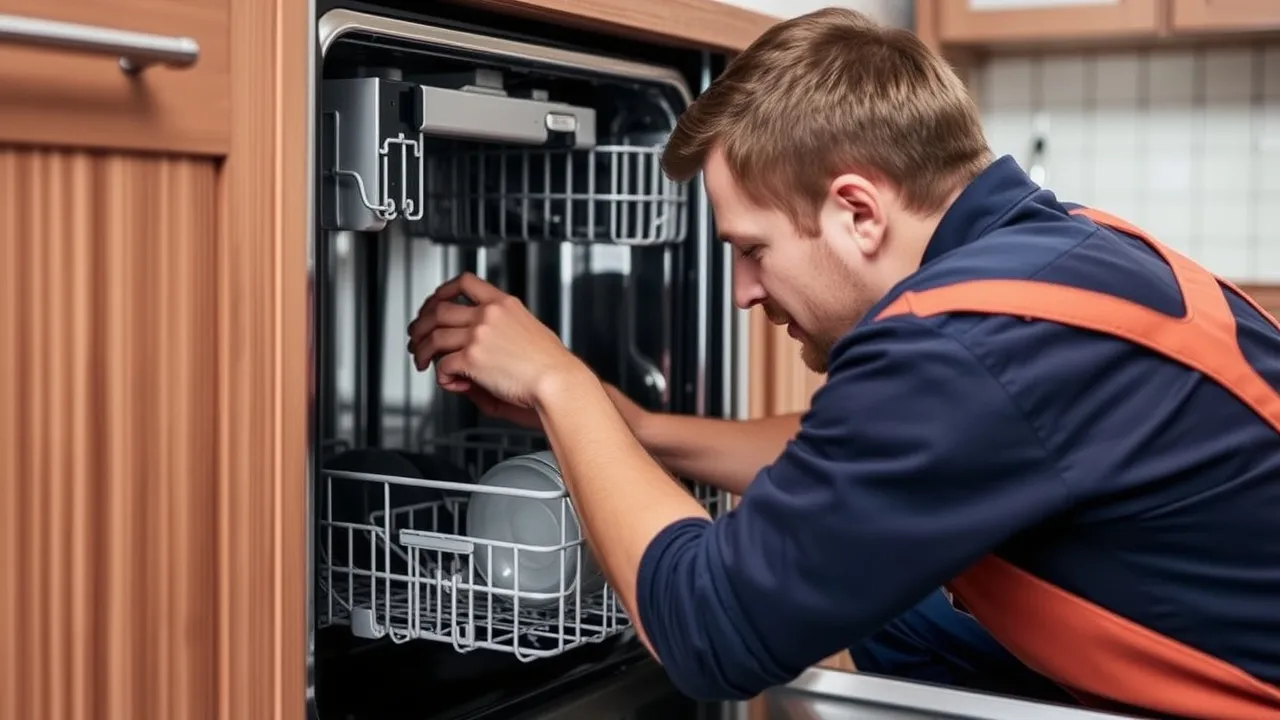
While many dishwasher problems are DIY-friendly, some situations warrant professional intervention.
Complex Electrical Issues
When the problem involves the control board or intricate wiring.
Risk of Electrical Shock and Further Damage
Attempting repairs on complex electrical systems without proper knowledge can be dangerous.
Signs Indicating the Need for an Electrician
If you have a tripped breaker that repeatedly trips, significant sparking, or the control panel is unresponsive or displaying error codes you cannot decipher, it is best to call a qualified appliance repair technician or an electrician. They have the expertise and specialized tools to diagnose and repair these issues safely.
Major Component Failures
When suspecting the failure of critical and costly parts.
Water Inlet Valve, Drain Pump, or Motor Replacement
Certain components, like the circulation pump motor or the main control board, are expensive and their replacement may require specialized knowledge.
Cost-Benefit Analysis of DIY vs. Professional Repair
For more complex mechanical failures, consider the cost of parts and your own time. If the repair is extensive or if you lack confidence in your abilities, a professional repair may be more efficient and ultimately less costly in the long run.
Persistent Leaks and Water Damage Concerns
When leaks are extensive or you are unsure of the source.
Potential for Significant Property Damage
Water