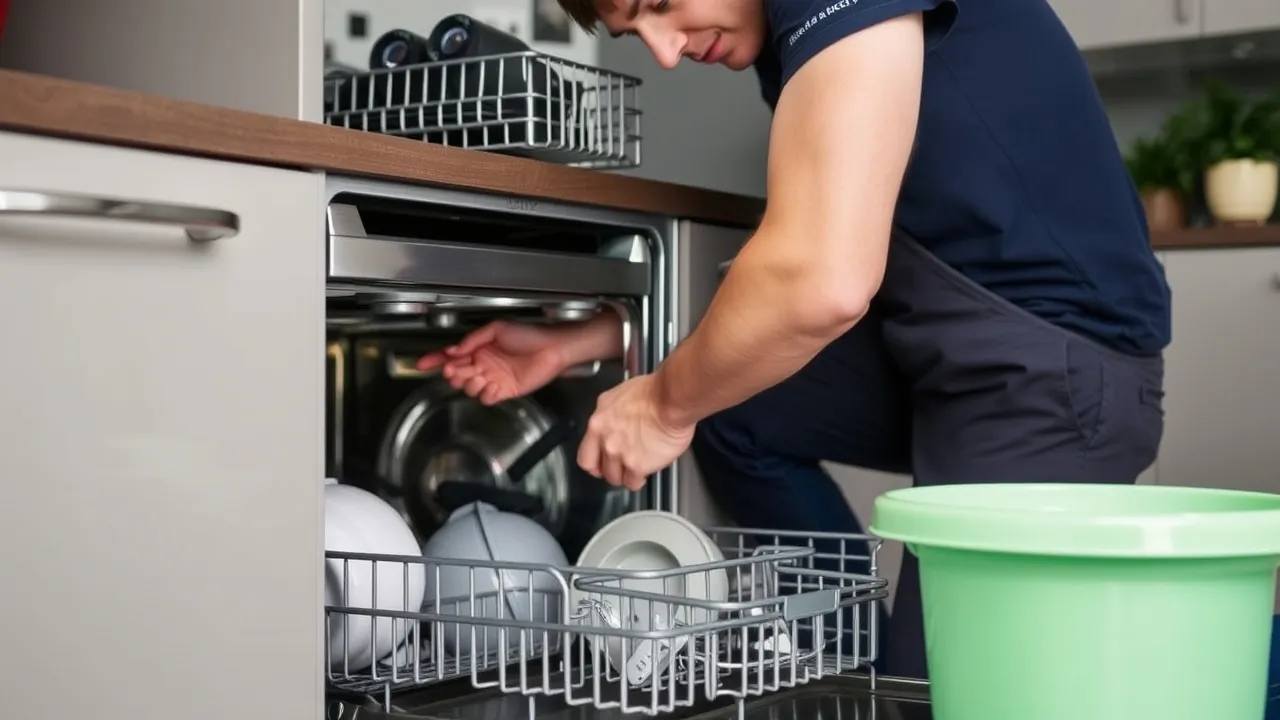
So, your reliable Bosch dishwasher seems to be acting up. Bummer, right? When these workhorses hit a snag, it’s easy to feel a bit stressed, especially if you’re facing a mountain of dirty dishes. This guide is here to help you navigate common Bosch dishwasher issues, offering practical troubleshooting steps and maintenance advice from a repair pro’s perspective. We’ll cover what you can check yourself before calling for expert help, and when it’s definitely time to bring in the cavalry.
Table of Contents
- Safety First!
- Unplugging the Appliance
- Signs You Need a Professional
- Common Bosch Dishwasher Problems and DIY Fixes
- The Dishwasher Isn’t Cleaning Properly
- The Dishwasher Won’t Drain
- The Dishwasher Isn’t Filling with Water
- Strange Noises During Operation
- Odors Coming from the Dishwasher
- Essential Bosch Dishwasher Maintenance
- Regular Cleaning
- Checking for Blockages
- Using the Right Products
- When to Absolutely Call a Bosch Dishwasher Repair Expert
- Electrical Component Failures
- Leaking Water from Underside of the Unit
- Complex Error Codes
- Understanding Your Bosch Dishwasher’s Features
- Different Wash Cycles
- Smart Features and Indicators
- Maintaining Water Quality for Your Bosch Dishwasher
- Hard Water Issues
- Soft Water Considerations
First off, let’s be clear: not every little hiccup requires a technician. However, some problems are beyond the average DIYer’s scope and can even lead to bigger issues if handled incorrectly. Knowing when to call in the professionals is key to saving time, money, and your sanity.

Safety First!
Before you even think about poking around your Bosch dishwasher, always remember that electricity and water are involved. This is not the time to be a hero.
Unplugging the Appliance
The most crucial step is to disconnect the dishwasher from its power source. Seriously, just pull the plug behind the appliance or flip the corresponding breaker at your electrical panel. Don’t assume it’s off just because it’s not running.
Shutting Off the Water Supply
Similarly, you’ll want to turn off the water supply to the dishwasher. This is usually a small valve under your sink. Look for a chrome-plated handle connected to the hose leading to your dishwasher. Turning it clockwise should shut off the water.
Signs You Need a Professional
Some issues are clear indicators that you should reach out to a qualified Bosch dishwasher repair specialist.
Persistent Error Codes
Bosch dishwashers are pretty smart, and they’ll often display error codes when something is wrong. While some are simple fixes you can do yourself (like a clogged filter), persistent or complex error codes usually point to internal component failures that require expert diagnosis. Don’t ignore them – they’re the machine telling you it needs help.
Unusual Noises
While dishwashers aren’t silent, sudden loud grinding, banging, or squealing noises are a definite red flag. These can indicate problems with the motor, pump, or spray arms that need professional attention. Trying to run the machine with these noises could cause further damage.
Water Leaks
A small puddle every now and then might be a minor seal issue you can address, but a significant water leak that isn’t contained to the bottom of the unit means something more serious is afoot. This could involve cracked hoses, pump issues, or faulty door seals that require expert replacement.
Incomplete Cycles or Failure to Start
If your Bosch dishwasher consistently fails to complete a wash cycle or won’t even start, it’s beyond a simple user error. This could be an issue with the control panel, wiring, or internal sensors that a technician is equipped to troubleshoot.
Electrical or Control Board Malfunctions
If the display is acting erratically, or the unit seems to have no power despite being plugged in and the breaker being on, it’s likely an electrical issue. These are complex and potentially dangerous to meddle with, making them a clear job for a professional.
If you’re looking for tips on maintaining your Bosch dishwasher and ensuring it operates efficiently, you might find the article on appliance tips for efficient cleaning particularly helpful. It provides valuable insights that can aid in troubleshooting common issues and enhancing the performance of your dishwasher. You can read more about it here: appliance tips for efficient cleaning.
Common Bosch Dishwasher Problems and DIY Fixes
Now, let’s dive into some of the more common hiccups you might encounter with your Bosch dishwasher. For many of these, a little bit of investigation and a few simple steps might get things back on track.
The Dishwasher Isn’t Cleaning Properly
This is arguably the most frustrating problem. You ran a cycle, but the dishes still have food bits on them. Let’s break down the usual suspects.
Dirty Filters
This is the number one culprit for poor cleaning, hands down. Most Bosch dishwashers have a filter system at the bottom of the tub.
Locating the Filter
Typically, you’ll find it by unscrewing a cylindrical part at the very bottom of the dishwasher tub, often near the spray arm. Consult your Bosch manual if you’re unsure of your specific model’s filter location.
Cleaning the Filter
Once removed, rinse the filter under running water. Use a soft brush (an old toothbrush works great) to gently scrub away any stubborn food particles or grease. Make sure to reassemble it correctly after cleaning. This should be done regularly, ideally every few washes.
Blocked Spray Arms
The spray arms are what distribute the water and detergent to clean your dishes. If they’re blocked, water can’t reach everywhere.
Checking for Obstructions
Spin the spray arms by hand. Do they move freely? If not, check for any cutlery, large food debris, or even hardened detergent buildup that might be preventing them from rotating.
Clearing Spray Arm Holes
The small holes in the spray arms can get clogged with food particles and mineral deposits. You can often clear these using a toothpick, a needle, or a small piece of wire. Be gentle, you don’t want to enlarge the holes.
Incorrect Loading Techniques
Even the best dishwasher can’t work miracles if it’s overloaded or loaded incorrectly.
Spacing Is Key
Don’t let dishes touch each other. This prevents water and detergent from circulating and reaching all surfaces.
Facing Directions
Larger items should be placed so they don’t block the spray arms. Utensils should have their dirty sides facing downwards or inwards. Pots and pans should be angled downwards to allow water to drain.
Detergent Issues
Using the wrong type or amount of detergent can seriously impact cleaning performance.
Using the Right Detergent
Always use a detergent specifically designed for automatic dishwashers. Powder, liquid, or pods all have their pros and cons, but make sure it’s what’s recommended for your Bosch.
Detergent Dosage
Too little detergent won’t clean effectively, and too much can leave residue and not rinse properly. Follow the detergent manufacturer’s instructions and your dishwasher manual.
The Dishwasher Won’t Drain
Another common and very noticeable problem. Water left standing in the bottom of the dishwasher after a cycle is a sign of a drain issue.
Clogged Drain Hose
The hose that carries water from the dishwasher to your kitchen drain can get kinked or clogged.
Checking for Kinks
Inspect the dishwasher drain hose behind the unit. Make sure it isn’t twisted, pinched, or bent, which can restrict water flow.
Clearing Blockages (Advanced DIY)
If you suspect a blockage within the hose itself, you might be able to disconnect it (remember to shut off water and unplug!) and try to flush it out with water or use a plumber’s snake. This is more involved and might be a good time to call the repair pro if you’re not comfortable.
Clogged Drain Pump Filter
Like the main filter, the drain pump has its own filter that can get clogged.
Accessing the Pump Filter
This is usually located at the bottom of the dishwasher tub, often behind a cover. Your manual will be your best friend here.
Cleaning the Pump Filter
Remove any debris, food particles, or foreign objects. This is crucial for proper drainage.
Garbage Disposal Issues (if connected)
If your dishwasher is plumbed into your garbage disposal, any clog or jam in the disposal can prevent the dishwasher from draining.
Checking the Garbage Disposal
Run some water through the disposal and see if it empties properly. If not, you’ll need to address the disposal issue first.
The Dishwasher Isn’t Filling with Water
This is a bit more straightforward – if there’s no water, there’s no wash.
Water Supply Valve Closed
It sounds simple, but it’s worth double-checking that the water supply valve under your sink is fully open.
Kinked or Blocked Inlet Hose
Similar to the drain hose, the hose bringing water into the dishwasher can become kinked or blocked.
Inspecting the Inlet Hose
Ensure the hose isn’t bent or pinched. If it looks damaged, it might need replacing.
Faulty Water Inlet Valve
The water inlet valve is controlled electronically to let water into the dishwasher. If this valve fails, water won’t enter.
When to Call a Pro
Diagnosing and replacing an inlet valve usually requires some electrical knowledge and comfortable with plumbing connections, so this is often a job for the repair expert.
Strange Noises During Operation
Those unusual sounds can be unnerving, and it’s important to identify the cause before minor issues become major ones.
Grinding Noises
Often indicates an obstruction around the pump or motor.
Checking for Debris in the Pump
This usually involves accessing the pump mechanism, which can be tricky. Food particles, small bones, or shards of glass can get lodged here and cause grinding.
What a Pro Can Do
A repair technician can safely access and clear the pump, or diagnose if the pump itself is failing.
Squealing or High-Pitched Whining
This can sometimes point to issues with the motor or bearings.
Motor Bearing Wear
If the motor bearings are worn, they can create a high-pitched whine. This is a component failure that requires professional attention.
Knocking or Banging
This could be related to the spray arms hitting dishes if they are improperly loaded or if an arm is damaged.
Secure Loading
Double-check how you’re loading your dishwasher to ensure no dishes are obstructing the spray arms.
Damaged Spray Arms
If an arm is cracked or warped, it might be hitting the tub or racks.
Odors Coming from the Dishwasher
A smelly dishwasher is unpleasant, but usually fixable with some diligent cleaning.
Food Particles in the Drain or Filters
As mentioned earlier, food debris is a major cause of odors.
Regular Filter Cleaning
Make this a habit. A clean filter equals a less smelly dishwasher.
Buildup in the Tub and Door Seals
Over time, grease and grime can build up in the nooks and crannies, including the door seals.
Cleaning the Interior
Use a dishwasher cleaner or a homemade solution of white vinegar and baking soda. Run an empty hot cycle to help break down grime.
Cleaning Door Seals
Wipe down the rubber door seals with a damp cloth and a bit of mild detergent. Pay attention to the bottom seal where water can accumulate.
Issues with the Drain Line
If the drain line itself has accumulated gunk, it can create a foul smell.
Using Dishwasher Cleaner
Running a dishwasher cleaner regularly can help keep the internal plumbing clear.
Essential Bosch Dishwasher Maintenance
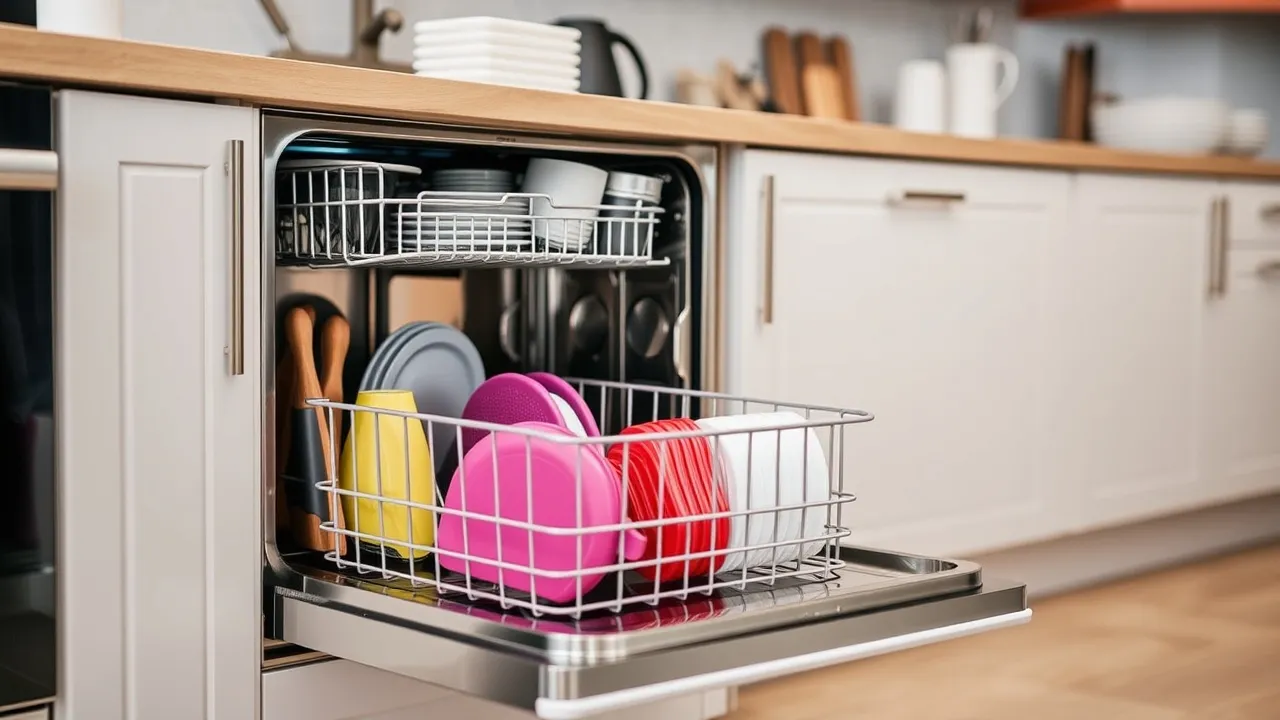
Prevention is truly the best medicine when it comes to appliance repair. Regular maintenance will not only keep your Bosch dishwasher running smoothly but also extend its lifespan.
Regular Cleaning
This is your frontline defense against most common issues.
Cleaning the Filter System
As we’ve discussed, this is a must-do. Aim to do it at least once a month, or more if you tend to wash heavily soiled dishes.
Wiping Down Door Seals
This prevents mold and mildew growth, which can cause odors and even compromise the seal.
Cleaning the Interior Tub
Every few months, run an empty hot cycle with a dishwasher cleaner or a cup of white vinegar. This helps to descum the interior, including the heating element and fan (if applicable).
Checking for Blockages
Periodically, take a quick look at your spray arms and drain filters to ensure nothing obvious is blocking them.
Using the Right Products
- Detergent: Always use a high-quality dishwasher detergent specifically formulated for automatic dishwashers. Avoid using regular dish soap, as it can create excessive suds and damage the appliance.
- Rinse Aid: While not strictly a cleaning agent, rinse aid helps water to sheet off dishes, improving drying and preventing water spots. Ensure your rinse aid dispenser is topped up.
When to Absolutely Call a Bosch Dishwasher Repair Expert
There are certain situations where attempting a DIY fix is not advisable. These are scenarios where specialized knowledge, tools, or safety precautions are necessary.
Electrical Component Failures
If you suspect an issue with the control board, wiring harness, or any electrical component, it’s best to leave this to the professionals. Electrical work can be dangerous if you’re not trained.
Troubleshooting Control Board Issues
A malfunctioning control board can manifest in countless ways, from the unit not responding to random error messages. These are complex and require specialized diagnostic equipment.
Motor or Pump Replacement
The motor and pump are critical components. If these are failing, it will likely require specialized tools and expertise to safely remove and replace them.
Leaking Water from Underside of the Unit
While a minor dribble at the door might be a seal issue, significant leaks from the bottom of the dishwasher often indicate a problem with internal plumbing, hoses, or the pump housing itself.
Internal Hose or Seal Damage
These are often hidden within the appliance and require disassembly to access and repair.
Pump Housing Cracks
A cracked pump housing will definitely result in leaks and needs professional replacement.
Complex Error Codes
As mentioned before, some error codes are simple to resolve, but others, like those indicating a sensor failure or communication problem between components, require a technician’s expertise for accurate diagnosis and repair.
Sensor Malfunctions
Modern dishwashers rely on various sensors to operate correctly. If one of these fails, the entire cycle can be disrupted.
Communication Errors Between Components
When different parts of the dishwasher aren’t talking to each other properly, it’s a sign of a more complex electronic issue.
If you’re experiencing issues with your Bosch dishwasher, you might find it helpful to read about common appliance problems and their solutions. A related article discusses the intricacies of appliance repair, including troubleshooting tips that could assist you in diagnosing your dishwasher’s issues. For more insights, check out this informative piece on ignition clicking conundrums that can provide you with a deeper understanding of appliance maintenance.
Understanding Your Bosch Dishwasher’s Features
| Common Issues | Repair Solutions |
|---|---|
| Dishwasher not starting | Check power supply, door latch, and control panel |
| Not cleaning dishes properly | Inspect spray arms, water inlet valve, and filter |
| Leaking water | Examine door gasket, float switch, and inlet valve |
| Not draining | Clean drain hose, check drain pump, and filter |
Bosch dishwashers are known for their engineering and user-friendly design. Understanding some of their key features can help you troubleshoot and use them more effectively.
Different Wash Cycles
Bosch offers a variety of wash cycles tailored to different needs. Understanding what each cycle does can optimize your cleaning and prevent unnecessary wear.
Normal Wash
For everyday loads with typical soiling.
Heavy Duty/Intensive Wash
For heavily soiled pots, pans, and dishes. Using this on lightly soiled items can be overkill and waste resources.
Eco Cycle
Designed to save energy and water. It typically runs at a lower temperature for a longer time. Good for lightly soiled items when you have time.
Quick Wash
For lightly soiled dishes that need a quick refresh. It’s not meant for heavy-duty cleaning.
Express Wash (if available on your model)
Bosch models can have variations; familiarize yourself with your specific cycle names and purposes.
Smart Features and Indicators
Many Bosch dishwashers come with indicator lights and digital displays that provide crucial information.
Salt Indicator
Bosch dishwashers in areas with hard water benefit from a salt dispenser. This indicator lets you know when to refill.
Rinse Aid Indicator
Ensures your rinse aid levels are optimal for proper drying.
Time Remaining Display
Helps you plan your kitchen schedule.
Filter Cleaning Indicator (on some models)
A helpful reminder to check and clean your filters.
If you’re looking for expert guidance on Bosch dishwasher repair, you might find it helpful to check out a related article that discusses common appliance issues and their solutions. Understanding these problems can save you time and money in the long run. For more information, you can visit this trusted resource that offers insights into various appliance repairs, including dishwashers.
Maintaining Water Quality for Your Bosch Dishwasher
The water you use can have a significant impact on your dishwasher’s performance and longevity.
Hard Water Issues
In areas with hard water, mineral deposits (limescale) can build up, affecting cleaning power and potentially damaging components.
Using Dishwasher Salt (if applicable)
If your Bosch has a salt compartment, using dishwasher salt is crucial in hard water areas. It softens the water, preventing limescale.
Using a Water Softener System
For homes with extremely hard water, a whole-house water softener system is the most effective long-term solution.
Soft Water Considerations
While soft water is generally better for appliances, using too much detergent can become an issue.
Adjusting Detergent Dosage
In soft water, you may need to use less detergent than recommended to avoid over-sudsing and residue.
Following these troubleshooting steps and maintenance tips should help you keep your Bosch dishwasher running efficiently. Remember, when in doubt, always consult your user manual or reach out to a qualified Bosch dishwasher repair professional. They have the expertise and tools to quickly diagnose and fix more complex issues, ensuring your trusty appliance serves you well for years to come.