Even in an era of planned obsolescence and fleeting technological trends, some brands manage to carve out a reputation for longevity. You might be in the market for a new appliance, or perhaps you’re simply an enthusiast of robust engineering. Whatever your motivation, understanding which brands prioritize durability over disposability is a wise investment. This study delves into one such brand, Maytag, examining its approach to creating appliances that stand the test of time, and what that means for you as a consumer.
Table of Contents
- The Economic Impact of Durability
- Calculating the Total Cost of Ownership
- The Environmental Significance of Longevity
- Maytag’s Engineering Philosophy: Building for the Long Haul
- The Foundation of Durability: Material Selection
- Intricate Design for Enduring Performance
- Maytag’s Laundry Line: Engineered for Tough Tasks
- Washers Built for the Rigors of Every Load
- Dryers Engineered for Consistent and Gentle Drying
- Maytag Refrigerators: Keeping Cool for the Long Term
- XL Crisper Refrigerators: Designed for Capacity and Convenience
- Durability Features: Built to Withstand Daily Use
- Maytag’s Brand Positioning: The “Reliable Rebel”
- Focus on Hardworking Homes
- KBIS 2026 Showcase: A Glimpse into Future Durability
- Appliance Lifespan Comparison Chart by Type
- How to Extend the Life of Every Major Appliance
- Refrigerator
- Dishwasher
- Washing Machine
- Dryer
- Oven and Stove
- Signs Your Appliance Is Nearing End of Life
- Repeated Repairs on the Same Component
- Energy Efficiency Decline
- Unusual Noises and Vibrations
- Age Thresholds by Appliance Type
- FAQs
- 1. What brand of appliances is known for lasting the longest?
- 2. How long do appliances from these brands typically last?
- 3. Are there any specific appliance models from these brands that are known for their longevity?
- 4. What factors contribute to the longevity of appliances from these brands?
- 5. Are there any warranties or guarantees offered by these brands for their appliances?
When you invest in a major appliance, the expectation isn’t just that it will function today. It’s that it will function reliably for years, potentially even decades. This is the essence of durability: the capacity of a product to endure wear, pressure, or damage over an extended period. For appliances, this translates to fewer breakdowns, lower repair costs, and a reduced need for premature replacement.
The Economic Impact of Durability
The financial implications of appliance durability extend beyond the initial purchase price. A longer-lasting appliance means you’re not factoring in replacement costs as frequently. This can represent significant savings over the lifespan of your kitchen or laundry room. Furthermore, the cost of repairs, which can easily reach hundreds or even thousands of dollars, is also mitigated by a commitment to durable components and build quality.
Calculating the Total Cost of Ownership
To truly assess the value of an appliance, one must consider its total cost of ownership. This includes the initial purchase price, installation costs, energy consumption over its lifespan, and the estimated cost of repairs and maintenance. A more durable appliance, even if it carries a slightly higher upfront cost, will likely have a lower total cost of ownership due to its extended service life and reduced repair needs. You are, in essence, paying for peace of mind and dependable operation for a longer duration.
The Environmental Significance of Longevity
In today’s conscious consumer landscape, the environmental impact of our purchases is increasingly important. Appliances, particularly large ones, have a significant manufacturing footprint and contribute to landfill waste when discarded. A durable appliance extends its useful life, thereby delaying its eventual disposal. This directly reduces the demand for new manufacturing, conserves resources, and diminishes the volume of electronic waste. Choosing a brand that prioritizes longevity is, therefore, a more sustainable choice for the planet.
Reducing E-Waste Through Mindful Selection
The overwhelming amount of electronic waste generated globally is a substantial environmental concern. Appliances, often containing complex electronic components and hazardous materials, are a significant contributor. By opting for appliances designed for longevity, you are actively participating in the reduction of this waste stream. This not only lessens the burden on landfills but also conserves the raw materials and energy required to produce new machines.
When considering the longevity of various appliance brands, it’s essential to look at reliable sources that provide insights into their durability and performance. A related article that delves into common appliance issues and their solutions can be found here: Drain Pump Dilemmas: Identifying and Repairing Problems. This article not only discusses troubleshooting tips but also highlights the importance of choosing quality appliances that can withstand the test of time.
Maytag’s Engineering Philosophy: Building for the Long Haul
Maytag has cultivated a reputation for building appliances that are designed to withstand the rigors of everyday household use, often in demanding environments. This isn’t accidental; it’s a deliberate engineering philosophy that underpins their product development. You see this reflected in their choice of materials, their internal component design, and the overall robustness of their construction.
The Foundation of Durability: Material Selection
The materials used in appliance manufacturing play a crucial role in their ability to endure. Maytag appliances often incorporate materials chosen for their strength and resistance to wear and tear.
Stainless Steel: A Mark of Resilience
One of the most evident materials contributing to Maytag’s durability is stainless steel. This is not merely for aesthetic appeal, although its modern look is a benefit. Stainless steel is known for its resistance to corrosion and rust, which are common issues that can degrade appliance components over time, particularly in the humid environments of kitchens and laundry rooms. Many of Maytag’s washers, for instance, feature durable stainless steel wash baskets, which are inherently more robust than plastic alternatives and resist chipping or snagging of clothes.
Metal Components: Forging Strength
Beyond visible stainless steel, Maytag also employs metal in less obvious but critical components. You will find metal slide-out shelves in their refrigerators, designed to support substantial weight and resist bending or breaking over repeated use. This contrasts with some lighter, plastic shelves that can warp under the strain of heavy groceries. The focus on metal in key structural and functional parts contributes directly to an appliance’s overall resilience.
Intricate Design for Enduring Performance
A durable appliance is not just about strong materials; it’s about how those materials are assembled and integrated into a functional unit. Maytag’s design principles often emphasize features that contribute to long-term operational integrity.
The StrongBox™ Hinge Design: Maintaining Seal Integrity
In refrigerators, the effectiveness of the door seal is paramount for energy efficiency and food preservation. Maytag employs their StrongBox™ Hinge Design specifically to ensure these seals remain tight and effective over time. This engineered hinge system is built to withstand the repeated opening and closing of refrigerator doors, preventing sag or misalignment that can lead to air leaks and increased energy consumption. You can trust that the seal you have today will likely be the seal you have in years to come.
EvenAir Cooling System: Consistent Performance
For refrigerators, maintaining a consistent internal temperature is key to preserving food and efficient operation. Maytag’s EvenAir Cooling System is designed to distribute cool air evenly throughout the appliance. This prevents hot or cold spots that can put undue stress on the cooling components and ensures that each compartment is operating within its optimal range, contributing to the overall longevity of the refrigeration system.
Maytag’s Laundry Line: Engineered for Tough Tasks
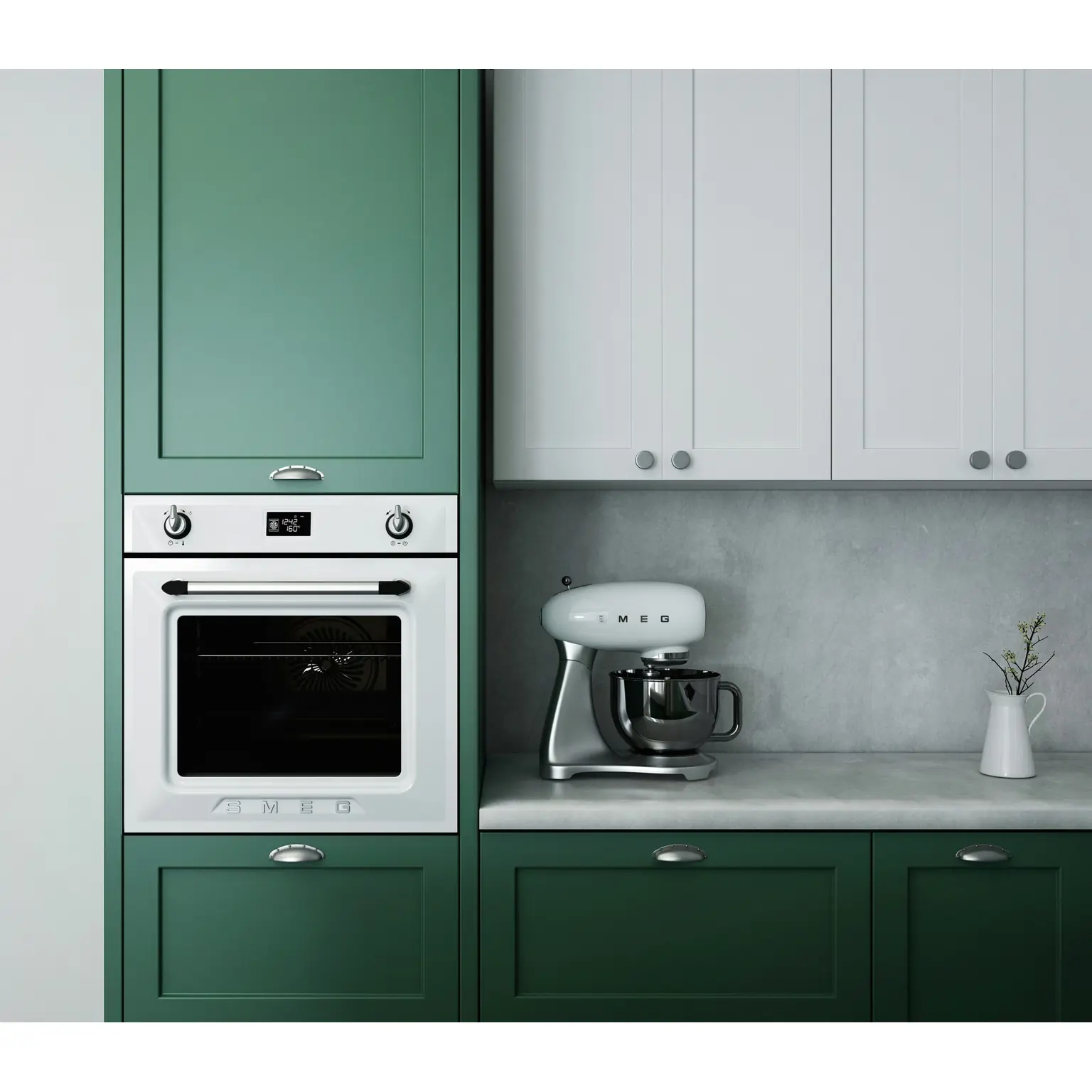
The laundry room is often where appliance durability is tested most severely. The constant motion, high spin speeds, and exposure to moisture and detergents demand robust machines. Maytag has long positioned itself as a brand that understands these demands, offering features designed for both performance and longevity in their washers and dryers.
Washers Built for the Rigors of Every Load
Maytag washers are engineered with the understanding that they will handle a variety of fabric types and soil levels. Their focus on stain removal and powerful cleaning directly relates to their commitment to durable operation.
Extra Power Stain-Fighting: More Than Just a Setting
The Extra Power stain-fighting option found in many Maytag washers is not simply a different wash cycle. It indicates a more robust internal system that can handle higher water temperatures and more aggressive agitation when needed. This means the motor and internal mechanisms are designed to withstand these more demanding conditions without premature wear. The ability to tackle tough stains effectively means you get cleaner clothes and potentially extend the life of your garments by avoiding the need for repeated washing or harsh spot treatments.
Advanced Drum Designs: Protecting Your Clothes and the Machine
Maytag often utilizes stainless steel drum interiors in their washing machines. As mentioned, stainless steel is resistant to rust and corrosion, preventing the degradation that can lead to nicks and snags that can damage clothing. More importantly, a durable drum contributes to the overall structural integrity of the machine, withstanding the forces generated by high-speed spin cycles without warping or developing stress fractures.
Dryers Engineered for Consistent and Gentle Drying
While often perceived as simpler machines, dryers also require durable components to perform consistently and protect your clothing. Maytag addresses this in their dryer designs.
The 10-Year Limited Parts Warranty: A Testament to Confidence
A significant indicator of Maytag’s confidence in the durability of their dryers is the inclusion of a 10-year limited parts warranty on select models. This is not a standard offering across all brands and signifies a commitment to the longevity of key components. Knowing that major parts are covered for an extended period provides a tangible measure of the manufacturer’s belief in their product’s ability to last. This warranty offers you a significant degree of reassurance regarding your investment.
Robust Tumbler and Heating Elements: Enduring Cycles
The drum of a dryer, like a washer, needs to be robust. Maytag dryers are designed with durable tumblers that can withstand the constant tumbling of clothes over thousands of cycles. Similarly, their heating elements are engineered for longevity, ensuring consistent drying performance without frequent burnout. This focus on the core functional elements directly contributes to a dryer that performs reliably for years.
Maytag Refrigerators: Keeping Cool for the Long Term
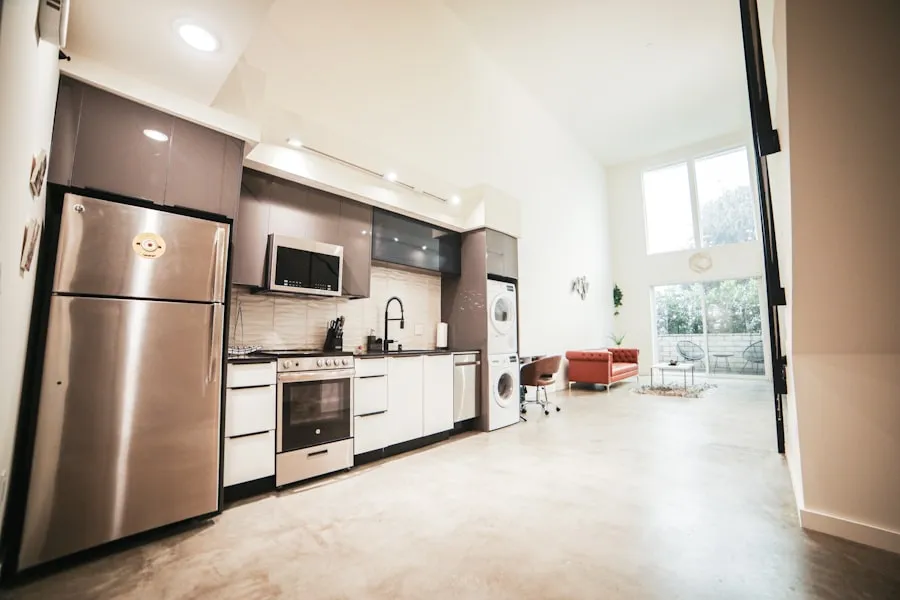
Refrigeration is a 24/7 operation for most households, making reliability paramount. Maytag refrigerators are designed with features that emphasize both efficient cooling and the physical durability of the unit itself.
XL Crisper Refrigerators: Designed for Capacity and Convenience
Maytag’s introduction of XL Crisper Refrigerators, featuring their largest crisper bins, underscores a design philosophy that caters to the practical needs of households. This isn’t just about space; it’s about how that space is managed and how the appliance as a whole is built to handle the demands of significant food storage.
The Largest Crisper Bins: Engineered for Volume
The emphasis on exceptionally large crisper bins indicates a thoughtful approach to the internal architecture of the refrigerator. These bins are designed for durability, capable of holding substantial amounts of produce without succumbing to strain. The materials and mechanisms supporting these drawers are built to endure the repeated opening and closing, even when filled to capacity. This attention to detail in seemingly minor components contributes to the overall robust experience of using the appliance.
EvenAir Cooling System in Refrigeration: Consistent Environment
Similar to its application in the laundry segment, the EvenAir Cooling System in Maytag refrigerators plays a critical role in durability. By ensuring even temperature distribution, it prevents the cooling system from working overtime to compensate for fluctuations. This consistent operating environment reduces stress on the compressor and other cooling components, contributing to a longer operational life for the entire refrigerator.
Durability Features: Built to Withstand Daily Use
Maytag refrigerators incorporate specific design elements aimed at ensuring their longevity and ease of maintenance.
Durable Metal Slide-Out Shelves: Supporting the Load
As previously mentioned, the inclusion of durable metal slide-out shelves in Maytag refrigerators is a key differentiator. These shelves are engineered to bear significant weight, from heavy cartons of milk to multiple dishes of leftovers. Unlike plastic shelves that can flex, crack, or break over time, metal shelves maintain their integrity, ensuring that the interior of your refrigerator remains functional and safe for storing your groceries. This is a direct investment in the sustained usability of the appliance.
Fingerprint-Resistant Stainless Steel Finishes: Maintaining Appearance and Integrity
While an aesthetic benefit, the fingerprint-resistant finish on Maytag stainless steel appliances also plays a role in durability. These finishes are designed to withstand frequent wiping and cleaning without developing scratches or requiring the use of harsh abrasive cleaners. Maintaining the appearance of the appliance through simple cleaning helps to preserve the integrity of the finish, preventing damage that could lead to rust or degradation over time. It also means you can keep your appliance looking its best with less effort.
When considering which brand of appliances lasts the longest, it’s essential to look at various factors including build quality, warranty, and customer reviews. A helpful resource for this topic can be found in an article that discusses the durability of different appliance brands. You can read more about it in this insightful piece on appliance longevity, which provides valuable comparisons and insights. For more information on appliance services, visit 911 Appliance.
Maytag’s Brand Positioning: The “Reliable Rebel”
| Brand | Estimated Lifespan (years) |
|---|---|
| Whirlpool | 15 |
| Maytag | 15 |
| KitchenAid | 15 |
| Kenmore | 14 |
| GE Appliances | 13 |
Maytag’s marketing and product development consistently frame the brand as “the reliable rebel.” This identity speaks to a core ethos: to build appliances that are dependable and hardworking, appealing to consumers who demand performance and longevity from their machines. You are not being sold a disposable gadget; you are being offered a tool for your household that is designed to keep going.
Focus on Hardworking Homes
The brand’s positioning as ideal for “hardworking homes” suggests an understanding of the demands placed upon appliances in busy households. This implies that Maytag appliances are engineered to withstand continuous use and to perform reliably under pressure. The “rebel” aspect hints at a departure from trends that prioritize fleeting style over enduring substance, with a steadfast commitment to core functionality and durability. This is a brand that doesn’t shy away from the tough jobs, and its appliances are built to match.
Commitment to Dependable, High-Performing Appliances
The consistent emphasis on dependability and high performance is the bedrock of Maytag’s durability promise. This isn’t about superficial features; it’s about the underlying engineering that ensures the appliance will perform as expected, cycle after cycle, year after year. For you, this means a lower likelihood of unexpected breakdowns and a consistent level of performance that you can rely on for the important tasks of running your home.
KBIS 2026 Showcase: A Glimpse into Future Durability
The Kitchen and Bath Industry Show (KBIS) is a significant event for showcasing the latest in home appliance technology. Maytag’s presence at KBIS 2026, with a focus on durable laundry and refrigeration appliances, reinforces their ongoing commitment to longevity. Their showcasing of features like advanced stain removal, pet-hair solutions, and XL-capacity storage, at an event that sets industry trends, demonstrates that durability remains a central pillar of their innovation strategy. This forward-looking approach suggests that Maytag continues to invest in engineering that prioritizes your long-term satisfaction and the extended life of their products. By attending such shows and highlighting these features, Maytag signals to consumers like you that durability is not a historical footnote but an active and evolving part of their product development.
Appliance Lifespan Comparison Chart by Type
While the brand table above gives you a general sense of which manufacturers build durable machines, lifespan varies significantly by appliance type. A refrigerator and a microwave operate under completely different conditions, so expecting the same service life from both is unrealistic. The chart below breaks down average lifespan, the brands that tend to last longest for each category, the component most likely to fail first, and what you can expect to pay for a replacement.
| Appliance Type | Average Lifespan (years) | Longest-Lasting Brands | Most Common Failure Point | Typical Replacement Cost |
|---|---|---|---|---|
| Refrigerator | 10 to 13 | Whirlpool, Maytag, Bosch | Compressor, ice maker | $1,000 to $3,000 |
| Dishwasher | 9 to 10 | Bosch, Maytag, KitchenAid | Wash pump, circulation motor | $400 to $1,200 |
| Washing Machine | 10 to 12 | Maytag, Whirlpool, Speed Queen | Drain pump, tub bearings | $500 to $1,500 |
| Dryer | 10 to 13 | Maytag, Whirlpool, LG | Heating element, drive belt | $500 to $1,300 |
| Oven / Stove | 13 to 15 | Maytag, Whirlpool, GE | Igniter, bake element | $600 to $2,000 |
| Microwave | 9 to 10 | Whirlpool, GE, Panasonic | Magnetron | $100 to $500 |
Notice that ovens and dryers tend to outlast dishwashers and microwaves. Simpler mechanical systems with fewer electronic controls generally have longer service lives. When a single component like a compressor or magnetron fails, the question becomes whether repair is worth it or whether the unit has reached the end of its useful life. If you are weighing repair versus replacement, our appliance repair services page walks through what a typical service call covers and when replacement makes more economic sense.
How to Extend the Life of Every Major Appliance
Brand selection matters, but maintenance matters just as much. A well-maintained mid-tier appliance can outlast a neglected premium one. The tips below are organized by appliance type and focus on the specific actions that prevent the most common failure points identified in the chart above.
Refrigerator
Condenser coils collect dust and pet hair, forcing the compressor to work harder and run longer cycles. Vacuum or brush the coils every six months, more often if you have shedding pets. Test door seals by closing the door on a dollar bill and slowly pulling it out. If the bill slides out with no resistance, the gasket is failing and letting cold air escape, which drives up energy use and compressor wear.
Dishwasher
Food debris collects in the filter at the bottom of the tub and restricts water flow, which is the leading cause of poor cleaning and pump strain. Remove and rinse the filter weekly. Use rinse aid even if your detergent pods claim to contain it, because rinse aid reduces water spotting and helps the drying cycle work efficiently, reducing stress on the heating element.
Washing Machine
Front-load washers trap moisture inside the drum and detergent dispenser, creating an environment where mold and residue buildup damage seals and bearings. Leave the door and dispenser drawer open between loads to let the interior dry. Always use high-efficiency (HE) detergent in HE machines, because standard detergent over-suds and forces the pump to work harder, shortening its life.
Dryer
Clean the lint trap before every load, no exceptions. A clogged trap restricts airflow, extends drying times, and is a leading fire hazard. Beyond the trap, the vent duct running to the exterior of your home accumulates lint over months and should be cleaned at least once a year. A restricted vent forces the heating element to cycle longer and is the most common cause of premature dryer failure.
Oven and Stove
Check the oven door gasket for cracks or flattening, because a worn seal lets heat escape and forces the bake element to run longer to maintain temperature. Use the self-clean cycle sparingly, because it heats the oven to extreme temperatures that can stress electronic control boards and bake elements. Spot cleaning with a damp cloth between cycles is gentler on the appliance and extends component life.
Signs Your Appliance Is Nearing End of Life
Even the most durable appliance eventually reaches a point where repair is no longer the smart financial decision. Recognizing the warning signs early helps you plan a replacement on your schedule rather than scrambling after a sudden breakdown. The indicators below apply across appliance types, with specific thresholds noted where they differ.
Repeated Repairs on the Same Component
If you have repaired the same component twice within a year, the underlying system is likely degrading. A compressor that fails again after a rebuild, or a drain pump that clogs repeatedly despite proper maintenance, signals that the surrounding parts are wearing together. At that point, each repair buys less time and the cost of repeated service calls adds up quickly toward the price of a new unit.
Energy Efficiency Decline
A refrigerator that runs constantly, a dryer that takes two cycles to dry a normal load, or a dishwasher that leaves dishes wet are all signs of declining efficiency. As internal components wear, the appliance consumes more energy to deliver the same result. If you notice a steady increase in your utility bill without a change in usage habits, an aging appliance may be the cause.
Unusual Noises and Vibrations
Grinding, squealing, or thumping sounds from a washer point to worn tub bearings or a failing drive belt. A refrigerator compressor that clicks loudly or hums continuously is struggling to maintain pressure. Rattling from a dryer often means a loose blower wheel or worn drum support rollers. These noises indicate mechanical wear that will progress to failure, and they rarely resolve on their own.
Age Thresholds by Appliance Type
Use the lifespan ranges from the comparison chart above as a guide. Once a refrigerator passes 12 years, a dishwasher or microwave passes 9 years, or a washer or dryer passes 11 years, you are in the replacement window. If a major component fails at that age, replacement is almost always more cost-effective than repair. Reviewing your warranty coverage before deciding can sometimes offset repair costs if the part is still under a limited warranty, as with Maytag’s 10-year parts coverage on select dryer components.
FAQs
1. What brand of appliances is known for lasting the longest?
There are several brands that are known for producing durable and long-lasting appliances, including Maytag, Whirlpool, and Bosch. These brands are often praised for their reliability and longevity.
2. How long do appliances from these brands typically last?
Appliances from reputable brands like Maytag, Whirlpool, and Bosch can last anywhere from 10 to 20 years, depending on the specific appliance and how well it is maintained.
3. Are there any specific appliance models from these brands that are known for their longevity?
Certain models from Maytag, Whirlpool, and Bosch have gained a reputation for their durability and longevity. It’s important to research specific models and read customer reviews to find the most reliable options.
4. What factors contribute to the longevity of appliances from these brands?
Factors that contribute to the longevity of appliances from these brands include high-quality materials, advanced engineering, and rigorous testing during the manufacturing process. Additionally, regular maintenance and proper usage can also extend the lifespan of these appliances.
5. Are there any warranties or guarantees offered by these brands for their appliances?
Many reputable appliance brands offer warranties or guarantees for their products, which can provide added peace of mind for consumers. It’s important to review the specific terms and conditions of these warranties to understand what is covered and for how long.