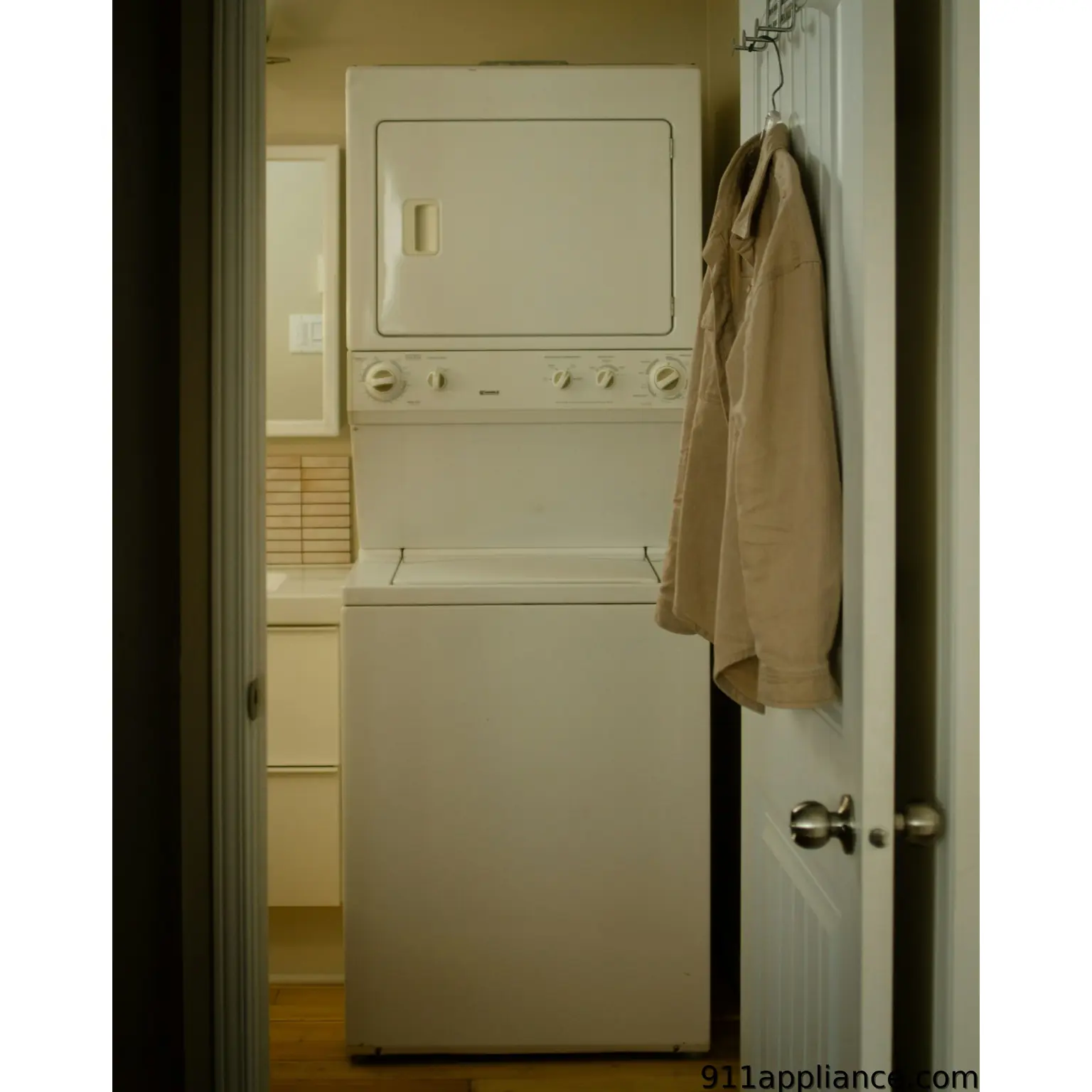
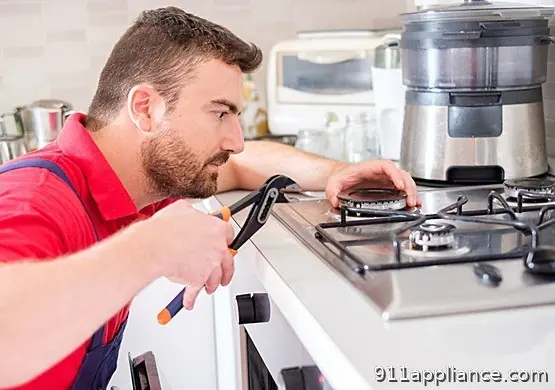
Need to fix your washing machine near you in San Diego? 911 Appliance Repair has been repairing washers for San Diego families since 1991. Our locally based technicians arrive in fully stocked trucks to complete most washing machine repairs in a single visit, covering neighborhoods from La Jolla to Chula Vista. Whether your washer won’t drain, won’t spin, leaks water, or won’t start at all, our factory-trained team diagnoses the problem fast and gets your laundry routine back on track the same day. Call 800-929-1192 for quick washing machine repair in San Diego.
Table of Contents
- Understanding Common Washing Machine Glitches
- What are the most common washing machine problems?
- Your First Steps: Safety and Basic Checks
- When Your Washer Won’t Power On or Start
- Solving Drainage and Spinning Problems
- Addressing Leaking Washing Machines
- Dealing with Noises and Vibrations
- When to Call a Professional
- Finding a Reliable Repair Service
Looking for washing machine repair near you in San Diego? 911 Appliance Repair has served San Diego County homeowners since 1991 with same-day washer repair, a $49.95 house call that is free with any repair, and a 1-year warranty on parts and labor. Call 800-929-1192 to schedule service in La Mesa, Chula Vista, La Jolla, Poway, El Cajon, Encinitas, and surrounding areas.
Washing machine on the fritz? Don’t panic. Most common washer problems can be diagnosed and often fixed yourself, or at least pinpointed for an easier repair by a professional. This guide will walk you through common issues and what you can do about them, helping you avoid a mountain of laundry and a needless service call.

Understanding Common Washing Machine Glitches
Before diving into specific fixes, it helps to understand what generally goes wrong. Modern washing machines, while convenient, are complex machines with various interconnected systems. From simple clogs to electrical issues, knowing the likely culprits can save you time and money.
What are the most common washing machine problems?
- No power or not turning on: This could be a simple electrical issue or a more complex internal fault.
- Not draining: Often due to clogs, but also pump malfunctions.
- Not spinning: Usually linked to drainage problems, but also motor or belt issues.
- Leaking: Many sources, from hose connections to internal cracks.
- Making strange noises: Bearings, pumps, or foreign objects can be the cause.
If you’re experiencing issues with your washing machine and are in need of repair services, you might find it helpful to read a related article that discusses the lifespan of appliances and when it’s time to consider repairs versus replacements. This insightful piece can guide you in making informed decisions about your appliances. For more information, check out the article here: Maximizing Your Investment: Understanding Appliance Lifespan and Knowing When to Replace.
Your First Steps: Safety and Basic Checks
Before you do anything else, prioritize safety. Electricity and water are a dangerous combination. Always disconnect the power before attempting any internal inspection or repair.
Unplugging Your Machine
Always unplug your washing machine from the wall socket first. If it’s hardwired, switch off the corresponding breaker at your electrical panel. This is non-negotiable for your safety.
Checking the Water Supply
Verify that both hot and cold water supply hoses are fully open. Sometimes, a partially closed valve can lead to poor filling or cycles that never seem to start or finish.
Inspecting Hoses
- Inlet Hoses: Look for kinks, cracks, or blockages in the screens where they connect to the faucet. If they appear clogged, turn off the water, disconnect them, and clean the screens.
- Drain Hose: Ensure it’s not kinked or pushed too far down the drainpipe (this can cause siphoning issues).
Leveling the Machine
An unbalanced machine can cause excessive vibration, noise, and even stop a spin cycle prematurely. Use a spirit level to check if your machine is sitting flat on the floor. Most machines have adjustable feet for this purpose.
When Your Washer Won’t Power On or Start
A washing machine that refuses to come to life can be frustrating. Often, the solution is simpler than you think.
Is it Plugged In?
It sounds obvious, but double-check that the power cord is securely plugged into a working outlet. Test the outlet with another small appliance to confirm it has power.
Resetting the Breaker or GFCI
If the outlet isn’t working, check your home’s breaker panel. A tripped breaker (usually in the “off” or middle position) can kill power to the machine. Flip it fully off, then back on. If your machine is plugged into a Ground Fault Circuit Interrupter (GFCI) outlet, press the “reset” button.
Lid Switch/Door Latch Issues
Most washing machines have a safety switch that prevents operation when the lid or door is open.
- Top-loaders: The lid switch is usually located under the lid. Open and close the lid firmly a few times. Sometimes a switch can get stuck or go bad. You might hear a click when it engages.
- Front-loaders: The door latch mechanism can fail, preventing the machine from starting. Check for any obstructions around the latch and ensure the door closes securely. If the latch is visibly damaged, it likely needs replacement.
Control Panel Malfunction
Sometimes, the control panel itself might be faulty. If the display is blank or unresponsive, try performing a hard reset: unplug the machine for a few minutes, then plug it back in. This can sometimes clear minor electronic glitches.
Solving Drainage and Spinning Problems
These two issues are often intertwined. A machine that won’t drain won’t spin because the safety mechanisms prevent it from doing so with a tub full of water.
Clogged Drain Pump Filter
Many front-loading machines have a drain pump filter, usually located behind a small access panel at the bottom front of the machine. This filter traps lint, coins, and other small items before they reach the pump.
- How to check: Place towels on the floor, open the access panel, and slowly unscrew the filter cover. Expect some water to come out. Clean any debris from the filter and the housing. Re-secure tightly.
Kinked or Clogged Drain Hose
Inspect the entire length of the drain hose for kinks or blockages.
- Checking for blockages: Remove the drain hose from the standpipe or sink. If there’s a clog, you might be able to dislodge it with a straightened coat hanger or by rinsing it out.
Drain Pump Failure
If the filter is clean and the hose isn’t blocked, the drain pump itself might be faulty. You might hear a humming noise but no water movement, or no sound at all. Replacing a drain pump is a more involved repair, often requiring access to the machine’s internal components. This is a common point where professional help might be needed.
Drive Belt Issues (Top-Loaders and some Front-Loaders)
If the machine drains but doesn’t spin, the drive belt might be worn, loose, or broken.
- Diagnosis: You’ll typically need to remove the back or front panel of the machine to access the drive belt and motor assembly. If the belt is loose, it might just need adjustment. If it’s cracked or broken, it needs replacement.
Motor Coupling or Drive Motor Problems
These are more serious issues.
- Motor Coupling: In some top-loaders, a small plastic coupling connects the motor to the transmission. If it breaks, the agitator won’t move, and the spin cycle won’t engage.
- Drive Motor: If the motor itself fails, the machine won’t agitate or spin. This is usually detectable by a lack of sound from the motor or a burning smell. Both require professional repair.
If you’re experiencing issues with your washing machine and need assistance, you might find it helpful to read a related article on fixing appliances in your area. For more information on reliable repair services, check out this informative piece on Viking oven repair, which offers insights that can also apply to other household appliances. Understanding common problems and solutions can make it easier to address your washing machine issues effectively.
Addressing Leaking Washing Machines
A leak can quickly turn a minor inconvenience into a major household problem. Identifying the source is key.
Hose Connections
- Inlet Hoses: Check the connections where the hot and cold water hoses attach to the machine and to the wall faucets. Ensure they are tight and that the rubber washers inside are in good condition. Replace any worn or cracked hoses immediately.
- Drain Hose: Verify the drain hose is correctly seated in the standpipe or sink and that it’s not leaking at the connection point to the machine.
Detergent Dispenser Issues
Excessive detergent use can cause oversudsing, which sometimes leads to water overflowing from the dispenser or even out of the drum vents. Ensure you’re using the correct type and amount of detergent for your machine (especially HE detergent for high-efficiency washers). A dirty dispenser can also cause water to back up and leak. Clean it regularly.
Door Seal/Gasket (Front-Loaders)
The rubber gasket around the door of a front-loading machine can collect grime, mold, and sometimes even get torn.
- Inspection: Open the door wide and inspect the entire gasket for tears, cracks, or foreign objects (like socks!).
- Cleaning: Gently pull back the folds of the gasket and clean any sludge or mold with a mild bleach solution or vinegar. Regular cleaning helps prolong its life.
- Replacement: If the gasket is torn, it will need to be replaced. This can be a DIY job but requires some patience.
Internal Leaks
If the leak isn’t clearly from a hose or the door, it’s likely an internal component.
- Tub Hoses: Hoses connecting the outer tub to the pump or other components can crack or come loose. You’ll often need to remove the back and/or front panel to inspect these.
- Pump Seal: A leak directly from the drain pump indicates a faulty pump seal or a crack in the pump housing. The pump will need to be replaced.
- Tub Crack: While rare, the main wash tub can develop a crack, leading to significant leaks. This is generally a repair for a professional, as replacing the tub is a major undertaking.
Dealing with Noises and Vibrations
Unusual noises or excessive vibrations are common complaints and can often point to specific issues.
Loud Thumping or Banging
- Unbalanced Load: This is the most common cause. Stop the machine, open the lid/door, and redistribute the laundry evenly. Heavier items like towels or jeans are often the culprits.
- Uneven Machine: As mentioned earlier, ensure your machine is level. An unlevel machine will vibrate excessively, especially during the spin cycle.
Squealing or Grinding
- Bad Bearings: A squealing or grinding noise, especially during the spin cycle, often indicates worn-out tub bearings. This is a significantly more complex repair, often requiring specialized tools and considerable time. In older machines, bearing replacement costs can sometimes approach the cost of a new machine.
- Drive Belt: A slipping or worn drive belt can also cause a squealing sound. Inspect the belt for wear or looseness.
Gurgling or Clicking
- Drain Pump Issues: Gurgling noises during draining might mean the drain pump is struggling with a partial clog or is partially failing.
- Foreign Objects: Clicking or rattling sounds can be caused by foreign objects (coins, bra underwires) stuck in the drain pump or between the inner and outer tubs. Check the pump filter first. For objects between tubs, it’s a more difficult removal, often requiring professional help or partial disassembly of the machine.
Motor Noises
A high-pitched whine or humming noise might come from the motor. If it’s accompanied by a failure to agitate or spin, it points to a motor issue or a problem with the motor’s coupling or capacitor.
When to Call a Professional
While many issues can be tackled with some DIY effort, there are times when calling in an expert is the most practical and safest option.
Complex Electrical Issues
If you’ve checked the outlet, breaker, and basic internal connections, but the machine still has no power or exhibits erratic electrical behavior, it’s best to call a professional. Diagnosing and fixing internal wiring or control board problems requires specialized knowledge and tools.
Major Component Failures
Failures of the main drive motor, transmission, or tub bearings are extensive repairs. These often involve significant disassembly of the machine, specialized tools, and a good understanding of its internal mechanics. Unless you’re an experienced appliance repair enthusiast, it’s usually more efficient to hire a technician.
Persistent Leaks
If you’ve checked all the common leak sources (hoses, dispenser, door seal) and the leak persists, it indicates an internal problem, possibly a cracked tub or a less accessible hose. A technician can safely identify and fix the exact source.
Safety Concerns
If you ever feel uncomfortable or unsafe performing a repair, or if you suspect gas is involved (though rare in washers, it’s good to be cautious with any appliance), do not proceed. Always err on the side of caution and call a qualified professional.
Cost-Benefit Analysis
Consider the age and overall condition of your washing machine.
- Older Machines: For a machine that’s 8-10 years old or more, a major repair (like a new motor or transmission) might cost a significant percentage of a new machine’s price. In such cases, it might be more economical to invest in a new, more energy-efficient model.
- Newer Machines: For a newer machine (under 5-7 years old), a major repair is often a worthwhile investment, given the remaining lifespan of the appliance.
Finding a Reliable Repair Service
If you decide professional help is needed, here’s how to find a good one.
Ask for Recommendations
Word-of-mouth is often the best advertising. Ask friends, family, or neighbors if they have a reliable appliance repair service they’ve used.
Online Reviews
Check online review sites (Google, Yelp, Angi, etc.) for local appliance repair companies. Look for businesses with consistent positive feedback and a good response rate to complaints.
Verify Credentials and Insurance
Ensure the repair service is licensed and insured. This protects you in case of accidents or further damage to your appliance.
Get Multiple Quotes
It’s always a good idea to get at least two or three quotes for significant repairs. Don’t just compare the final price, but also what’s included (parts, labor, diagnostic fee).
Inquire About Warranty
Ask about a warranty on both parts and labor for the repair. A reputable service will offer a reasonable warranty period.
By systematically troubleshooting and knowing when to call in the cavalry, you can often get your washing machine back up and running without breaking the bank.