Air conditioning systems are crucial for maintaining comfortable indoor temperatures. However, like any complex machinery, they can experience issues. This article details expert air conditioner repair services, focusing on their diagnostic capabilities, common repair procedures, preventative maintenance, and the benefits of professional intervention.
Table of Contents
- Common Signs of a Failing Air Conditioner
- Inconsistent Cooling
- Diagnostic Process by Expert Technicians
- Initial Assessment and Customer Consultation
- Comprehensive System Inspection
- Advanced Testing and Troubleshooting
- Root Cause Analysis
- Common Air Conditioner Repair Procedures
- Refrigerant System Repairs
- Airflow and Fan System Services
- Electrical System Troubleshooting and Repair
- Coil Cleaning and Maintenance
- Benefits of Professional Air Conditioner Repair
- Expertise and Experience
- Safety Assurance
- Cost-Effectiveness Over Time
- Warranty and Guarantees
- Preventative Maintenance for Air Conditioners
- Importance of Regular Servicing
- Key Tasks of Preventative Maintenance
- DIY Preventative Measures
- Choosing a Reliable Air Conditioner Repair Service
- Credentials and Certifications
- Reputation and Customer Reviews
- Transparency in Pricing and Service
- Emergency Service and Availability
- Warranty on Repairs and Parts
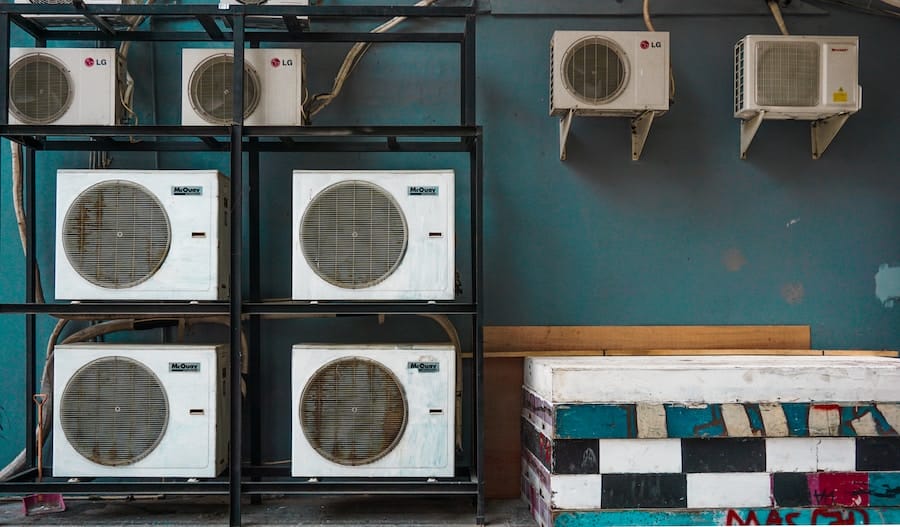
Air conditioning units are designed to remove heat from an indoor space and transfer it outdoors. This process involves a refrigerant cycle, airflow management, and electrical components. When a problem arises, it can manifest in various ways, affecting comfort and efficiency.
Common Signs of a Failing Air Conditioner
Recognizing the early warning signs of an air conditioner malfunction can prevent minor issues from escalating into major, costly repairs.
Inconsistent Cooling
One of the most apparent indicators of a problem is when the air conditioner fails to cool the space evenly or at all. This might be due to a malfunctioning compressor, low refrigerant levels, or blocked airflow. The unit may run continuously without achieving the set temperature, or it might blow warm air.
Refrigerant Leaks
Refrigerant is the lifeblood of an air conditioning system, facilitating the heat transfer process. A leak in the refrigerant lines can significantly reduce cooling capacity. Symptoms include reduced airflow, ice formation on the evaporator coil, and a gradual decrease in cooling effectiveness. Persistent running of the unit without cooling is a strong indicator.
Dirty Air Filters
Air filters are the first line of defense against dust and debris entering the system. A clogged filter restricts airflow, forcing the unit to work harder and reducing its efficiency. This can lead to the evaporator coil freezing over, further impairing cooling. Regularly checking and replacing air filters is a simple yet effective preventative measure.
Evaporator Coil Issues
The evaporator coil is where the refrigerant absorbs heat from the indoor air. If this coil becomes dirty or freezes over, it cannot perform its function effectively. A frozen evaporator coil is often a symptom of another problem, such as a clogged filter or low refrigerant.
Unusual Noises
Air conditioners typically operate with a low hum. Any new or unusual sounds, such as grinding, squealing, clanking, or buzzing, can signal an internal problem.
Fan Motor Problems
The fan motor is responsible for circulating air through the system and out into the living space. If the fan motor is failing, it may produce squealing or grinding noises. This can lead to poor air circulation and insufficient cooling.
Compressor Issues
The compressor is the heart of the air conditioning system, pumping refrigerant. Loud noises coming from the outdoor unit, particularly banging or grinding, could indicate a compressor problem. This is often one of the more expensive components to repair or replace.
Electrical Component Malfunctions
Buzzing or clicking sounds can sometimes point to issues with the electrical components of the air conditioner, such as capacitors or relays. These can be hazardous and require professional attention.
Increased Energy Bills
An air conditioner that is not functioning efficiently will consume more energy to try and achieve the desired cooling. A sudden spike in electricity bills, without a corresponding increase in usage, is a strong indicator that the air conditioner needs service.
System Overload
When an AC unit struggles to cool, it may run for longer periods, leading to increased energy consumption. This can be caused by a variety of issues, including those mentioned above, such as refrigerant leaks or dirty coils.
Faulty Thermostat
A malfunctioning thermostat can send incorrect signals to the air conditioner, causing it to run unnecessarily or not at all. This can lead to wasted energy and comfort problems.
If you’re looking for comprehensive guidance on appliance repair, you might find this article on oven repair services particularly useful. It covers essential tips and troubleshooting techniques that can also be applicable to air conditioning units. For more information, check out the article here: Oven Repair Guide.
Diagnostic Process by Expert Technicians
Expert air conditioner repair services employ a systematic approach to identify and address cooling system problems. This diagnostic process ensures that the root cause of an issue is found and resolved, rather than simply treating the symptoms.
Initial Assessment and Customer Consultation
The repair process usually begins with a conversation with the homeowner or tenant. Understanding the symptoms, when they started, and any recent changes in the system’s performance is crucial.
Gathering Information
Technicians will ask questions about the specific problems being experienced, such as the nature of any unusual noises, the temperature of the air being blown, and the frequency of the issues. This initial information helps guide their investigation.
Pre-Diagnostic Checks
Before diving deep into the system, a technician might perform some basic checks, such as verifying thermostat settings and inspecting accessible areas like air filters for obvious blockages.
Comprehensive System Inspection
Once the initial assessment is complete, a thorough inspection of the entire air conditioning system is conducted. This involves examining both the indoor and outdoor units.
Indoor Unit Examination
The indoor unit, often called the air handler or furnace, contains components like the evaporator coil, blower motor, and condensate drain line.
Evaporator Coil Inspection
Technicians will check the evaporator coil for signs of dirt accumulation, ice formation, or corrosion. They will also test its temperature to ensure it is functioning within the expected range.
Blower Motor Functionality
The blower motor’s operation is assessed, listening for any unusual noises and checking its speed and airflow output.
Condensate Drain Line Checks
A clogged condensate drain line can lead to water damage and humidity issues. Technicians will ensure the drain line is clear and properly functioning.
Outdoor Unit Examination
The outdoor unit houses the condenser coil and the compressor. This part of the system dissipates heat from the refrigerant.
Condenser Coil Assessment
The condenser coil is inspected for debris, such as leaves or dirt, which can impede heat transfer. Its condition and any signs of damage are also noted.
Compressor Performance Testing
The compressor’s operation is evaluated. Technicians will listen for abnormal sounds and measure its electrical current draw to ensure it is functioning within its specifications.
Advanced Testing and Troubleshooting
Beyond visual inspection, technicians utilize specialized tools and techniques to pinpoint complex issues.
Refrigerant Level and Pressure Checks
Measuring the refrigerant levels and pressures within the system is a critical step. This helps identify leaks or if the system has been improperly charged.
Manifold Gauge Application
Manifold gauges are connected to the system’s service ports to read the high and low-side pressures of the refrigerant. These readings are compared against manufacturer specifications to diagnose problems.
Leak Detection Methods
If low refrigerant is detected, technicians will employ various methods to locate the leak, such as using a UV dye or an electronic leak detector.
Electrical Component Testing
The electrical components, including capacitors, relays, contactors, and wiring, are tested for proper voltage, current, and resistance.
Multimeter Usage
A multimeter is used to measure electrical properties of components, identifying shorts, open circuits, or failing parts.
Capacitor and Contactor Verification
Capacitors are essential for starting and running the motors, while contactors act as switches. Testing these components is a routine part of electrical diagnostics.
Root Cause Analysis
The goal of the diagnostic process is not just to identify a faulty part but to understand why it failed. This avoids recurring problems. For example, a dirty coil might be a symptom of poor air filtration habits by the homeowner, or an underlying airflow restriction.
Identifying Underlying Issues
Technicians aim to uncover the underlying reason for a component’s failure. This might involve assessing the overall health of the system, including ductwork integrity and ventilation.
Recommending Comprehensive Solutions
Based on the diagnosis, a technician will recommend a repair strategy that addresses the immediate problem and any contributing factors.
Common Air Conditioner Repair Procedures
Once a problem has been diagnosed, expert repair technicians can perform a range of procedures to restore the air conditioner’s functionality. These repairs can vary in complexity, from simple component replacements to more involved system recalibrations.
Refrigerant System Repairs
The refrigerant cycle is central to the air conditioner’s operation. Issues within this system require specialized knowledge and equipment.
Refrigerant Recharge
If a leak is detected and repaired, the system needs to be recharged with the correct type and amount of refrigerant.
Evacuation of System
Before recharging, the system is typically evacuated to remove any moisture or non-condensable gases that could compromise its performance and longevity. A vacuum pump is used for this purpose.
Precise Refrigerant Charging
Using a scale and manifold gauges, technicians accurately charge the system with the specified weight of refrigerant, ensuring optimal performance. Overcharging or undercharging can lead to significant operational problems and damage.
Leak Detection and Sealing
Locating and repairing refrigerant leaks is paramount to a functioning AC system.
Brazing and Soldering
For metal pipes, leaks are often repaired using brazing or soldering techniques, which create strong, permanent seals. This requires specialized tools and expertise to prevent further damage to the components.
Replacement of Damaged Components
If lines are severely corroded or damaged, sections or entire lines may need to be replaced. This involves cutting out the damaged part and soldering in a new section.
Airflow and Fan System Services
Issues with air circulation can severely impact cooling and lead to component strain.
Blower Motor Repair or Replacement
A malfunctioning blower motor will result in poor airflow.
Motor Lubrication and Cleaning
Sometimes, a blower motor may simply require cleaning and lubrication to restore optimal performance. However, this is often a temporary fix for worn-out motors.
Motor Replacement
If the motor is beyond repair, it will be replaced with a new, compatible unit. This ensures consistent and adequate airflow throughout the home.
Fan Blade Balancing and Replacement
Worn or unbalanced fan blades can cause vibrations and noise, potentially damaging the motor.
Blade Truing and Balancing
Technicians may be able to rebalance existing fan blades. However, if the blades are cracked or excessively worn, replacement is necessary.
Electrical System Troubleshooting and Repair
The electrical system powers the entire air conditioner. Faulty electrical components can prevent the unit from starting or operating correctly.
Capacitor Replacement
Capacitors are used to help start and run the motors in an AC unit. They are a common point of failure.
Safe Discharge and Replacement
Technicians will safely discharge the old capacitor and install a new one with the correct specifications. This is a critical safety procedure as capacitors can store a significant electrical charge.
Contactor Repair or Replacement
Contactors are electromechanical switches that control the flow of electricity to the compressor and fan motor.
Cleaning Contacts and Coil Checks
Sometimes, the contacts within a contacotr can become dirty or pitted, affecting its operation. Cleaning them can resolve minor issues. If the coil or internal mechanism is damaged, replacement is required.
Wiring and Connection Checks
Loose or corroded wiring connections can cause intermittent operation or complete system failure. Technicians will inspect and repair these connections as needed.
Coil Cleaning and Maintenance
Dirty coils, both evaporator and condenser, significantly reduce efficiency and can lead to system damage.
Evaporator Coil Cleaning
The evaporator coil, located indoors, absorbs heat. If it becomes fouled with dirt and grime, its ability to absorb heat is compromised.
Chemical Cleaning Solutions
Specialized cleaning solutions are used to break down the accumulated dirt and mold on the evaporator coil. This is often done by accessing the coil through a panel in the air handler.
Descaling and Deodorizing Treatments
For severe buildup or to address odors, more intensive cleaning treatments may be applied.
Condenser Coil Cleaning
The condenser coil, located outdoors, releases heat. It is susceptible to accumulating dust, leaves, and other debris.
High-Pressure Water or Air Blasting
Technicians use high-pressure water or air to systematically remove debris from the condenser fins. This restores proper airflow and heat dissipation.
Coil Fin Straightening
Bent coil fins can restrict airflow. Technicians use specialized tools to carefully straighten bent fins, improving efficiency.
Benefits of Professional Air Conditioner Repair
While DIY repairs might seem appealing for minor issues, complex air conditioning problems are best left to trained professionals. Expert repair services offer several significant advantages.
Expertise and Experience
HVAC technicians undergo specialized training and possess years of experience in diagnosing and repairing a wide array of air conditioning issues.
Understanding of Complex Systems
Air conditioning systems are intricate, involving thermodynamics, electrical engineering, and mechanical components. Professionals have the knowledge to understand these interdependencies.
Troubleshooting Advanced Faults
Technicians are equipped to handle complex issues that go beyond simple fixes, such as diagnosing refrigerant charge imbalances or intermittent electrical faults.
Access to Technical Resources
Repair services have access to technical manuals, diagnostic software, and specialized tools that are not available to the general public.
Manufacturer Schematics and Data
Professionals can consult manufacturer-specific diagrams and performance data to accurately diagnose and repair units.
Safety Assurance
Working with electrical systems and refrigerants carries inherent risks. Professional technicians are trained to handle these materials and equipment safely.
Electrical Hazard Mitigation
Working with high-voltage electrical components requires strict adherence to safety protocols to prevent electrocution or fire hazards.
Proper Lockout/Tagout Procedures
Technicians follow established procedures to ensure power is disconnected and cannot be accidentally re-energized while they are working on the unit.
Refrigerant Handling Protocols
Refrigerants can be harmful if inhaled or released into the atmosphere. Certified technicians are trained in proper handling, recovery, and disposal techniques.
EPA Certification and Compliance
Refrigerant handling is regulated by environmental protection agencies. Technicians must be certified to handle these substances legally and safely.
Cost-Effectiveness Over Time
While there is an upfront cost associated with professional repair, it often proves more cost-effective in the long run compared to DIY attempts.
Preventing Further Damage
Incorrect repairs can exacerbate problems, leading to more extensive and expensive damages down the line. Professionals perform repairs correctly the first time.
Avoiding Recurring Issues
By addressing the root cause of a problem, professional technicians help prevent the same issue from reoccurring, saving on repeat service calls.
Increased System Longevity
Proper maintenance and timely repairs performed by experts contribute to a longer lifespan for the air conditioning unit, delaying the need for costly replacements.
Optimized System Performance
A well-maintained and properly repaired AC system operates more efficiently, leading to lower energy bills and a more comfortable living environment.
Warranty and Guarantees
Many reputable repair services offer warranties on their labor and the parts they install.
Peace of Mind
This offers a level of assurance that if a problem reoccurs shortly after a repair, the service provider will address it without additional charges.
Certified Parts and Workmanship
Warranties typically cover work performed by certified technicians using genuine or high-quality replacement parts.
If you’re experiencing issues with your air conditioner, it’s essential to understand the common problems that can arise and how to address them effectively. For instance, many homeowners face similar challenges with their refrigerators, which can lead to frustrating situations when they stop cooling properly. To learn more about troubleshooting these issues, you can check out this informative article on fridge repairs that offers valuable insights and fixes. For more details, visit fridge not cooling fixes.
Preventative Maintenance for Air Conditioners
| Metric | Value | Unit | Description |
|---|---|---|---|
| Average Repair Time | 2 | Hours | Typical duration to complete an air conditioner repair |
| First-Time Fix Rate | 85 | Percent | Percentage of repairs completed successfully on the first visit |
| Customer Satisfaction | 92 | Percent | Percentage of customers satisfied with the repair service |
| Average Cost | 150 | Units | Typical cost for a standard air conditioner repair service |
| Warranty Period | 6 | Months | Duration of warranty provided on repair services |
| Response Time | 24 | Hours | Average time taken to respond to a repair request |
| Technician Experience | 5 | Years | Average years of experience of repair technicians |
Regular preventative maintenance is key to ensuring an air conditioner operates efficiently and reliably throughout its lifespan. It also helps in identifying potential problems before they become major issues.
Importance of Regular Servicing
Proactive maintenance can prevent breakdowns and extend the operational life of your air conditioning system, much like regular check-ups keep a vehicle running smoothly.
Early Detection of Issues
Scheduled tune-ups allow technicians to identify minor wear and tear or developing problems that might otherwise go unnoticed until they cause a significant malfunction.
Identifying Worn Components
Technicians can spot early signs of wear on belts, motors, or electrical components, allowing for proactive replacement before they fail.
Optimizing System Efficiency
A well-maintained system operates at peak efficiency, consuming less energy and providing better cooling.
Improved Airflow and Heat Transfer
Clean coils and unobstructed airflow ensure that the system can effectively transfer heat, reducing energy consumption.
Preventing Costly Breakdowns
Preventative maintenance is considerably less expensive than emergency repairs. By identifying and fixing small issues, you avoid the high cost of major component failures.
Seasonal Tune-Ups
Performing a tune-up before the peak cooling season (typically spring) and the peak heating season (if applicable for a dual-system) ensures readiness.
Key Tasks of Preventative Maintenance
A comprehensive preventative maintenance service involves a checklist of tasks performed by a qualified technician.
Cleaning and Inspection of Coils
Both the indoor evaporator coil and the outdoor condenser coil are cleaned and inspected.
Evaporator Coil Cleaning Benefits
A clean evaporator coil enhances cooling capacity and prevents the buildup of mold and bacteria, contributing to better indoor air quality.
Checking Refrigerant Levels and Pressures
Technicians verify that the refrigerant charge is at the correct level.
Ensuring Optimal Heat Exchange
Proper refrigerant levels are crucial for the efficient transfer of heat from inside to outside. Low levels can strain the compressor.
Lubrication of Moving Parts
Motors and other moving components are lubricated to reduce friction and wear.
Extending Motor Life
Proper lubrication helps prevent premature motor failure and reduces operational noise.
Inspection of Electrical Connections and Components
All electrical connections are checked for tightness and corrosion, and key components are tested.
Preventing Electrical Failures
Loose or corroded connections are a common cause of system malfunctions and potential fire hazards.
Cleaning and Testing of Condensate Drain System
The condensate drain line is cleared to prevent water backup and potential damage.
Mitigating Water Damage Risks
A clogged drain can lead to water pooling around the indoor unit, potentially causing damage to flooring and ceilings.
DIY Preventative Measures
While professional maintenance is essential, homeowners can perform a few key tasks to contribute to their AC’s upkeep.
Regular Air Filter Replacement
This is arguably the most important DIY task.
Improving Air Quality
Clean filters trap dust, pollen, and other allergens, leading to healthier indoor air.
Reducing System Strain
A clogged filter restricts airflow, forcing the system to work harder and consume more energy, similar to trying to breathe through a thick scarf.
Keeping Outdoor Unit Clear of Debris
Ensure the area around the outdoor condenser unit is free of leaves, grass clippings, and other obstructions.
Facilitating Heat Dissipation
Clearance allows the unit to efficiently release heat, preventing overheating and improving performance.
Listening for Unusual Noises
Pay attention to any new or strange sounds the unit makes.
Early Warning Signal
Changes in sound can indicate lubrication issues, loose parts, or impending motor failure.
Choosing a Reliable Air Conditioner Repair Service
Selecting the right service provider is crucial for ensuring quality repairs and satisfactory customer experience. The market has various options, and a careful evaluation is beneficial.
Credentials and Certifications
Look for service providers who employ certified technicians. This indicates a level of standardized training and competence.
NATE Certification
North American Technician Excellence (NATE) is an industry-recognized certification that validates a technician’s knowledge and skills in HVAC.
Assurance of Competency
NATE-certified technicians have demonstrated proficiency in diagnosing and repairing a wide range of HVAC equipment.
Manufacturer-Specific Training
Some technicians may have specialized training or certifications from particular AC manufacturers, which can be advantageous for specific brands.
Brand Expertise
Technicians familiar with a particular brand may have a deeper understanding of its unique components and common issues.
Reputation and Customer Reviews
The track record of a service provider can be a strong indicator of their reliability and quality of service.
Online Review Platforms
Websites like Google Reviews, Yelp, and Angie’s List offer insights into customer experiences. Look for consistent positive feedback.
Identifying Reliable Providers
A pattern of positive reviews regarding punctuality, professionalism, and effective repairs suggests a trustworthy company.
Word-of-Mouth Referrals
Recommendations from friends, family, or neighbors can be a valuable source of information about reliable local services.
Trusted Local Opinions
Personal experiences from people you know can be more impactful than online reviews.
Transparency in Pricing and Service
A reputable service provider will be upfront about their costs and the work they perform.
Detailed Estimates
Always request a written estimate before authorizing any work. This should clearly outline parts, labor, and any diagnostic fees.
Avoiding Hidden Charges
Transparent pricing helps prevent unexpected charges and ensures you understand the total cost of the repair.
Clear Explanation of Services
Technicians should be able to clearly explain the problem, the proposed solution, and why it is necessary.
Informed Decision-Making
Understanding the repair process empowers you to make informed decisions about your AC system.
Emergency Service and Availability
Air conditioner failures can occur at any time, so knowing if a service provider offers emergency services is important.
24/7 Availability
For critical situations, especially during extreme weather, round-the-clock service can be a lifesaver.
Prompt Response to Emergencies
A provider that offers emergency service typically has technicians on call to address urgent issues.
Response Time Guarantees
Some companies offer guarantees on their response times for service calls, especially for existing customers.
Minimizing Downtime
Knowing a technician will arrive promptly can offer peace of mind during a hot spell.
Warranty on Repairs and Parts
The assurance of a warranty on both labor and parts provides an extra layer of security.
Protection Against Future Issues
A warranty protects you in case the same problem reoccurs shortly after the initial repair.
Confidence in Workmanship
A company willing to stand behind their work with a warranty demonstrates confidence in their abilities.
In conclusion, expert air conditioner repair services are an essential resource for maintaining indoor comfort and system longevity. Through rigorous diagnostics, skilled repairs, and proactive maintenance, these professionals ensure that your cooling system functions optimally, providing a reliable shield against the heat.