Why Your Oven Won’t Heat Up
When your oven suddenly stops heating, it can disrupt meal plans and cause frustration. The display might still glow and the timer tick, but without heat, cooking becomes impossible. This common issue can feel like a major kitchen setback. Before resorting to takeout or microwave meals, let’s explore the main reasons your oven might not be heating and how to troubleshoot them effectively.
Table of Contents
- Why Your Oven Won’t Heat Up
- Is the Oven Receiving Power?
- Checking the Power Cord and Outlet
- Gas Oven Specifics: The Supply of the Flame
- The Heart of the Matter: Heating Elements and Igniters
- Electric Oven: The Glowing Coils
- Gas Oven: The Spark of Life
- The Brain of the Operation: Control Boards and Thermostats
- The Electronic Control Board (ECB) or Oven Control Module
- The Thermostat: The Oven’s Temperature Keeper
- The Safety Net: Thermal Fuses and Limit Switches
- Thermal Fuses: The Sacrifice of the Circuit
- High-Limit Thermostats or Cut-off Switches
- The Unsung Heroes (and Villains?): Fans and Wiring
- Convection Fan Malfunctions
- Wiring Harness and Connections
- When to Call in the Professionals
- Complex Electrical Issues
- Gas Line Concerns
- Control Board Failures Requiring Programming
- Personal Comfort Level and Safety
- FAQs
- Why is my oven not heating up at all?
- Can a tripped circuit breaker cause my oven to stop heating?
- How do I know if the heating element in my oven is broken?
- Could a faulty oven thermostat cause heating problems?
- Is it safe to attempt oven repairs myself if it won’t heat up?
One of the simplest yet often overlooked causes of an oven not heating is a lack of power. Without electricity or gas supply, the oven’s heating components cannot function, similar to a car without a battery.
Is the Oven Receiving Power?
Ensuring your oven is properly connected to a power source is the first step in diagnosing heating problems. This includes checking the power cord, electrical outlet, and circuit breaker.
Checking the Power Cord and Outlet
Inspect the oven’s power cord for any visible damage such as frayed wires or melted insulation, which can be a safety hazard. Also, verify that the electrical outlet is functioning by testing it with a voltage tester or plugging in another appliance like a lamp or toaster. If the outlet isn’t working, the issue could be with the outlet itself or the circuit breaker.
The Enigmatic Circuit Breaker
Ovens are typically protected by circuit breakers in your home’s electrical panel. A tripped breaker can cut power to the oven and cause it not to heat. Locate the breaker labeled for the oven or kitchen appliances and reset it by switching it off and back on. If the breaker trips again immediately, it indicates a possible electrical fault in the oven or wiring, requiring a professional electrician’s assistance.
Understanding the Double-Pole Breaker
Electric ovens often use a double-pole circuit breaker to handle higher amperage by controlling two circuits simultaneously. If this breaker trips, reset it similarly. Repeated trips usually point to internal oven issues such as faulty heating elements or wiring, and professional help is recommended.
Gas Oven Specifics: The Supply of the Flame
For gas ovens, power is still needed to operate the igniter and electronics, but the primary heat source is natural gas or propane. Ensuring an uninterrupted gas supply is critical.
Confirming the Gas Valve is Open
Sometimes, the gas valve can be accidentally turned off. Locate the main gas shut-off valve near the oven and verify it is in the open position, usually indicated by the handle being parallel to the gas pipe.
Checking Other Gas Appliances
Check if other gas appliances in your home, like stovetop burners or the water heater, are working properly. If multiple appliances have issues, the problem may lie with the main gas line, and you should contact your gas provider immediately.
For more insights into appliance repair costs, you can learn about how much appliance technicians make, which helps in estimating professional repair expenses.
The Heart of the Matter: Heating Elements and Igniters
After confirming power or gas supply, focus on the components that directly produce heat: heating elements in electric ovens and igniters in gas ovens.
Electric Oven: The Glowing Coils
Electric ovens typically have two heating elements—one at the bottom for baking and one at the top for broiling. Failure of these elements is a common reason for no heat.
Inspecting the Heating Elements Visually
Look for visible damage such as cracks, blisters, or powdery residue on both bake (bottom) and broil (top) elements. Physical damage often indicates element failure.
Testing the Heating Elements for Continuity
Using a multimeter, test the heating elements for electrical continuity. Disconnect the oven from power, access the elements, and measure resistance across the terminals. A functional element shows moderate resistance; infinite resistance means an open circuit (broken element), and zero resistance indicates a short circuit.
The Broil Element is Working, But the Bake Isn’t
If the broil element glows during broiling but the bake element remains cold during baking, the bake element is likely defective. This confirms that power and controls are working but the specific element has failed.
Gas Oven: The Spark of Life
Gas ovens rely on an igniter to light the gas, creating the flame necessary for heating.
The Igniter’s Crucial Role
The igniter heats up to open the safety valve that releases gas, which then ignites on the hot igniter. If it fails to glow sufficiently, no gas flows and the oven won’t heat.
Observing the Igniter’s Glow
When you turn on the gas oven, look for the igniter glowing bright red and listen for the gas ignition sound. A faint or absent glow indicates a faulty igniter or insufficient power supply to it.
Testing the Igniter’s Resistance (Advanced)
With the oven unplugged, use a multimeter to test the igniter’s resistance. A faulty igniter typically shows infinite resistance. Due to the complexity involving gas valves, professional diagnosis may be necessary.
The Brain of the Operation: Control Boards and Thermostats

The oven’s electronic control board and thermostat regulate heating by controlling when and how much heat is applied. Malfunctions in these parts can cause heating failures.
The Electronic Control Board (ECB) or Oven Control Module
This central computer receives signals from sensors and controls the heating elements or gas valve accordingly.
Signs of a Failing Control Board
Symptom include erratic display behavior, unresponsive buttons, or unexpected shutdowns. A dead display despite power indicates a likely control board failure.
Diagnostic Error Codes
Many modern ovens display error codes for faults. Consult your oven’s manual to interpret these codes for troubleshooting.
Loose Connections and Burn Marks
Inspect the control board (with power off) for burn marks, melted components, or loose wiring, which can interrupt communication and cause heating issues.
The Thermostat: The Oven’s Temperature Keeper
The thermostat senses oven temperature and signals heating elements to maintain the set temperature.
Is the Thermostat Sensing Correctly?
A faulty thermostat may misread temperature, preventing heating elements from activating.
Testing the Thermostat with a Multimeter
Test for continuity and resistance changes in the thermostat terminals using a multimeter. Lack of change or open circuit readings indicate a faulty thermostat.
The Temperature Sensor Probe
Many ovens use a temperature sensor probe linked to the thermostat. Damage or disconnection can cause inaccurate temperature readings. Inspect the probe for corrosion or damage.
The Safety Net: Thermal Fuses and Limit Switches
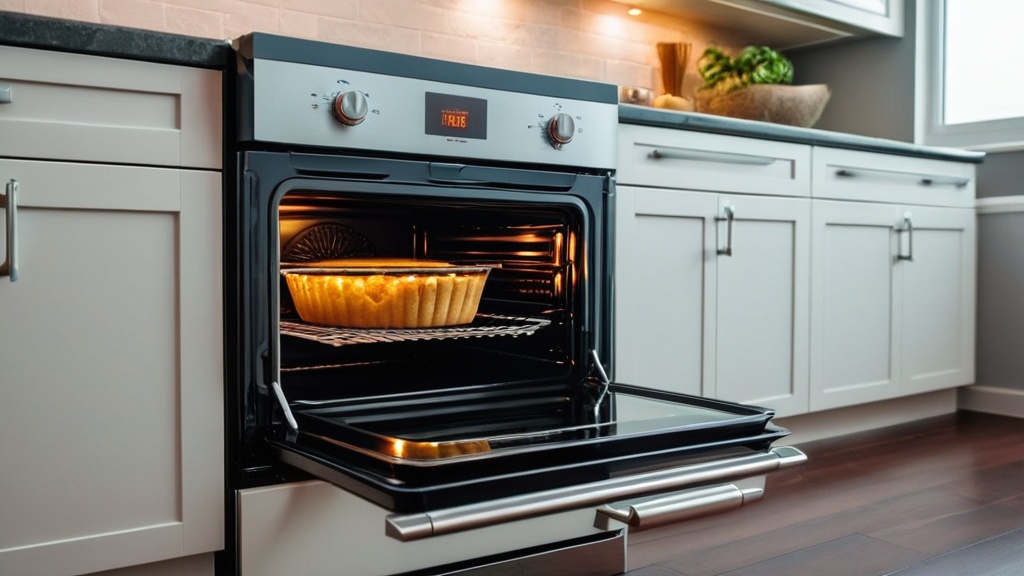
Safety devices prevent overheating but can cause no-heat issues if faulty.
Thermal Fuses: The Sacrifice of the Circuit
A thermal fuse blows to break the circuit if the oven overheats beyond safe levels and must be replaced once blown.
Identifying a Blown Thermal Fuse
Locate the thermal fuse near heating elements or control board and test for continuity. Infinite resistance means it’s blown and needs replacement.
The Cause of the Blown Fuse
A blown thermal fuse often signals underlying issues like a faulty thermostat or cooling fan. Replacing the fuse without fixing the root cause can result in repeated failures.
High-Limit Thermostats or Cut-off Switches
These resettable devices cut power if temperature exceeds safety thresholds.
Locating and Testing the High-Limit Switch
Inspect these switches near fan motors or heating elements. Test for continuity, and if stuck open, the oven won’t heat. Some models have a reset button.
For further appliance repair knowledge, consider exploring HVAC and appliance repair certification resources to better understand maintenance and troubleshooting techniques.
The Unsung Heroes (and Villains?): Fans and Wiring
While not generating heat, fans and wiring are essential for oven operation and safety. Faults here can indirectly cause heating problems.
Convection Fan Malfunctions
Convection fans circulate hot air for even cooking. A faulty fan can affect temperature regulation or trigger safety shut-offs.
Is the Fan Spinning?
Listen for fan operation during convection mode. Silence may indicate a faulty fan motor.
Impact on Temperature Regulation
A non-functioning convection fan can cause uneven heat distribution or activate safety mechanisms due to poor airflow.
Wiring Harness and Connections
Wiring delivers power and signals; loose or damaged wires can disrupt oven function.
Visual Inspection of Wiring
With the oven unplugged, check wiring harnesses for frayed insulation, loose connections, or damage from moving parts.
Loose Terminal Connections
Heat cycles and vibrations can loosen terminals. Ensure all wiring to heating elements, thermostats, and control boards is secure.
For more advice on common appliance problems and solutions, visit this appliance troubleshooting resource.
When to Call in the Professionals
Some oven heating problems require expert diagnosis and repair to ensure safety and proper function.
Complex Electrical Issues
If multimeter readings are unclear or you suspect major electrical faults beyond resetting breakers, consult a professional technician to avoid hazards.
Gas Line Concerns
Any gas supply issues or suspected leaks must be handled by qualified gas technicians or your gas company immediately for safety.
Control Board Failures Requiring Programming
Replacing or programming control boards often needs specialized tools and knowledge best handled by professionals.
Personal Comfort Level and Safety
If you feel unsure or unsafe working with electrical or gas components, it’s wise to hire a professional repair technician to protect yourself and your appliance.
By systematically troubleshooting—from power and gas supply to heating elements, control boards, and safety devices—you can often identify why your oven won’t heat. Equipped with basic tools and patience, many issues can be resolved at home. If not, professional repair services are available to restore your oven’s performance and keep your kitchen cooking smoothly.
FAQs
Why is my oven not heating up at all?
Common causes include faulty heating elements, blown thermal fuses, malfunctioning thermostats, or electrical supply issues. Checking each component or consulting a professional is recommended.
Can a tripped circuit breaker cause my oven to stop heating?
Yes, a tripped breaker cuts power to the oven and prevents heating. Resetting it may solve the problem, but repeated trips indicate an electrical issue needing professional attention.
How do I know if the heating element in my oven is broken?
Broken heating elements often show visible damage like cracks or breaks. The oven may fail to heat or heat unevenly. Testing for continuity with a multimeter confirms element condition.
Could a faulty oven thermostat cause heating problems?
Yes, a defective thermostat may misread temperature and prevent heating elements from activating, resulting in insufficient heat. Replacing the thermostat can fix this issue.
Is it safe to attempt oven repairs myself if it won’t heat up?
Minor troubleshooting such as checking circuit breakers is generally safe, but repairs involving electrical or gas components should be done by qualified professionals to avoid risks.