Table of Contents
- Water: The Lifeblood of the Wash Cycle
- Insufficient Water Supply
- Detergent: The Chemical Catalyst
- The Obstacles: Blockages and Buildups That Hinder Performance
- Clogged Spray Arms: The Forgotten Detour for Water
- The Dirty Filter: A Snagging Point for Debris
- Hard Water Buildup: The Unseen Residue
- Loading Strategies: The Art and Science of Dish Placement
- Overloading: The Crowded Chaos
- Blocking the Flow: The Silent Sabotage
- Advanced Troubleshooting: When Basic Maintenance Isn’t Enough
- Drain Issues: The Stagnant Situation
- Pump Problems: The Heartbeat of the Dishwasher
- Incorrect Cycle Selection: The Mismatch
- FAQs
- Why are my dishes still dirty after running the dishwasher?
- How often should I clean my dishwasher to ensure it works properly?
- Can using the wrong detergent affect dishwasher performance?
- What role does water temperature play in dishwasher cleaning effectiveness?
- How can I prevent my dishwasher from leaving spots or film on dishes?
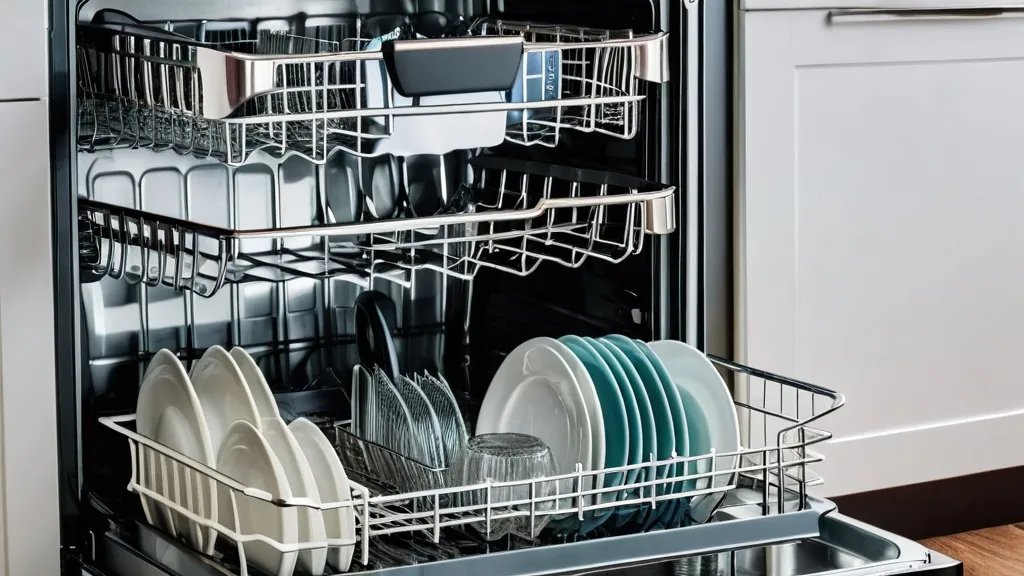
You’ve loaded your dishwasher, anticipated a sparkling clean finish, and then… disappointment. Streaky glasses, food-encrusted plates, and a general sense of grime greet you. This is a common frustration, turning a helpful appliance into a source of vexation. Fortunately, most dishwasher cleaning issues are resolvable with a systematic approach to troubleshooting. This guide will walk you through the potential culprits, transforming you from a confused homeowner into a confident dishwasher detective.
Before diving into specific problems, it’s essential to grasp how your dishwasher is designed to function. Think of it as a miniature, high-pressure cleaning system. Water is drawn into the tub, heated to a specific temperature, mixed with detergent, and then forcefully sprayed onto your dishes. This high-velocity spray, coupled with the chemical action of the detergent, is what lifts and washes away food particles. If any part of this intricate process is disrupted, your dishes will bear the brunt of the malfunction.
Water: The Lifeblood of the Wash Cycle
Water is not merely a solvent; it’s the engine driving the cleaning process. Without sufficient water, or water at the correct temperature and pressure, the detergent cannot effectively activate, nor can the spray arms deliver the necessary force to dislodge food. Consider this the foundation upon which all other cleaning functions are built.
Insufficient Water Supply
A dishwasher’s ability to clean is directly proportional to the amount of water it uses. If the water inlet valve is faulty or kinked, or if your home’s water pressure is unusually low, the tub may not fill adequately. This means there simply isn’t enough liquid to immerse the dishes and allow the spray arms to perform their duty.
**Inspecting the Inlet Valve**
The inlet valve is the gateway for water to enter your machine. If it’s obstructed or malfunctioning, it can severely limit water flow. While directly inspecting the valve might require some disassembly, you can often infer an issue by listening for the typical sound of water filling the machine at the start of a cycle. If it’s unusually quiet or the fill level seems low, this is a prime suspect.
Home Water Pressure
It’s worth considering if your home’s overall water pressure is contributing to the problem. While less common as a sole cause, exceptionally low household pressure can affect the dishwasher’s ability to draw in enough water. You can test this by running a faucet at full blast and observing the stream’s vigor.
Low Water Temperature: The Cold Shoulder for Cleanliness
Detergent activation is a chemical reaction, and like many chemical reactions, it requires a specific temperature range to proceed optimally. Most modern dishwashers are designed to heat the water internally, but some rely on your home’s hot water supply. If the water entering the machine is not hot enough, the detergent will struggle to dissolve properly and perform its cleaning magic.
The 120°F Threshold
The generally recommended minimum water temperature for effective dishwasher cleaning is 120°F (approximately 49°C). Below this, you’re essentially asking your detergent to perform a Herculean task with insufficient thermal assistance.
Pre-heating Your Water
A simple yet often overlooked solution is to run your kitchen sink’s hot water tap for a minute or two before starting the dishwasher. This flushes out any cooler water that may be sitting in the pipes, ensuring that the hot water supply to the dishwasher is indeed hot from the outset.
Checking Your Water Heater Settings
If you consistently struggle with low water temperatures, and the pre-heating trick doesn’t solve the issue, it might be time to investigate your home’s water heater settings. Ensure it’s set to an appropriate temperature, usually around 120°F to 140°F. However, exercise caution when adjusting water heater settings, as excessively high temperatures can pose a scalding risk.
Detergent: The Chemical Catalyst
Detergent is the unsung hero of the dishwashing process. It’s not just soap; it’s a carefully formulated blend of enzymes, surfactants, and builders designed to break down grease, lift food particles, and prevent mineral deposits. Using the wrong type or amount of detergent can be as detrimental as a lack of water.
The Delicate Balance of Detergent Use
Too little detergent, and the cleaning power is insufficient. Too much, and you can create an excessive sudsing situation that actually hinders cleaning and can even lead to leaks or component damage.
Choosing the Right Detergent
It’s crucial to use a detergent specifically designed for automatic dishwashers. Regular dish soap, the kind you use for handwashing, contains foaming agents that will overwhelm your dishwasher, creating a cascade of suds. These suds can prevent proper water circulation and leave a residue on your dishes and inside the machine.
The Dispenser: A Critical Component
Your dishwasher has a dispenser specifically designed to release the correct amount of detergent at the optimal point in the wash cycle. If this dispenser is clogged or its door is being blocked by dishes, the detergent won’t be released effectively. Ensure the dispenser is clean, dry, and unobstructed. Food debris can easily lodge itself in the dispenser mechanism, preventing its opening.
The “Just Right” Amount
Consult your dishwasher’s manual for the recommended amount of detergent. Most modern detergents are highly concentrated, so a little goes a long way. Overenthusiasm with the scoop can lead to poor rinsing and a cloudy film on your dishes.
If you’re struggling with a dishwasher that isn’t cleaning your dishes effectively, you might find it helpful to explore related appliance issues. For instance, understanding how to troubleshoot problems with other household appliances can be beneficial. A relevant article that discusses solutions for dryer thermostat issues can provide insights into general appliance maintenance and troubleshooting techniques. You can read more about it here: dryer thermostat solutions.
The Obstacles: Blockages and Buildups That Hinder Performance
Even with adequate water and the right detergent, your dishwasher’s cleaning power can be severely hampered by blockages and mineral buildup. These are often the most frequent culprits behind poor cleaning results and are generally addressable with regular maintenance.
Clogged Spray Arms: The Forgotten Detour for Water
The spray arms are the workhorses of your dishwasher, rotating to distribute high-pressure jets of water throughout the tub. If these arms are clogged, the water simply cannot reach all areas of your dishes effectively. Imagine trying to clean a dirty floor with a garden hose that has all its nozzles blocked – the water will likely just drip out.
Identifying Blocked Holes
Food particles, seeds, and especially mineral deposits from hard water can accumulate in the small holes of the spray arms, effectively turning them into useless appendages.
Removing the Spray Arms
Most spray arms are designed to be easily removed. Typically, they screw or clip into place. Refer to your dishwasher’s manual for specific instructions on how to detach them. Once removed, you’ll be able to inspect them more thoroughly.
Clearing the Obstructions
Hold the spray arm up to a light source and peer through the holes. You should be able to see light passing through each one. If you see any blockages, use a toothpick, a straightened paperclip, or a thin piece of wire to gently poke out the debris. For more stubborn mineral buildup, you might need to soak the arms in a descaling solution or vinegar for a short period before re-clearing.
The Dirty Filter: A Snagging Point for Debris
Beneath the lower spray arm, you’ll typically find a filter. This is your dishwasher’s first line of defense against food particles being recirculated back onto your clean dishes or clogging the drain system. Think of it as a catcher’s mitt for the debris that falls from your dishes during the wash cycle. If this mitt is full, it can no longer do its job effectively.
The Importance of a Clean Filter
A dirty or clogged filter significantly reduces water flow within the dishwasher. This means less water is available for spraying, and debris can bypass the filter and recirculate, leaving your dishes less than pristine.
Locating and Removing the Filter
Consult your dishwasher’s manual to find the exact location of your filter system. Most are designed for easy removal. Often, it involves twisting and lifting.
Cleaning the Filter
Once removed, the filter will likely be coated in food particles and grease. Rinse it thoroughly under running water. For more stubborn residue, you may need to use a soft brush (an old toothbrush works well) to scrub away any clinging debris. Ensure all food particles are removed before reinserting the filter. It’s good practice to clean your filter at least once a month, or more frequently if you have a family that generates a lot of food waste.
Hard Water Buildup: The Unseen Residue
If you live in an area with hard water, mineral deposits (primarily calcium and magnesium) can build up on your dishes and within your dishwasher over time. This can manifest as cloudy spots on glasses, a white film on silverware, and a general lack of shine. It’s like a persistent fog that clouds your view.
The Impact of Minerals
Hard water minerals interfere with the detergent’s ability to work efficiently. They can also leave a residue on your dishes that is difficult to remove, even with a clean dishwasher.
Vinegar as a Degreaser
A simple yet effective way to combat hard water buildup is to run your dishwasher with a cup or two of white vinegar. Place the vinegar in a dishwasher-safe bowl on the top rack, or pour it directly into the bottom of the empty dishwasher. Run it through a full hot wash cycle. The acidity of the vinegar will help to break down and dissolve mineral deposits.
Rinse Aid: Your Dishwasher’s Best Friend
Rinse aid is a liquid added to a separate compartment in your dishwasher. It’s designed to reduce the surface tension of water, helping it to sheet off your dishes more effectively. This prevents water droplets from forming, which are the primary cause of spotting, especially in areas with hard water. Ensure your rinse aid dispenser is full.
Loading Strategies: The Art and Science of Dish Placement
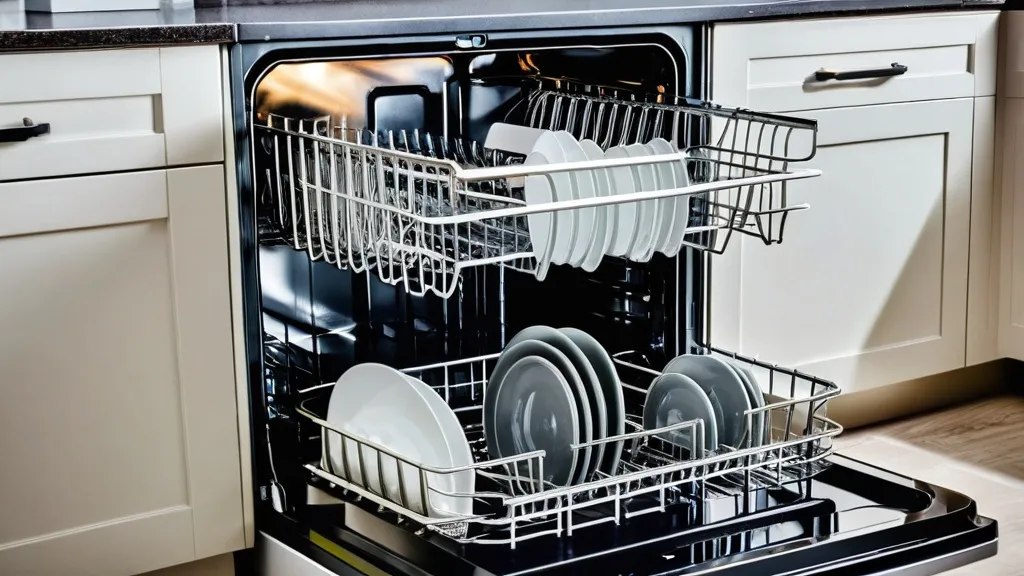
The way you load your dishwasher is not a matter of convenience; it’s a critical factor in achieving clean results. Improper loading can create invisible barriers that prevent water and detergent from reaching all surfaces of your dishes.
Overloading: The Crowded Chaos
Think of your dishwasher as a polite dinner party. If you cram too many guests into a small space, movement becomes restricted, and conversations can be muffled. Similarly, overloading your dishwasher prevents the spray arms from rotating freely and water from reaching all the dishes.
Creating Space for Success
Ensure there is ample space between each item. Dishes should not be touching each other. This allows water to circulate freely and hit every surface with equal force.
Nesting: The Dishwasher’s Nemesis
Certain items, like bowls or pots with curved sides, can nest into each other. This creates pockets where water cannot penetrate. Try to stagger these items so that their concave surfaces are not directly against each other.
Blocking the Flow: The Silent Sabotage
The spray arms need unimpeded access to the entire interior of the dishwasher. If large items, such as cutting boards or platters, are placed vertically, they can act as shields, blocking the spray from reaching dishes behind them. Similarly, ensure that nothing obstructs the detergent dispenser or the drain at the bottom of the tub.
Plate Presentation
Plates should be angled towards the center of the dishwasher, where the spray is typically strongest. Avoid placing them flush against the sides of the tub, which can impede water circulation.
Utensil Arrangement
Don’t just toss all your silverware into the basket. Mix them up with handles pointing up and down. This prevents them from nesting together and ensures that all surfaces are exposed to the water. For items like spoons and forks, placing them in the basket with handles down allows the water to get into their concave surfaces more effectively.
Advanced Troubleshooting: When Basic Maintenance Isn’t Enough
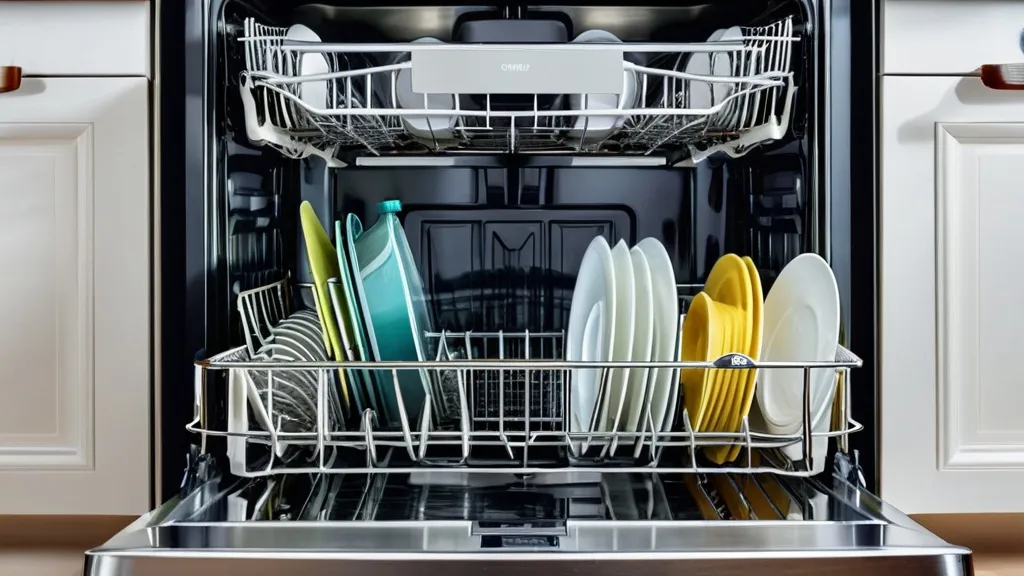
If you’ve diligently followed the steps for cleaning spray arms, filters, and proper loading, and your dishes are still coming out dirty, it’s time to delve into more complex issues. These often require a bit more investigation or professional assistance.
Drain Issues: The Stagnant Situation
A properly functioning dishwasher needs to drain dirty water after each wash and rinse cycle. If your dishwasher is not draining completely, leaving standing water at the bottom, this can lead to foul odors and affect subsequent wash cycles. It’s like a drain in your home getting clogged; everything just sits there.
The Culprits of Clogs
Common causes of drain issues include a blocked drain hose, a clogged pump filter, or an obstruction in the drain pump itself. Food debris, glass shards, or other small objects can work their way into the system.
Checking the Drain Hose
Ensure the drain hose, which typically runs from the dishwasher to your sink’s drainpipe or garbage disposal, is not kinked or crushed. If it’s connected to a garbage disposal, ensure the knockout plug (if it’s a new installation) has been removed.
Professional Intervention
If you’ve checked for simple obstructions and the dishwasher still isn’t draining, it’s often indicative of a problem with the drain pump or a more significant clog within the internal plumbing. At this point, it is advisable to call a qualified appliance repair technician.
Pump Problems: The Heartbeat of the Dishwasher
The circulation pump is the component responsible for drawing water from the sump and forcing it through the spray arms. If this pump is malfunctioning, water will not be adequately circulated, directly impacting cleaning performance.
Signs of a Failing Pump
A quiet dishwasher that isn’t spraying water effectively might be suffering from a pump issue. You might hear unusual grinding or humming noises, or no noise at all when the spray arms should be actively working.
Diagnostic Steps
Determining a pump failure usually requires disassembling parts of the dishwasher to access and test the pump directly. This is a task best left to an experienced technician who can safely diagnose and repair or replace the faulty component.
Incorrect Cycle Selection: The Mismatch
Modern dishwashers offer a variety of cycles, each designed for different levels of soil and types of dishes. Using the wrong cycle can lead to suboptimal cleaning. A gentle cycle might not be powerful enough for heavily soiled dishes, while an intensive cycle might be unnecessary for lightly soiled items, potentially wasting energy and water.
Matching the Cycle to the Mess
For heavily soiled dishes or pots and pans with baked-on food, use the “heavy,” “pots and pans,” or “auto” cycle. These cycles typically involve longer wash times and higher water temperatures to ensure thorough cleaning. For lightly soiled dishes, a “light” or “normal” cycle may suffice.
The Mystery of the Quiet Operation
While some modern dishwashers are designed for quiet operation, a complete lack of spraying sound during the wash phase, especially when you know water is filling the tub, can be a strong indicator of a malfunctioning pump. This is a critical symptom that warrants further investigation, potentially by a professional.
By systematically working through these potential issues, you can transform your dishwasher from a source of frustration into the reliable cleaning assistant it’s meant to be. Remember, regular maintenance is the best defense against most cleaning problems, so don’t let your dishwasher become a neglected appliance.
FAQs
Why are my dishes still dirty after running the dishwasher?
Dishes may remain dirty due to clogged spray arms, a malfunctioning detergent dispenser, using the wrong detergent, or overloading the dishwasher which prevents proper water circulation.
How often should I clean my dishwasher to ensure it works properly?
It is recommended to clean your dishwasher at least once a month by running an empty cycle with a dishwasher cleaner or vinegar to remove grease, limescale, and food debris.
Can using the wrong detergent affect dishwasher performance?
Yes, using non-dishwasher detergents or low-quality detergents can cause poor cleaning results and leave residue on dishes.
What role does water temperature play in dishwasher cleaning effectiveness?
Water temperature should be at least 120°F (49°C) for optimal cleaning. Lower temperatures may not dissolve detergent properly or remove grease effectively.
How can I prevent my dishwasher from leaving spots or film on dishes?
Using a rinse aid, ensuring proper loading, checking water hardness, and regularly cleaning the dishwasher filter can help prevent spots and film buildup on dishes.