Table of Contents
- Clogged Lint Screens and Vent Systems
- Understanding the Lint Screen’s Role
- The Load Dynamics: Overloading and Underloading
- Overloaded Dryers
- Underloaded Dryers and Small Loads
- The Wetness Factor: Washer Performance
- Washer Spin Speed and Malfunctions
- The Mechanics of Airflow: Beyond Lint
- The Blower Wheel and Air Obstruction
- Improper Vent Hose Installation and Kinks
- The Heat Source: The Heating Element
- Faulty Electric Heating Element
- Faulty Gas Igniter or Gas Valve (Gas Dryers)
- Electrical Supply and System Integrity
- Tripped Circuit Breakers and Fuse Issues
- Proper Installation and Leveling
- FAQs
- Why is my dryer taking longer than usual to dry clothes?
- How does a clogged vent affect dryer performance?
- Can overloading the dryer cause longer drying times?
- What role does the heating element play in drying clothes?
- How often should I clean the lint filter and dryer vent?
You’ve just pulled a damp load from your dryer, despite having set it for what felt like an eternity. This common frustration indicates a deviation from optimal dryer performance. Your dryer, a seemingly straightforward appliance, relies on a delicate balance of heat, airflow, and tumbling to achieve its intended purpose: transforming sodden garments into ready-to-wear apparel. When this equilibrium is disrupted, the drying cycle extends, consuming more energy and demanding more of your time. This article will guide you through the systemic diagnostic process to identify the root cause of prolonged drying cycles.
Your dryer operates on a principle akin to a forced-air oven for your clothes. Hot air is drawn in, circulated through the tumbling garments to absorb moisture, and then expelled. Any impediment to this airflow, or any compromise to the heat generation, will inevitably lead to extended drying times. It’s akin to trying to dry a wet sponge in a still, cool room versus a breezy, warm one.
Clogged Lint Screens and Vent Systems
One of the most frequent culprits behind sluggish drying is a compromised airflow pathway. Your dryer’s lint screen, vent hose, and the entire exhaust system form a critical conduit for moisture-laden air to escape. When this pathway is obstructed, the hot, humid air becomes trapped, significantly impeding the drying process. Imagine trying to breathe through a stuffed-up nose; the effort is greater, and the air exchange is inefficient.
Understanding the Lint Screen’s Role
The lint screen serves as the first line of defense, capturing dislodged fibers from your clothing. While seemingly innocuous, an accumulation of lint on this screen creates a formidable barrier. Each drying cycle adds a new layer, progressively reducing the airflow.
- Symptoms: Clothes feel damp after a full cycle, the dryer runs hotter than usual (due to trapped heat), or the dryer automatically shuts off prematurely (a safety mechanism to prevent overheating).
- Troubleshooting:
- Regular Cleaning: You should clean your lint screen before or after every single load. This is not merely a suggestion but a critical maintenance step.
- Thorough Cleaning: Periodically, perhaps once a month or if you notice continued issues, wash the lint screen with warm water and a little liquid dish soap. This removes the invisible waxy buildup from fabric softeners and detergent residues that can cling to the mesh, further restricting airflow. Rinse it thoroughly and allow it to air dry completely before reinserting it.
The Vent Hose and Exhaust System: An Unseen Obstruction
Beyond the immediate lint screen, the vent hose that connects your dryer to the external exhaust vent, and the exhaust vent itself, are also susceptible to lint accumulation. This buildup can be substantial and, unlike the lint screen, is often out of sight and out of mind.
- Symptoms: Drying times progressively increase, clothes have a musty smell even after drying, the exterior of the dryer feels unusually hot, or you observe less air exiting the outside vent.
- Troubleshooting:
- Visual Inspection of the Hose: Disconnect the vent hose from both the dryer and the wall. Inspect its interior for visible clogs of lint. Flexible foil or plastic hoses are particularly prone to kinks and crushing, which can also restrict airflow without lint accumulation. Replace damaged hoses with rigid metal ducting whenever possible, as it offers superior airflow and is less prone to trapping lint.
- Cleaning the Vent Duct: Use a long brush specifically designed for dryer vents or a vacuum cleaner with a hose attachment to remove lint from inside the vent hose and the wall duct. This is a crucial, often overlooked, maintenance task.
- Cleaning the Exterior Vent Hood: Ensure the external vent hood is not obstructed by debris, bird nests, or excessive lint buildup. The flapper on the hood should open freely when the dryer is running.
If you’re struggling with a dryer that takes too long to dry your clothes, it might be helpful to explore related issues that could be affecting your appliances. For instance, understanding electrical safety and troubleshooting can prevent potential hazards while ensuring your dryer operates efficiently. You can read more about this in the article titled “Don’t Get Zapped: A Guide to Troubleshooting and Preventing Electric Shock Hazards” available at this link.
The Load Dynamics: Overloading and Underloading
The way you load your dryer significantly impacts its efficiency. It’s not just about getting clothes dry; it’s about getting them dry efficiently and evenly. Think of it like trying to stir a pot of soup: if it’s too full, you can’t stir properly; if it’s nearly empty, the stirrer barely makes contact.
Overloaded Dryers
Stuffing too many items into your dryer is a surefire way to extend drying cycles. When the drum is overloaded, clothes clump together, reducing the surface area exposed to the circulating hot air. This also impedes the tumbling action, which is vital for even drying.
- Symptoms: Clothes come out damp and wrinkled, often with dry spots interspersed with wet ones. The dryer may also struggle to tumble the heavy load, putting strain on the motor.
- Troubleshooting:
- Adhere to Capacity Guidelines: Your dryer has a recommended load capacity. As a general rule, dry one washer-sized load at a time. This ensures adequate space for garments to tumble freely and for hot air to circulate effectively.
- Visual Check: When you load the dryer, aim for the drum to be no more than two-thirds full. This provides ample room for movement.
Underloaded Dryers and Small Loads
Paradoxically, an underloaded dryer can also be inefficient. A single, small item or a very light load might not possess enough mass to properly tumble against the drum’s baffles. This can lead to uneven drying, or the dryer’s moisture sensor (if equipped) may misinterpret the situation and prematurely end the cycle.
- Symptoms: Single items remain damp, or very small loads take an unusually long time to dry.
- Troubleshooting:
- Combine Small Loads: If you have only a few items, consider adding them to a larger, compatible load (e.g., similar fabric types and colors).
- Add Companion Items: For very small loads that cannot be combined, you can add a few dry towels or “dryer balls” to the drum. These can help increase the tumbling action and absorb some moisture, improving efficiency.
The Wetness Factor: Washer Performance
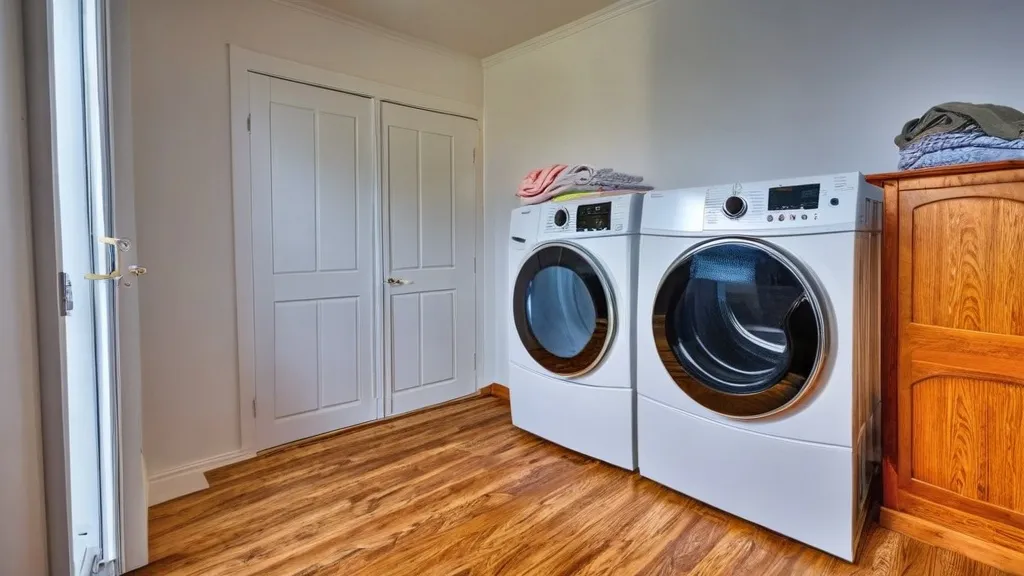
Before your clothes even enter the dryer, their initial moisture content plays a critical role in drying time. Your dryer is designed to remove residual moisture, not to act as a primary dewatering device. If clothes are excessively wet coming out of the washing machine, the dryer is forced to work substantially harder and longer.
Washer Spin Speed and Malfunctions
The spin cycle in your washing machine is paramount for extracting as much water as possible from your clothes. A weak or malfunctioning spin cycle can leave garments saturated, putting an undue burden on your dryer.
- Symptoms: Clothes are dripping wet, or noticeably heavier and more saturated than usual after the wash cycle completes.
- Troubleshooting:
- Select Higher Spin Speeds: Whenever appropriate for the fabric type, choose the highest available spin speed setting on your washing machine. High-speed spinning extracts more water, significantly reducing subsequent drying time.
- Washer Maintenance: If your washer’s spin cycle seems unusually weak or ineffective, investigate potential mechanical issues. This could range from a worn drive belt to a malfunctioning transmission or motor in older top-loading machines. Consult your washer’s manual or a qualified appliance technician for diagnosis and repair.
The Mechanics of Airflow: Beyond Lint
While lint is a primary antagonist to airflow, other mechanical components within the dryer are equally crucial. The blower wheel and the integrity of the vent hose installation directly impact the force and direction of the hot air.
The Blower Wheel and Air Obstruction
The blower wheel, often referred to as the fan, is responsible for creating the powerful airflow that pushes hot, moisture-laden air out of the dryer. If this component is obstructed or damaged, the airflow is compromised, regardless of how clean your lint screen is.
- Symptoms: Weak airflow exiting the external vent, the dryer runs but takes an excessively long time, or clothes feel hot but still damp. You might hear unusual noises from the dryer, such as grinding or thumping if the blower wheel is damaged or rattling against debris.
- Troubleshooting:
- Inspect the Blower Wheel: Accessing the blower wheel typically involves removing the back or front panel of your dryer. Inspect it carefully for lint buildup, small items (like socks or foreign objects) that may have bypassed the lint screen, or physical damage to the blades.
- Cleaning and Repair: Carefully remove any obstructions from the blower wheel. If the wheel itself is damaged (e.g., chipped or missing blades), it will need to be replaced by a qualified technician or an experienced DIYer. A damaged blower wheel cannot generate efficient airflow.
- Test Airflow: After cleaning or inspection, run the dryer without clothes and feel the air exiting the external vent. It should be a strong, steady current.
Improper Vent Hose Installation and Kinks
The physical routing of your dryer’s vent hose is as critical as its cleanliness. Improper installation can create bottlenecks that severely restrict airflow.
- Symptoms: Similar to a clogged vent, but often accompanied by visible kinks, crushes, or excessive length in the vent hose.
- Troubleshooting:
- Hose Length: Keep the vent hose as short and straight as possible. Every foot of hose and every bend adds resistance to airflow. The maximum recommended length for rigid metal ducting is often around 25 feet, with deductions for each elbow. Flexible hoses have even tighter restrictions.
- Avoid Kinks and Crushes: Ensure the hose is not kinked or crushed behind the dryer, especially if your dryer is pushed close to the wall. Use an offset dryer vent box or periscope vent if space is tight to ensure a straight connection.
- Proper Connections: Ensure all connections at the dryer and the wall are secure and sealed (using foil tape, not duct tape), preventing air leaks that would otherwise reduce the efficiency of the exhaust system.
If you’re wondering why your dryer takes too long to dry your clothes, it might be helpful to explore some common mistakes that can affect appliance performance. For instance, improper loading or a clogged vent can significantly increase drying times. To learn more about these issues and how to avoid them, check out this informative article on advanced DIY appliance repairs and common mistakes to avoid. Understanding these factors can help you troubleshoot and improve your dryer’s efficiency. You can read the article here: advanced DIY appliance repairs.
The Heat Source: The Heating Element
| Possible Cause | Description | Impact on Drying Time | Suggested Solution |
|---|---|---|---|
| Clogged Lint Filter | Lint buildup restricts airflow inside the dryer. | Increases drying time by up to 50% or more. | Clean lint filter before every load. |
| Blocked Vent Hose | Vent hose clogged with lint or debris reduces air circulation. | Can double drying time or cause overheating. | Inspect and clean vent hose regularly. |
| Overloading Dryer | Too many clothes reduce tumbling efficiency and airflow. | Significantly increases drying time. | Dry smaller loads for better airflow. |
| Wet Clothes from Washer | Washer did not spin clothes properly, leaving excess water. | Drying time can increase by 30-50%. | Use higher spin speed on washer. |
| Faulty Heating Element | Heating element not producing enough heat. | Dryer may take twice as long or fail to dry. | Test and replace heating element if needed. |
| Thermostat or Sensor Issues | Malfunctioning thermostat or moisture sensor affects drying cycles. | Dryer may run longer than necessary. | Check and replace faulty sensors or thermostat. |
| Improper Dryer Settings | Using low heat or incorrect cycle for fabric type. | Extends drying time unnecessarily. | Use appropriate heat and cycle settings. |
| Old or Inefficient Dryer | Older models may have reduced efficiency. | Drying time can be longer compared to newer models. | Consider upgrading to an energy-efficient dryer. |
The most fundamental component of a dryer, after its ability to move air, is its heating element or gas burner. Without adequate heat, your dryer is simply a very inefficient tumble fan.
Faulty Electric Heating Element
In electric dryers, a heating element warms the circulating air. This element is essentially a coiled resistance wire that glows red hot when electricity passes through it. Over time, or due to power surges, this element can burn out.
- Symptoms: The dryer runs, tumbles, and the blower fan operates, but no hot air is produced (or only lukewarm air). Clothes remain damp even after prolonged cycles.
- Troubleshooting:
- Sense for Heat: Select a high-heat setting and allow the dryer to run for a few minutes. Carefully open the door (after stopping the cycle for safety) and feel the air inside. If it’s cool or only slightly warm, the heating element is suspect.
- Multimeter Test (Advanced): For those with electrical diagnostic experience, you can test the continuity of the heating element using a multimeter. Ensure the dryer is unplugged (or the circuit breaker is off) before attempting this. A good heating element will show continuity; a burned-out one will show an open circuit.
- Replacement: If the heating element is faulty, it will need to be replaced. This can be a DIY task for some, but often requires disassembling part of the dryer and should only be attempted by those comfortable with appliance repair or a professional technician.
Faulty Gas Igniter or Gas Valve (Gas Dryers)
For gas dryers, the heating system is more complex, involving an igniter and a gas valve. If the igniter fails to get hot enough to light the gas, or if the gas valve isn’t opening, no heat will be produced.
- Symptoms: You may or may not smell gas (depending on the failure), but the dryer runs without heat. You might hear clicking sounds (from the igniter trying to light) without the characteristic “whoosh” of the gas igniting.
- Troubleshooting:
- Listen for Ignition: With the dryer running on heat, listen carefully. In a dark room, you might even see the igniter glow briefly before attempting to ignite the gas.
- Professional Diagnosis: Due to the inherent risks associated with gas appliances, it is strongly recommended that you contact a qualified appliance technician for any issues related to the gas igniter or gas valve. Do not attempt DIY repairs on gas components unless you are a certified professional.
Electrical Supply and System Integrity
Your dryer, particularly an electric one, demands a significant and stable electrical supply to function correctly, especially to power the heating element. Any disruption in this supply can lead to reduced efficiency or complete failure.
Tripped Circuit Breakers and Fuse Issues
Electric dryers typically operate on a 240-volt circuit, which uses two hot wires in addition to a neutral and ground. If one of these hot legs loses power, the dryer might still run (often at 120 volts for the motor and controls), but the heating element will not receive the full voltage required to generate adequate heat.
- Symptoms: The dryer runs, tumbles, and the control panel lights up, but there is little to no heat. Or, the dryer may stop mid-cycle.
- Troubleshooting:
- Check Your Breaker Panel: Locate your home’s electrical service panel. Find the circuit breaker labeled for your dryer. It should be a double-pole breaker (two side-by-side switches connected by a bar). If it’s tripped, it will typically be in an “off” or “middle” position. Fully switch it to the “off” position and then firmly back to the “on” position.
- Inspect Fuses (Older Homes): If you have an older home with a fuse box, check the fuses for your dryer circuit. A blown fuse will need to be replaced with a fuse of the correct amperage.
- Distinguishing 120V from 240V Operation: If your electric dryer runs but produces no heat, it’s a strong indication that only one leg of the 240V supply is active, or the heating element circuit itself is interrupted. The motor and controls can often function on 120V, but the heating element requires 240V.
Proper Installation and Leveling
While not directly impacting electrical supply, proper dryer leveling and installation contribute to overall operational integrity and can indirectly affect performance by ensuring all components are operating as intended.
- Symptoms: Excessive vibration, unusual noises, or the dryer’s door not closing tightly.
- Troubleshooting:
- Verify Leveling: Use a spirit level to ensure your dryer is sitting perfectly level. Adjust the leveling feet as necessary. An unlevel dryer can cause components to wear unevenly and create unnecessary stress.
- Secure Power Connections: Visually inspect the dryer’s power cord connection at the wall outlet and at the back of the dryer to ensure it’s fully seated and secure. Always unplug the dryer before inspecting any electrical connections at the appliance.
By systematically addressing each of these potential issues, from the simple act of cleaning a lint screen to investigating electrical supply, you can effectively diagnose and remediate the reasons why your dryer takes an eternity to dry your clothes. Many of these troubleshooting steps are straightforward and can be performed by you, restoring efficient operation and saving you time and energy.
FAQs
Why is my dryer taking longer than usual to dry clothes?
A dryer may take longer to dry clothes due to clogged lint filters, blocked vents, overloaded drum, or a malfunctioning heating element. Regular maintenance and proper loading can help improve drying times.
How does a clogged vent affect dryer performance?
A clogged vent restricts airflow, causing the dryer to work harder and take more time to dry clothes. It can also pose a fire hazard. Cleaning the vent regularly ensures efficient drying and safety.
Can overloading the dryer cause longer drying times?
Yes, overloading the dryer reduces air circulation inside the drum, leading to uneven and prolonged drying. It is recommended to dry smaller loads for optimal performance.
What role does the heating element play in drying clothes?
The heating element generates the heat necessary to evaporate moisture from clothes. If it is faulty or damaged, the dryer may not heat properly, resulting in extended drying times.
How often should I clean the lint filter and dryer vent?
The lint filter should be cleaned after every load to maintain airflow. The dryer vent should be inspected and cleaned at least once a year or more frequently if you notice longer drying times or reduced efficiency.