Troubleshooting Samsung Fridge Repair
Table of Contents
- No Power to the Refrigerator
- Intermittent Power
- Temperature Regulation Problems
- Refrigerator Not Cooling
- Freezer Not Cooling
- Refrigerator Too Cold / Freezing Food
- Ice Maker and Water Dispenser Issues
- Ice Maker Not Producing Ice
- Water Dispenser Not Working
- Leaking Ice Maker/Water Dispenser
- Noise Issues
- Loud Humming or Vibrating
- Clicking or Ticking Sounds
- Grinding or Scraping Noises
- Door and Seal Issues
- Door Not Sealing Properly
- Condensation or Frost Buildup Around Door
- Door Not Closing Completely
Samsung refrigerators, like any complex appliance, can experience functional issues. This guide provides a systematic approach to identifying and resolving common problems encountered with Samsung refrigerators. Understanding basic principles of refrigeration and electrical systems can aid in this process, though professional assistance may be required for certain repairs.
Electrical problems are a common root cause for a non-functional refrigerator. Before assuming a major defect, it is prudent to eliminate simple power supply issues.
No Power to the Refrigerator
If your Samsung refrigerator is completely unresponsive, without lights or compressor activity, the first step is to verify its power connection.
- Wall Outlet Check: Ensure the refrigerator’s power cord is securely plugged into a functional wall outlet. A loose connection can interrupt power. Test the outlet with another small appliance, like a lamp, to confirm it is supplying electricity.
- Circuit Breaker: Locate your home’s electrical service panel. Identify the circuit breaker corresponding to the kitchen or refrigerator. A tripped breaker will be in an “off” or “middle” position. Reset it by flicking it completely off and then firmly back on. If the breaker immediately trips again, a more serious electrical short may exist, necessitating professional assessment.
- GFCI Outlet: If the refrigerator is plugged into a Ground Fault Circuit Interrupter (GFCI) outlet, check if it has tripped. GFCI outlets are commonly found in kitchens and near water sources. Press the “reset” button on the outlet if it has popped out.
- Power Cord Inspection: Visually inspect the refrigerator’s power cord for any signs of damage, such as fraying, cuts, or pinched areas. A compromised cord can prevent power delivery and pose an electrical hazard. If damage is observed, the cord should be replaced by a qualified technician.
Intermittent Power
An intermittent power supply, where the refrigerator cycles on and off unpredictably, can be more challenging to diagnose.
- Loose Outlet Connection: Similar to a “no power” scenario, a loose electrical connection within the wall outlet itself can cause intermittent power. This may require an electrician to inspect and tighten the outlet’s wiring.
- Internal Wiring: Within the refrigerator, a loose wire connection on the main control board or at the compressor can lead to intermittent operation. This typically requires opening the rear access panel and performing a visual inspection, a task best left to those with electrical experience.
- Power Fluctuation: External power fluctuations from the utility company can also cause intermittent operation. Observe if other appliances in your home are experiencing similar issues. A surge protector can help mitigate damage from minor fluctuations, but persistent issues require reporting to your power provider.
If you’re experiencing issues with your Samsung fridge, understanding the importance of regular maintenance can be crucial for preventing future problems. A related article that provides valuable insights is “Ice Maker Preventive Maintenance Tips,” which offers practical advice on keeping your ice maker in optimal condition. You can read more about it here: Ice Maker Preventive Maintenance Tips. This resource can help you ensure that your appliance runs smoothly and efficiently.
Temperature Regulation Problems
Maintaining the correct temperature is the primary function of a refrigerator. Deviations from set temperatures indicate a problem with the cooling system.
Refrigerator Not Cooling
When the refrigerator compartment is not reaching its set temperature, but the freezer is functioning, the issue is often specific to the fresh food section.
- Airflow Obstruction: Cold air circulates from the freezer to the refrigerator compartment. Obstructions, such as excessive food items blocking vents, can impede this airflow. Ensure all refrigerator vents, typically located at the back panel, are clear.
- Damper Control: The damper controls the amount of cold air flowing into the refrigerator compartment. A malfunctioning or stuck damper, whether manual or electronic, can restrict airflow. Manual dampers can sometimes be freed; electronic dampers may require replacement.
- Evaporator Fan: The evaporator fan, located in the freezer, circulates cold air throughout the refrigerator. If this fan is not operating, the refrigerator will not cool effectively. Listen for the fan’s operation when the compressor is running. A silent fan might indicate a motor issue. To assess, you may need to open the freezer compartment and check for ice buildup or motor rotation.
- Defrost System: Excessive ice buildup on the freezer’s evaporator coils can block airflow and prevent cooling in both compartments. The defrost heater, defrost thermostat, or defrost timer might be malfunctioning. A visible layer of frost on the freezer’s back wall suggests a defrost system failure. A manual defrost (unplugging the refrigerator for 24-48 hours) can temporarily resolve this, but the underlying issue needs addressing.
Freezer Not Cooling
If the freezer compartment is not getting cold enough, the problem often lies with the core refrigeration components.
- Condenser Coils: The condenser coils, usually located at the back or bottom of the refrigerator, dissipate heat. Dust and debris buildup on these coils can hinder heat exchange, reducing cooling efficiency. Regularly clean the condenser coils using a vacuum cleaner with a brush attachment.
- Condenser Fan: The condenser fan motor pulls air over the condenser coils. If this fan is not working, heat will not dissipate effectively, leading to poor cooling in both compartments. Listen for the fan’s operation near the condenser coils. A silent or struggling fan indicates a problem.
- Compressor: The compressor is the heart of the refrigeration system, circulating refrigerant. If the compressor is not running, or is making unusual noises (e.g., loud humming, clicking, grinding), it may be failing. A non-functional compressor will result in no cooling in either compartment. Compressor issues typically require professional diagnosis and repair.
- Refrigerant Leak: A low refrigerant level due to a leak will reduce cooling capacity. This is difficult to diagnose without specialized equipment and requires a professional technician to locate and repair the leak, and then recharge the system. A system with a refrigerant leak will typically continue to run but will produce very little or no cooling.
Refrigerator Too Cold / Freezing Food
A refrigerator that is too cold, sometimes freezing contents in the fresh food compartment, indicates an issue with temperature control.
- Thermostat Setting: First, verify the thermostat setting. It might be set too low, causing overcooling. Adjust it to a warmer setting and monitor the temperature.
- Temperature Sensor/Thermistor: The temperature sensor (thermistor) monitors the internal temperature and sends readings to the control board. A faulty sensor can provide inaccurate readings, causing the compressor to run excessively. Testing a thermistor often requires a multimeter to check resistance values, which should correspond to a temperature chart.
- Control Board: The main control board interprets signals from the temperature sensor and dictates compressor and fan operation. A failing control board can misinterpret data or issue incorrect commands, leading to overcooling. This is typically a component replacement, a task for a qualified technician.
- Damper Stuck Open: If the damper, which regulates cold air flow into the refrigerator compartment, is stuck in an open position, too much cold air from the freezer can enter, causing items to freeze. This can sometimes be manually adjusted or requires replacement of the damper assembly.
Ice Maker and Water Dispenser Issues

Problems with the ice maker or water dispenser are common ancillary concerns, often distinct from the main refrigeration system.
Ice Maker Not Producing Ice
When the ice maker is silent and not producing ice, a series of checks can help pinpoint the problem.
- Water Supply: Ensure the refrigerator’s water supply line is open and the household water supply valve is turned on. A kinked or frozen water line near the refrigerator connection or within the freezer can also prevent water flow.
- Water Filter: A clogged water filter can restrict water flow to the ice maker. Replace the water filter if it is old or if you experience reduced water flow from the dispenser.
- Ice Maker Arm/Bail Wire: The ice maker may have a metal feeler arm or bail wire that senses when the ice bin is full. If this arm is accidentally pushed up or stuck, it will signal the ice maker to stop production. Ensure it is in the down or operating position.
- Ice Maker Module: The ice maker module itself, which includes the fill valve, motor, and heating element, can fail. If water is reaching the module but no ice is being produced, the module may need replacement. Testing individual components of the module is possible but often, simply replacing the entire module is more practical.
- Fill Tube Frozen: The fill tube, which delivers water from the water valve to the ice maker mold, can become frozen if the freezer temperature is too low or if there’s a slow drip. Thawing the tube manually and ensuring correct freezer temperature can resolve this.
Water Dispenser Not Working
A non-functional water dispenser, even with a working ice maker, indicates a specific flow issue.
- Water Supply and Filter: As with the ice maker, check the water supply line and ensure the water filter is not clogged or expired.
- Dispenser Lever/Button: Ensure the dispenser lever or button is being pressed correctly and fully engaged. A faulty microswitch behind the lever or button can prevent water flow.
- Water Line Frozen: A common issue is a frozen water line within the refrigerator door or at the connection point to the dispenser. This can be caused by the freezer temperature being too low or drafts. Thawing the line by unplugging the refrigerator or using a hairdryer on a low setting (with caution) may temporarily resolve it.
- Water Inlet Valve: The water inlet valve, usually located at the back of the refrigerator where the water line connects, controls water flow. If the valve is faulty, it may not open to allow water to pass to the dispenser. You can often hear a buzzing sound when the dispenser lever is pressed; absence of this sound might indicate a faulty valve or no power to it.
Leaking Ice Maker/Water Dispenser
Leaks around the ice maker or water dispenser can cause water damage and mold issues.
- Loose Connections: Check all water line connections leading to and from the ice maker and water dispenser for tightness. Hand-tighten any loose fittings.
- Cracked Water Lines/Fittings: Inspect the plastic water lines and their fittings for any cracks or damage, which can cause slow drips or significant leaks. Damaged lines need replacement.
- Defective Water Inlet Valve: A faulty water inlet valve can sometimes drip or continously send water to the ice maker, causing overflows. If you hear a constant trickle of water when no demand is present, the valve may be the culprit.
- Ice Mold Overflow: If the ice maker is filling too much or the water pressure is too high, the ice mold can overflow, leading to leaks into the freezer compartment and potentially out the bottom of the door. Adjusting water pressure or the ice maker’s fill level (if possible) may help.
Noise Issues
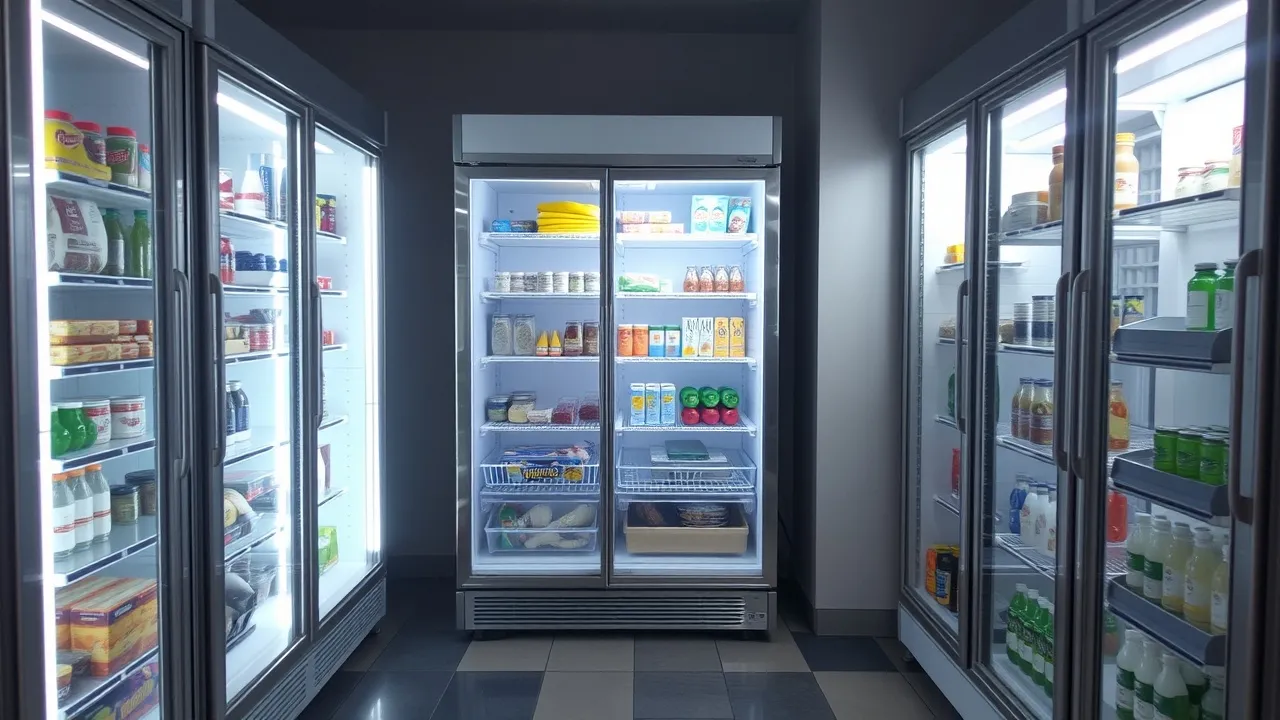
Abnormal noises from a refrigerator can be indicative of various mechanical or electrical problems. Identifying the source of the noise is key to diagnosis.
Loud Humming or Vibrating
A constant, loud humming or vibrating sound often points to issues with motor-driven components.
- Compressor Noise: A normal compressor produces a low hum. However, a loud, sustained hum or grinding noise can indicate a failing compressor, especially if accompanied by poor cooling. This is a significant repair.
- Condenser Fan Motor: If the humming comes from the lower-back section of the refrigerator, the condenser fan motor might be faulty. The fan blades could be hitting something, or the motor bearings could be failing.
- Evaporator Fan Motor: A loud humming or buzzing sound from inside the freezer or fresh food compartment suggests the evaporator fan motor. Ice buildup or obstructions can cause the blades to hit, or the motor bearings could be worn.
- Loose Refrigerator: Ensure the refrigerator is level and not vibrating against adjacent cabinets or the wall. Adjusting the leveling feet can mitigate external vibrations.
- Fan Blade Obstruction: Both condenser and evaporator fan blades can become clogged with dust or hit wires/ice buildup. Visually inspect the blades for any obstructions and clean them.
Clicking or Ticking Sounds
Clicking or ticking noises are often associated with electrical relays or defrost cycling.
- Relay Switch: A repetitive clicking sound from the back of the refrigerator, especially if the compressor is struggling to start, may indicate a faulty compressor start relay. This component attempts to start the compressor and if it fails, it clicks off.
- Defrost Timer: During the defrost cycle, some older models of refrigerators may emit an audible click as the defrost timer cycles on and off. If this clicking becomes excessively loud or persistent outside of normal defrost intervals, the timer may be failing.
- Water Inlet Valve: When the ice maker or water dispenser calls for water, the water inlet valve opens and closes with an audible click. If this clicking is continuous and no water is dispensed, the valve may be faulty or suffering from insufficient water pressure.
- Thermal Expansion/Contraction: Refrigerators often make creaking or popping sounds as internal components expand and contract due to temperature changes. These are typically normal noises and not indicative of a fault.
Grinding or Scraping Noises
Grinding or scraping noises are almost always mechanical and suggest friction between moving parts.
- Evaporator Fan Blade: Ice buildup on the evaporator fan blades or a dislodged blade hitting the fan housing can produce a grinding sound. A manual defrost can temporarily resolve ice buildup, but persistent issues require addressing the cause of the ice, such as a faulty defrost system.
- Condenser Fan Blade: Similarly, obstructions or loose blades on the condenser fan can cause grinding. Inspect and clear any debris and ensure the blade is secure.
- Compressor Failure: A loud grinding noise directly from the compressor is a strong indicator of internal mechanical failure. This is a serious issue that typically requires compressor replacement.
- Dislodged Drain Pan: The drain pan, located under the refrigerator, catches defrost water. If it becomes dislodged or vibrates against other components, it can create scraping sounds. Realigning the pan can resolve this.
If you’re facing issues with your Samsung fridge, understanding the costs associated with repairs can be crucial. A helpful resource on this topic can be found in an article that discusses negotiating professional repair costs, which can provide insights into how to manage expenses effectively. For more information, you can read the article here. This knowledge can empower you to make informed decisions when it comes to maintaining your appliance.
Door and Seal Issues
| Service Type | Common Issues | Average Repair Time | Parts Frequently Replaced | Customer Satisfaction (%) |
|---|---|---|---|---|
| Compressor Repair | Fridge not cooling | 3-5 hours | Compressor, Start Relay | 85 |
| Thermostat Replacement | Temperature inconsistency | 1-2 hours | Thermostat Sensor | 90 |
| Water Dispenser Repair | Water not dispensing | 2-3 hours | Water Valve, Filter | 88 |
| Ice Maker Repair | Ice not forming | 2-4 hours | Ice Maker Assembly, Water Inlet Valve | 87 |
| Door Seal Replacement | Cold air leakage | 1-2 hours | Door Gasket | 92 |
The integrity of refrigerator door seals is crucial for maintaining internal temperatures and energy efficiency.
Door Not Sealing Properly
A door that doesn’t seal correctly allows warm air to enter, causing the compressor to work harder and ice buildup.
- Dirty Gasket: The door gasket (seal) can accumulate dirt, food particles, or sticky residue, preventing a proper seal. Clean the gasket thoroughly with warm, soapy water.
- Damaged Gasket: Inspect the gasket for tears, cracks, or hardening. A damaged gasket will not form an airtight seal and must be replaced. A simple test is to close the door on a piece of paper; if you can pull the paper out easily, the seal is compromised at that spot.
- Misaligned Door: The refrigerator door itself may be misaligned or sagging, preventing it from closing squarely against the frame. Adjusting the hinge screws (usually at the top or bottom of the door) can often correct this.
- Overloaded Door Shelves: Excessively heavy items in the door shelves can cause the door to sag, impacting the seal. Redistribute heavy items or remove some.
- Leveling Feet: An unlevel refrigerator can cause doors to not close properly or to swing open. Ensure the refrigerator is perfectly level by adjusting its leveling feet.
Condensation or Frost Buildup Around Door
External condensation or frost around the door frame indicates warm, humid air meeting the cold outer surfaces, typically due to a compromised seal.
- Gasket Integrity: This is a primary indicator of a faulty or dirty door gasket. Refer to the solutions for “Door Not Sealing Properly.” A cold internal appliance meeting warmer, humid room air through a gap in the gasket will cause condensation.
- Door Heater/Mullion Heater: Some refrigerators have a small heater strip (mullion heater) in the frame between the freezer and fresh food compartments to prevent condensation. If this heater fails, condensation can form. Testing and replacing this component usually requires technical expertise.
- High Ambient Humidity: In very humid environments, some external condensation can be normal, especially when the door is opened frequently. However, persistent condensation should prompt an inspection of the door seal.
- Frequent Door Openings: Allowing the door to remain open for extended periods or opening it too frequently can draw in warm, humid air, leading to condensation.
Door Not Closing Completely
A door that won’t close fully leaves the refrigerator susceptible to temperature fluctuations and energy waste.
- Obstructions: Check for any food items, containers, or pull-out drawers that are protruding and physically blocking the door from closing.
- Leveling: An unlevel refrigerator can cause the doors to swing open or not close completely. Adjust the leveling feet to ensure the refrigerator is stable and the doors close by gravity.
- Hinge Issues: Worn or damaged door hinges can prevent the door from swinging shut freely. Inspect the hinges for signs of wear or damage and replace if necessary.
- Door Stop/Cam: Some refrigerators have a door stop or cam mechanism that helps the door close. If this mechanism is broken or worn, the door may not close fully. This often requires disassembly of the hinge area to repair or replace the component.
Remember, troubleshooting often requires a methodical approach, moving from the simplest potential causes to the more complex. Always prioritize safety: unplug the refrigerator before conducting any internal inspections or repairs. If you are unsure at any point, or if the repair involves electrical systems, refrigerant, or complex dismantling, it is always advisable to consult a qualified appliance repair technician.