Wall heaters are compact, wall-mounted units that warm individual rooms without heating the entire home. Common types include electric resistance heaters, gas wall furnaces/wall heaters (natural gas or propane), and hydronic panel heaters. Because these systems deliver localized heat, they’re popular in San Diego homes and apartments where zoned comfort and small footprints matter.
Table of Contents
- Quick Fixes Checklist
- Safety First
- Key Takeaways
- Common Wall Heater Issues and Causes
- Tools and Materials Needed for Wall Heater Repair
- Safety Precautions for Working with Wall Heaters
- How to Troubleshoot Wall Heater Problems
- Troubleshooting by Heater Type
- Electric Wall Heaters
- Gas Wall Furnaces/Wall Heaters
- Hydronic Panel Heaters
- Step-by-Step Guide to Repairing a Wall Heater
- Cleaning and Maintaining Wall Heaters
- Upgrading and Replacing Wall Heater Parts
- California Homeowner Update
- Repair vs. Call a Pro
- Tips for Extending the Lifespan of Wall Heaters
- Final Thoughts: Keeping Your Wall Heaters in Top Condition
- FAQs
- What are common issues with wall heaters?
- How often should wall heaters be serviced?
- Can I repair a wall heater myself?
- What tools are needed to repair a wall heater?
- How do I know if my wall heater needs repair or replacement?
- Is it safe to use a wall heater with a damaged thermostat?
- What maintenance can prevent wall heater problems?
- Are there different types of wall heaters that require different repair methods?
- How do I reset a wall heater?
- When should I call a professional for wall heater repair?
- Do California homes need CO alarms with wall heaters?
Wall heaters deliver heat where you need it—perfect for spot heating bedrooms, offices, and additions.
This targeted approach can reduce energy use by avoiding whole-home heating. Many models offer built-in thermostats or can be controlled by room thermostats to fine-tune schedules. Your best choice depends on utilities and room needs: electric units heat via resistance elements; gas units use combustion and often a pilot, thermocouple or thermopile; hydronic panels circulate hot water. Each has different installation, operating cost, and maintenance requirements.
Quick Fixes Checklist
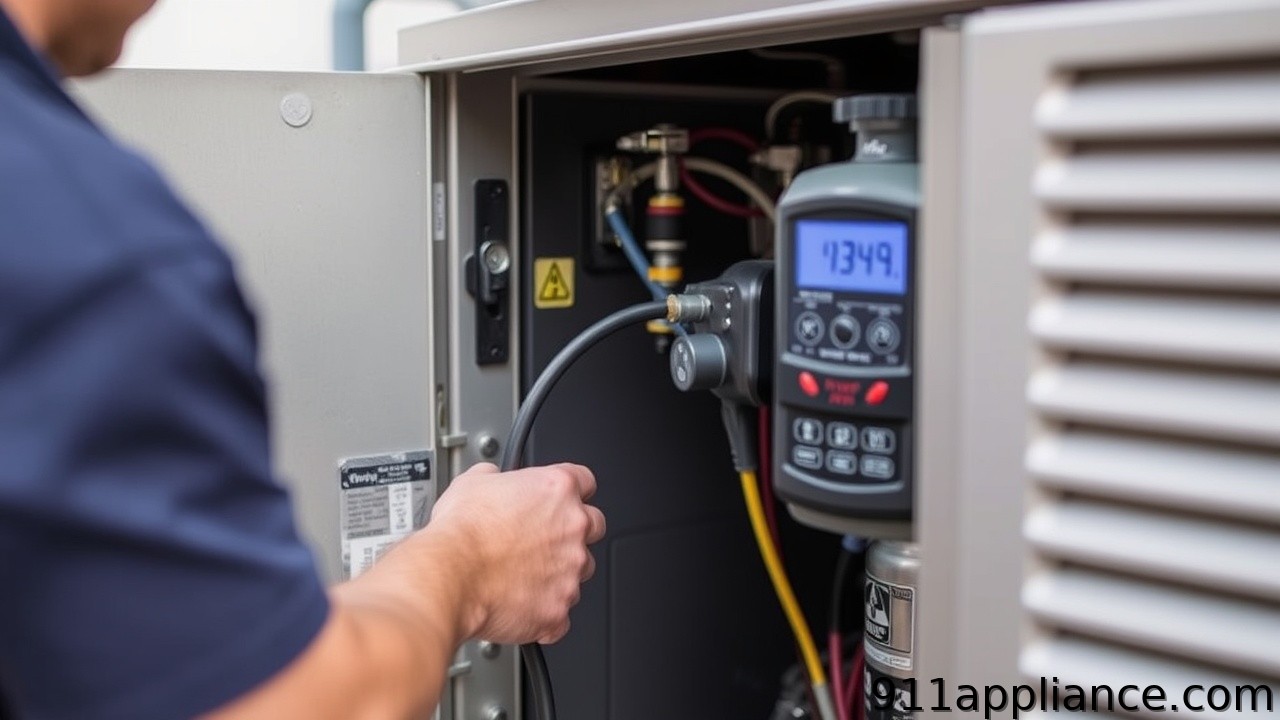
Try these fast checks before you dive into repairs:
- Confirm power: check the breaker, switch, and any wall heater disconnect.
- Set the thermostat above room temperature and verify it’s on “Heat.”
- Electric units: listen for the fan or element warming; if the unit is hot but no airflow, look for blocked grilles.
- Gas units: make sure the gas valve is on. If the pilot won’t stay lit, stop and call a pro.
- Clear obstructions: vacuum dust from grilles and surrounding areas; keep furniture and curtains away from the unit.
- If a burning or gas smell is present, turn the unit off, ventilate, and seek professional help immediately.
Safety First
Turn off power at the breaker before opening any wall heater. Allow hot parts to cool. Work in a clear, well‑ventilated area. For gas units, shut off the gas supply before servicing, and never attempt combustion or venting repairs without proper training.
California homes with fossil‑fuel‑burning appliances (including gas wall heaters) or attached garages are required to have carbon monoxide (CO) alarms. Install and maintain CO alarms per the State Fire Marshal guidance—generally outside sleeping areas and on each level—and test them regularly. This is especially important in multifamily San Diego residences where units share walls and vent paths.
Key Takeaways
- Wall heaters require regular cleaning and timely repairs to stay efficient and safe.
- Common issues include thermostat faults, blocked grilles or dirty blower wheels, and pilot/thermocouple/thermopile problems on gas units.
- Use proper tools, follow safety steps, and consult the manual for model‑specific components.
- Upgrades like compatible thermostats can help, but some projects are best left to pros.
- Routine cleaning and annual inspections extend service life and improve comfort.
Common Wall Heater Issues and Causes
As with any appliance, wall heaters can develop performance issues. If heating feels weak, start with the basics: confirm power, settings, and that grilles aren’t blocked by dust or furniture. Many wall heaters do not use replaceable air filters, so focus on clearing intake/exhaust grilles and cleaning the blower wheel or internal dust where accessible.
Unusual noises—rattling, buzzing, or hissing—often point to loose fasteners, a dirty or failing fan motor, or air in hydronic systems. For gas wall furnaces, repeated pilot outages or a burner that won’t stay lit can indicate a weak thermocouple/thermopile, a dirty pilot assembly, or venting issues that require professional attention.
Tools and Materials Needed for Wall Heater Repair
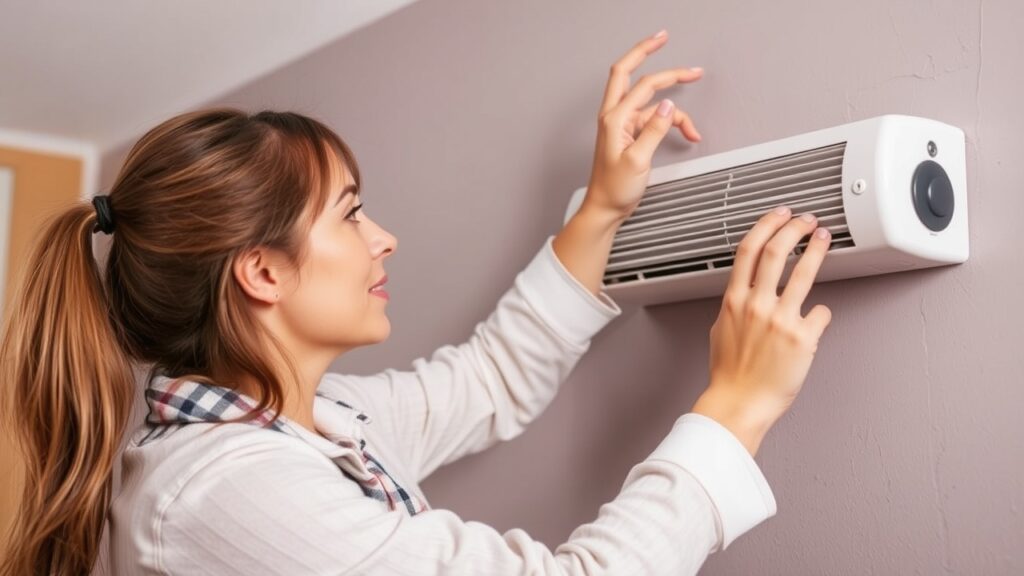
Basic tools: screwdrivers, needle‑nose pliers, vacuum with brush attachment, and a multimeter for electrical testing. Depending on the issue, you may need a compatible thermostat, high‑limit switch, fan motor, heating element, thermocouple/thermopile, or gaskets per your model’s manual. Wear gloves and safety glasses when working around sheet metal and energized parts.
Safety Precautions for Working with Wall Heaters
Always shut off power at the breaker before removing covers, and verify with a non‑contact tester. Let hot surfaces cool to avoid burns. Keep the work area clear, and ensure adequate ventilation.
For gas appliances: check for gas odors. If you smell gas, do not relight or operate the unit—leave the area and contact your gas utility or a licensed technician.
California requires CO alarms in homes with fossil‑fuel appliances or attached garages. Place alarms outside sleeping areas and on every level, test monthly, and replace per manufacturer instructions. Before operating a heater after a fault, search the CPSC recall database for your brand and model and follow any manufacturer remedies if a recall applies.
How to Troubleshoot Wall Heater Problems
| Repair Task | Common Issues | Tools Needed | Estimated Time | Difficulty Level | Safety Tips |
|---|---|---|---|---|---|
| Thermostat Replacement | Inaccurate temperature control, heater not turning on | Screwdriver, multimeter, replacement thermostat | 30-45 minutes | Medium | Turn off power before starting, verify wiring |
| Cleaning Heater Elements | Dust buildup causing poor heating performance | Vacuum cleaner, soft brush, screwdriver | 20-30 minutes | Easy | Ensure heater is cool and power is off |
| Replacing Heating Element | Heater not producing heat, element burnt out | Screwdriver, replacement heating element, multimeter | 45-60 minutes | Hard | Disconnect power, handle element carefully |
| Fixing Fan Motor | Fan not running, unusual noises | Screwdriver, multimeter, replacement motor (if needed) | 60-90 minutes | Hard | Power off, check wiring and motor condition |
| Checking Electrical Connections | Intermittent operation, sparks, or no power | Multimeter, screwdriver | 15-30 minutes | Medium | Turn off power, verify all connections are tight |
Start with power and settings, then inspect for loose wires, scorched components, or blocked airflow. Many units have internal overheat protection; if the high‑limit trips repeatedly, clean dust from grilles and the blower wheel and investigate airflow or control issues. For gas units, repeated pilot failure or sooting are red flags—stop and call a licensed technician.
Troubleshooting by Heater Type
Electric Wall Heaters
- Common symptoms: Not turning on, trips breaker, warm but poor airflow, hot smell on first use of season.
- Try this: Verify breaker and wall switch, remove front grille and vacuum dust, check for a tripped manual reset high‑limit behind the grille, ensure the fan spins freely.
- Stop here and call a pro: Repeated breaker trips, scorched wiring, motor not starting with power applied, or element damage.
Gas Wall Furnaces/Wall Heaters
- Common symptoms: Pilot won’t stay lit, burner cycles off quickly, room never reaches setpoint, unusual odors.
- Try this: Confirm gas valve is on, gently clean around the pilot assembly area (nozzle and thermocouple/thermopile area), ensure return/supply grilles are clear.
- Stop here and call a pro: Any gas smell, repeated pilot outage, sooting, flame rollout, or venting concerns. Combustion and vent repairs require a licensed technician.
Hydronic Panel Heaters
- Common symptoms: Gurgling noises, cold spots, slow warmup.
- Try this: Bleed air per manufacturer instructions, clear panels and grilles, verify compatible thermostat and circulation.
- Stop here and call a pro: Persistent air or leaks, failed pump, or control valve issues.
Step-by-Step Guide to Repairing a Wall Heater
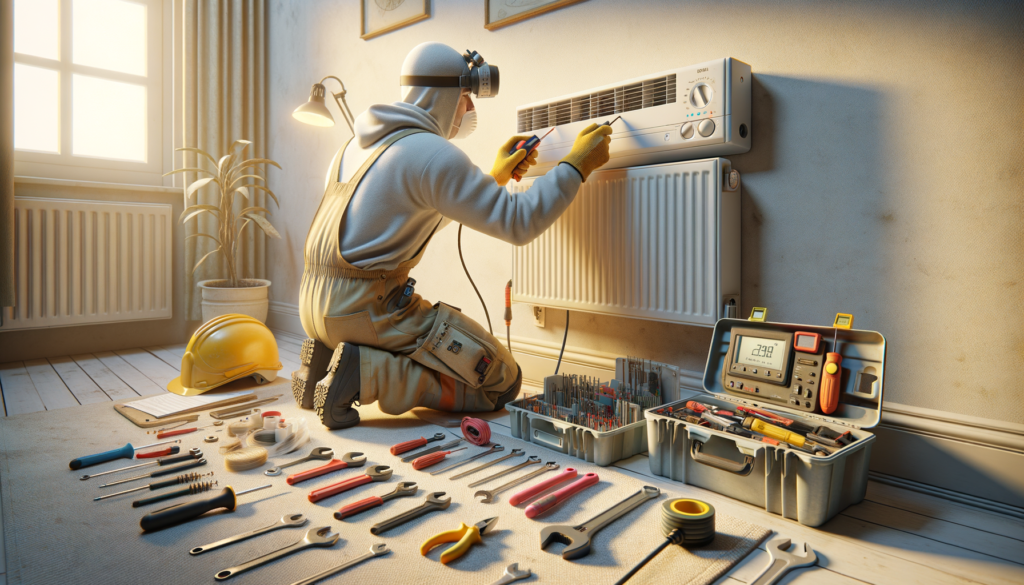
After shutting off power at the breaker, remove the front cover to access internal components. For electric units, inspect the element, high‑limit, and fan wiring; replace failed parts with model‑specific components and resecure all connections. For gas wall furnaces, homeowner steps should be limited to exterior cleaning and filter‑less airflow checks—leave pilot, gas valve, venting, and combustion adjustments to a licensed technician. Reassemble, restore power, and monitor for normal noise and cycling.
Cleaning and Maintaining Wall Heaters
Regular cleaning is essential. Dust builds up on grilles and blower wheels, reducing airflow and tripping high‑limits. Turn off power, remove the grille, and vacuum with a soft brush. Many wall heaters do not use traditional replaceable filters—check your manual to confirm. Schedule an annual inspection before the cool season for electrical checks, safety devices, and combustion testing on gas units.
Upgrading and Replacing Wall Heater Parts
Targeted upgrades can improve comfort and control. Replacing a worn fan or adding a compatible thermostat can enhance performance. For parts, always match the make/model and follow the manual. Consider availability—older series may have discontinued components, which can drive a repair‑versus‑replace decision.
Thermostat compatibility: Identify control type before upgrading. Many gas wall heaters use 24V or millivolt controls, while electric wall heaters are often line‑voltage (120/240V). Many smart thermostats require a C‑wire or an approved adapter—choose a thermostat designed for your control type to avoid damage or unsafe operation.
Efficiency context: Direct heating equipment such as wall furnaces follow federal efficiency standards that have remained largely unchanged since 2013. Recent national efficiency changes primarily affect central furnaces, not most wall heaters.
California Homeowner Update
The 2025 California Building Energy Efficiency Standards apply to projects permitted in 2026. If you replace a space heater, check San Diego permitting requirements and any ventilation/indoor air quality provisions that may affect equipment selection, especially when considering heat pump alternatives.
Repair vs. Call a Pro
- DIY‑friendly: Reset tripped high‑limit (electric), clean dust and grilles, replace accessible fan motors or elements (electric) if you’re comfortable with wiring.
- Call a pro: Gas leaks or smells, pilot won’t stay lit, repeated high‑limit trips after cleaning, breaker trips, scorched wires, venting issues, or any combustion adjustments.
- Emergency service: Gas odor, CO alarm activation, visible flame rollout, or soot accumulation.
Tips for Extending the Lifespan of Wall Heaters
Clean grilles and internal dust each season, keep furniture clear for airflow, and use setback schedules to reduce runtime. Verify CO alarms in homes with gas appliances, and add surge protection for electric units in older buildings. An annual check helps catch worn motors, weak thermocouples/thermopiles, and loose connections early.
Final Thoughts: Keeping Your Wall Heaters in Top Condition
Understanding your specific heater type and following model‑aware steps keeps repairs safe and effective. With routine cleaning, compatibility‑checked upgrades, and attention to California safety and permitting requirements, you can enjoy reliable room comfort across San Diego’s cooler months.
If you’re looking to enhance your home maintenance skills, you might find our article on 5 Common Oven Problems and How to Repair Them: A Guide to DIY Oven Repair particularly useful. This guide complements “A Guide to Repairing Wall Heaters” by providing insights into troubleshooting and fixing common issues with household appliances, ensuring your home remains comfortable and functional.
FAQs
What are common issues with wall heaters?
Thermostat faults, blocked grilles or dirty blower wheels, worn fan motors, tripped high‑limit switches on electric units, and pilot/thermocouple/thermopile issues on gas wall heaters are typical problems.
How often should wall heaters be serviced?
Schedule maintenance at least once a year before the heating season. Electric units benefit from cleaning and electrical checks; gas units also need combustion and safety testing by a qualified technician.
Can I repair a wall heater myself?
Homeowners can handle basic cleaning, grille and dust removal, and some electric repairs if comfortable with wiring. Gas-related issues (pilot, gas valve, venting, combustion) should be handled by a licensed professional.
What tools are needed to repair a wall heater?
A screwdriver set, multimeter, vacuum with brush, and needle‑nose pliers cover most basics. Specific tasks may require a replacement high‑limit, element, motor, or a compatible thermostat depending on your model.
How do I know if my wall heater needs repair or replacement?
Frequent breakdowns, unavailable parts, persistent safety shutoffs, or uneven heating after cleaning suggest replacement may be more cost‑effective than further repairs.
Is it safe to use a wall heater with a damaged thermostat?
No. A faulty thermostat can cause overheating or short cycling. Replace it with a compatible unit and verify wiring before use.
What maintenance can prevent wall heater problems?
Seasonal dust removal from grilles and blower wheels, checking electrical connections, verifying safety devices, and ensuring proper combustion/venting on gas units help prevent most issues.
Are there different types of wall heaters that require different repair methods?
Yes. Electric, gas, and hydronic units have different components and safety considerations. Follow the manufacturer’s procedures for your specific heater type.
How do I reset a wall heater?
If an electric wall heater trips its high‑limit, look for a manual reset button behind the front grille. Gas wall heaters may use internal safety switches. Locations vary—check the manufacturer’s manual for your model.
When should I call a professional for wall heater repair?
Call a pro for gas odors, recurring pilot failures, breaker trips, repeated high‑limit trips after cleaning, wiring damage, sooting, or any venting/combustion concerns.
Do California homes need CO alarms with wall heaters?
Yes—if the home has fossil‑fuel appliances or an attached garage. Install CO alarms outside sleeping areas and on each level, test monthly, and replace per the manufacturer’s schedule.