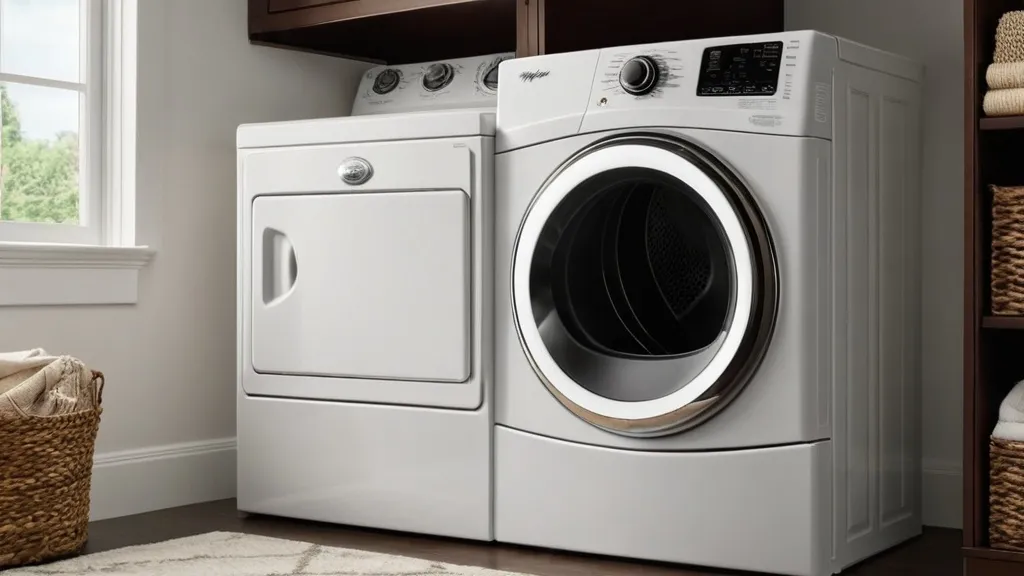
Regular maintenance of your appliances is essential for extending their lifespan and maintaining optimal performance. Like all mechanical systems, appliances need consistent care and attention to operate efficiently. Performing routine inspections and maintenance prevents small problems from developing into significant issues that require expensive repairs or complete replacement.
Table of Contents
- San Diego Service at a Glance
- Quick‑Action Checklist (Before You Book)
- Key Takeaways
- Signs Your Appliances Need Repair
- Benefits of Hiring Professional Appliance Repair Services
- Common Appliance Problems and Solutions
- Refrigerator not cooling well
- Washer odors or mildew (especially front‑load)
- Dishwasher not draining
- How to Choose the Right Appliance Repair Company
- The Process of Appliance Repair
- Tips for Extending the Lifespan of Your Appliances
- Repair or Replace? Smart Guidelines
- Upgrading Your Appliances for Energy Efficiency
- Local Rebates and Incentives (San Diego)
- Understanding Warranty and Insurance Coverage for Appliance Repair
- DIY vs Professional Appliance Repair: Which is Right for You?
- The Impact of Appliance Repair on Your Home’s Value
- FAQs
- What types of appliances can professional repair services fix?
- How do I know if my appliance needs professional repair?
- Are professional appliance repairs cost‑effective compared to replacement?
- How long does a typical appliance repair take?
- Do professional appliance repair services offer warranties on their work?
- Can regular maintenance prevent appliance breakdowns?
- How do I choose a reliable appliance repair service?
- Is it safe to attempt appliance repairs myself?
- Do I need a licensed contractor for appliance repair in California?
- What is California’s Right to Repair (SB 244) and how does it affect appliances?
- When do new federal efficiency standards take effect?
- My refrigerator uses R‑600a. Does that change anything?
This preventative approach reduces costs over time while improving home safety and comfort. Regular maintenance also enhances the energy efficiency of your appliances. Well-maintained appliances operate more effectively and consume less electricity, which can lower utility bills. For example, a refrigerator with clean condenser coils and a properly functioning compressor uses less energy than a neglected unit. By maintaining your appliances, you extend their operational life and reduce overall energy consumption.
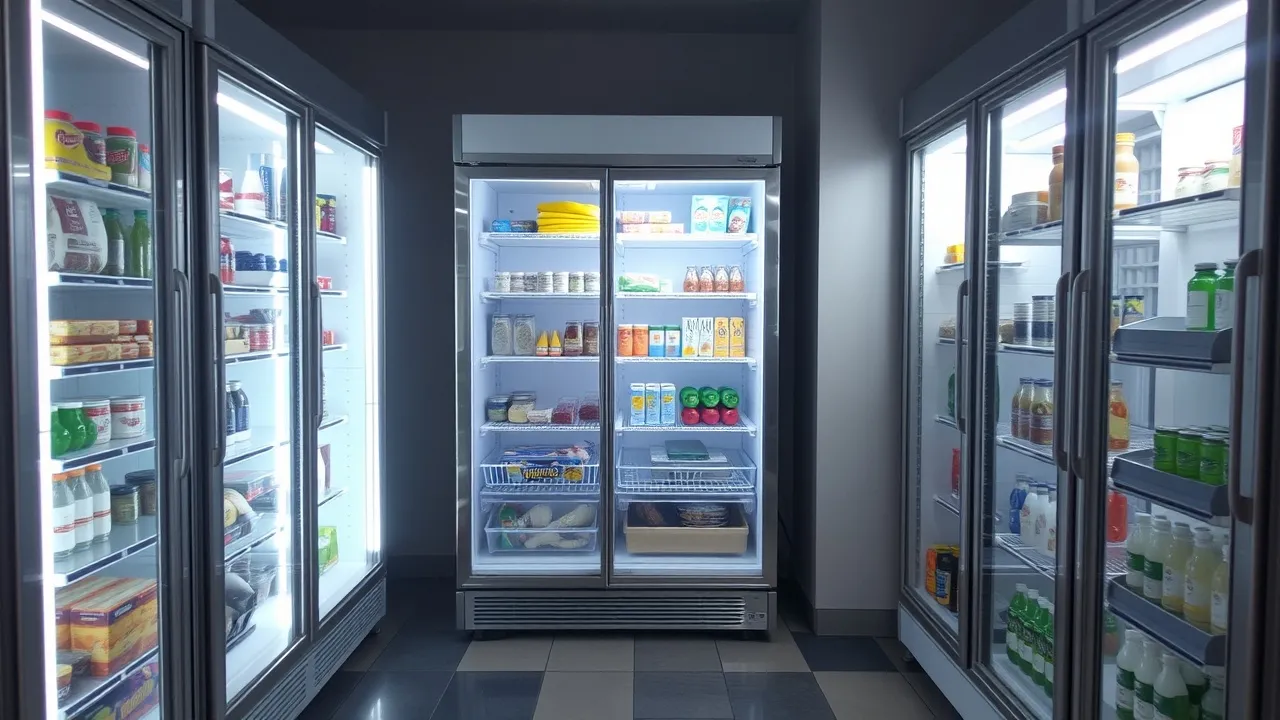
San Diego Service at a Glance
Looking for fast local help? Here’s how we serve San Diego County homeowners and property managers.
- Service areas: San Diego, La Jolla, Pacific Beach, Clairemont, North Park, Hillcrest, Mission Valley, Mira Mesa, Scripps Ranch, Rancho Bernardo, Poway, Chula Vista, National City, Coronado, La Mesa, El Cajon, Encinitas, and nearby communities.
- Scheduling: Same‑day and next‑day appointment windows are available; emergency slots are limited.
- Brands: We service major brands including Whirlpool, Maytag, KitchenAid, GE, LG, Samsung, Frigidaire, Bosch, and more.
- Credentials: CSLB‑licensed and insured technicians with background checks.
- Upfront pricing: A clear diagnostic visit fee that’s applied toward the repair when approved.
- Warranty: 90‑day parts and labor warranty on completed repairs; details provided on your work order.
Quick‑Action Checklist (Before You Book)
- Safety first: If you see sparks, smell gas, or there’s active leaking, unplug the unit and shut off water where applicable.
- Basic checks: Confirm the breaker/GFCI, ensure doors close and seal, clean accessible filters (dryer lint screen, dishwasher filter), and verify settings.
- Stop DIY when: There’s burning odor, repeated tripping breakers, error codes you can’t clear, or sealed‑system and gas work are suspected.
- Have details ready: Model and serial number, a description of symptoms, and photos of any error codes help us bring the right parts.
Key Takeaways
- Regular maintenance helps prevent appliance breakdowns and extends their lifespan.
- Recognizing early signs of appliance issues can save time and repair costs.
- Professional repair services offer expertise, safety, and reliable solutions.
- Choosing the right repair company involves checking credentials, reviews, and service guarantees.
- Upgrading to energy‑efficient appliances can reduce utility bills and increase home value.
Signs Your Appliances Need Repair
Being aware of the signs that indicate your appliances may need repair is essential for maintaining a functional home.
One of the most common indicators is unusual noises.
If you notice your washing machine making grinding or banging sounds, or your refrigerator humming louder than usual, it could be a sign that something is amiss. Ignoring these sounds can lead to more significant issues down the line, so it’s wise to investigate further. Another telltale sign is inconsistent performance. If your oven takes longer to heat up or your dishwasher leaves dishes dirty despite running a full cycle, these are clear signals that repairs may be necessary. Additionally, if you observe leaks or pooling water around your appliances, it’s crucial to address these issues promptly to avoid water damage and mold.
Many newer refrigerators use isobutane (R‑600a) as a refrigerant. Because it is flammable and subject to specific recovery and handling rules, sealed‑system repairs should only be performed by certified technicians with proper equipment.
Benefits of Hiring Professional Appliance Repair Services
When it comes to appliance repair, hiring a professional service can offer numerous advantages that DIY attempts may not provide. Professionals possess the expertise and experience needed to diagnose and fix issues accurately across brands and models. This expertise saves you time and minimizes the risk of further damage. Professional repair services often include warranties on parts and labor, so if the same issue reappears shortly after the repair, you’re covered. Technicians also carry specialized tools and genuine or high‑quality replacement parts to restore your appliances to optimal condition. For sealed‑system work on modern refrigerators using R‑600a, professional handling is essential for safety and compliance.
Common Appliance Problems and Solutions
Appliances can encounter a variety of issues over time, but many have straightforward maintenance fixes.
Refrigerator not cooling well
- Verify temperature settings and ensure adequate airflow around the unit.
- Clean condenser coils and check door gaskets for gaps or damage.
- Listen for compressor and fan operation; unusual clicking or constant running may need a pro.
Washer odors or mildew (especially front‑load)
- Wipe the door boot, leave the door ajar after cycles, and run a monthly hot cleaning cycle with a washer cleaner.
- Clean the pump filter (if accessible) and avoid over‑detergenting.
Dishwasher not draining
- Check for a clogged filter and ensure the drain hose isn’t kinked.
- Inspect the garbage disposal knockout plug if recently installed.
Modern features can help with diagnostics: many Wi‑Fi‑enabled models surface error codes in their apps, and inverter compressors may sound different from older units—some variation is normal. If in doubt, stop and schedule service.
How to Choose the Right Appliance Repair Company
| Service Type | Average Repair Time | Common Issues Addressed | Notes | Warranty Period |
|---|---|---|---|---|
| Refrigerator Repair | 2–4 hours | Cooling problems, leaks, compressor issues | Time varies by diagnosis and parts availability | 90 days |
| Washing Machine Repair | 1–3 hours | Drum not spinning, water leakage, drainage issues | Time varies by diagnosis and parts availability | 90 days |
| Oven Repair | 2–5 hours | Heating element failure, temperature inconsistency | Time varies by diagnosis and parts availability | 90 days |
| Dishwasher Repair | 1–3 hours | Water not draining, poor cleaning, door latch issues | Time varies by diagnosis and parts availability | 90 days |
| Dryer Repair | 1–3 hours | Not heating, drum not turning, sensor problems | Time varies by diagnosis and parts availability | 90 days |
Selecting the right appliance repair company is essential for quality and peace of mind. Research local companies and reviews, and ask about licenses, insurance, and warranty terms. In California, verify your technician through the Contractors State License Board (CSLB). As of January 1, 2025, the minor‑work exemption increased to $1,000 when no permit is required and no employees are used; beyond that, a licensed contractor is required.
California’s Right to Repair law (SB 244) improves parts and documentation availability. For many appliances priced at $100 or more, manufacturers must provide parts, tools, and repair information for seven years after the model’s last manufacture date (three years for $50–$99.99). This can shorten repair timelines and reduce costs.
The Process of Appliance Repair
Understanding the appliance repair process helps you feel prepared. It starts with a technician assessment and any needed diagnostic tests. You’ll receive an estimate for cost and timing. With your approval, the tech completes the repair using quality parts and then tests the appliance before leaving. You’ll also get tips to prevent repeat issues and details on your warranty.
Tips for Extending the Lifespan of Your Appliances
Clean key components regularly (coils, filters, gaskets), avoid overloading, and follow manufacturer usage guidelines. These simple steps improve efficiency and reduce breakdowns.
Repair or Replace? Smart Guidelines
- Use the 50% rule: if the repair costs more than half the price of a comparable new unit and the appliance is past mid‑life, consider replacement.
- Typical lifespans: refrigerators 10–15 years; washers 8–12; dryers 10–13; dishwashers 8–12; ovens/ranges 13–20.
- Parts access: California’s SB 244 improves access to parts and documentation, which can make repairs more viable on newer models.
Upgrading Your Appliances for Energy Efficiency
Modern appliances can significantly cut energy and water use while maintaining high performance. New federal efficiency standards phase in over the next few years: dishwashers in 2027; clothes washers and dryers on March 1, 2028; and miscellaneous refrigeration products (such as wine coolers) on January 31, 2029. Final standards for refrigerators and freezers are included in the same joint recommendation set, with compliance following in the same window. Choosing models aligned with these standards can reduce utility use versus older units.
Current ENERGY STAR specifications include Dishwashers v7.0, Clothes Washers v8.1, and Residential Refrigerators/Freezers v5.1. Look for connected features that help you monitor usage and catch issues early.
Local Rebates and Incentives (San Diego)
Before you buy, check current SDG&E programs for potential savings on efficient appliances and home energy upgrades. Availability and amounts change, so review the latest offers when you’re ready to upgrade.
Understanding Warranty and Insurance Coverage for Appliance Repair
Most manufacturer warranties cover specific defects for a defined period. Keep your proof of purchase and register products when possible. Standard homeowners insurance generally excludes mechanical or electrical breakdown. Some insurers offer an optional Equipment Breakdown endorsement that may cover certain failures (like power surges), but wear‑and‑tear is typically excluded. Review your policy or ask your agent for details.
DIY vs Professional Appliance Repair: Which is Right for You?
Simple tasks like clearing a drain filter or replacing a door gasket can be DIY if you’re comfortable and have the right tools. For gas connections, sealed‑system refrigeration, electrical faults, or when you’re unsure, hire a pro for safety and to protect your warranty.
The Impact of Appliance Repair on Your Home’s Value
Well‑maintained appliances boost everyday comfort and can make a strong impression if you plan to sell. Energy‑efficient models and documented professional repairs signal lower ongoing costs for buyers.
If you’re looking to enhance your home with professional appliance repair services, it’s essential to understand common issues that can arise with your appliances. For instance, if you’re experiencing frost buildup in your refrigerator, you might find it helpful to read our article on frost buildup troubleshooting and solutions. This resource provides valuable insights into diagnosing and resolving this common problem, ensuring your appliances run efficiently and effectively.
FAQs
What types of appliances can professional repair services fix?
Professional appliance repair services typically handle a wide range of household appliances, including refrigerators, ovens, dishwashers, washing machines, dryers, microwaves, and more.
How do I know if my appliance needs professional repair?
Signs that an appliance may need professional repair include unusual noises, inconsistent performance, failure to start, leaks, error codes, or visible damage. If basic troubleshooting does not resolve the issue, contacting a professional is recommended.
Are professional appliance repairs cost‑effective compared to replacement?
In many cases, repairing an appliance is more cost‑effective than replacing it, especially if the appliance is relatively new or the repair is minor. A professional technician can assess the problem and advise whether repair or replacement is the better option.
How long does a typical appliance repair take?
The duration of an appliance repair depends on the complexity of the issue and availability of parts. Minor repairs can often be completed within a few hours, while more extensive repairs may take longer.
Do professional appliance repair services offer warranties on their work?
Many professional appliance repair services provide warranties on parts and labor, typically ranging from 30 days to a year. It is advisable to confirm warranty details before service.
Can regular maintenance prevent appliance breakdowns?
Yes, regular maintenance such as cleaning filters, checking seals, and inspecting components can help prevent breakdowns and extend the lifespan of appliances.
How do I choose a reliable appliance repair service?
Look for licensed and insured technicians with positive customer reviews, transparent pricing, and clear communication. Recommendations from friends or family can also be helpful.
Is it safe to attempt appliance repairs myself?
While some minor maintenance tasks are safe to perform, complex repairs can pose safety risks and may void warranties. It is generally safer to hire a professional for appliance repairs.
Do I need a licensed contractor for appliance repair in California?
For most work beyond small, permit‑free jobs, yes. California requires a CSLB‑licensed contractor above the minor‑work exemption. As of 2025, the exemption is $1,000 when no permit is required and no employees are used.
What is California’s Right to Repair (SB 244) and how does it affect appliances?
SB 244 requires manufacturers to provide parts, tools, and repair documentation. For appliances priced at $100 or more, support must be available for seven years after the model’s last manufacture date (three years for $50–$99.99), helping keep repairs practical.
When do new federal efficiency standards take effect?
Key timelines: dishwashers in 2027; clothes washers and dryers on March 1, 2028; and miscellaneous refrigeration products starting January 31, 2029. Upgrading with these dates in mind can improve long‑term savings.
My refrigerator uses R‑600a. Does that change anything?
R‑600a (isobutane) is common in newer fridges and is flammable. Sealed‑system work should be handled by a certified technician with proper recovery tools.