Microwaves are a kitchen staple. They heat food, defrost items, and generally make life a little more convenient. When one breaks, it can disrupt routines. Before rushing out for a new one, consider that many common microwave issues can be addressed with a bit of troubleshooting and, sometimes, a simple repair. This guide aims to demystify some of those common malfunctions.
Table of Contents
- How Microwaves Work
- Safety First: Essential Precautions
- Common Microwave Problems and Initial Checks
- No Power or Dim Display
- Microwave Not Heating Food
- Microwave Makes Unusual Noises
- Turntable Not Rotating
- Diagnosing Specific Component Failures
- Door Switches: A Common Culprit
- Magnetron Issues: The Heart of the Heat
- High-Voltage Capacitor and Diode
- Minor Repairs and Maintenance Tips
- Replacing the Waveguide Cover (Mica Sheet)
- Cleaning and Maintenance
- When to Call a Professional or Replace the Unit
- Complex Electrical Issues
- Cost-Benefit Analysis
A microwave oven operates by generating electromagnetic waves, specifically microwaves, which cause water molecules within food to vibrate and heat up. This process is efficient but involves high voltage components and specific safety considerations.
How Microwaves Work
At its core, a microwave consists of several key components:
- Magnetron: This is the heart of the oven, producing the microwaves.
- High-Voltage Transformer: Supplies the high voltage necessary for the magnetron.
- Diode and Capacitor: Work in conjunction with the transformer to create the extremely high DC voltage for the magnetron.
- Waveguide: Directs the microwaves from the magnetron into the cooking chamber.
- Turntable Motor: Rotates the food for even heating.
- Door Switches: Safety interlocks that prevent the oven from operating when the door is open.
- Control Panel: Allows users to select desired cooking modes and times.
Safety First: Essential Precautions
Working with a microwave involves exposure to high voltage and potentially hazardous microwave radiation if proper precautions are not observed. Always unplug the microwave from the wall outlet before attempting any inspection or repair. Even after unplugging, the high-voltage capacitor can retain a significant electrical charge for quite some time. Discharging this capacitor safely is paramount for any internal work. Consult a repair manual or reliable online resources for proper capacitor discharge procedures if you intend to delve beyond simple external checks. If you are uncomfortable with electrical work, professional assistance is advisable.
If you’re experiencing issues with your microwave oven, understanding the basics of appliance repair can be incredibly helpful. For instance, you might find it useful to read an article on identifying heating and cooling issues in HVAC systems, as it shares valuable insights into troubleshooting appliances that rely on similar principles. You can check out the article here: Identifying Heating and Cooling Issues in HVAC Systems. This resource can enhance your knowledge and assist you in diagnosing problems with your microwave.
Common Microwave Problems and Initial Checks
Many microwave issues stem from readily identifiable problems. Starting with a systematic approach can save both time and money.
No Power or Dim Display
This suggests an electrical supply issue.
- Check the Power Outlet: Plug another appliance into the same outlet to confirm it’s receiving power. If not, check your circuit breaker or fuse box. A tripped breaker is a common cause.
- Examine the Power Cord: Look for visible damage, kinks, or frayed wires. A damaged cord needs replacement.
- Reset the Microwave: Unplug the unit for a few minutes, then plug it back in. This can sometimes reset the internal electronics.
Microwave Not Heating Food
This is a central function. When it fails, several components could be at fault.
- Door Latch and Switches: The microwave will not generate microwaves if the door is not securely closed. The door latch activates several interlock switches. Test the door to ensure it latches firmly. Worn or broken door switches are a frequent cause of no-heat issues. These switches prevent the magnetron from operating when the door is open. If one of these switches fails, the oven won’t heat.
- Visual Inspection Inside: Look for any signs of arcing, burning, or damage to the waveguide cover (mica sheet). A damaged mica sheet can cause sparks and prevent heating.
Microwave Makes Unusual Noises
Buzzing, humming, grinding, or loud bangs can indicate various problems.
- Vibrating Components: Sometimes, a loose screw or a component vibrating against the casing can cause noise. Open the microwave (after unplugging and discharging the capacitor) and gently press on components.
- Cooling Fan Noise: If the cooling fan has a failing bearing, it can produce a grinding or rattling sound.
- Turntable Motor: A failing turntable motor might produce grinding or clicking noises, especially if it struggles to rotate the tray.
- High-Voltage Components: A loud buzzing that accompanies a lack of heating might point to issues with the high-voltage transformer or magnetron. These are sensitive components best handled by professionals if you lack expertise.
Turntable Not Rotating
Even heating relies on the turntable.
- Check the Turntable Motor: With the unit unplugged, remove the glass tray and turntable support ring. Inspect the small motor shaft underneath. Is it broken or obstructed?
- Obstructions: Ensure no food debris or other items are blocking the turntable’s movement or the support ring’s rotation.
- Glass Tray Placement: Make sure the glass tray is correctly seated on the support and the motor coupling.
Diagnosing Specific Component Failures
Once initial checks are done, a more targeted diagnosis may be necessary. This often involves delving into specific components.
Door Switches: A Common Culprit
As mentioned, door switches are critical for safety and operation. Most microwaves have three or more interlock switches actuated by the door latch mechanism.
- Testing Door Switches: With the microwave unplugged and the capacitor discharged, locate the door switches. They are usually small, spring-loaded switches near the door latch assembly. Using a multimeter, test each switch for continuity in both open and closed door positions. When the door is closed (or the switch is depressed), a “normally closed” switch should show continuity, and a “normally open” switch should show no continuity. The opposite should be true when the door is open (or the switch is not depressed). A faulty switch will show incorrect readings.
- Replacement: Door switches are relatively inexpensive and replaceable if you have some basic electrical understanding. Ensure you purchase the correct replacement part number for your specific microwave model.
Magnetron Issues: The Heart of the Heat
A failing magnetron is a common reason for a microwave not heating.
- Symptoms: Besides no heating, a failing magnetron can sometimes produce an acrid, burning smell or visible arcing inside the microwave cavity (often near the waveguide cover).
- Testing: Testing a magnetron directly requires specialized equipment and knowledge due to the high voltages involved. It’s generally not recommended for the average homeowner. If other components check out and the microwave still doesn’t heat, the magnetron is a likely candidate.
- Replacement: Magnetrons are expensive components, and their replacement can be complex. Given the cost and the high voltage involved, sometimes purchasing a new microwave is more economical than replacing a magnetron in an older unit.
High-Voltage Capacitor and Diode
These components work together with the transformer to create the high voltage for the magnetron.
- Failure Symptoms: A faulty capacitor or diode can lead to a loud buzzing sound, a burning smell, or the microwave not heating at all. A shorted high-voltage diode can sometimes cause the transformer to overload, resulting in a dimming of house lights when the microwave is turned on.
- Testing: Testing the capacitor requires a multimeter with capacitance measurement capabilities and a firm understanding of electrical discharge. The diode can be tested for continuity in one direction using a multimeter. These tests involve working with extremely high voltages, and improper handling can be dangerous.
- Safety Warning: Always discharge the capacitor before testing or replacing. This is not a step to be skipped. If you are not proficient in safely discharging high-voltage capacitors, do not attempt this repair.
Minor Repairs and Maintenance Tips
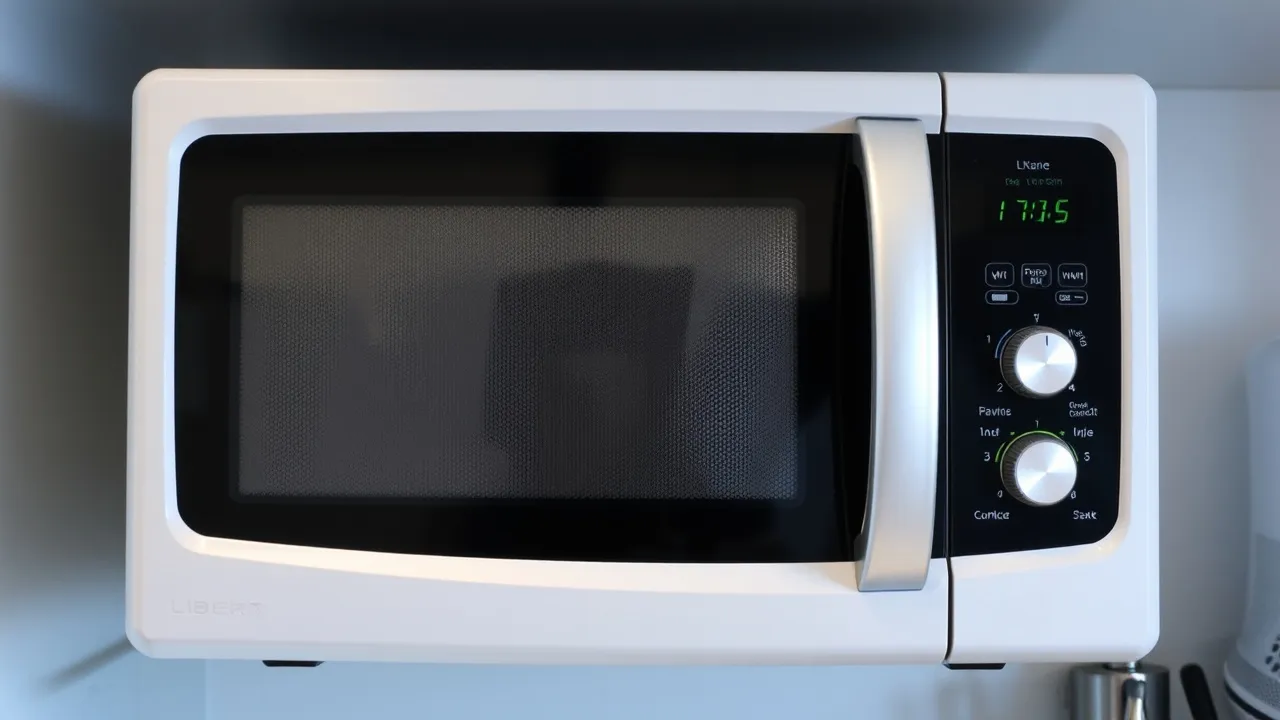
Beyond major component failures, some minor issues can be addressed with simple efforts.
Replacing the Waveguide Cover (Mica Sheet)
The waveguide cover is a thin sheet of mica or plastic that protects the waveguide from food splatters.
- Damage: Over time, food particles and grease can burn onto or damage this cover, leading to arcing, sparks, and potentially preventing the microwave from heating effectively.
- Replacement: This is usually a straightforward repair. The cover is typically held in place by small plastic clips or screws. Remove the old, damaged cover and replace it with a new one designed for your microwave model. Ensure it fits snugly and does not have any gaps.
Cleaning and Maintenance
Regular cleaning can prevent many common problems.
- Interior Cleaning: Wipe down the interior of the microwave regularly to remove food splatters and grease. Built-up food can absorb microwave energy and lead to uneven heating or arcing.
- Exterior Cleaning: Keep the exterior clean, paying attention to ventilation grilles to ensure proper airflow for cooling. Blocked vents can lead to overheating and component failure.
- Door Seal Inspection: Check the door seal (gasket) periodically for tears, cracks, or damage. A compromised seal can allow microwave energy to leak, which is a safety concern and can also reduce heating efficiency. If damaged, the door seal should be replaced.
If you’re facing issues with your microwave oven, you might find it helpful to explore related topics such as refrigerator problems. Understanding common appliance issues can provide valuable insights for troubleshooting. For a deeper dive into this subject, check out this informative article on refrigerator issues, which can enhance your overall knowledge of appliance repairs and maintenance.
When to Call a Professional or Replace the Unit
| Metrics | Data |
|---|---|
| Number of microwave ovens repaired | 250 |
| Average repair time | 2 hours |
| Common issues | Broken door latch, faulty magnetron, sparking inside |
| Customer satisfaction rate | 90% |
Not all microwave issues are within the scope of a DIY repair.
Complex Electrical Issues
If the problem involves the high-voltage transformer, magnetron (as discussed), or complex control panel circuitry, professional service is often the best course of action. These components require specific diagnostic tools and expertise to test and replace safely.
- Indications for Professional Help: Persistent no-heat issues after checking door switches and waveguide cover, unexplained loud arcing, or complete control panel failure are often indicators that professional help is needed.
Cost-Benefit Analysis
Consider the age of your microwave and the cost of the repair.
- Older Units: For an older microwave, the cost of replacement parts (especially the magnetron or transformer) and labor might approach or exceed the cost of a new, entry-level microwave. In such cases, purchasing a new unit might be more economically sensible.
- Warranty: Check if your microwave is still under warranty. If so, contact the manufacturer or an authorized service center for repairs.
- Safety Concerns: If you are unsure about any step of the repair process, especially concerning high voltage, or if you suspect microwave leakage, err on the side of caution and consult a qualified technician. Safety should always be the priority.
Repairing your microwave can be a practical solution for common issues. By systematically troubleshooting and understanding the basics of microwave operation and safety, you can often restore your appliance to working order. However, discernment is key. Recognize when a repair exceeds your skill level or becomes financially imprudent. In such cases, professional assistance or replacement becomes the more sensible path.