Your washer and dryer are foundational to the smooth operation of your household. When these essential appliances malfunction, the disruption is immediate and often inconvenient. Piles of laundry accumulate, and trips to laundromats become a recurring necessity, costing both time and money. The search for “quick and easy washer dryer repair near me” is not merely about convenience; it’s about restoring a critical household function with minimal interruption to your daily life.
Table of Contents
- Understanding the Urgency
- The Financial Implications of Delay
- Identifying Reliable Local Repair Services
- Online Reviews and Reputation
- Licensing and Insurance
- Experience and Specialization
- Transparent Pricing and Warranties
- Common Washer and Dryer Malfunctions and Their Remedies
- Washer Problems
- Dryer Problems
- The Repair Process: What to Expect
- Scheduling the Appointment
- The Service Call
- Repair Execution and Testing
- Payment and Follow-up
- Preventative Maintenance: Extending Appliance Life
- Washer Maintenance
- Dryer Maintenance
- When to Consider Replacement Over Repair
- Age of the Appliance
- Cost of Repair vs. Cost of Replacement
- Energy Efficiency
- Feature Upgrades
Consider your washer and dryer as the workhorses of your utility room. When one sputters and stops, the entire stable is affected. The ability to promptly address these issues is paramount, preventing small problems from escalating into costly replacements. This guide will navigate the landscape of local repair services, offering practical advice on how to identify reliable technicians, understand common repair scenarios, and maintain your appliances to minimize future breakdowns.
Understanding the Urgency
The modern household relies heavily on working appliances. A broken washing machine means stained clothes linger, and the absence of a dryer can necessitate air-drying, which is impractical in many climates and for many fabrics. The “quick” aspect of repair becomes critical here. Delaying repair can also lead to secondary problems, such as mold growth in a malfunctioning washer or fire hazards with a faulty dryer. The “easy” component refers to the accessibility and straightforwardness of the repair process – from booking a service call to the completion of the repair itself.
The Financial Implications of Delay
Beyond the immediate inconvenience, delaying repairs can have significant financial consequences. What might be a minor component replacement today could, if neglected, lead to irreversible damage to the entire appliance, forcing a premature and expensive replacement. Think of your appliances as an integrated system; a single faulty part can stress other components, creating a domino effect of internal failures.
If you’re experiencing issues with your washer dryer and need immediate assistance, it’s essential to understand some common troubleshooting tips that can help you identify the problem before calling for repair services. For a comprehensive guide on appliance troubleshooting, you can check out this helpful article on troubleshooting tips for appliances. This resource provides valuable insights that may save you time and money, ensuring your washer dryer operates efficiently.
Identifying Reliable Local Repair Services
Finding a reputable repair service requires a systematic approach. The market is saturated with options, ranging from independent technicians to larger chain operations. Distinguishing between them can be challenging, but certain indicators can guide your selection process.
Online Reviews and Reputation
The internet serves as a vast repository of consumer experiences. Platforms like Google Reviews, Yelp, and local business directories offer insights into the track record of various repair companies. Pay attention to consistent themes in feedback – both positive and negative. Look for comments regarding punctuality, professionalism, diagnostic accuracy, and pricing transparency. A pattern of positive reviews often correlates with a reliable service provider. Conversely, recurring complaints about missed appointments, misdiagnoses, or hidden fees should raise red flags.
Consider reviewers who elaborate on their experiences, providing specific details about the repair process, the technician’s demeanor, and the final outcome. These detailed accounts are more valuable than generic five-star ratings.
Licensing and Insurance
Verify that any chosen repair service is properly licensed and insured. Licensing indicates that the business operates legally and meets specific professional standards set by local authorities. Insurance, particularly liability insurance, protects you as the homeowner in the unlikely event of damage to your property during the repair process. Requesting proof of insurance is a reasonable and prudent step before allowing technicians into your home. This acts as a safety net, ensuring you are not held responsible for unforeseen incidents.
Experience and Specialization
Inquire about the technician’s experience with your specific brand and model of washer or dryer. While many technicians possess broad knowledge, some specialize in certain manufacturers or types of appliances. A technician familiar with the intricacies of your appliance’s design is more likely to diagnose the problem accurately and perform the repair efficiently. Ask about the duration of their operation in the local area; longevity often suggests a stable and trustworthy business.
Think of your appliance as a complex machine with its own unique language. A specialized technician is akin to a fluent speaker, capable of understanding and addressing its specific nuances.
Transparent Pricing and Warranties
Before committing to a service, obtain a clear understanding of their pricing structure. Reputable companies provide upfront estimates, detailing labor costs, parts, and any service call fees. Be wary of technicians who are reluctant to provide estimates or who quote unusually low prices, which may hide additional charges later. Inquire about warranties on both parts and labor. A warranty provides reassurance that if the same issue recurs within a specified timeframe, the repair will be covered at no additional cost. This demonstrates confidence in their workmanship and the quality of their parts.
Common Washer and Dryer Malfunctions and Their Remedies
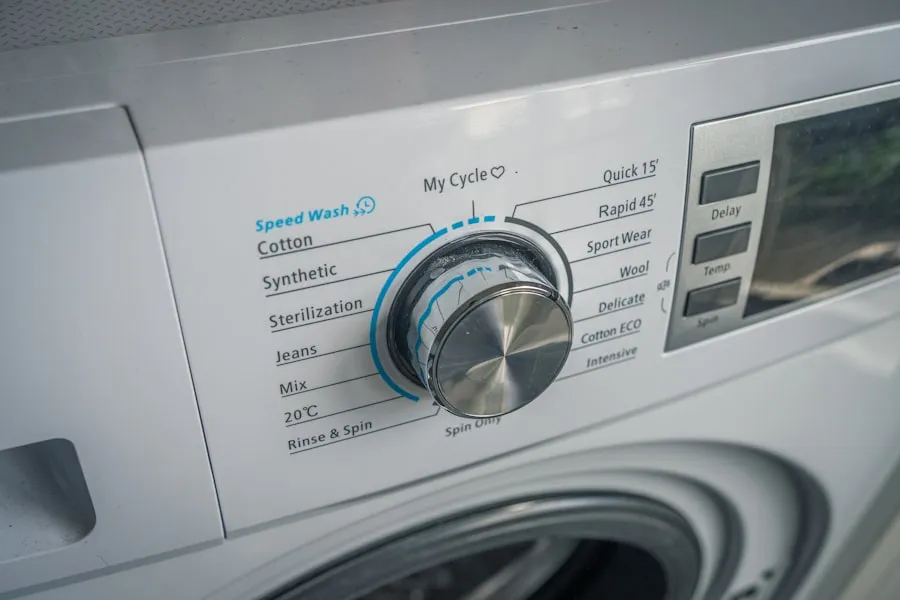
Understanding the common problems that plague washers and dryers can empower you to communicate effectively with technicians and, in some cases, even troubleshoot minor issues yourself.
Washer Problems
Washing machines, while robust, are susceptible to a range of issues.
Leaking
Leaks can stem from various sources, including loose hose connections, a cracked drain hose, a faulty water inlet valve, or a perforated tub. Identifying the source of the leak is crucial. Tightening connections and inspecting hoses are initial steps. More complex leaks typically require professional intervention to diagnose and replace faulty internal components. A slow drip, if left unaddressed, can lead to significant water damage to your flooring and subflooring, transforming a minor repair into a major renovation project.
Excessive Vibration or Noise
Unusual noises or vibrations often indicate an imbalanced load, worn-out shock absorbers, or failing drum bearings. Ensure the machine is level and try redistributing the laundry. If the problem persists, it likely points to internal component failure that necessitates a technician’s expertise. Imagine your washer as a finely tuned instrument; any discordant sounds are signals of internal stress.
Failure to Drain or Spin
A washer that won’t drain or spin can be caused by a clogged drain pump, a faulty lid switch, a broken drive belt, or issues with the motor. Check for obstructions in the drain hose. If no obvious blockage is found, the problem likely lies within the internal mechanisms, requiring professional diagnosis and repair.
Washer Not Starting
If your washer fails to start, check the power cord, circuit breaker, and door latch. A faulty timer, control board, or motor can also prevent the machine from starting. These components are complex and usually require a qualified technician for repair or replacement.
Dryer Problems
Dryers represent a significant fire hazard if neglected. Prompt attention to dryer malfunctions is essential for safety.
Dryer Not Heating
A dryer that tumbles but does not heat often points to a faulty heating element, thermal fuse, or thermostat. These components are crucial for generating the necessary heat for drying clothes. While some troubleshooting steps can be taken, replacing these parts typically requires professional knowledge and specialized tools. A non-heating dryer is a signal that a critical safety component might be compromised.
Overheating
Conversely, a dryer that overheats can indicate a clogged vent, a faulty thermostat, or a malfunctioning high-limit switch. Overheating poses a serious fire risk. Immediately discontinue use and clean the dryer vent thoroughly. If the problem persists after vent cleaning, professional inspection is mandatory. A clogged vent is like a blocked artery for your dryer, restricting airflow and causing undue strain.
Excessive Noise
Squealing, grinding, or thumping noises during operation can be attributed to worn-out drum rollers, idler pulleys, or a failing motor. These noises are indicators of friction and wear within the machine’s moving parts. Addressing these issues early can prevent more extensive damage.
Failure to Tumble
If your dryer runs but the drum doesn’t tumble, the drive belt is a likely culprit, although a faulty motor or idler pulley could also be responsible. The drive belt can snap over time, rendering the tumbling mechanism inoperative. This is a common and relatively straightforward repair for a skilled technician.
The Repair Process: What to Expect
Knowing what to anticipate during a service call can demystify the repair process and help you prepare.
Scheduling the Appointment
Most repair services offer online booking or phone scheduling. Provide a detailed description of the problem, including the appliance brand, model number, and the symptoms. This information helps the technician prepare by potentially bringing relevant parts. Be clear about your availability and any logistical constraints.
The Service Call
On the day of the appointment, ensure the area around the appliance is clear and accessible. The technician will typically perform a diagnostic assessment to identify the root cause of the malfunction. This often involves testing various components, checking electrical connections, and inspecting for wear and tear. They should explain their findings clearly and provide an estimate for the repair. Do not hesitate to ask questions about the diagnosis, the proposed solution, and the cost breakdown.
Repair Execution and Testing
Once you approve the estimate, the technician will proceed with the repair. This may involve replacing parts, adjusting components, or clearing blockages. After the repair is completed, the technician should test the appliance thoroughly to ensure it is functioning correctly. Observe the Post-repair operation and ask any remaining questions about future maintenance or preventative measures.
Payment and Follow-up
Payment is typically due upon completion of the repair. Reputable services provide an invoice detailing the services rendered and parts replaced. Inquire about the warranty for the repair and what steps to take if the problem recurs within the warranty period. Some companies follow up with customers to ensure satisfaction.
If you’re experiencing issues with your washer dryer and need assistance, you might find it helpful to read about common appliance problems and their solutions. For instance, understanding why your dishwasher isn’t cleaning dishes properly can provide insights into general appliance maintenance. You can check out this informative article on troubleshooting dishwashers for tips that might also apply to your washer dryer situation. For more details, visit this article to enhance your knowledge on appliance repairs.
Preventative Maintenance: Extending Appliance Life
| Service Provider | Average Repair Time | Customer Rating (out of 5) | Common Issues Fixed | Service Area | Contact Availability |
|---|---|---|---|---|---|
| QuickFix Appliance Repair | 2-3 hours | 4.5 | Drum not spinning, water leakage, heating issues | Within 20 miles | Mon-Sat, 8am-6pm |
| HomeCare Washer & Dryer Services | 1-2 days | 4.7 | Electrical faults, door latch problems, sensor errors | Citywide | 24/7 Emergency |
| Appliance Pros | Same day | 4.3 | Drainage issues, motor replacement, control panel repair | Within 15 miles | Mon-Fri, 9am-5pm |
| Reliable Washer Repair | 3-4 hours | 4.6 | Noise problems, belt replacement, water temperature issues | Metro area | Mon-Sun, 7am-7pm |
Many washer and dryer malfunctions can be prevented or delayed through regular maintenance. Think of maintenance as the oil in the engine of your household appliances – it keeps things running smoothly and prevents premature wear.
Washer Maintenance
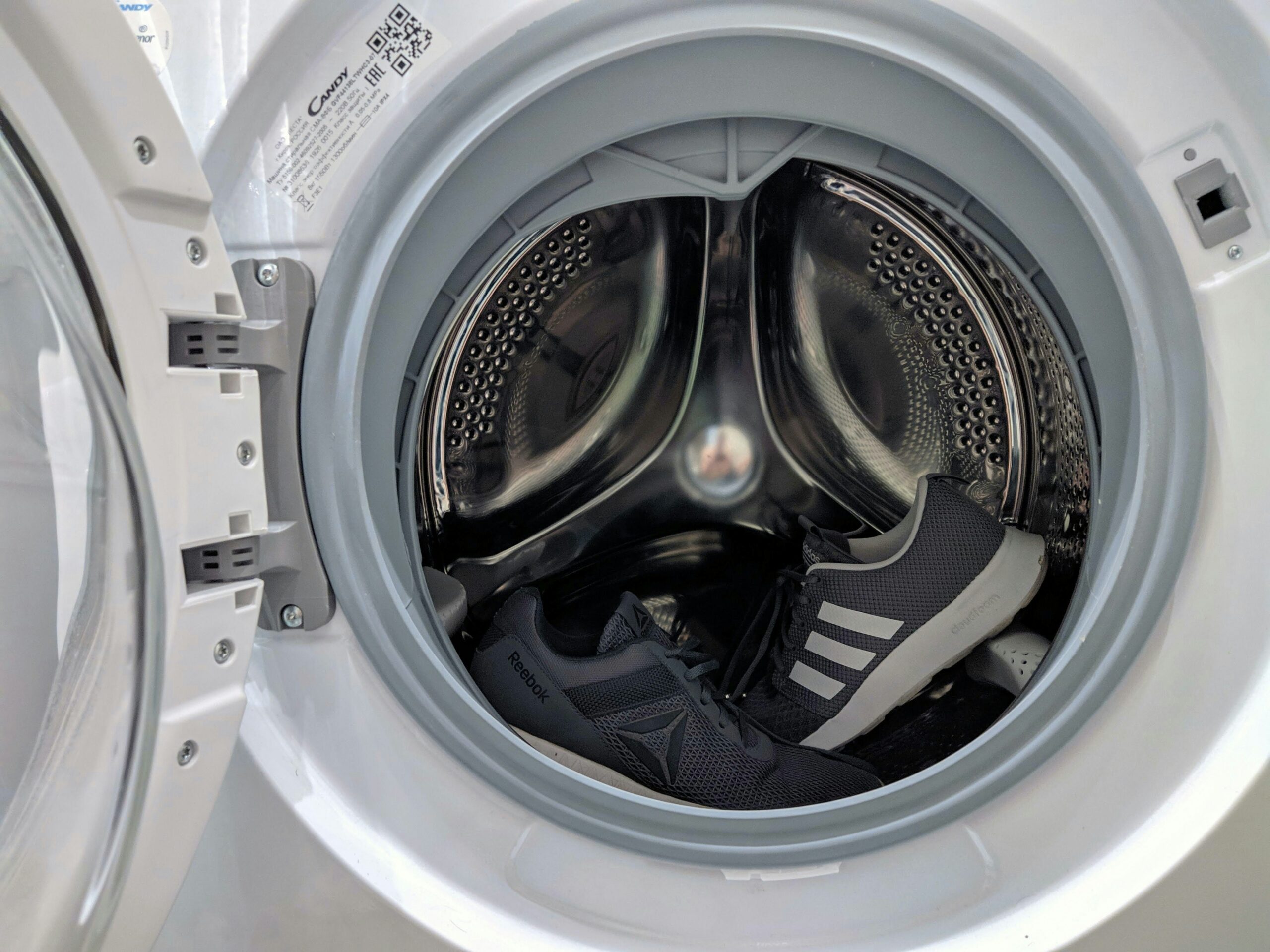
Regular cleaning and inspections can significantly prolong the life of your washing machine.
Cleaning the Drum and Dispensers
Run a hot water cycle with a specialized washer cleaner or a cup of white vinegar monthly to remove detergent residue, mold, and mildew. Clean the detergent and fabric softener dispensers regularly to prevent blockages. This not only keeps your clothes cleaner but also prevents unpleasant odors.
Checking Hoses and Connections
Periodically inspect the water inlet and drain hoses for cracks, bulges, or leaks. Tighten any loose connections. Replacing aging hoses proactively can prevent a catastrophic flood. Consider replacing rubber hoses with braided stainless steel hoses for enhanced durability.
Avoiding Overloading
Overloading your washer stresses the motor, bearings, and suspension system. Follow manufacturer guidelines for load size. An overloaded washer is like a runner carrying too much weight; it struggles, slows down, and eventually breaks down.
Dryer Maintenance
Dryer maintenance is crucial for both appliance longevity and household safety.
Cleaning the Lint Trap
Clean the lint trap after every use. This is the most critical preventative measure for dryers. A clogged lint trap restricts airflow, reduces drying efficiency, and is a leading cause of dryer fires.
Cleaning the Dryer Vent
At least once or twice a year, thoroughly clean the entire dryer vent system, from the back of the dryer to the exterior vent hood. Accumulated lint creates a significant fire hazard. Consider hiring a professional vent cleaning service for this task, especially if your vent run is long or has multiple bends.
Inspecting the Exhaust Vent Hood
Ensure the exterior vent hood is not obstructed by debris, bird nests, or landscaping. The flaps should open freely when the dryer is running. A blocked exterior vent will restrict airflow and cause the dryer to overheat.
Avoiding Overloading
Similar to washers, overloading a dryer can strain its components, particularly the motor and rollers. It also increases drying time and energy consumption.
If you’re experiencing issues with your washer dryer unit, it’s essential to understand common problems and their solutions. A helpful resource for troubleshooting is an article that covers various washer issues, from leaks to spin cycles. You can read more about these common problems and how to address them by visiting this informative guide. This information can be invaluable when considering washer dryer repair near me, as it may help you identify the issue before calling a professional.
When to Consider Replacement Over Repair
While repair is often the more economical and environmentally friendly option, there comes a point when replacement is the more prudent choice.
Age of the Appliance
The average lifespan of a well-maintained washer is around 10-13 years, and for a dryer, it’s 10-15 years. As appliances approach or exceed these lifespans, the frequency and cost of repairs tend to increase. If your appliance is significantly older and experiencing frequent breakdowns, the cost of successive repairs might quickly approach the cost of a new unit.
Cost of Repair vs. Cost of Replacement
If the estimated repair cost exceeds 50% of the price of a new comparable appliance, it’s generally more financially sound to invest in a new unit. Factor in potential future repairs for an aging appliance when making this calculation. A recurring repair for the same issue, even under warranty, can be a sign that the appliance is reaching the end of its functional life.
Energy Efficiency
Newer models of washers and dryers are significantly more energy-efficient than older ones, particularly those purchased before energy efficiency standards became widespread. The long-term savings on utility bills from a new, efficient appliance can offset a portion of the replacement cost, especially if your current unit is an energy hog.
Feature Upgrades
New appliances often come with advanced features, improved performance, and enhanced convenience that older models lack. If you’ve been considering an upgrade for features like steam cycles, smart connectivity, or larger capacity, a major breakdown might be the opportune moment to make that transition.
Ultimately, the decision to repair or replace is a balance of financial considerations, practical needs, and environmental impact. By understanding the factors involved, you can make an informed choice that best suits your household’s requirements.