Washing machines are complex appliances, and when they malfunction, it can disrupt household routines. This article provides practical troubleshooting tips and potential solutions for common issues encountered with GE washing machines, aiming to empower users to diagnose and address problems before seeking professional repair.
Table of Contents
- Power and Water Supply Verification
- Ensuring the Washing Machine is Plugged In
- Loading and Leveling Considerations
- Control Panel and Door Lock Inspection
- GE Washing Machine Not Starting: Potential Causes and Solutions
- Power-Related Obstructions
- Control Board and Door Lock Interlock
- Lid Switch or Door Latch Sensor Issues
- GE Washing Machine Not Draining or Spinning: Investigations and Remedies
- Clogged Drains and Hoses
- Drain Pump Malfunctions
- Drive Belt or Motor Coupling Issues (Older Models)
- Issues with the Spin Circuit or Lid Switch/Door Latch
- GE Washing Machine Leaking Water: Identifying the Source and Stopping the Flow
- Hose Connections
- Pump and Tub Seals
- Water Inlet Valve Malfunctions
- Door Seal (Front Loaders)
- GE Washing Machine Making Noises: Troubleshooting Unusual Sounds
- Vibration and Movement-Related Noises
- Mechanical Component Sounds
- Other Potential Noise Sources
- When to Call a Professional GE Washing Machine Repair Technician
- Complex Electronic Component Failures
- Issues Requiring Specialized Tools or Disassembly
- Safety Concerns and Electrical Hazards
Before delving into specific problems, it is prudent to perform a series of basic and often overlooked checks. These preliminary steps can resolve a surprising number of service calls and are essential for any homeowner aiming to keep their appliance in good working order. Think of these as the fundamental building blocks of a healthy washing machine.
Power and Water Supply Verification
The most straightforward cause of a non-operational appliance is a lack of power or water.
Ensuring the Washing Machine is Plugged In
Confirm that the power cord is securely inserted into a functioning electrical outlet. Check the circuit breaker or fuse box to ensure the breaker for the washing machine hasn’t tripped or a fuse hasn’t blown.
Verifying Water Inlet Valve Functionality
Ensure both hot and cold water supply valves are fully open. Inspect the hoses connecting the valves to the machine for kinks or blockages. A partially closed valve is akin to a partially clogged artery – it restricts flow.
Loading and Leveling Considerations
Improper loading and an unlevel machine can lead to a cascade of issues.
Correct Load Size and Distribution
Overloading the drum can strain the motor and suspension system, leading to inefficient cleaning and potential damage. Uneven loads can cause excessive vibration during the spin cycle. Distribute laundry evenly around the drum.
Checking for a Level Appliance
A washing machine that is not level will vibrate excessively, especially during the spin cycle. Use a spirit level to check if the machine is level. Adjust the leveling feet at the bottom of the appliance as needed. This ensures the machine operates smoothly, like a well-tuned engine.
Control Panel and Door Lock Inspection
The control panel and door lock are critical interface points for the machine’s operation.
Resetting the Control Panel
Sometimes, electronic components can experience temporary glitches. Unplugging the washing machine for a few minutes and then plugging it back in can act as a system reset.
Ensuring the Door is Properly Closed and Latching
The washing machine will not operate if the door is not securely closed and the latch mechanism is not engaged. Inspect the door latch for any debris or visible damage.
If you’re considering repairing your GE washing machine, it’s essential to also think about the environmental impact of appliance replacement. A related article that delves into this topic is available at Environmental Considerations When Replacing an Appliance. This resource provides valuable insights into the ecological implications of appliance disposal and the benefits of opting for repairs over replacements.
GE Washing Machine Not Starting: Potential Causes and Solutions
When a GE washing machine refuses to power on or begin a cycle, several factors could be at play. This section will guide you through diagnosing and rectifying these initial startup problems.
Power-Related Obstructions
Beyond a simple plug issue, other power delivery problems can occur.
Examining the Power Cord and Outlet
Inspect the power cord for any signs of fraying or damage. If the outlet is part of a multi-plug adapter, try plugging the washing machine directly into the wall to rule out adapter issues.
Troubleshooting Tripped Circuit Breakers or Blown Fuses
Locate your home’s electrical panel. Identify the breaker or fuse associated with the washing machine. If a breaker is tripped, switch it off completely before switching it back on. If it’s a fuse, replace it with one of the same amperage.
Control Board and Door Lock Interlock
The control board is the brain of the washing machine, and the door lock is a safety feature that prevents operation if the door is not secured.
Diagnosing Control Board Malfunctions
While direct repair of control boards is often complex, signs of malfunction can include the panel being entirely unresponsive or displaying error codes. If you suspect a control board issue, professional assessment is usually recommended.
Inspecting and Repairing the Door Lock Mechanism
The door lock mechanism ensures the door is securely shut before the machine can operate. If the machine does not start, and you hear no clicking from the lock area, it might be faulty. Check for obstructions and ensure the striker on the door is aligned with the lock receiver on the machine.
Lid Switch or Door Latch Sensor Issues
These components are vital safety features that prevent the machine from running with the door open.
Testing the Lid Switch (Top Loaders) or Door Latch Sensor (Front Loaders)
For top-loading machines, the lid switch detects if the lid is open. For front-loaders, the door latch sensor performs a similar function. If these sensors are faulty, the machine will not start. Testing these typically requires a multimeter and knowledge of appliance repair.
GE Washing Machine Not Draining or Spinning: Investigations and Remedies
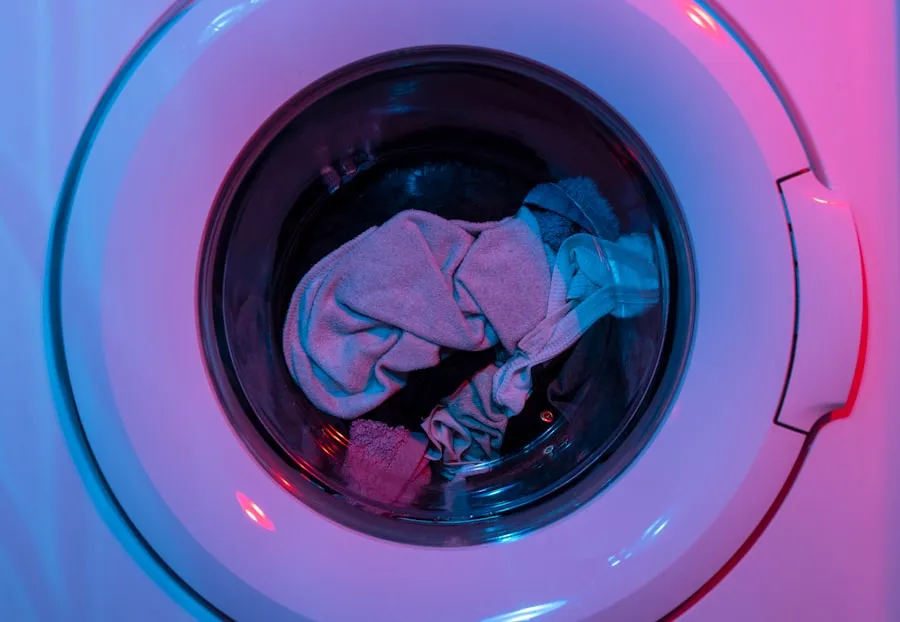
A washing machine that fails to drain or spin is a common and frustrating problem. This inability to discharge water or remove it efficiently can leave clothes soaked and the cycle incomplete.
Clogged Drains and Hoses
The most frequent culprits for draining issues are blockages within the system.
Clearing the Drain Pump Filter
Most GE washing machines have a small filter located at the front, near the bottom. This filter can become clogged with lint, coins, or other small objects. Consult your user manual for its specific location and instructions on how to safely clean it. This is like clearing a blockage in a sink drain.
Inspecting the Drain Hose for Kinks or Obstructions
The drain hose carries water away from the machine. Check that it is not kinked, twisted, or crushed. If it is a long hose, it can also become internally blocked. Disconnect it from both the machine and the standpipe or drain and attempt to look through it or flush it with water.
Drain Pump Malfunctions
The drain pump is responsible for expelling water from the drum.
Diagnosing a Faulty Drain Pump
If the drain filter is clear and the hose is unobstructed, the drain pump itself may have failed. Symptoms include the machine humming but not pumping water, or no sound at all from the pump area. Checking for power to the pump and testing its operation often requires professional diagnosis.
Drive Belt or Motor Coupling Issues (Older Models)
Older GE washing machines often utilize a drive belt to connect the motor to the drum and pump.
Checking the Drive Belt for Wear or Breakage
A worn or broken drive belt will prevent the drum from spinning and the pump from operating effectively. Accessing the drive belt usually requires removing a rear or front panel of the machine. Inspect the belt for cracks, fraying, or signs of stretching.
Identifying Problems with the Motor Coupling (Direct Drive Models)
Direct drive models do not have a belt but use a motor coupling. If this coupling breaks, it will prevent power from being transferred to the transmission and drum. Similar to the drive belt, accessing this component requires disassembly.
Issues with the Spin Circuit or Lid Switch/Door Latch
For the spin cycle specifically, certain components are critical.
Troubleshooting the Spin Circuitry
Problems within the electronic control or wiring can prevent the spin cycle from engaging. This often requires advanced diagnostic skills and multimeters.
Re-evaluating Lid Switch/Door Latch Operation
As mentioned earlier, a faulty lid switch or door latch sensor will also prevent the spin cycle from initiating, as it’s a safety mechanism.
GE Washing Machine Leaking Water: Identifying the Source and Stopping the Flow
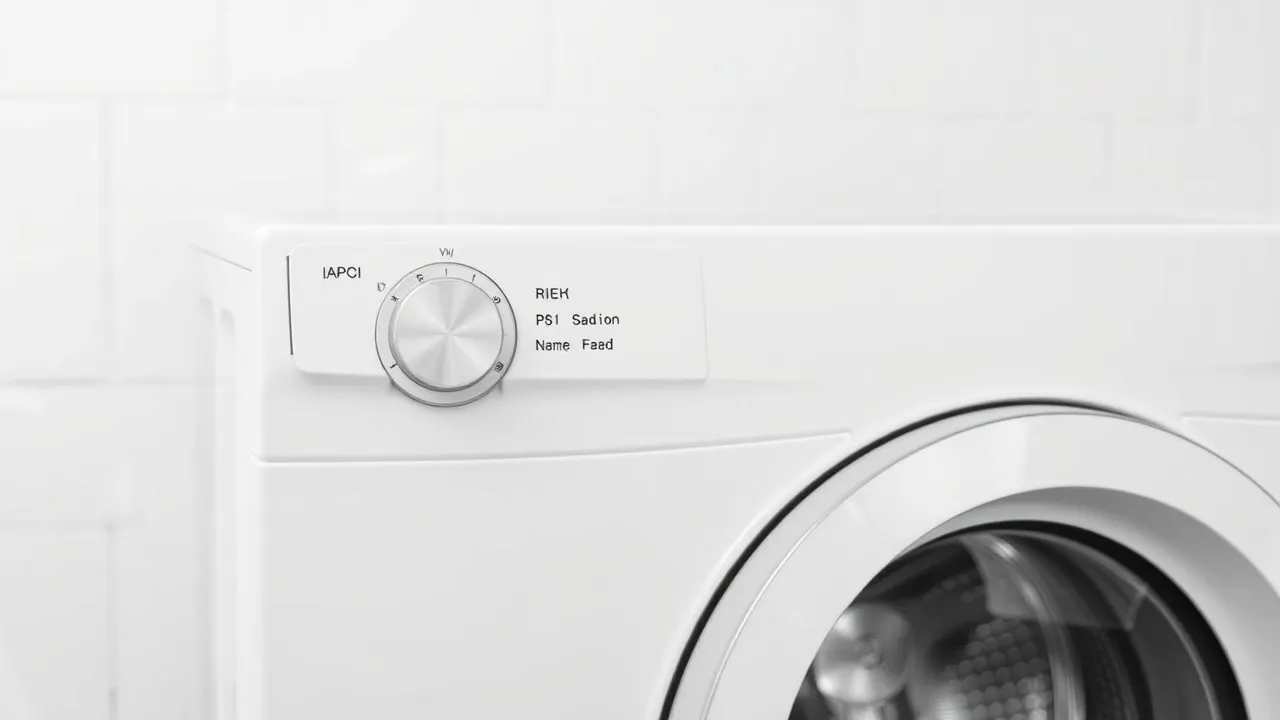
Water leaks from a washing machine can cause significant damage and require prompt attention. Pinpointing the source of the leak is the first step towards resolution.
Hose Connections
Loose or damaged hoses are a common source of leaks.
Tightening Inlet Hose Connections
Ensure the hot and cold water inlet hoses are securely attached to both the wall faucet and the washing machine. Overtightening can damage the fittings, so firm but not excessive pressure is key.
Inspecting the Drain Hose for Pinhole Leaks or Cracks
Examine the entire length of the drain hose for any signs of damage, especially where it connects to the machine and where it enters the drainpipe.
Pump and Tub Seals
Internal components like pumps and the main tub have seals that can degrade over time.
Checking the Drain Pump for Gasket or Seal Failure
If water is leaking from the area around the drain pump, the gaskets or seals on the pump assembly may be compromised.
Examining the Outer Tub Seal for Deterioration
The outer tub of the washing machine contains the water. If its seal fails, water can escape. This is a more significant repair typically requiring professional intervention.
Water Inlet Valve Malfunctions
The water inlet valve controls the flow of water into the drum.
Diagnosing a Leaking Water Inlet Valve
A faulty water inlet valve may leak even when the machine is not in use, or it may not be shutting off completely, causing an overflow. You might notice water dripping from the top of the machine during operation or when it’s off.
Door Seal (Front Loaders)
The rubber gasket around the door of a front-loading washing machine is crucial for preventing leaks.
Inspecting and Cleaning the Door Gasket
Over time, detergent residue, lint, and mold can build up on the door gasket, creating gaps that allow water to escape. Regularly clean the gasket with a damp cloth and mild detergent. Check for any tears or damage to the rubber.
If you’re experiencing issues with your GE washing machine, you might find it helpful to read about common troubleshooting tips and repair strategies. A related article that provides valuable insights on appliance repair can be found here. This resource can guide you through the process of diagnosing problems and performing repairs, ensuring your washing machine runs smoothly once again.
GE Washing Machine Making Noises: Troubleshooting Unusual Sounds
| Metric | Value | Notes |
|---|---|---|
| Average Repair Time | 2-3 hours | Typical for common issues like motor or drum problems |
| Common Issues | Drum not spinning, water not draining, error codes | Most frequent problems reported by users |
| Parts Replacement Rate | 35% | Percentage of repairs requiring part replacement |
| Average Cost of Repair | Varies by issue | Costs depend on parts and labor, varies by region |
| Warranty Coverage | 1 year standard | Manufacturer warranty on repairs and parts |
| Technician Availability | High | Many certified technicians available nationwide |
| Customer Satisfaction Rate | 85% | Based on repair service reviews |
Unfamiliar noises emanating from a washing machine can be unsettling and indicate underlying issues ranging from minor annoyances to serious mechanical problems.
Vibration and Movement-Related Noises
These sounds are often related to the machine’s movement during operation.
Re-checking Leveling and Stabilizing Feet
As mentioned previously, an unlevel machine will vibrate and rock, causing it to bang against surrounding surfaces. Ensure the leveling feet are making firm contact with the floor and are adjusted correctly.
Investigating Loose Drum Components
If you hear rattling or banging, especially during agitation or spin cycles, it could indicate loose parts within the drum or the drum support system.
Mechanical Component Sounds
Certain sounds point directly to issues with specific mechanical parts.
Diagnosing a Worn Tub Bearing
A grinding or roaring noise that increases in pitch with the spin speed can often be attributed to worn tub bearings. This is a significant repair.
Identifying Problems with the Motor or Pump
A loud humming or whining sound might indicate a problem with the motor or the drain pump. A squealing noise could suggest a belt issue or a bearing on a pulley.
Other Potential Noise Sources
Some noises may have less obvious origins.
Checking for Foreign Objects in the Drum or Pump
Small items like coins, buttons, or bra underwires can get lodged in the drum or the pump, causing rattling or scraping sounds. Run the machine empty with a drain net or check the pump filter regularly.
Inspecting Suspension Rods or Springs
The suspension system helps to dampen vibrations. If these rods or springs are damaged or worn, it can lead to increased noise and rattling.
When to Call a Professional GE Washing Machine Repair Technician
While this guide offers extensive troubleshooting steps, some issues are beyond the scope of typical DIY repair. Knowing when to seek professional help is as important as knowing how to fix a problem yourself.
Complex Electronic Component Failures
The control board and motor control unit are intricate electronic systems.
Recognizing the Limits of DIY Component Replacement
Replacing electronic boards often requires specialized tools, diagnostic software, and a thorough understanding of electrical circuits. Unless you possess this expertise, it’s advisable to let a professional handle these repairs.
Safely Diagnosing and Replacing Control Boards
Attempting to diagnose and replace control boards without proper knowledge can lead to further damage or pose electrical hazards.
Issues Requiring Specialized Tools or Disassembly
Some repairs necessitate specific tools or a deep understanding of the appliance’s inner workings.
Accessing Internal Components Safely
Disassembling a washing machine often requires specific tools for panel removal and component access. Improper disassembly can damage parts or lead to reassembly errors.
Repairing Major Mechanical Failures
Issues like a damaged transmission, cracked outer tub, or a failed motor are typically complex repairs that demand the expertise of a trained technician.
Safety Concerns and Electrical Hazards
Working with appliances involves inherent risks, especially when dealing with electricity and water.
Understanding Electrical Safety Precautions
Always unplug the washing machine before attempting any inspection or repair. If you are unsure about electrical safety, do not proceed.
Recognizing When a Repair Poses a Risk
If a repair involves significant disassembly, potential for electrical shock, or handling heavy components, it is best left to professionals who have the proper training and safety equipment.
By systematically approaching troubleshooting and understanding the limitations of DIY repairs, you can effectively manage many common GE washing machine issues, ensuring its longevity and continued efficient operation.