Appliance repair is a practical skill that can significantly reduce household expenses and downtime. Since household appliances are integral to daily life, learning basic troubleshooting and repair techniques provides homeowners with greater self-sufficiency. Common issues such as washing machine malfunctions, refrigerator cooling failures, and dishwasher performance problems can often be resolved with fundamental knowledge and a systematic approach.
Table of Contents
- Key Takeaways
- In This Guide
- Safety Precautions Before Starting
- Tools and Equipment Needed for Appliance Repair
- Should You Repair or Replace Your Appliance?
- Troubleshooting Common Appliance Problems
- An Introduction to Washing Machine Repair
- Common Problem: Leaking Water
- Common Problem: Won’t Start or Spin
- An Introduction to Refrigerator Repair
- Common Problem: Not Cooling Adequately
- An Introduction to Dishwasher Repair
- Common Problem: Dishes Not Getting Clean
- An Introduction to Stove or Oven Repair
- Common Problem: Electric Oven Not Heating
- An Introduction to Microwave Repair
- Common Problem: Turntable Not Rotating
- Tips for Preventing Future Appliance Issues
- When to Call a Professional for Appliance Repair
- FAQs
- What are the basic tools needed for DIY appliance repair?
- Is it safe to repair home appliances by yourself?
- How do I diagnose the problem with my faulty appliance?
- Can I find replacement parts for my appliance easily?
- When should I consider professional repair instead of DIY?
- Are there any warranties or guarantees when repairing appliances myself?
- How can I maintain my appliances to prevent future faults?
Many simple repairs are achievable without professional assistance when approached methodically. Successfully repairing an appliance offers both financial and personal benefits, allowing homeowners to avoid expensive service calls while developing practical competency in household maintenance.
This article provides a foundational overview of appliance repair, including critical safety protocols, essential tools, and an introduction to fixing common problems. Upon completion, you will have the knowledge necessary to diagnose many issues and perform routine maintenance on your household appliances.
Key Takeaways
- Understanding basic appliance repair can save time and money on common household issues.
- Always follow safety precautions, disconnect power, and use the right tools before attempting any repairs.
- Introductory guides for repairing major appliances like washing machines, refrigerators, and ovens can simplify the diagnostic process.
- Regular maintenance and preventive care are the best ways to avoid frequent appliance breakdowns.
- Know when a repair is too complex or dangerous and requires a professional to ensure it’s done safely and correctly.
In This Guide
- Safety Precautions Before Starting
- Tools and Equipment for Appliance Repair
- Should You Repair or Replace Your Appliance?
- Troubleshooting Common Appliance Problems
- An Introduction to Washing Machine Repair
- An Introduction to Refrigerator Repair
- An Introduction to Dishwasher Repair
- An Introduction to Stove or Oven Repair
- An Introduction to Microwave Repair
- Tips for Preventing Future Appliance Issues
- When to Call a Professional
Safety Precautions Before Starting
Before diving into any appliance repair, you must prioritize safety. Appliances are often connected to electricity, gas, or water, which can pose significant risks if not handled properly. Always start by unplugging the appliance or turning off the circuit breaker to ensure there is no power running to it.
This simple step is the most effective way to prevent electrical shocks while you work. If you’re dealing with a gas appliance, make sure to turn off the gas supply valve. Wearing appropriate safety gear is also important. [fix.com](https://www.fix.com/blog/appliance-safety-tips/) recommends work gloves to protect your hands from sharp edges, and safety goggles to shield your eyes from debris. If you’re working with heavy appliances, use proper lifting techniques or get help to avoid injury. Taking these precautions seriously creates a safer environment for your repair efforts.
Tools and Equipment Needed for Appliance Repair
Having the right tools at your disposal is essential for successful appliance repair. A basic toolkit should include screwdrivers of various sizes, pliers, a wrench set, and a multimeter for electrical testing. These tools will allow you to access different parts of the appliance and diagnose issues effectively.
Additionally, consider investing in a socket set, as many appliances have hex-head screws that require specific sockets for removal. In addition to hand tools, you may need specialized equipment depending on the task. For example, if you’re working on a refrigerator, you will need tools to clean the condenser coils, such as a vacuum and brush. A multimeter is also essential for testing electrical components. Tools for the sealed refrigerant system, like gauges, are for professional use only and should not be part of a DIY toolkit. [familyhandyman.com](https://www.familyhandyman.com/list/the-top-10-diy-appliance-repairs/)
Should You Repair or Replace Your Appliance?
Before you invest time and money into a repair, it’s wise to consider if replacement is a better option. A good guideline is the 50% rule: if a repair costs more than 50% of the price of a new, comparable appliance, it’s often more economical to replace it. This is especially true for older appliances. An appliance that is more than a decade old may be nearing the end of its lifespan, and a new model will likely be significantly more energy-efficient, saving you money on utility bills over time. Weigh the age of the appliance, the cost of the repair, and the potential energy savings of a new unit to make the smartest financial decision.
Troubleshooting Common Appliance Problems
Troubleshooting is the first and most important step in any repair. When an appliance malfunctions, you must identify the symptoms and possible causes before taking anything apart. For example, if your washing machine won’t spin, is it overloaded, or is there an issue with the lid switch? If your refrigerator is not cooling, are the door seals intact, or are the condenser coils dirty? Many common issues have straightforward solutions. For instance, simply cleaning the lint from a dryer vent can dramatically improve its performance. [searspartsdirect.com](https://www.searspartsdirect.com/diy/article/easy-diy-appliance-repairs-that-anyone-can-do) notes that many service calls are for simple fixes, so honing your troubleshooting skills can save you from unnecessary disassembly and expense.
An Introduction to Washing Machine Repair
| Appliance | Common Issue | Tools Needed | Estimated Repair Time | Difficulty Level | Safety Tips |
|---|---|---|---|---|---|
| Washing Machine | Won’t Drain | Screwdriver, Pliers, Bucket | 30-60 minutes | Medium | Unplug before repair, avoid water contact with electrical parts |
| Refrigerator | Not Cooling | Screwdriver, Vacuum Cleaner, Brush | 45-90 minutes | Medium | Unplug appliance. Do NOT attempt refrigerant system repairs; call a professional. |
| Microwave Oven | Not Heating | Screwdriver, Multimeter | 20-40 minutes | High | Discharge capacitor before repair, unplug appliance |
| Dishwasher | Water Not Draining | Screwdriver, Pliers, Towels | 30-60 minutes | Medium | Unplug before repair, avoid sharp edges |
| Oven | Heating Element Faulty | Screwdriver, Multimeter | 30-45 minutes | Medium | Unplug appliance, allow cooling before repair |
Repairing a washing machine can seem daunting, but many common issues are manageable. Always start by unplugging the machine and turning off the water supply.
Common Problem: Leaking Water
Possible Causes:
- Loose water inlet hose connections.
- Cracked or damaged inlet or drain hoses.
- Clogged or overflowing drain.
What to Do:
- Inspect the hot and cold water inlet hoses at the back of the machine. Ensure they are tightly connected to both the washer and the wall faucets.
- Examine the full length of all hoses for visible cracks, blisters, or weak spots. Replace any damaged hoses immediately.
- Check that the drain hose is securely placed in the standpipe and is not clogged.
Common Problem: Won’t Start or Spin
Possible Causes:
- No power to the machine.
- Faulty lid switch assembly.
- The machine is overloaded or off-balance.
What to Do:
- Confirm the washer is plugged into a working outlet and the circuit breaker hasn’t tripped.
- For top-loaders, listen for a ‘click’ when you close the lid. If you don’t hear one, the lid switch may be broken and preventing the machine from starting its cycle.
- Try redistributing the clothes inside the drum to balance the load, then restart the cycle.
An Introduction to Refrigerator Repair
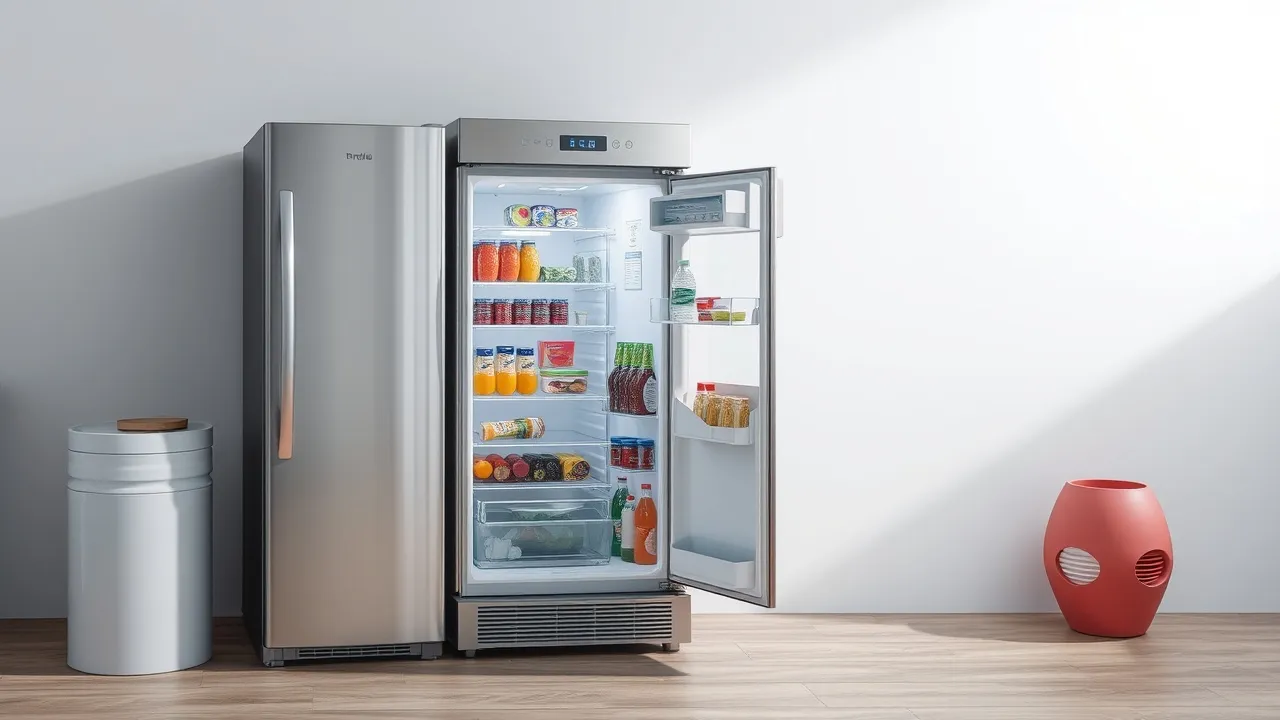
When your refrigerator acts up, a few basic checks can often solve the problem. Begin by unplugging the unit before any inspection or cleaning.
Common Problem: Not Cooling Adequately
Possible Causes:
- Incorrect temperature settings.
- Dirty condenser coils.
- Blocked air vents inside the fridge or freezer.
- Worn or dirty door seals (gaskets).
What to Do:
- Check the temperature controls. The refrigerator should be set to around 37-40°F and the freezer to 0°F. [searspartsdirect.com](https://www.searspartsdirect.com/diy/article/easy-diy-appliance-repairs-that-anyone-can-do/)
- Carefully pull the fridge away from the wall to access the condenser coils on the back or bottom. Use a vacuum with a brush attachment to clean off all dust and debris.
- Ensure that food items are not blocking the air vents inside, as this prevents cold air circulation.
- Clean the door seals with warm, soapy water and check for any rips or hardened sections that might prevent a proper seal.
Important: If these steps don’t work, the problem may be in the sealed refrigerant system (like a coolant leak or compressor failure). This type of repair is not a DIY job. It requires a licensed professional due to environmental regulations and the need for specialized equipment. Do not attempt to handle refrigerant yourself.
An Introduction to Dishwasher Repair
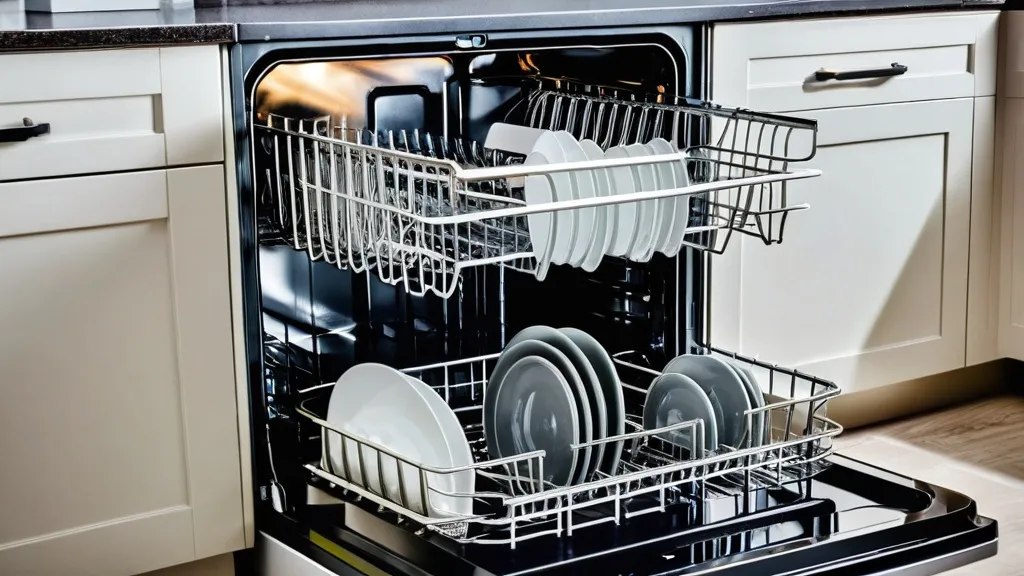
Dishwashers can encounter simple problems that you can fix yourself. Always unplug the unit or turn off its circuit breaker first.
Common Problem: Dishes Not Getting Clean
Possible Causes:
- Clogged spray arms.
- Dirty or clogged filter.
- Improper loading of dishes.
What to Do:
- Remove the spray arms (they usually twist or clip off) and clean the holes with a toothpick or small wire to remove food particles.
- Locate the filter at the bottom of the dishwasher tub, remove it, and wash it thoroughly in the sink.
- Make sure you are not blocking the spray arms or detergent dispenser when loading dishes.
An Introduction to Stove or Oven Repair
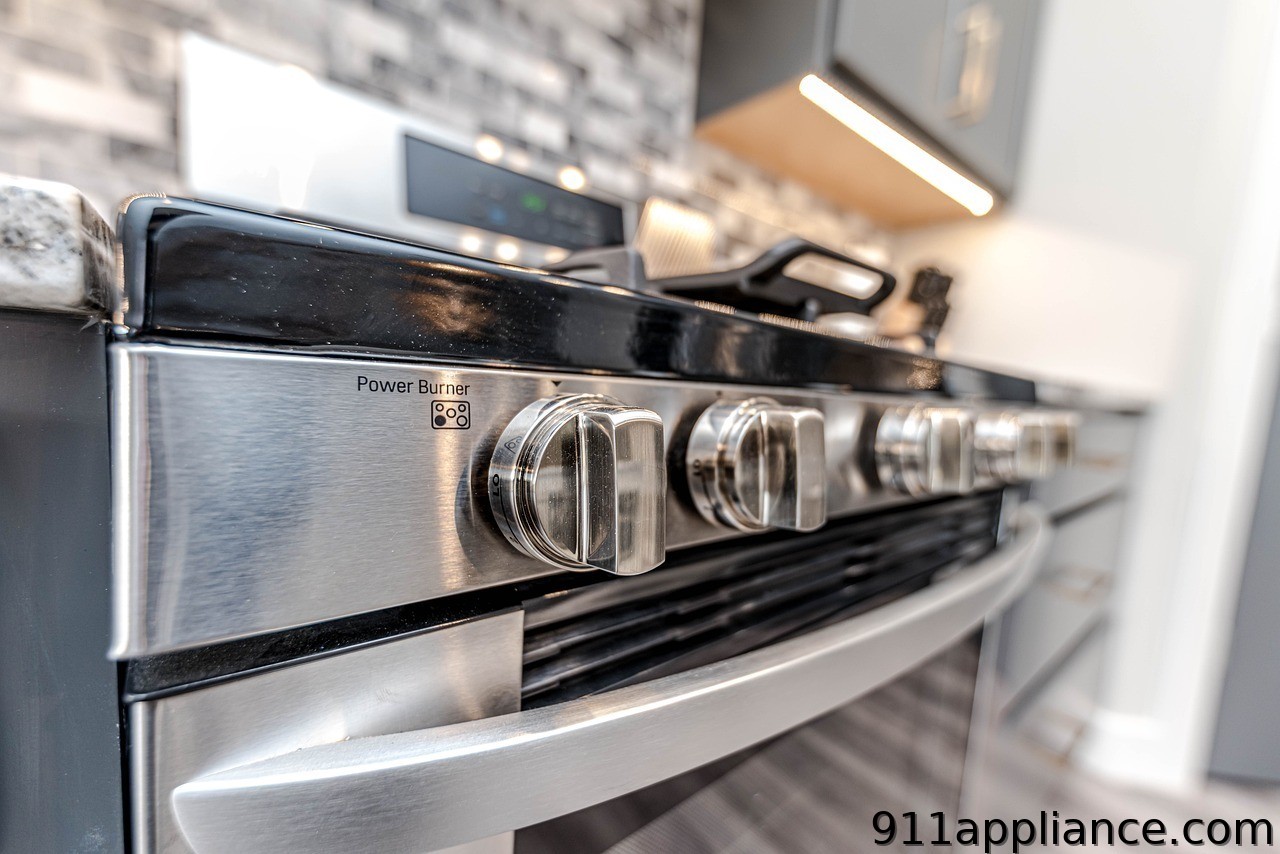
Repairing a stove or oven requires careful attention to detail, especially with gas and high-voltage electric models. Always disconnect the power before you begin.
Common Problem: Electric Oven Not Heating
Possible Causes:
- Faulty heating element.
- Incorrect settings or cooking mode.
- Blown thermal fuse or faulty thermostat.
What to Do:
- Visually inspect the heating elements at the top (broil) and bottom (bake) of the oven. If you see any blisters, cracks, or breaks, the element needs to be replaced.
- Double-check that the oven is set to the correct cooking mode (e.g., ‘Bake’ and not ‘Timer’).
- If the elements look fine, the issue could be a more complex electrical component. You can test the heating element’s continuity with a multimeter, but if you’re uncomfortable with this, it’s time to call a pro.
An Introduction to Microwave Repair
Microwaves contain high-voltage components that can store a dangerous electrical charge even when unplugged. For this reason, most internal repairs are best left to professionals. However, some simple issues can be addressed safely.
Common Problem: Turntable Not Rotating
Possible Causes:
- Plate or roller guide is misaligned.
- Dirty or broken roller guide.
- Worn-out turntable motor.
What to Do:
- Unplug the microwave. Remove the glass plate and the plastic roller guide beneath it.
- Clean the plate, roller guide, and the inside of the microwave cavity.
- Ensure the roller guide is seated correctly on the center hub and that the plate sits evenly on the guide. If the turntable still doesn’t spin, the motor may need to be replaced, which is a more advanced repair.
Tips for Preventing Future Appliance Issues
Preventive maintenance is key to prolonging the life of your appliances and minimizing repairs. Regularly cleaning filters and vents can prevent clogs and improve efficiency across various appliances. For instance, cleaning out lint from dryer vents not only enhances performance but also reduces fire hazards.
Additionally, be mindful of how you use your appliances; overloading them can lead to premature wear and tear. For example, avoid cramming too many dishes into your dishwasher or stuffing your washing machine beyond its capacity. By adopting these preventive measures and staying vigilant about maintenance tasks, you can significantly reduce the likelihood of encountering major appliance issues in the future.
When to Call a Professional for Appliance Repair
While many appliance repairs can be tackled independently, there are times when calling a professional is the best course of action. If you encounter complex electrical issues, gas-related problems, or repairs to a sealed refrigerant system, it’s wise to seek help from an experienced technician. [home.howstuffworks.com](https://home.howstuffworks.com/how-to-repair-major-appliances.htm) emphasizes that attempting repairs beyond your skill level can lead to further damage or serious safety hazards.
Additionally, if an appliance is still under warranty, attempting repairs yourself may void that warranty.
In such cases, contacting the manufacturer or an authorized service provider is advisable. By recognizing when it’s time to call in an expert, you can ensure your appliances receive proper care while keeping yourself safe. Understanding repair basics equips you with valuable skills, but knowing your limits is just as important for maintaining your household efficiently and safely.
If you’re looking to tackle appliance issues on your own, our article on DIY Appliance Repair: A Step-by-Step Guide to Fixing Your Faulty Home Appliances is a great starting point. For those specifically dealing with dryer problems, you might find our related article on troubleshooting heating and rotation issues particularly helpful. Check it out here: Say Goodbye to Dryer Dilemmas: Troubleshooting Heating and Rotation Issues Like a Pro.
FAQs
What are the basic tools needed for DIY appliance repair?
Common tools for DIY appliance repair include screwdrivers, pliers, a multimeter, wrenches, and a socket set. Having a basic toolkit helps in diagnosing and fixing most common issues safely.
Is it safe to repair home appliances by yourself?
DIY appliance repair can be safe for many common issues if you follow proper safety precautions, such as always unplugging the appliance before starting. However, if a repair involves complex wiring, gas lines, or sealed refrigerant systems, it is essential to consult a professional.
How do I diagnose the problem with my faulty appliance?
Start by observing the symptoms (e.g., not heating, making strange noises) and checking the appliance’s user manual for troubleshooting tips. Inspect for visible issues like clogs or loose connections. Online guides and videos can also provide helpful diagnostic steps for specific models.
Can I find replacement parts for my appliance easily?
Replacement parts are often available through the manufacturer’s website, authorized dealers, or online parts stores. It is critical to use the correct part for your specific appliance model to ensure proper function and safety.
When should I consider professional repair instead of DIY?
If a repair involves complex electrical work, gas components, or the sealed refrigerant system, you should always call a professional. Also, if a repair will cost more than 50% of a new appliance’s price, especially if the unit is old, it may be more economical to replace it.
Are there any warranties or guarantees when repairing appliances myself?
DIY repairs typically void any existing manufacturer warranties on the appliance. While some replacement parts may come with their own warranty, the labor and any subsequent damage would not be covered. Always check your warranty terms before starting a repair.
How can I maintain my appliances to prevent future faults?
Regular maintenance such as cleaning filters (dryer, dishwasher), coils (refrigerator), and vents; checking hoses for leaks; and avoiding overloading your machines can significantly extend the life of your appliances and reduce the likelihood of faults.