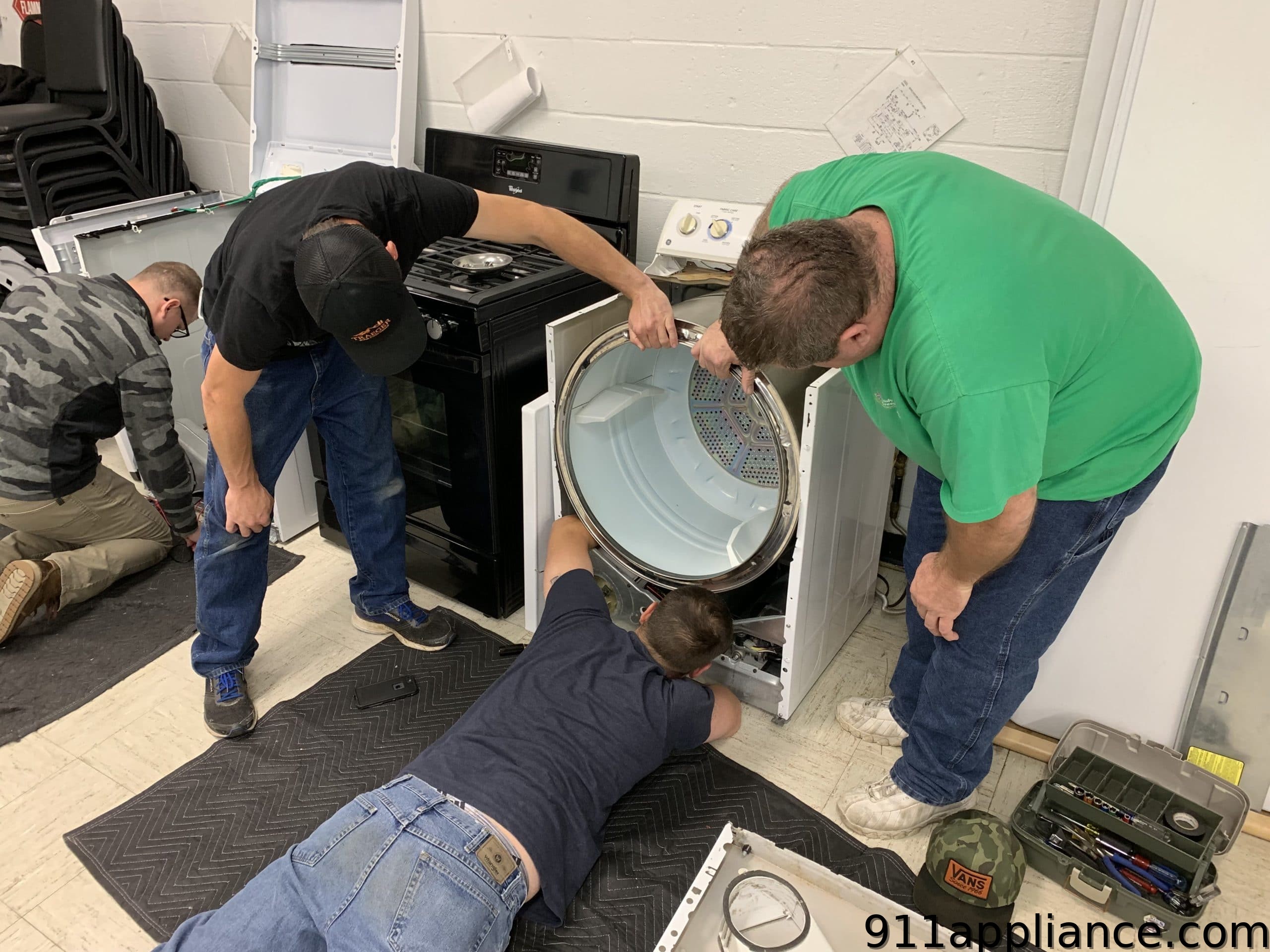
A malfunctioning Whirlpool dishwasher can disrupt kitchen routines. Understanding common issues and their potential fixes can save time and expense. This guide provides a framework for diagnosing and resolving prevalent problems.
Table of Contents

Common Issues and Initial Checks
Before delving into specific malfunctions, a few foundational steps can clarify the problem.
Power and Water Supply
Many issues stem from elementary supply problems.
No Power
- Check the circuit breaker: Locate your home’s electrical panel and identify the breaker for the dishwasher. If it is tripped, reset it. If it trips again immediately, there might be a short circuit.
- Verify the plug: Ensure the dishwasher is securely plugged into a functioning outlet. Test the outlet with another appliance.
- Examine the power cord: Inspect the power cord for any visible damage such as cuts or frayed wires. Damage to the cord necessitates professional replacement.
No Water
- Check water valve: Confirm that the hot water supply valve to the dishwasher is fully open. This valve is typically located under the sink.
- Inspect the water inlet hose: Look for kinks or blockages in the hose that brings water to the dishwasher.
- Clean the inlet screen: The water inlet valve has a small screen that can become clogged with sediment. Refer to your Whirlpool manual for its location and cleaning procedure.
Door Latch and Seal
A properly sealed door is crucial for operation.
Door Not Closing Properly
- Check for obstructions: Ensure no dishes or utensils are preventing the door from closing fully.
- Inspect the latch mechanism: Examine the door latch and strike plate for damage or misalignment. A bent or broken latch will prevent the machine from starting.
- Test the door switch: The dishwasher will not operate if it does not detect the door is securely latched. This switch can fail.
If you’re experiencing issues with your Whirlpool dishwasher not cleaning dishes effectively, you might find it helpful to read a related article that covers common troubleshooting steps. This article provides insights into why your dishwasher may not be performing as expected and offers practical solutions to get it back in working order. For more information, check out this helpful resource on troubleshooting your dishwasher: Troubleshooting Why Your Dishwasher Isn’t Cleaning Dishes.
Dishwasher Not Draining
Incomplete or no draining is a frequent complaint.
Clogged Drain Hose
The hose connecting the dishwasher to the sink drain can accumulate debris.
Inspecting the Drain Hose
- Locate the hose: The drain hose usually runs from the dishwasher to under the sink, connecting to the garbage disposal or drain pipe.
- Check for kinks: Ensure the hose is not bent or crushed, restricting water flow.
- Disconnect and clean: If possible and safe, disconnect the hose and carefully flush it out with water, checking for blockages.
Clogged Filter
Most Whirlpool dishwashers have a filter to catch food particles.
Cleaning the Filter
- Access the filter: Consult your manual for the filter’s location, typically at the bottom interior of the dishwasher.
- Remove and rinse: Carefully remove the filter and rinse it thoroughly under running water. Food debris can easily accumulate here.
- Reassemble correctly: Ensure the filter is reinserted securely to prevent debris from entering the pump.
Issues with the Drain Pump
The pump is responsible for expelling water.
Drain Pump Malfunction
- Listen for the pump: When the dishwasher should be draining, listen for any humming or grinding noises from the pump area. A lack of sound could indicate a failed motor. Unusual noises might suggest a foreign object jamming the impeller.
- Check for obstructions: Small items like glass shards or pits can obstruct the pump’s impeller. This often requires removing the pump assembly for inspection.
- Electrical testing: If the pump is receiving power but not running, it may have failed electrically. This requires testing with a multimeter, a task for a qualified technician.
Dishwasher Not Cleaning Dishes Effectively
Subpar cleaning performance can point to several issues.
Water Temperature Problems
Dishwashers rely on hot water for effective cleaning.
Low Water Temperature
- Check hot water supply: Ensure your home’s water heater is set to an adequate temperature, typically around 120-125°F.
- Inspect the heater element: In some models, a heating element within the dishwasher itself boosts water temperature. If this element fails, dishes may not get hot enough. Signs of a failed element include dishes that are still wet and cold after a cycle.
Spray Arm Issues
The spray arms distribute water to clean dishes.
Blocked Spray Arms
- Inspect spray arm holes: Food particles or mineral deposits can clog the small holes in the spray arms, hindering water distribution.
- Clean the spray arms: Remove the spray arms (usually by unscrewing them) and clean the holes with a toothpick or small wire. Rinse them thoroughly.
- Check for free rotation: Ensure the spray arms can rotate freely. If they are hitting dishes or baskets, their rotation will be impaired.
Detergent Dispenser Problems
The dispenser releases detergent at the correct time.
Detergent Not Dispensing
- Check for blockages: The dispenser lid or mechanism can become blocked by dried detergent or food debris.
- Ensure correct loading: Overloading the dishwasher can sometimes impede the dispenser’s ability to open.
- Inspect the dispenser mechanism: The internal spring or latch mechanism of the dispenser can break, preventing it from opening.
Leaking Dishwasher
Leaks can be messy and potentially damaging.
Door Seal Issues
The rubber gasket around the door prevents water from escaping.
Damaged or Dirty Door Seal
- Inspect the seal: Check the rubber gasket for cracks, tears, or pieces missing. A damaged seal will not create a watertight barrier.
- Clean the seal: Food debris or grime can accumulate on the seal, preventing a proper seal. Clean it with warm, soapy water.
- Ensure proper fit: The seal should be seated evenly around the door frame.
Hose Connections
Loose or damaged hoses can cause leaks.
Loose or Damaged Hose Connections
- Examine inlet and drain hoses: Check all connections for the water inlet hose and drain hose. Ensure they are tightened securely.
- Inspect for cracks: Look for any visible cracks or damage to the hoses themselves.
- Check under the sink: Pay close attention to the connections where the hoses attach under the sink.
Internal Component Leaks
Leaks originating from inside the dishwasher can be more challenging to pinpoint.
Pump or Motor Leaks
- Listen for the source: Try to identify the general area of the leak. Persistent leaks from the bottom of the unit could indicate a pump seal issue or a cracked tub.
- Water level sensor issues: In some cases, a faulty water level sensor can cause the dishwasher to overfill, leading to leaks.
If you’re facing issues with your Whirlpool dishwasher, understanding the available resources for appliance repair can be incredibly helpful. A related article that delves into this topic is available at exploring local repair shops and resources for appliance repair. This resource provides insights into finding reliable repair services and tips for troubleshooting common problems, ensuring that your dishwasher is back in working order in no time.
Dishwasher Error Codes and Indicators
Whirlpool dishwashers often display error codes or blinking lights to signal specific problems.
Understanding Common Error Codes
Consulting your Whirlpool dishwasher’s user manual is essential for deciphering specific error codes.
Interpreting the Manual
- Locate the troubleshooting section: Most manuals have a section dedicated to error codes and their solutions.
- Identify the code: Note the exact code or blinking pattern displayed on your dishwasher.
- Follow the recommended steps: The manual will provide specific instructions for each code, which may involve checks, resets, or part replacements.
Resetting the Dishwasher
A simple reset can sometimes resolve minor electronic glitches.
Performing a Reset
- Power cycle: Turn off the dishwasher at the circuit breaker for at least one minute, then turn it back on. This can clear temporary error states.
- Control panel reset: Some models have a specific button combination or menu option to perform a factory reset. Refer to your manual.
Advanced Troubleshooting and When to Call a Professional
Some problems require specialized tools or expertise.
Electrical Component Testing
Diagnosing issues with heating elements, pumps, or control boards often involves electrical testing.
Using a Multimeter
- Safety first: Always disconnect power to the dishwasher before testing electrical components.
- Measuring resistance and voltage: A multimeter can measure resistance across components like the heating element or continuity of wires. It can also check for voltage at the motor or control board.
- Complex diagnostics: If you are not comfortable working with electrical systems, this step should be performed by a qualified technician.
Component Replacement
Replacing parts like pumps, valves, or control boards can be a DIY project for some, but requires caution.
Identifying Part Numbers
- Model and serial number: Locate the model and serial number of your Whirlpool dishwasher (usually on the door frame or back).
- Online parts retailers: Use this information to find exact replacement parts from reputable online suppliers.
- Following installation guides: Many part suppliers offer installation guides or links to videos.
When to Seek Professional Help
Recognizing your limits is crucial for safety and effective repair.
Complex Diagnoses
- Unidentified issues: If you have followed basic troubleshooting steps and the problem persists, professional diagnosis might be necessary.
- Intermittent problems: Issues that occur randomly can be difficult to pinpoint without specialized diagnostic tools.
Safety Concerns
- Electrical hazards: Working with electrical components can be dangerous if you are not trained.
- Water damage risks: Improper repairs can lead to further water damage or even appliance failure.
Specialized Tools and Knowledge
- Advanced diagnostics: Technicians have access to specialized tools and diagnostic software.
- Experience with various models: Professional repair services have experience with a wide range of Whirlpool models and common failure points.
By systematically approaching troubleshooting, many common Whirlpool dishwasher issues can be resolved. However, always prioritize safety and consult your owner’s manual for specific model information. For complex problems or if you are unsure, contacting a certified appliance repair technician is the most reliable course of action.