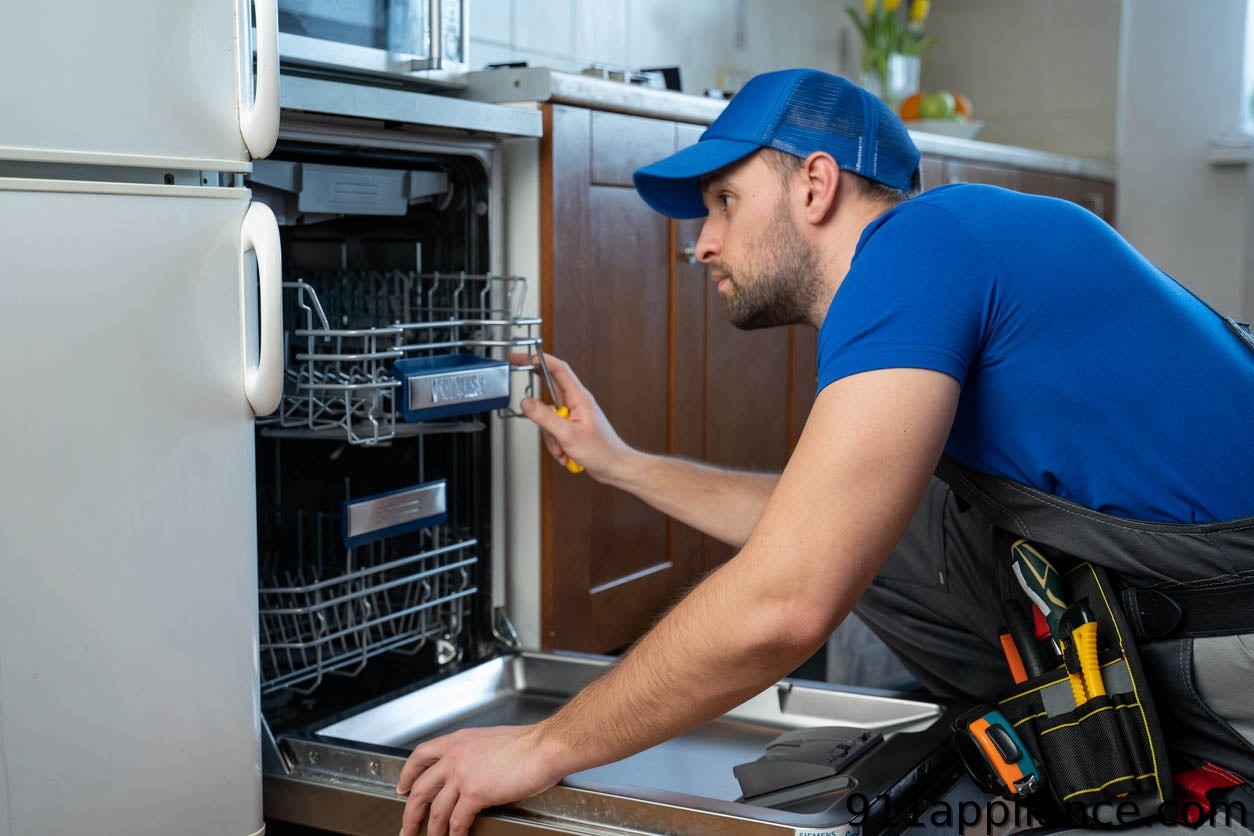
When a refrigerator ceases to function optimally, it disrupts the rhythm of a household. Food spoilage, inconvenience, and the anxiety of potential expense loom. For many, the immediate thought is to find reliable, local assistance. This article addresses the process and considerations involved in locating and utilizing “expert refrigerator repair near me,” focusing on factual information and practical guidance for the consumer.
Table of Contents
- Common Refrigerator Problems
- Diagnosing Simple Fixes
- The Importance of Local Expertise
- Benefits of Hiring Local Technicians
- Understanding “Expertise” in Refrigerator Repair
- Finding Reputable Refrigerator Repair Services
- Research Strategies for Local Repair Services
- Evaluating Potential Repair Companies
- The Refrigerator Repair Process
- Scheduling an Appointment
- On-Site Diagnosis and Repair
- Post-Repair Procedures
- When to Consider Replacement Over Repair
- Factors Indicating Replacement
- The Economic and Environmental Impact
Refrigerators, like any complex appliance, can develop a range of issues. Understanding common problems can help you articulate the issue to a technician and potentially identify simple fixes yourself.
Common Refrigerator Problems
- Cooling Issues: This is perhaps the most prevalent concern. Your refrigerator may not be cooling sufficiently, or it might be freezing food in the refrigerator compartment. This can stem from a variety of components, including the condenser fan, evaporator fan, thermostat, or even a refrigerant leak. The condenser fan, responsible for dissipating heat from the compressor, can become clogged with dust or debris, hindering its operation. Similarly, the evaporator fan circulates cold air within the freezer and refrigerator compartments; if it fails, temperature regulation suffers. The thermostat is the appliance’s brain, telling the cooling system when to activate. A malfunctioning thermostat can lead to inconsistent temperatures. Refrigerant leaks are less common but more serious, requiring specialized diagnosis and repair.
- Freezer Issues: Beyond general cooling problems, freezers can present unique challenges. Frost buildup in the freezer can obstruct airflow, leading to inefficient cooling and potential damage to the evaporator coils. This often indicates a problem with the defrost system, which includes a defrost heater, defrost thermostat, and defrost timer or control board. If the ice maker is not producing ice or is producing it slowly, this could be a sign of a water supply line issue, a frozen water inlet valve, or a faulty ice maker assembly.
- Water Leaks: A puddle of water beneath or behind your refrigerator is a direct indicator of a leak. This could be due to a clogged defrost drain, a faulty water inlet valve, a cracked water filter housing, or a damaged drain pan. The defrost drain, a small tube designed to carry meltwater away from the evaporator coils, can become blocked by ice or food particles.
- Unusual Noises: While refrigerators are not silent, loud or persistent noises like grinding, buzzing, or rattling can signal a problem. A faulty fan motor, a worn-out compressor bearing, or loose components can all contribute to these auditory alerts. The compressor, the heart of the cooling system, is typically a source of humming. Abnormal sounds from this area warrant attention.
- Electrical Malfunctions: Issues like flickering lights, a dead display panel, or the appliance not powering on at all point to electrical problems. This could involve a faulty door switch, a blown fuse, a tripped circuit breaker, or more complex issues with the main control board. The door switch is crucial for preventing the interior light from staying on, which can affect temperature.
Diagnosing Simple Fixes
Before calling for professional help, a few basic checks can sometimes resolve minor annoyances.
- Temperature Settings: Ensure the thermostat is set appropriately. Accidental adjustments can lead to incorrect cooling.
- Door Seals: Check that the door gaskets are clean and creating a tight seal. Damaged or dirty seals allow cold air to escape, forcing the refrigerator to work harder. You can test this by closing the door on a piece of paper; if you can pull it out easily, the seal may need cleaning or replacement.
- Vent Blockages: Make sure food items are not blocking the internal vents, which are essential for air circulation.
- Power Supply: Confirm the refrigerator is plugged in securely and that the circuit breaker has not tripped.
If you’re looking for reliable refrigerator repair services near you, it’s essential to understand the advantages of choosing local professionals. A related article that discusses the benefits of local appliance repair services can provide valuable insights into why opting for nearby technicians can lead to quicker response times and personalized service. You can read more about it in this article: Benefits of Local Appliance Repair Services.
The Importance of Local Expertise
When a DIY fix isn’t feasible, the search for “expert refrigerator repair near me” becomes paramount. Local technicians offer distinct advantages that can streamline the repair process and ensure a satisfactory outcome.
Benefits of Hiring Local Technicians
- Prompt Response Times: A key advantage of local service is speed. When your food is at risk, time is of the essence. Local companies often have technicians geographically closer to your location, meaning they can often dispatch someone on the same day or within 24 hours. This proximity acts as a bridge, shortening the distance between your problem and its solution.
- Reduced Travel Costs: Technicians who are based in your vicinity will generally incur lower travel expenses compared to those operating from a distant city. These savings are often passed on to the consumer in the form of more competitive service call fees or hourly rates. This financial advantage makes the local option a more palatable choice for budget-conscious households.
- Familiarity with Local Conditions: Experienced local repair professionals may have a better understanding of common appliance issues prevalent in your specific climate or water quality. For instance, hard water can lead to mineral buildup, affecting ice makers and water filters. A local expert might be more attuned to these regional nuances.
- Building Trust and Accountability: It’s often easier to build a relationship with a local business. Word-of-mouth referrals and online reviews from neighbors can provide valuable insights into their reliability and customer service. Furthermore, local businesses are often more invested in maintaining a good reputation within their community, leading to a higher level of accountability.
Understanding “Expertise” in Refrigerator Repair
The term “expert” in this context signifies more than just someone who knows how to wield a screwdriver. It implies a depth of knowledge and experience.
- Experience with Various Brands and Models: A true expert will have encountered and successfully repaired a wide array of refrigerator brands and models, from older, simpler units to the latest smart appliances. This breadth of experience allows them to quickly diagnose issues without relying solely on a manual.
- Adherence to Manufacturers’ Standards: Expert technicians are trained to perform repairs in accordance with manufacturer specifications. This ensures that the repair is not only effective but also safe and does not void any remaining warranty. They understand the intricate interplay of components within a refrigerator’s system.
- Proper Diagnostic Tools and Techniques: Professionals utilize specialized tools and diagnostic equipment to accurately pinpoint the root cause of a malfunction. This prevents guesswork and ensures that only necessary parts are replaced, saving you money and preventing future problems. They understand that throwing parts at a problem is like firing a shotgun and hoping to hit a single target.
- Continuing Education and Training: The appliance industry is constantly evolving with new technologies. Experts often engage in ongoing training to stay abreast of these advancements, ensuring they can service the newest refrigerator models.
Finding Reputable Refrigerator Repair Services

Locating a skilled and trustworthy repair service requires a measured approach. Relying on random online searches without due diligence can lead to frustration and wasted resources.
Research Strategies for Local Repair Services
- Online Search Engines and Maps: Utilizing search terms like “refrigerator repair [your city/zip code]” or “appliance repair near me” will yield a list of local providers. Pay attention to businesses with detailed listings and positive customer reviews. Geographic search functions on platforms like Google Maps are invaluable for pinpointing services in your immediate area.
- Customer Reviews and Ratings: Websites like Yelp, Google Reviews, and Angie’s List (now Angi) are excellent resources for gauging a service’s reputation. Look for consistent positive feedback regarding punctuality, professionalism, fair pricing, and the quality of repairs. A pattern of negative remarks concerning similar issues should be a red flag.
- Referrals from Friends, Family, and Neighbors: Personal recommendations carry significant weight. Ask trusted individuals in your social circle if they have had positive experiences with local appliance repair companies. A firsthand account can be more reassuring than an anonymous online review.
- Manufacturer Recommendations: Some refrigerator manufacturers maintain lists of authorized or recommended repair services in various areas. Checking your appliance’s manual or the manufacturer’s website can be a reliable way to find qualified technicians. This route often ensures that the repair will be performed by individuals familiar with your specific brand.
Evaluating Potential Repair Companies
Once you have a shortlist of potential services, take the time to evaluate them further.
- Licensing and Insurance: Ensure the company is licensed to operate in your area and carries adequate insurance. This protects you in case of any accidents or damage that may occur during the repair process. A licensed professional operates within regulatory frameworks, offering an additional layer of security.
- Years in Business: Companies that have been operating for a considerable time often indicate stability and customer satisfaction. Longevity in a competitive market is generally a positive sign.
- Warranty on Repairs: Inquire about the warranty offered on parts and labor. A reputable company will stand behind their work with a reasonable warranty period, offering peace of mind. This warranty acts as a safety net, should the problem reoccur shortly after the repair.
- Service Call Fees and Estimates: Understand the company’s policy on service call fees and how they provide estimates. Some companies offer free estimates, while others charge a fee that may be waived if you proceed with the repair. Seek clear, itemized quotes before authorizing any work. Transparent pricing is a hallmark of a trustworthy service.
The Refrigerator Repair Process
Once you’ve selected a repair service, understanding the typical process can help manage expectations and ensure a smooth experience.
Scheduling an Appointment
- Initial Contact: When you call a repair service, be prepared to describe the problem clearly and concisely. The more information you can provide about the symptoms, the better equipped the technician will be to diagnose the issue.
- Availability and Timing: Discuss available appointment slots and the estimated time of arrival. Request a call ahead when the technician is on their way. This allows you to prepare for their visit and avoid extended waiting periods.
- Emergency Services: If your refrigerator is completely out of commission and you have a significant amount of perishable food, inquire about emergency or same-day repair services. These options may come with a higher cost but can be crucial in minimizing food loss.
On-Site Diagnosis and Repair
- Technician Arrival and Assessment: The technician will arrive at your home, typically in a branded vehicle, and will begin by assessing the refrigerator’s condition. They will likely ask you to elaborate on the problem and observe the appliance’s operation.
- Diagnostic Procedures: Using their expertise and diagnostic tools, the technician will systematically identify the faulty component or cause of the malfunction. This process is akin to a doctor diagnosing an ailment; they gather symptoms and then perform tests to pinpoint the underlying issue.
- Providing an Estimate: After diagnosing the problem, the technician will present you with a detailed estimate for the repair, including the cost of parts and labor. This is the stage where you can ask questions about the proposed solution and its expected outcome.
- Authorization and Repair Execution: Once you approve the estimate, the technician will proceed with the repair. This may involve replacing a faulty part, cleaning a clogged component, or making necessary adjustments. If a specific part needs to be ordered, they will inform you of the timeline for its arrival and re-scheduling.
Post-Repair Procedures
- Testing the Refrigerator: After the repair is completed, the technician will test the refrigerator to ensure it is functioning correctly. This includes checking temperature levels, listening for unusual noises, and verifying that all functions are operating as expected.
- Explaining the Repair: A good technician will take the time to explain what the problem was, what was done to fix it, and any recommendations for future maintenance. This empowers you with knowledge and can help prevent future issues.
- Payment and Documentation: You will then be presented with the final invoice for payment. Ensure you receive a detailed receipt for your records, including information about the warranty on the repair. This documentation is crucial should you need to utilize the warranty later.
If you’re looking for reliable refrigerator repair services near you, it’s essential to know how to find trustworthy local appliance repair shops. A helpful resource on this topic can be found in an article that discusses various strategies for identifying reputable technicians. You can read more about it in this informative piece on finding reliable local appliance repair shops, which offers valuable tips to ensure your refrigerator is in good hands.
When to Consider Replacement Over Repair
| Metric | Value | Notes |
|---|---|---|
| Average Response Time | 45 minutes | Time taken for a technician to arrive after booking |
| Customer Satisfaction Rate | 92% | Based on post-service surveys |
| Average Repair Duration | 1.5 hours | Typical time to complete a refrigerator repair |
| Common Issues Fixed | Thermostat, Compressor, Leak, Fan Motor | Most frequent repair problems |
| Service Coverage Radius | 15 miles | Average distance from service center |
| Average Cost Range | 100 – 300 | Typical repair cost range |
| Number of Local Repair Shops | 25 | Within a 15-mile radius |
While expert refrigerator repair can often extend the life of an appliance, there are instances where replacement might be the more prudent decision. This is not a failure of repair, but an acknowledgment of economic reality.
Factors Indicating Replacement
- Age of the Refrigerator: Refrigerators typically have a lifespan of 10 to 20 years. If your appliance is nearing the upper end of this range and experiencing significant issues, the cost of repairs may outweigh the benefits, especially when considering the energy efficiency of newer models. An aging appliance is like an older car; while it might run, its reliability diminishes, and its fuel efficiency is often lacking.
- Cost of Repairs: If the estimated cost of repair approaches or exceeds 50% of the price of a new, comparable refrigerator, it is generally more cost-effective to replace the unit. This is a crucial financial calculation, ensuring you aren’t pouring money into a sinking ship.
- Frequency of Breakdowns: If your refrigerator has a history of frequent breakdowns, even minor ones, it may indicate underlying systemic issues that will continue to arise. This persistent cycle of repairs can be highly disruptive and financially draining.
- Availability of Parts: For older or less common models, replacement parts may become scarce or prohibitively expensive. In such cases, finding a technician who can service the unit may become challenging.
The Economic and Environmental Impact
- Energy Efficiency: Modern refrigerators are significantly more energy-efficient than older models. Replacing an old, inefficient unit can lead to substantial savings on electricity bills over time. This is a long-term investment that pays dividends.
- Environmental Considerations: While appliance repair contributes to reducing waste, the production of new appliances also has an environmental impact. However, the energy savings from a new, efficient appliance can offset its carbon footprint over its lifespan. Responsible disposal of old appliances is also an important factor.
- Technological Advancements: Newer refrigerators come with advanced features, improved cooling technology, and enhanced food preservation capabilities. These advancements can offer greater convenience and reduce food spoilage, further justifying the investment in a new unit.
By understanding the nuances of refrigerator malfunctions, the benefits of local expertise, and the strategic decision-making process between repair and replacement, consumers can navigate the landscape of appliance service with greater confidence and achieve optimal results for their households. The goal is to restore functionality and peace of mind, ensuring your kitchen remains a well-oiled machine.