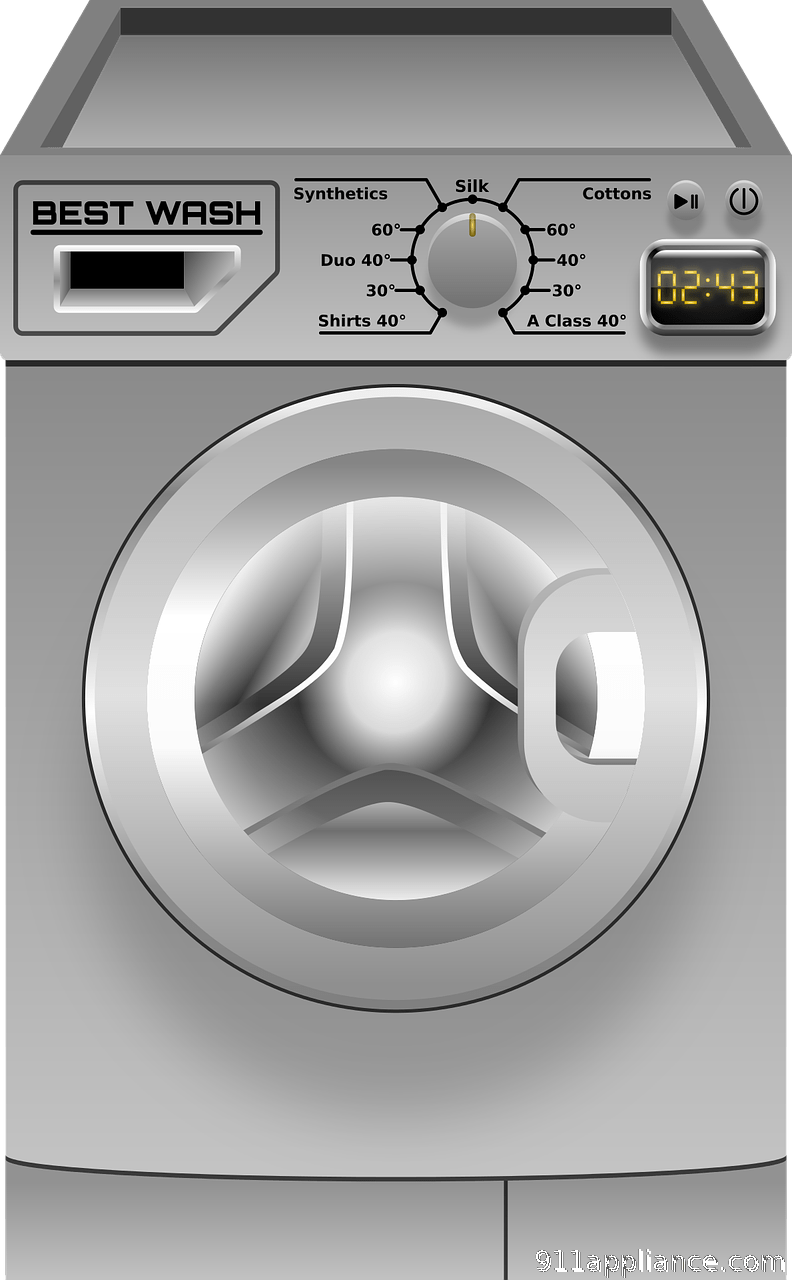
The clothes washer is more than just a household appliance; it’s a cornerstone of modern domestic life. Its absence, even temporarily, quickly reveals the extent to which we rely on it for sanitation, comfort, and efficiency. When this workhorse begins to falter, the resulting disruption can be significant. Fortunately, reliable clothes washer repair services are readily available, offering a practical solution to common and complex issues. This article explores the importance of timely repair, common problems encountered, and how to find effective assistance.
Table of Contents
- Understanding the Significance of a Functioning Clothes Washer
- The Economic Impact of Washer Malfunctions
- Common Clothes Washer Problems and Their Solutions
- Finding Expert Clothes Washer Repair Near Me
- The Repair Process: What to Expect
- Preventive Maintenance: Extending Washer Lifespan
- Conclusion: The Value of Reliable Appliance Repair

Understanding the Significance of a Functioning Clothes Washer
The sheer volume of laundry generated by a typical household makes a functioning clothes washer a daily necessity. Fresh clothing, clean bedding, and hygienic towels are not luxuries but fundamental aspects of daily well-being. Beyond personal comfort, a well-maintained washer contributes to the longevity of clothing and linens. Improper washing cycles or neglecting minor issues can lead to premature wear and tear, ultimately costing more in replacements than in repairs.
The modern clothes washer is a complex piece of engineering, integrating plumbing, electrical components, and sophisticated control systems. While designed for durability, these intricate systems are susceptible to wear and tear over time. Regular maintenance and prompt attention to emerging problems are key to preventing minor inconveniences from escalating into costly replacements.
The Economic Impact of Washer Malfunctions
The financial implications of a broken clothes washer extend beyond the immediate cost of repair. For families, the inability to wash clothes can lead to increased spending on dry cleaning or the purchase of new items. For businesses, such as small laundromats or hospitality establishments, a malfunctioning washer can result in lost revenue and damaged reputation. Investing in timely and effective repairs offers a more cost-efficient approach than deferring maintenance or opting for a new appliance prematurely.
Environmental Considerations
The lifespan of appliances is also an environmental concern. Manufacturing new products consumes significant resources and generates waste. By extending the life of an existing clothes washer through repair, we contribute to reducing this environmental footprint. Furthermore, a malfunctioning washer can sometimes operate inefficiently, consuming more water and energy than necessary, leading to higher utility bills and increased environmental impact.
If you’re looking for tips on clothes washer repair near you, it’s essential to have the right tools and knowledge to diagnose common issues effectively. A related article that can help you understand the necessary tools for appliance repairs is available at this link: Tools Needed for Refrigerator Diagnosis. This resource provides valuable insights that can also be applicable to washer repairs, ensuring you’re well-equipped to tackle any problems that arise.

Common Clothes Washer Problems and Their Solutions
Clothes washers, like any mechanical device, are prone to a variety of issues. Understanding these common problems can help in diagnosing potential causes and communicating effectively with repair technicians.
Water Filling and Draining Issues
One of the most frequent complaints involves the washer not filling with water or not draining properly.
Issues with Water Inlet Valves
- Problem: The machine doesn’t fill, or fills very slowly. This can be caused by a faulty water inlet valve, which controls the flow of water into the tub. Mineral buildup or debris can also obstruct the valve.
- Solution: A technician will typically inspect and, if necessary, replace the water inlet valve. They will also check the water supply hoses for kinks or blockages.
Blockages in Drain Hoses and Pumps
- Problem: Water remains in the tub after the cycle, or the spin cycle is accompanied by unusual noises. This often points to a clogged drain hose or a malfunctioning drain pump. Lint, small clothing items, or other debris can obstruct the drainage system.
- Solution: Technicians will clear any blockages in the drain hose and pump. In some cases, the drain pump itself may need to be replaced if it has failed.
Agitation and Spin Cycle Malfunctions
The core functions of washing – agitation and spinning – are crucial for effective cleaning. When these fail, the appliance becomes largely inoperable.
Problems with Drive Belts
- Problem: The drum spins, but there is no agitation, or the agitation is weak. This is often due to a worn or broken drive belt, which connects the motor to the agitator or drum.
- Solution: Replacement of the drive belt is a standard procedure for this symptom. This is a relatively straightforward repair for experienced technicians.
Issues with Motor and Transmission Components
- Problem: The washer makes loud grinding noises during agitation or spinning, or the drum does not move at all. These symptoms can indicate problems with the motor or the transmission, which are more complex and costly to repair.
- Solution: Depending on the nature and extent of the damage, the motor or transmission may need to be repaired or replaced. This often requires specialized knowledge and tools.
Leaks and Water Management
Water leaks can cause significant damage to flooring and surrounding areas, making prompt repair essential.
Seal and Gasket Failures
- Problem: Water is observed pooling around the base of the washing machine during or after use. This can be caused by deteriorated door seals, tub seals, or hose connections.
- Solution: Technicians will identify the source of the leak and replace any faulty seals or gaskets. Tightening hose clamps is also a common step.
Cracked Tubs or Hoses
- Problem: Significant water leakage that doesn’t appear to be from seals. This could indicate a crack in the inner or outer tub, or a damaged water supply hose.
- Solution: Depending on the severity and location of the crack, the tub may be repairable, though often replacement is the more durable solution. Damaged hoses are typically replaced.
Unusual Noises and Vibrations
While some level of noise is expected from a washing machine, excessive or unusual sounds warrant attention.
Loose Internal Components
- Problem: Rattling or banging noises during operation. This can be caused by loose parts inside the machine, such as the agitator, load-balancing weights, or mounting hardware.
- Solution: Technicians will open the machine to inspect for and secure any loose components.
Unbalanced Loads
- Problem: Excessive vibration and thumping, particularly during the spin cycle. While an unbalanced load is often user-correctable, persistent issues can indicate problems with suspension or shock absorbers, which are designed to mitigate vibration.
- Solution: Inspection and potential replacement of shock absorbers or other suspension components may be necessary.

Finding Expert Clothes Washer Repair Near Me
Locating a reliable and skilled clothes washer repair service requires a systematic approach. The goal is to find a provider who offers efficient service, honest pricing, and lasting solutions.
The Importance of Proximity
The phrase “near me” is not just about convenience; it often translates to faster service response times and potentially lower travel fees.
Reduced Downtime
- Benefit: When an appliance breaks down, every hour it’s out of commission adds to the inconvenience. A local repair service can often dispatch a technician more quickly than a company located further away.
- Consideration: While proximity is a factor, it should not be the sole determinant. Quality of service and expertise remain paramount.
Localized Knowledge and Experience
- Benefit: Technicians who regularly service a specific geographic area often have a deeper understanding of the common appliance models and their typical issues within that region. They may also be more familiar with local supply chains for parts.
- Consideration: This is particularly relevant for older or less common appliance models, where specialized knowledge might be more critical.
Identifying Reputable Repair Services
Distinguishing between a competent repair professional and an unreliable one is crucial for a positive experience.
Checking Online Reviews and Ratings
- Method: Websites like Google Reviews, Yelp, and Angie’s List provide a platform for customers to share their experiences. Look for services with consistently positive reviews and high star ratings.
- Caution: Be mindful of overly positive or overly negative reviews that seem extreme. A balanced perspective is often more indicative of a service’s true performance. Focus on recurring themes in the reviews, both positive and negative.
Seeking Recommendations
- Method: Word-of-mouth referrals from friends, family, neighbors, or even appliance retailers can be highly valuable. Personal recommendations often come with a higher degree of trust.
- Consideration: Ask specific questions about the nature of the repair, the technician’s professionalism, and the overall cost.
Evaluating Service Providers
Once a few potential services are identified, further evaluation can help in making the final decision.
Verifying Credentials and Experience
- Process: Ask about the technicians’ training, certifications, and years of experience. Many reputable companies employ certified appliance repair technicians.
- Inquiry: Understanding the types of brands they specialize in can also be important, especially if you own a specific or high-end appliance.
Understanding Pricing and Guarantees
- Inquiry: Request a clear explanation of their pricing structure, including any diagnostic fees, labor rates, and the cost of parts. Inquire about their warranty on parts and labor.
- Transparency: A reputable service will be upfront about costs and will provide an estimate before proceeding with the repair. A written estimate is always preferable.
The Repair Process: What to Expect
Once you’ve chosen a repair service and scheduled an appointment, understanding the typical repair process can help manage expectations.
Initial Diagnosis and Cost Estimation
The first step in any repair is for the technician to diagnose the problem.
On-Site Assessment
- Action: The technician will arrive at your home, inspect the clothes washer, and identify the cause of the malfunction through a series of tests and visual inspections.
- Communication: They should explain the problem clearly, using language that is understandable to you, and outline the proposed solution.
Providing an Estimate
- Action: After diagnosing the issue, the technician will provide a detailed estimate for the repair, including the cost of parts and labor.
- Decision: You will then have the opportunity to approve the estimate before any work begins. If the cost of repair approaches the cost of a new appliance, the technician should be able to advise on that as well.
Parts and Labor Considerations
The availability of parts and the expertise of the labor are critical components of a successful repair.
Sourcing Genuine Parts
- Importance: Using genuine or high-quality aftermarket parts is essential for the longevity and proper functioning of your clothes washer.
- Technician’s Role: Experienced technicians will know where to source reliable parts, often from authorized distributors.
Skilled Technicians
- Value: The skill and experience of the repair technician are paramount. A good technician can diagnose complex issues, perform repairs efficiently, and ensure the appliance is working correctly and safely.
- Training: Look for services that invest in the ongoing training of their technicians.
Warranty and Follow-Up
A reputable repair service will stand behind their work.
Warranty on Repairs
- Inquiry: Always ask about the warranty provided on the parts and labor for the repair. This protects you in case the same issue reoccurs or a component fails prematurely.
- Duration: Warranties can vary, but typically range from 30 days to a year.
Post-Repair Support
- Availability: In the unlikely event that a problem persists after the repair, a good service will be responsive to follow-up calls and will send a technician back to address any lingering issues.
- Customer Service: This aspect often speaks volumes about a company’s commitment to customer satisfaction.
If you’re experiencing issues with your clothes washer, it might be helpful to explore some common appliance problems and their solutions. A related article that could provide valuable insights is about oven problems and how to repair them, which you can find here. While it focuses on ovens, understanding appliance repairs in general can enhance your troubleshooting skills for your washer as well.
Preventive Maintenance: Extending Washer Lifespan
While this article focuses on repair, it’s important to acknowledge that proactive measures can significantly reduce the need for emergency services.
Regular Cleaning
- Action: Cleaning the dispenser drawers, the interior of the drum, and the door seal regularly helps prevent mold, mildew, and odor buildup.
- Importance: A clean machine operates more efficiently and is less prone to component corrosion.
Checking Hoses and Filters
- Action: Periodically inspect water inlet and drain hoses for signs of wear, cracking, or bulging. Clean out lint traps and filters on a regular basis.
- Benefit: This simple check can prevent catastrophic leaks and drainage failures.
Proper Loading Techniques
- Action: Avoid overloading the washing machine. Distribute clothes evenly in the drum to ensure proper balance during the spin cycle.
- Result: This reduces stress on the motor, suspension, and other internal components.
Conclusion: The Value of Reliable Appliance Repair
The clothes washer is a vital appliance that deserves proper care and attention. When it malfunctions, enlisting the services of expert clothes washer repair near you is a practical and often cost-effective solution. By understanding common issues, knowing how to identify reputable service providers, and expecting a professional repair process, you can ensure your essential household appliance is restored to optimal working condition, maintaining the rhythm of domestic life and extending the lifespan of your investment.