Table of Contents
- How a Washing Machine Works
- Types of Washing Machines and Their Mechanics
- Essential Tools and Safety Precautions
- Diagnosing Common Washing Machine Problems
- Machine Fails to Start
- Machine Fills But Doesn’t Agitate or Spin
- Machine Doesn’t Drain
- Leaking Washing Machine
- Unusual Noises
- Basic Troubleshooting and Minor Repairs
- Cleaning and Maintenance Routines
- Addressing Minor Leaks
- Resetting the Machine
- When to Call a Professional
- Complex Electrical Issues
- Transmission and Motor Failures
- Major Component Defects
- Safety Concerns and Warranty Considerations
Clothes washers, while a testament to modern convenience, can sometimes malfunction. This guide provides an overview of common clothes washer problems and potential solutions, intended for individuals seeking to understand and address these issues. It is not a substitute for professional diagnosis and repair.
How a Washing Machine Works
At its core, a clothes washer is a system designed to agitate clothes in water and detergent, then spin them to remove excess moisture. This complex process involves several key components working in concert. Water enters the machine through inlet hoses, controlled by an inlet valve. The motor drives a transmission, which, in turn, rotates the agitator (in top-loaders) or the drum (in front-loaders). The control panel or timer dictates the cycle, sending electrical signals to various components like the motor, pump, and solenoids. During the wash cycle, the drum or agitator moves back and forth, creating friction between clothes and loosening dirt. The detergent, introduced from a dispenser, aids in this process. After the wash, the machine drains the dirty water using a drain pump and hose. Finally, during the spin cycle, the motor spins the drum at high speeds, using centrifugal force to extract water from the clothes.
Types of Washing Machines and Their Mechanics
Washing machines generally fall into two primary categories: top-loading and front-loading. Each design has distinct mechanical principles and common failure points.
Top-Loading Washing Machines
Top-loading machines are further divided into two sub-types: traditional agitator models and high-efficiency (HE) impeller models.
Agitator Models
These are the classic top-loaders, featuring a central post (the agitator) that twists and turns, forcing clothes through the water.
- Mechanism: The agitator is driven by the motor and transmission. It has fins or ridges that create the washing action. The inner drum, where clothes are placed, rotates independently during the spin cycle.
- Common Issues: Agitator not moving, drum not spinning, leaks, unusual noises, failure to fill or drain.
High-Efficiency (HE) Impeller Models
These models, also top-loading, lack a central agitator. Instead, they use a low-profile cone-shaped impeller at the bottom of the tub to move clothes.
- Mechanism: The impeller spins and tumbles clothes, using less water than traditional agitator models. They often have more sophisticated electronic controls.
- Common Issues: Similar to agitator models, but may also include problems with the impeller itself or electronic control boards.
Front-Loading Washing Machines
Front-loading machines are known for their efficiency in water and energy consumption, and their gentler treatment of clothes.
- Mechanism: Clothes are placed in a horizontally oriented drum. The drum tumbles the clothes through the water, mimicking a hand-washing action. A rubber gasket seals the door to prevent leaks.
- Common Issues: Leaks (often from the door gasket or drain pump), unusual noises, drum not spinning, failure to drain, mold and mildew formation.
Essential Tools and Safety Precautions
Before embarking on any repair, gathering the right tools and prioritizing safety is paramount.
Recommended Tools
A basic toolkit is often sufficient for many common repairs.
- Screwdrivers: A set of Phillips and flathead screwdrivers of various sizes.
- Wrench Set: Adjustable wrenches and socket sets for various nuts and bolts.
- Pliers: Needle-nose pliers and standard pliers for gripping and manipulating small parts.
- Multimeter: For testing electrical continuity and voltage.
- Work Gloves: To protect your hands.
- Safety Glasses: To protect your eyes from debris.
- Bucket and Towels: To catch any water spills.
- Flashlight or Headlamp: For better visibility.
Safety First: Electrical and Water Hazards
Washing machines involve both electricity and water, a combination that demands utmost caution.
- Disconnect Power: Always unplug the washing machine from the electrical outlet before performing any internal work. This is non-negotiable.
- Turn Off Water Supply: Shut off both the hot and cold water supply valves to the machine before disconnecting any hoses.
- Be Aware of Sharp Edges: Internal components can have sharp edges. Wear gloves to prevent cuts.
- Heavy Components: Drums and motors can be heavy. Be prepared for their weight if you need to remove them.
- Ventilation: Ensure adequate ventilation, especially if working with cleaning agents or if there’s a risk of gas buildup from older non-vented hot water heaters.
If you’re looking to expand your knowledge on appliance repair, you might find the article on refrigerator fan issues particularly helpful. It provides insights into identifying and fixing common problems that can arise with refrigerators, which is essential for maintaining your kitchen appliances. For more information, check out this related article on refrigerator fan fiascos: Refrigerator Fan Fiascos: Identifying and Fixing Problems.
Diagnosing Common Washing Machine Problems
Identifying the root cause of a malfunction can be like deciphering a cryptic code; the symptoms are clues to the underlying issue.
Machine Fails to Start
When the machine remains inert, several potential culprits could be at play.
Power Supply Issues
The most basic check is to ensure the machine is receiving power.
- Check the Outlet: Plug another appliance into the same outlet to verify it’s functioning.
- Circuit Breaker: Inspect your home’s electrical panel to ensure the breaker for the washing machine hasn’t tripped. If it has, reset it. If it trips again immediately, there may be a short circuit in the machine.
- Power Cord: Examine the power cord for any visible damage, such as cuts or frayed wires.
Lid Switch or Door Interlock Malfunction
Most washing machines have a safety mechanism that prevents operation unless the lid or door is securely closed.
- Lid Switch (Top-Loaders): This small switch, often located under the lid, tells the machine when it’s safe to start. If it’s broken or misaligned, the machine won’t begin. You might hear a click when closing the lid; if not, the switch could be the issue.
- Door Interlock (Front-Loaders): This is a more complex mechanism that ensures the door is locked during operation. If the interlock fails, the machine will not start or will stop mid-cycle.
Control Panel or Timer Issues
The “brain” of the washing machine can also be the source of the problem.
- Electronic Control Board: In modern machines, a circuit board manages all functions. A faulty board can lead to a complete lack of response. Symptoms can be erratic behavior or no operation at all.
- Mechanical Timer (Older Models): These older systems can wear out or have internal breaks, preventing the machine from cycling through its programmed sequence.
If you’re looking to tackle clothes washer repair, it’s essential to be well-prepared with the right tools and knowledge. A related article that can provide valuable insights is about the tools needed for refrigerator diagnosis, which can also be useful when dealing with various appliance repairs. Understanding the necessary equipment can make the repair process smoother and more efficient. You can read more about it in this helpful resource on tools needed for refrigerator diagnosis.
Machine Fills But Doesn’t Agitate or Spin
The machine draws water, indicating the inlet valve and water supply are functional, but the washing action or water removal fails.
Drive Belt Issues
The drive belt connects the motor to the transmission or drum and is a common point of failure.
- Broken or Stretched Belt: Over time, belts can wear out, stretch, or break. If the belt is broken, the motor will run, but the drum or agitator will not move. A stretched belt might cause slow or ineffective agitation/spinning.
Motor Problems
The motor is the powerhouse of the washing machine.
- Motor Coupling: In some direct-drive machines, a plastic coupling connects the motor to the transmission. This coupling can shear, preventing power transfer.
- Motor Itself: The motor can fail due to electrical issues or wear and tear. If the motor is humming but not turning, or completely silent, it might be the problem.
Transmission or Gearcase Malfunction
The transmission acts as the gearbox, translating the motor’s rotation into the specific movements required for agitation and spinning.
- Worn Gears: Internal gears within the transmission can wear down, break, or seize, preventing proper operation. Unusual grinding or clunking noises can indicate transmission problems.
Lid Switch/Door Interlock (Again)
While preventing the machine from starting, these safety devices can also prevent agitation and spin if they malfunction mid-cycle. The machine may fill with water but then stop if the interlock isn’t engaged or disengaged at the correct moment.
Machine Doesn’t Drain
The water remains stubbornly in the drum, like a persistent guest who won’t leave.
Drain Pump Obstruction
The drain pump is responsible for expelling water from the machine.
- Clogged Pump Filter: Many drain pumps have user-accessible filters to catch lint, coins, and other small debris. If this filter is clogged, water cannot pass through. This is often the easiest fix.
- Object in Pump Impeller: Larger objects that bypass the filter can get lodged in the pump’s impeller, preventing it from spinning.
Kinked or Clogged Drain Hose
The pathway for water to exit the machine can become compromised.
- Crushed Hose: The drain hose can become kinked behind the machine, restricting water flow.
- Blockage: Lint and debris can accumulate within the drain hose itself, creating a dam that water cannot overcome.
Drain Pump Motor Failure
The pump motor itself can fail.
- Electrical Issue: The motor may not be receiving power, or it may have an internal electrical fault.
- Worn Motor: Like any motor, it can wear out over time.
Lid Switch/Door Interlock (Specific to Draining)
In some models, the draining process is linked to the lid switch or door interlock. If these are not functioning correctly, the drain cycle may not engage.
Leaking Washing Machine
Water escaping the confines of the machine, like a dam breaching, is a common and potentially messy problem.
Hose Connections
The most frequent source of leaks originates at the water inlet hoses.
- Loose Connections: Ensure the hot and cold water hoses are tightly connected to both the wall faucets and the back of the washing machine.
- Worn Washers: The rubber washers inside the hose fittings can degrade over time, leading to drips. Replacing these is a simple fix.
- Damaged Hoses: Inspect the hoses for cracks or bulges that might indicate a need for replacement.
Door Gasket (Front-Loaders)
The rubber seal around the door of a front-loader is critical for preventing leaks.
- Tears or Holes: Small tears or holes in the gasket, often caused by abrasive items left in pockets or by general wear and tear, will allow water to escape.
- Mold and Mildew Buildup: Accumulated mold and mildew can create gaps in the seal. Regular cleaning is essential.
- Misalignment: The gasket can become dislodged or stretched, creating an imperfect seal.
Drain Pump or Hose Leaks
The components responsible for water removal can also be leak points.
- Cracked Pump Housing: The plastic housing of the drain pump can develop cracks.
- Leaking Seals: Seals within the drain pump assembly can fail.
- Perforated Drain Hose: While less common, the drain hose can develop punctures or tears.
Internal Component Leaks
Leaks from within the machine can be more challenging to pinpoint.
- Water Inlet Valve: The valve that controls water flow into the machine can develop internal leaks.
- Tub Seal: The seal between the inner and outer tub can fail, especially in older machines.
- Hoses within the Machine: There are various internal hoses connecting components; these can degrade and leak.
Unusual Noises
Banging, grinding, or rattling sounds are the machine’s way of crying out for attention.
Foreign Objects in the Drum or Pump
Small items left in pockets are notorious troublemakers.
- Coins, Keys, Buttons: These can get lodged between the inner and outer tub, or slip into the drain pump, causing rattling or scraping noises during agitation and spin.
- Bra Underwires: A particularly common culprit in front-loaders, these can get caught in the tub seal or pump.
Worn Bearings
The bearings that support the drum or transmission can wear out.
- Drum Bearings: If the drum bearings are failing, you’ll often hear a rumbling or grinding noise that gets louder with speed, especially during the spin cycle. This is often a sign of a significant repair.
- Transmission Bearings: Noises emanating from the transmission can also indicate bearing wear.
Motor or Transmission Issues
Problems with the motor or transmission can manifest as loud noises.
- Motor Noise: A failing motor can produce whining, grinding, or buzzing sounds.
- Transmission Grinding: Worn gears or internal damage in the transmission can create significant grinding noises.
Loose Components
Vibrations during operation can cause loose parts to rattle.
- Loose Panels: Exterior panels or internal components that are not securely fastened can vibrate and create noise.
- Motor Mounts: Worn or broken motor mounts can cause the motor to vibrate excessively.
Basic Troubleshooting and Minor Repairs

While some problems demand a professional’s touch, many common issues can be addressed with simple DIY steps.
Cleaning and Maintenance Routines
Preventive care is the best medicine for a healthy washing machine.
Regular Tub Cleaning
Over time, detergent residue, fabric softener, and body soils can build up inside the tub, leading to odors and reduced efficiency.
- Hot Water Cycle: Run an empty hot water cycle with a washing machine cleaner designed for this purpose, or with white vinegar or baking soda. Follow the product instructions carefully.
- Door Gasket Care (Front-Loaders): Wipe down the door gasket regularly with a damp cloth and mild detergent. Pay attention to crevices where mold can grow. Leave the door ajar between washes to allow air circulation.
Checking and Cleaning Filters
Filters are designed to catch debris, but they themselves require maintenance.
- Drain Pump Filter: As mentioned earlier, locate and clean the drain pump filter regularly. Consult your machine’s manual for its exact location.
- Water Inlet Screens: The screens within the water inlet valve connections can accumulate sediment. These can be gently cleaned with a soft brush.
Addressing Minor Leaks
Small drips are often manageable without a complete overhaul.
Replacing Washers in Hoses
This is a straightforward repair that can resolve common inlet hose leaks.
- Tools: Adjustable wrench, new rubber washers.
- Procedure: Turn off water supply, disconnect the hose, remove the old washer, install the new one, and reconnect the hose, tightening firmly but without overtightening.
Tightening Connections
Sometimes, the simplest solution is the correct one.
- Procedure: Visually inspect all accessible hose connections and plumbing fittings. Use an appropriate wrench to gently tighten any that appear loose. Check for overtightening, which can damage threads or components.
Resetting the Machine
In some cases, a simple electronic reset can resolve minor glitches.
- Power Cycle: Unplug the machine for several minutes, then plug it back in. This can clear temporary electronic faults.
- Breaker Reset: If the machine seems completely dead, resetting the circuit breaker can sometimes resolve control board issues.
When to Call a Professional
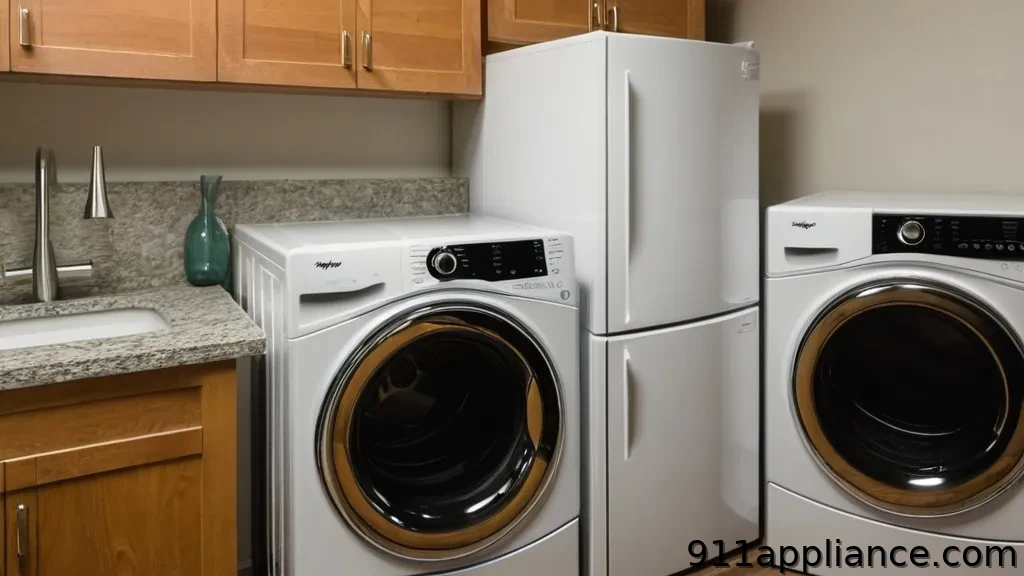
Despite your best efforts, some problems are beyond the scope of a typical DIY repair, requiring specialized knowledge and tools.
Complex Electrical Issues
Problems with the main control board, motor control boards, or internal wiring often require diagnostic equipment and expertise.
- Short Circuits: If the circuit breaker trips repeatedly, indicating a short circuit, pinpointing the exact location of the fault within the complex wiring harness can be challenging.
- Control Board Replacement: Replacing a control board involves precise connections and can be expensive. Incorrect installation could cause further damage.
Transmission and Motor Failures
Replacing a transmission or a motor is a significant undertaking, often involving heavy components and specialized tools.
- Transmission Replacement: This is a labor-intensive repair that typically requires lifting the machine or disassembling much of its structure.
- Motor Replacement: While sometimes more accessible, motor replacement can still be complex, involving drive belts, mounts, and electrical connections.
Major Component Defects
When fundamental parts like the outer tub seal or internal plumbing fail, professional intervention is usually necessary.
- Outer Tub Seal: This seal is located between the inner and outer tubs and is crucial for preventing leaks. Replacing it is a major repair, often requiring the machine to be disassembled.
- Internal Plumbing: Leaks from internal hoses or pipes that are difficult to access can be time-consuming and complex to diagnose and repair.
Safety Concerns and Warranty Considerations
There are situations where attempting a repair yourself can be detrimental.
- Risk of Further Damage: Incorrect disassembly or reassembly can cause more extensive and costly damage to the appliance.
- Voiding Warranty: If your washing machine is still under warranty, attempting unauthorized repairs can void the warranty agreement. Always check your warranty terms before proceeding with repairs.
- Personal Safety: As previously emphasized, working with electricity and water carries inherent risks. If you are uncomfortable or unsure about any step, it is always safer to entrust the repair to a qualified technician. A professional technician has the experience, tools, and diagnostic capabilities to efficiently and safely address the issue, ensuring your washing machine returns to reliable operation.
This guide has provided an overview of common washing machine problems and their potential solutions. Remember, understanding your appliance’s mechanics is the first step in maintaining its longevity and functionality.