So, your GE dishwasher is acting up, huh? It’s a bummer when a household workhorse decides to take a break, but thankfully, many common issues are fixable without needing to call in the cavalry immediately. This guide is designed to help you get a handle on what might be going on with your GE dishwasher and, hopefully, get it back to sparkling clean duty.
Table of Contents
- When Your GE Dishwasher Refuses to Fill with Water
- The Door Latch Isn’t Engaged
- GE Dishwasher Not Draining? Here’s What to Do.
- Dishes Still Dirty? Let’s Troubleshoot Your GE Dishwasher’s Cleaning Performance.
- Strange Noises from Your GE Dishwasher?
- Why Is My GE Dishwasher Leaking?
- When to Call a Professional for Your GE Dishwasher
We’ll walk through some of the most frequent culprits, from water not filling to dishes not getting clean, and offer practical solutions you might be able to tackle yourself. Think of this as a friendly chat about what to do when your GE dishwasher isn’t performing as it should.
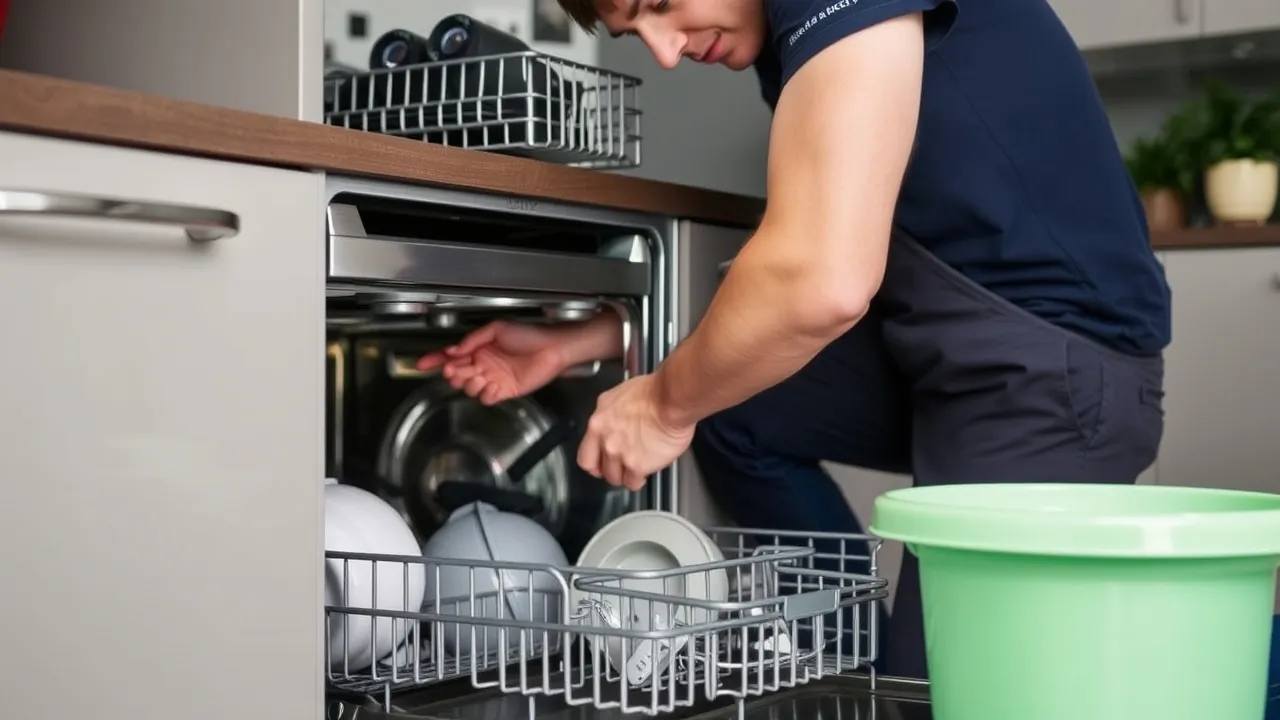
When Your GE Dishwasher Refuses to Fill with Water
This is a pretty common and frustrating problem. You’ve loaded it up, hit start, and… nothing. Or maybe just a faint hum. Let’s figure out why the water isn’t cooperating.
The Door Latch Isn’t Engaged
It sounds simple, but the dishwasher needs to know the door is securely shut to start its cycle.
- What to check: Make sure nothing is preventing the door from closing completely. Sometimes, a dishrag or a stray utensil can get lodged. Also, physically push on the door to ensure it’s snug.
- The fix: If you hear a distinct “click” when you close the door, the latch is likely engaging properly. If it feels loose or wobbly, the latch itself might be the issue.
The Water Supply Valve is Off
This might seem obvious, but sometimes utility valves can get bumped or turned accidentally.
- What to check: Look under your sink. You should see a small valve (often with a blue or red handle) that controls the hot water supply to the dishwasher. Ensure this valve is fully open, usually by turning the handle perpendicular to the pipe.
- The fix: If the valve was off or partially closed, open it all the way. Then, try running a short rinse cycle to see if water enters.
The Inlet Water Hose is Kinked or Blocked
The hose connecting your home’s water supply to the dishwasher could be the bottleneck.
- What to check: Gently pull your dishwasher out slightly (if possible and safe to do so – unplugging it first is a good idea here!) to inspect the water inlet hose. Look for any sharp bends, kinks, or visible damage. Also, make sure it’s not crushed by other plumbing or appliances.
- The fix: Straighten out any kinks. If the hose is severely damaged or old, it might be time for a replacement. This is a relatively straightforward DIY part replacement if you’re comfortable with basic plumbing.
The Water Inlet Valve is Faulty
This is the component that actually controls the flow of water into your dishwasher. If it’s not opening, no water gets in.
- What to check: This requires a bit more investigation. With the power to the dishwasher off, you might need to access the inlet valve (usually located where the water hose connects to the dishwasher body). You can test for continuity using a multimeter if you have one and know how to use it.
- The fix: If the inlet valve is indeed faulty, it will need to be replaced. This is a common part to fail over time.
If you’re looking to understand more about the costs associated with appliance repair, including dishwasher repair, you might find this article on appliance repair technician salaries insightful. It provides valuable information on the financial aspects of hiring a professional for your repair needs. For more details, you can read the article here: How Much Does an Appliance Repair Technician Make?.
GE Dishwasher Not Draining? Here’s What to Do.
Another classic dishwasher woe is when it finishes a cycle (or stops mid-cycle) but leaves you with a pool of murky water at the bottom.
The Drain Filter is Clogged
This is probably the most frequent cause of draining problems. The filter is designed to catch food debris.
- What to check: Most GE dishwashers have a removable filter at the bottom of the tub. Consult your owner’s manual for its exact location and how to remove it. It’s usually a cylindrical or screen-like component.
- The fix: Carefully remove the filter and rinse it thoroughly under running water. Use a soft brush to dislodge any stubborn bits of food or grease. Reinstall it properly, ensuring it’s seated correctly to prevent debris from entering the pump.
The Drain Hose is Kinked or Blocked
Similar to the inlet hose, the drain hose can also cause issues.
- What to check: Inspect the drain hose, which usually runs from the dishwasher to your sink’s garbage disposal or a standpipe under the sink. Look for any kinks, twists, or blockages. Sometimes, food debris can back up into the hose from the sink plumbing.
- The fix: Straighten out the hose. If you suspect a blockage, you might be able to clear it by disconnecting the hose (have towels ready!) and gently probing with a thin, flexible object or by running water through it.
The Air Gap is Clogged (If You Have One)
An air gap is a small, often chrome-plated fixture on your countertop or sink that prevents wastewater from siphoning back into the dishwasher.
- What to check: The air gap has a cap that can be removed. Inside, you’ll find a series of small tubes. Food debris can accumulate here.
- The fix: Remove the cap and clean out any gunk from the internal components of the air gap. Make sure the tubes are clear.
The Drain Pump Impeller is Obstructed
The drain pump is what actually pushes the water out. If its impeller is blocked, it can’t do its job.
- What to check: This is a bit more involved. You’ll need to access the drain pump, often from the underside of the dishwasher. If you can safely reach the impeller (sometimes you can feel it through the pump housing), gently try to turn it. If it’s stiff or won’t move, there’s likely an obstruction.
- The fix: Remove the obstruction. This could be a piece of glass, a cherry pit, or other hard debris. If the impeller itself is damaged, the pump will need replacing.
Dishes Still Dirty? Let’s Troubleshoot Your GE Dishwasher’s Cleaning Performance.
You’re getting water, it’s draining, but your dishes are coming out less than sparkling. What gives?
Improper Loading Techniques
This is a huge factor that people often overlook. How you arrange your dishes matters.
- What to check: Are large items blocking the spray arms? Are heavily soiled items facing the spray jets? Are delicate items placed where they might get damaged?
- The fix: Load larger items on the bottom rack and smaller items on the top. Ensure nothing is obstructing the spinning spray arms. Face heavily soiled dishes towards the center of the dishwasher. Don’t overcrowd the machine; give items space.
Low Water Temperature
Dishwashers use hot water to effectively blast away grease and food particles.
- What to check: Has your home’s hot water heater been adjusted to a lower temperature? Is the dishwasher’s heating element functioning?
- The fix: Ensure your hot water heater is set to at least 120°F (49°C) for optimal cleaning. If you suspect the heating element in the dishwasher itself is bad, it will likely need to be replaced. This is a more advanced repair.
Using the Wrong Detergent or Too Little/Much
Detergent is the core of the cleaning process.
- What to check: Are you using a detergent specifically designed for dishwashers? Is it an old detergent that has lost its efficacy? Are you using the correct amount?
- The fix: Use a high-quality dishwasher detergent. Avoid using dish soap from the sink, as it will create excessive suds and can damage the machine. Refer to your manual for the recommended amount of detergent. You might also want to try a different brand or type of detergent.
Clogged or Dirty Spray Arms
If the spray arms can’t distribute water effectively, your dishes won’t get clean.
- What to check: The small holes in the spray arms can get clogged with mineral deposits or food debris.
- The fix: Remove the spray arms (they typically unscrew). Use a toothpick or a small, stiff brush to clear out any blockages in the nozzles. Rinse the spray arms thoroughly before reattaching them.
Strange Noises from Your GE Dishwasher?
A dishwasher shouldn’t sound like a construction site. Unusual noises often point to specific problems.
Grinding or Scraping Sounds
This usually indicates something is interfering with the pump or motor.
- What to check: This often goes back to debris caught in the drain filter or pump impeller, as mentioned earlier.
- The fix: Thoroughly clean the drain filter and inspect the drain pump for any obstructions. If the noise persists after clearing debris, the pump motor itself might be failing and will need replacement.
Humming or Buzzing Sounds Without Water Flow
If you hear a motor humming but no water is filling or draining, it could be the fill or drain pump trying to work against a blockage or a faulty component.
- What to check: Revisit the inlet hose and valve for filling issues, or the drain hose and pump for draining issues.
- The fix: Address any kinks or blockages in the respective hoses. If the pumps themselves are failing or are being blocked internally, they may need to be replaced.
Clanking or Rattling Sounds
This is often related to items moving around inside the dishwasher.
- What to check: Are dishes or utensils dislodged from their racks? Are the spray arms hitting anything?
- The fix: Ensure everything is securely placed on the racks. Make sure larger items are not leaning into the path of the spray arms.
If you’re looking to tackle your dishwasher repair on your own, it’s essential to equip yourself with the right knowledge and techniques. A great resource for this is an article that offers valuable tips for effective and safe DIY appliance repair. You can read more about it here. This guide can help you understand common issues and provide step-by-step instructions to ensure your repair goes smoothly.
Why Is My GE Dishwasher Leaking?
Leaks are not only messy but can also cause water damage. Let’s pinpoint the source.
Door Gasket is Damaged or Dirty
The rubber seal around the door is critical for keeping water inside.
- What to check: Inspect the rubber gasket for any tears, cracks, or signs of wear. Also, check for any food debris or residue stuck to it.
- The fix: Clean the gasket with warm, soapy water. If it’s damaged, it will need to be replaced. This is usually a straightforward repair.
Clogged Drain or Inlet Hoses (Again!)
Yes, these can cause leaks too! If a kink is severe, water might find a way out before reaching its intended destination, or a blockage could cause pressure to build up.
- What to check: As mentioned before, inspect both hoses for kinks, twists, or blockages.
- The fix: Straighten or clear any blockages. Ensure hose connections are tight.
Issues with the Water Inlet Valve
A faulty inlet valve can sometimes leak water even when the cycle isn’t running, or it might not seal properly.
- What to check: Inspect the area where the water inlet valve is located for any signs of dripping.
- The fix: If the water inlet valve is leaking, it needs to be replaced.
Cracked Tub or Base
This is less common but can happen, especially with older or damaged dishwashers.
- What to check: This is harder to visually inspect without significant disassembly. You’ll often notice leaks appearing from underneath the unit.
- The fix: If the tub or base is cracked, it’s often a sign that the dishwasher is nearing the end of its lifespan, and a replacement might be more practical than a costly repair.
When to Call a Professional for Your GE Dishwasher
While many of these tips can help you fix common issues, some problems are best left to the experts. Don’t hesitate to call in a qualified GE appliance repair technician if:
- You’re not comfortable or experienced with appliance repair. Working with electricity and water can be dangerous if you’re not sure what you’re doing.
- The problem involves complex electrical components. Issues with wiring, control boards, or the main motor often require specialized knowledge and tools.
- You’ve tried the DIY solutions and the problem persists. If you’ve gone through the troubleshooting steps and your dishwasher is still misbehaving, it’s time to get professional help.
- The repair involves significant disassembly. Some components are harder to access and replace without specialized equipment or knowledge.
- Your GE dishwasher is still under warranty. Attempting DIY repairs on a warranted appliance can sometimes void the warranty.
Getting a professional to diagnose and fix the problem can save you time, frustration, and potentially prevent further damage.
By understanding these common issues and their potential solutions, you’re in a much better position to get your GE dishwasher back in top shape. Happy dishwashing!