Looking for a washer fixer near you in San Diego? 911 Appliance Repair has been repairing washing machines for San Diego families since 1991. Our locally based technicians arrive in fully stocked trucks to complete most washer repairs in a single visit, covering neighborhoods from La Jolla to El Cajon. Whether your washer won’t drain, won’t spin, or won’t start, our factory-trained team gets your machine running again fast. Call 800-929-1192 for quick washer repair in San Diego.
Table of Contents
- Power Supply Verification
- Water Supply and Drainage Checks
- Door Latch Mechanism
- Decoding Machine Malfunctions: Common Symptoms and Potential Causes
- No Power or Machine Won’t Start
- Water Issues: No Fill, Slow Fill, or Continuous Drainage
- Spin Cycle Problems: Vibration, Noise, and Wet Clothes
- Leaks and Odors
- The Repair Imperative: When to Call a Professional
- Diagnostic Limitations
- Tools and Parts Availability
- Time and Cost Efficiency
- Finding a Quick Washer Fixer Near You: Selecting the Right Technician
- Research and Referrals
- Qualifications and Experience
- Pricing and Warranty Structure
- Customer Service and Reputation
- Preventive Maintenance: Extending Your Washer’s Lifespan
- Regular Cleaning
- Checking Hoses and Filters
- Proper Loading Techniques
- Using the Correct Detergent
Looking for a washer fixer near you in San Diego? 911 Appliance Repair has served San Diego County homeowners since 1991 with same-day washer repair, a $49.95 house call that is free with any repair, and a 1-year warranty on parts and labor. Call 800-929-1192 to schedule service in La Mesa, Chula Vista, La Jolla, Poway, El Cajon, Encinitas, and surrounding areas.
This article addresses the common issue of washing machine malfunction and provides guidance for consumers seeking repair services. It examines the various factors involved in identifying a problem, diagnosing its cause, and selecting a qualified technician. The aim is to equip you, the reader, with sufficient information to make informed decisions regarding the repair of your washing machine.
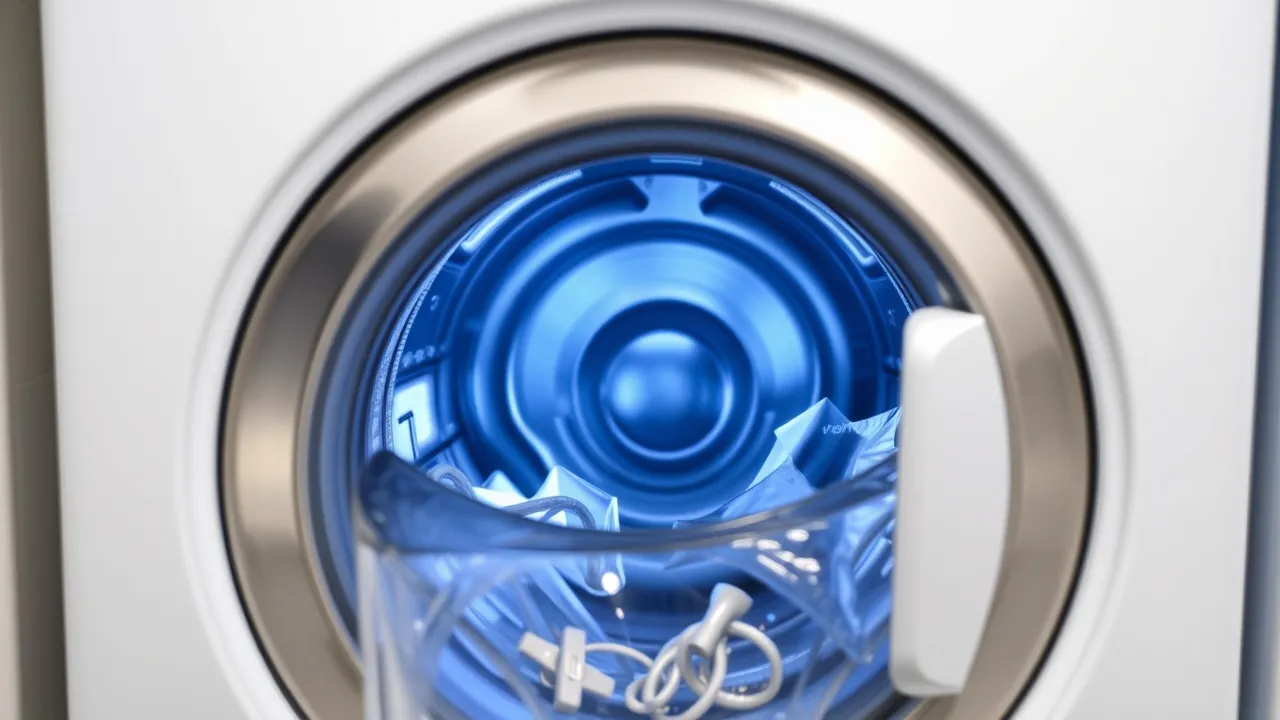
A washing machine, a cornerstone of modern domestic life, can abruptly cease to function, leaving a pile of soiled laundry in its wake. Before contacting a professional, a methodical approach to troubleshooting can often identify simple, user-rectifiable issues.
Power Supply Verification
The most fundamental check involves the power supply. A washing machine, like any electrical appliance, requires a consistent flow of electricity.
- Plug Connection: Ensure the power cord is securely plugged into a functioning electrical outlet. A loose connection can mimic a more serious fault.
- Circuit Breaker: Locate your home’s electrical panel. A tripped circuit breaker, often marked “Washer” or “Laundry,” will interrupt power to the appliance. Resetting a tripped breaker can restore function. If the breaker trips immediately after being reset, it indicates an underlying electrical fault within the machine or the circuit itself, necessitating professional intervention.
- Outlet Functionality: Test the outlet with another small appliance, such as a lamp or a hair dryer, to confirm it is supplying power. This isolates the problem to either the outlet or the washing machine.
Water Supply and Drainage Checks
Water, the very medium of a washing machine’s operation, must flow in and out unimpeded.
- Water Inlet Hoses: Confirm that both hot and cold water supply valves are fully open. Kinked or blocked hoses can restrict water flow, preventing cycles from starting or filling properly. Inspect the mesh filters at the end of the hoses where they connect to the machine; these can become clogged with sediment.
- Drain Hose: A blocked or improperly positioned drain hose is a common culprit for issues like standing water or slow drainage. Ensure the hose is not kinked, crushed, or pushed too far down into the standpipe, which can create a siphon effect and continuously drain the machine.
- Filter Examination: Many front-loading washing machines have a small, accessible filter at the bottom front. This filter traps lint, coins, and other debris that can impede drainage. Refer to your owner’s manual for instructions on how to clean this filter.
Door Latch Mechanism
Modern washing machines incorporate safety features to prevent operation with an open or improperly latched door.
- Secure Closure: Ensure the washing machine door is firmly closed and latched. A faulty door switch or latch can prevent the machine from starting or progressing through its cycle. A distinct “click” often indicates a successful latch.
- Obstruction Removal: Check for any laundry items or foreign objects that might be obstructing the door from closing completely.
If you’re looking for expert advice on how to troubleshoot and fix your washing machine, you might find this related article helpful: La Solucion de Problemas de Lavadoras. It provides valuable insights into common washer issues and offers practical solutions that can save you time and money. Whether you’re dealing with a noisy machine or a washer that won’t spin, this resource can guide you through the repair process.
Decoding Machine Malfunctions: Common Symptoms and Potential Causes
Washing machines communicate their distress through a variety of symptoms. Understanding these signals can aid in both initial diagnosis and communicating effectively with a technician.
No Power or Machine Won’t Start
When the machine remains inert despite confirmed power supply, the problem often lies within its internal electrical or control systems.
- Control Panel Issues: A non-responsive control panel, whether digital or analog, can indicate a fault with the main control board or a loose connection.
- Start Button Failure: The physical start button itself can fail due to wear and tear, preventing the machine from initiating a cycle.
- Thermal Fuse Activation: Overheating can trigger a thermal fuse, a safety device designed to protect the motor. Its activation indicates a deeper issue, like a failing motor or excessive load.
Water Issues: No Fill, Slow Fill, or Continuous Drainage
Problems related to water input and output are frequent and often have discernible causes.
- Inlet Valve Malfunction: If water does not enter the drum, or enters slowly, the water inlet valve may be clogged or faulty. This valve, an electromagnetically controlled component, opens to allow water to flow into the machine.
- Pressure Switch Fault: The pressure switch detects the water level in the drum. If it malfunctions, the machine may overfill, underfill, or not fill at all. It acts as the machine’s “eyes” regarding water volume.
- Drain Pump Blockage or Failure: A noisy or non-operating drain pump is a primary cause for standing water in the drum. Debris can block the impeller, or the motor itself can burn out.
- Siphon Effect: As mentioned previously, if the drain hose is pushed too far into the standpipe, it can create a continuous siphon, draining water away as fast as it enters, or even during the wash cycle.
Spin Cycle Problems: Vibration, Noise, and Wet Clothes
A washing machine’s spin cycle is critical for water extraction. Issues here often relate to balance, bearings, or motor function.
- Unbalanced Load: This is arguably the most common cause of excessive vibration and noise during the spin cycle. The machine’s internal sensors may detect an imbalance and attempt to redistribute the load, or halt the cycle entirely.
- Worn Drum Bearings: A grinding or rumbling noise, particularly noticeable during the spin cycle, often points to worn drum bearings. This is a significant repair, as accessing and replacing bearings typically involves dismantling a substantial portion of the machine’s tub.
- Shock Absorber/Suspension Rods: These components dampen vibrations. Worn or broken shock absorbers or suspension rods can lead to violent shaking and movement during the spin cycle, making the machine seem like a trapped, thumping beast.
- Drive Belt Issues: Many top-loading and some front-loading machines use a drive belt to transfer power from the motor to the drum. A loose, worn, or broken belt will result in a lack of drum rotation during the wash or spin cycle.
- Motor or Motor Coupling Failure: If the drum does not spin at all, or spins weakly, the motor itself or the motor coupling (a component connecting the motor to the transmission in some models) could be at fault.
Leaks and Odors
Leaks can range from minor drips to significant puddles, while unpleasant odors indicate bacterial or mold growth.
- Hose Connections: Loose or damaged inlet or drain hoses are a frequent source of leaks. Inspect all connections for tightness and signs of cracking in the rubber.
- Door Gasket/Bellows: In front-loading machines, the rubber gasket around the door (bellows) can tear, crack, or accumulate mold, leading to leaks and odors. Regular cleaning is crucial.
- Dispenser Drawer: Clogged or moldy detergent dispenser drawers can overflow or develop unpleasant smells.
- Internal Component Failure: Leaks can also stem from internal components like the water pump, tub seal, or internal hoses, necessitating professional diagnosis.
- Mold and Mildew: A pervasive musty odor often indicates the presence of mold and mildew, particularly in the detergent dispenser, door gasket, and within the drum itself. This is often due to residual moisture.
The Repair Imperative: When to Call a Professional
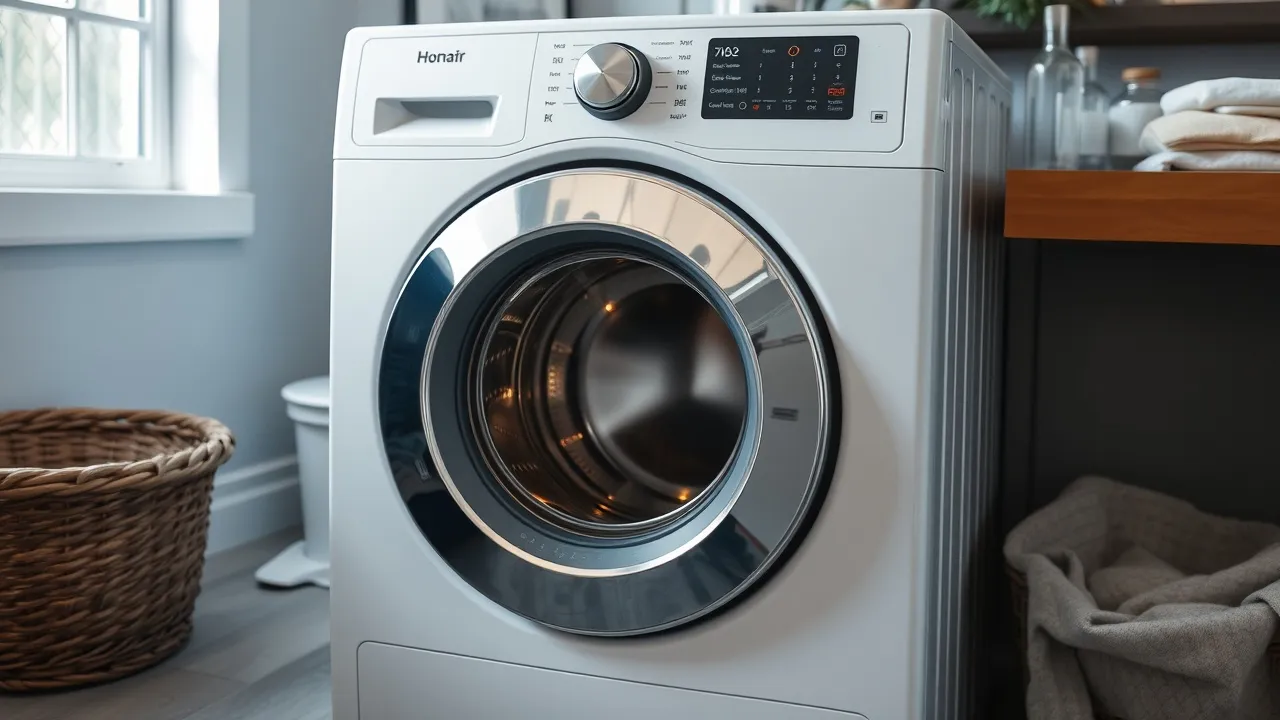
While basic troubleshooting can resolve minor issues, certain symptoms definitively point towards the need for professional expertise. Attempting complex repairs without the requisite knowledge or tools can exacerbate the problem, void warranties, or even pose safety risks.
Diagnostic Limitations
Your diagnostic capabilities, as a homeowner, are inherently limited. Without specialized tools and training, identifying the root cause of many internal failures remains a challenge.
- Complex Electrical Systems: Modern washing machines integrate intricate electrical control boards and sensor arrays. Diagnosing faults in these systems requires diagnostic equipment and an understanding of circuit diagrams.
- Internal Component Access: Many critical components, such as the motor, transmission, or heating element, are located deep within the machine’s chassis, often requiring significant disassembly.
- Safety Concerns: Working with high voltage electricity or pressurized water systems without proper precautions carries a significant risk of electric shock, burns, or structural damage.
Tools and Parts Availability
Professional technicians possess not only the knowledge but also the specific tools and access to genuine replacement parts that are often unavailable to the general public.
- Specialized Tools: Certain repairs require specialized wrenches, pullers, or diagnostic meters that a typical homeowner does not own.
- Genuine Parts: Using generic or aftermarket parts can sometimes lead to suboptimal performance or even further damage. Professional repair services often have access to original equipment manufacturer (OEM) parts, ensuring compatibility and longevity.
- Warranty Considerations: Attempting self-repair can often void existing manufacturer warranties or extended service plans.
Time and Cost Efficiency
While seemingly counterintuitive, engaging a professional can often be more time and cost-efficient in the long run, comparing to an unsupervised self-repair attempt.
- Efficient Diagnosis: An experienced technician can quickly and accurately diagnose the problem, bypassing the trial-and-error approach often adopted by amateurs.
- Preventing Further Damage: Incorrect repairs can cause additional damage, turning a minor issue into a major overhaul. A professional mitigates this risk.
- Long-Term Reliability: Proper repair by a qualified technician generally results in a more reliable and lasting fix, reducing the likelihood of recurring problems.
Finding a Quick Washer Fixer Near You: Selecting the Right Technician
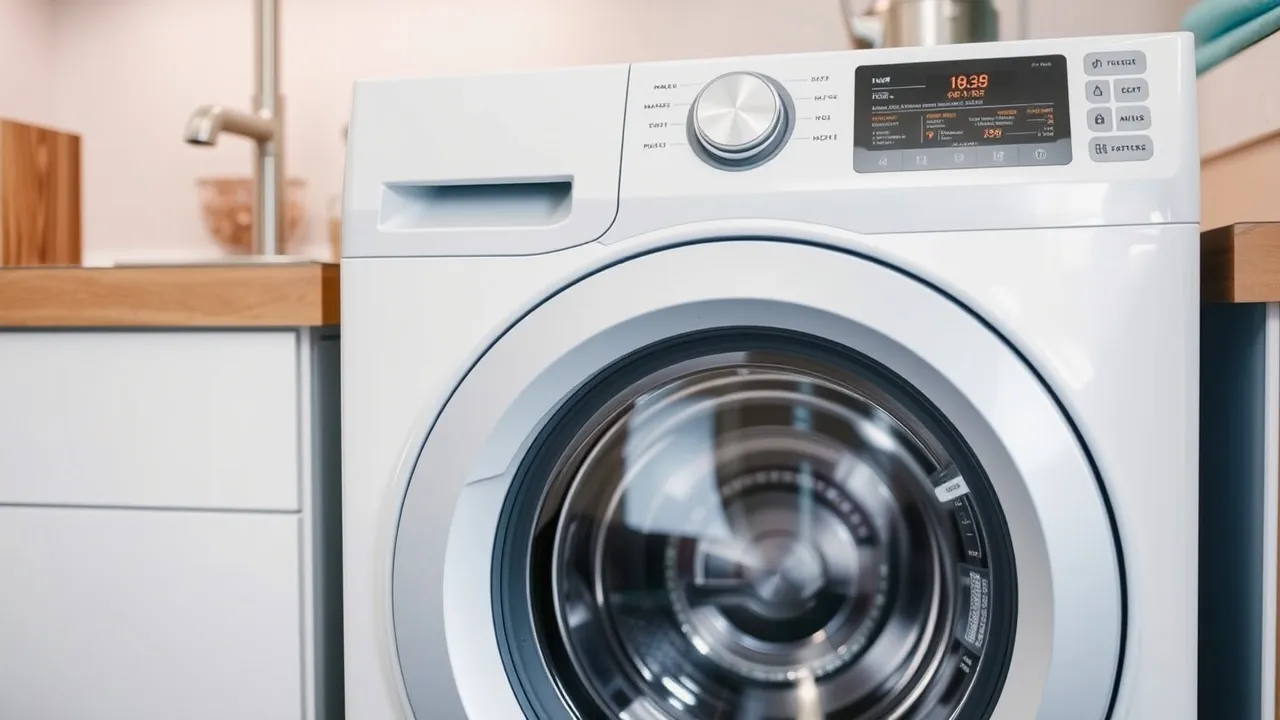
The search for a qualified washing machine repair technician involves evaluating several key factors to ensure a competent and transparent service experience. Treat this process like an interview, seeking concrete answers to your questions.
Research and Referrals
Begin your search by leveraging established resources and personal networks.
- Online Search Engines: Utilize specific search terms like “washing machine repair near me,” “appliance repair [your city],” or “[brand name] washer repair.”
- Manufacturer Websites: Many washing machine manufacturers provide a list of authorized service centers on their websites. This is often the best route for machines still under manufacturer warranty.
- Local Directories: Check local business directories, both online and in print.
- Referrals: Ask friends, family, and neighbors for recommendations. Personal experiences often offer the most reliable insights into a technician’s professionalism and skill.
Qualifications and Experience
A technician’s expertise is paramount. Do not shy away from asking direct questions about their credentials.
- Certifications: Inquire about any professional certifications or factory training specific to appliance repair or major washing machine brands.
- Experience Level: Ask how long the company has been in business and how much experience the specific technician assigned to your job has with washing machine repairs in general, and ideally, with your particular brand and model.
- Specialization: Some technicians specialize in specific appliance types. If your machine is a less common type (e.g., a commercial-grade washer), seek a technician with relevant experience.
Pricing and Warranty Structure
Clarity regarding costs and guarantees is essential to avoid unexpected expenses or unsatisfactory service.
- Service Call Fee: Understand if there is a separate charge for the initial diagnostic visit, and whether this fee is waived or applied towards the total repair cost if you proceed with the repair.
- Estimates: Request a written estimate before any work begins. This document should detail parts, labor, and any additional charges. A reputable company will provide a clear, itemized estimate.
- Warranty on Repairs: Inquire about the warranty offered on both parts and labor. A common warranty period for appliance repairs is 30 to 90 days. A longer warranty period often indicates greater confidence in the quality of the repair.
- Payment Methods: Confirm accepted payment methods in advance.
Customer Service and Reputation
A professional demeanor and positive customer feedback are strong indicators of a reliable service provider.
- Communication: Assess their professionalism during initial contact. Are they responsive, courteous, and clear in their communication?
- Online Reviews: Consult reputable review platforms (e.g., Google Reviews, Yelp, Better Business Bureau) to gauge other customers’ experiences. Look for patterns in feedback, both positive and negative.
- Insurance and Licensing: Ensure the company is properly insured and licensed, protecting you from liability in case of an accident on your property.
If you’re experiencing issues with your washer and need a reliable solution, you might find it helpful to read about common problems with appliances in this informative article. It provides insights into troubleshooting various appliances, including ovens, which can be quite similar in terms of repair needs. For more details, check out the article on troubleshooting Wolf oven issues at this link. This resource can guide you in understanding appliance malfunctions and help you decide whether to call a washer fixer near you or attempt a DIY repair.
Preventive Maintenance: Extending Your Washer’s Lifespan
| Service Provider | Location | Rating | Availability |
|---|---|---|---|
| ABC Appliance Repair | Downtown | 4.5 | Same-day |
| XYZ Repair Services | Midtown | 4.2 | Next-day |
| Quick Fix Appliances | Uptown | 4.0 | Same-day |
While this article has focused on repair, it’s important to acknowledge that proactive measures can significantly reduce the need for emergency services. Regular maintenance is the key to a long-lasting washing machine.
Regular Cleaning
- Action: Clean the dispenser drawers, the interior of the drum, and the door seal regularly to prevent mold, mildew, and odor buildup.
- Importance: A clean machine operates more efficiently and is less prone to component corrosion.
Checking Hoses and Filters
- Action: Periodically inspect water inlet and drain hoses for signs of wear, cracking, or bulging. Clean out lint traps and filters on a regular basis.
- Benefit: This simple check can prevent catastrophic leaks and drainage failures.
Proper Loading Techniques
- Action: Avoid overloading the washer, as this puts unnecessary strain on the motor, suspension, and drum bearings. Distribute laundry evenly to minimize imbalance during the spin cycle.
- Benefit: Proper loading extends the life of internal components and reduces the likelihood of breakdowns.
Using the Correct Detergent
- Action: Use high-efficiency (HE) detergent in HE machines and avoid using excessive amounts of detergent. Too much detergent can cause oversudsing, residue buildup, and damage to internal components.
- Benefit: Correct detergent usage ensures optimal cleaning performance and prevents unnecessary wear on the machine’s pump and seals.
By understanding the common problems, knowing what to look for in a repair service, and practicing preventive maintenance, you can ensure your washing machine remains a reliable cornerstone of your household for years to come.