Dryers are commonplace in modern households, providing a convenience that many consider essential. When a dryer malfunctions, the disruption can range from minor inconvenience to significant logistical challenges, particularly for families or individuals with extensive laundry needs. This article aims to provide a comprehensive guide to understanding and addressing common dryer repair needs, focusing on the practical aspects of seeking and evaluating local repair services. Readers will gain insights into diagnosing basic issues, understanding the repair process, and making informed decisions about service providers.
Table of Contents
- Understanding Common Dryer Malfunctions
- No Heat Production
- Dryer Not Turning On
- Dryer Making Unusual Noises
- Dryer Not Tumbling
- The Dryer Repair Process
- Initial Troubleshooting
- When to Call a Professional
- The Diagnostic Phase
- Repair Execution
- Finding “Quick and Reliable Dryer Appliance Repair Near Me”
- Utilizing Online Search Engines
- Gathering Referrals
- Considering Manufacturer-Authorized Service
- Evaluating Service Provider Qualities
- Preventing Future Dryer Malfunctions
- Regular Cleaning of Lint Traps and Vents
- Avoiding Overloading the Dryer
- Inspecting the Dryer Drum and Interior
- Professional Maintenance Checks
If you’re looking for insights on dryer appliance repair near you, it’s essential to understand the potential costs involved in such repairs. A helpful resource is the article on understanding common appliance repair costs, which can provide you with valuable information to make informed decisions about your appliance maintenance. You can read more about it here: Understanding Common Appliance Repair Costs.
Understanding Common Dryer Malfunctions
Understanding the common issues that can plague a dryer is the first step toward effective repair. These malfunctions can often be categorized by their symptoms, providing clues about the underlying problem.
No Heat Production
One of the most frequent and frustrating dryer problems is the absence of heat. A dryer that tumbles but fails to heat will not dry clothes effectively, leaving them damp or even wet. This issue can stem from various components.
Blown Thermal Fuse
The thermal fuse is a safety device designed to blow and cut power to the heating element if the dryer overheats. This is a non-resetting fuse, meaning once it blows, it must be replaced. A blown thermal fuse often indicates a deeper airflow restriction issue, such as a clogged vent, which caused the overheating in the first place. Therefore, while replacing the fuse is necessary, investigating the cause of the overheating is crucial to prevent recurrence.
Faulty Heating Element
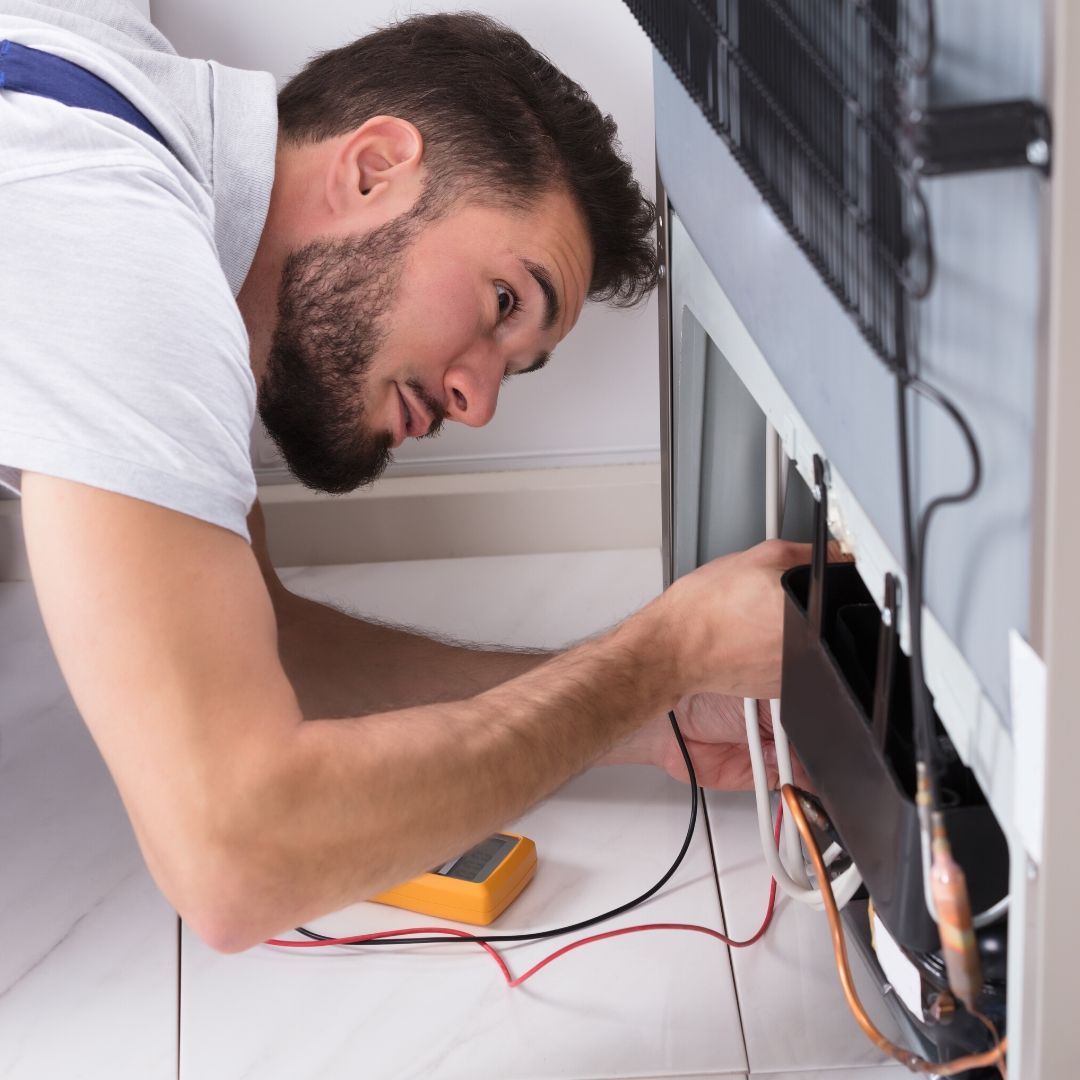
The heating element is responsible for generating the heat within the dryer drum. Over time, the coils of the heating element can break or burn out. When this happens, the dryer will continue to tumble, but no heat will be produced. Diagnosis often involves checking for continuity across the element’s terminals with a multimeter. A lack of continuity confirms the need for replacement.
Malfunctioning Thermostat
Thermostats regulate the temperature inside the dryer. Dryers typically have multiple thermostats, including an operating thermostat, a high-limit thermostat, and a cycling thermostat. If any of these fail, they can interrupt the heating cycle. A faulty thermostat might cause the dryer to not heat at all, or to overheat dramatically. Testing thermostats for continuity and proper function is part of a thorough diagnostic process.
Broken Igniter (Gas Dryers)
For gas dryers, the igniter is responsible for igniting the gas that produces heat. If the igniter is cracked or not glowing, it will fail to ignite the gas burner assembly. Other components within the gas valve assembly, such as the flame sensor or gas coils, can also contribute to a lack of heat in gas dryers.
Dryer Not Turning On
A dryer that won’t turn on is a fundamental issue, effectively rendering the appliance useless. This problem can sometimes be simple to resolve or may indicate a more complex electrical fault.
Tripped Circuit Breaker
The most straightforward cause of a dryer not turning on is a tripped circuit breaker in the household electrical panel. Dryers typically operate on a dedicated 240-volt circuit, and an overload can cause the breaker to trip. Checking and resetting the breaker is often the first troubleshooting step.
Faulty Door Switch
The door switch is a safety mechanism that prevents the dryer from operating when the door is open. If the door switch is defective, the dryer will not start, even if the door is properly closed. This component can be tested for continuity.
Defective Start Switch
The start switch initiates the dryer cycle. If this switch fails to make proper electrical contact, pressing it will have no effect, and the dryer will not power on. Diagnosis involves testing the switch for continuity.
Issues with the Thermal Fuse (Again)
As mentioned, a blown thermal fuse will cut power to the heating element. In some dryer models, a blown thermal fuse can also entirely prevent the dryer from starting, acting as a complete safety shut-off.
Dryer Making Unusual Noises
Unusual noises from a dryer can be indicative of mechanical wear and tear, and while not always preventing the dryer from operating, they often precede more significant failures. Addressing these noises promptly can prevent further damage.
Worn Drum Rollers
The dryer drum rotates on rollers that are typically made of rubber or plastic. Over time, these rollers can wear out, flatten, or seize, leading to squeaking, thumping, or grinding noises. Replacing worn drum rollers can restore quiet operation.
Defective Idler Pulley
The idler pulley maintains tension on the drive belt. If the idler pulley wears out or its bearing seizes, it can produce a loud squealing or whining noise as the dryer operates. A failing idler pulley can also contribute to the drive belt slipping or breaking.
Worn Blower Wheel
The blower wheel circulates air through the dryer. If the blower wheel becomes loose, damaged, or obstructed, it can cause a loud rattling or thumping noise. Small items, such as socks, can sometimes get past the lint filter and become lodged in the blower housing, causing noise and restricting airflow.
Broken Drive Belt
The drive belt is responsible for rotating the dryer drum. If the drive belt is frayed, stretched, or breaks, the drum will not tumble. While a broken belt typically results in no tumbling, a severely worn or slipping belt can produce squealing or thumping noises before it finally fails.
Dryer Not Tumbling
If the dryer motor runs but the drum does not rotate, the clothes will not be uniformly dried, and the machine is effectively non-functional for its primary purpose.
Broken Drive Belt (As Above)
A broken drive belt is the most common reason for a dryer drum not to tumble. When the belt snaps, the drum is no longer connected to the motor and will simply rest stationary.
Malfunctioning Motor
Less commonly, the dryer motor itself might fail, preventing the drum from tumbling. A motor failure usually presents with either no noise at all or a humming sound without any drum movement. Replacing a dryer motor can be an expensive repair, often nearing the cost-effectiveness threshold for replacing the entire appliance.
The Dryer Repair Process
When faced with a dryer malfunction, understanding the repair process can help you navigate the situation effectively. This typically involves diagnosis, repair execution, and post-repair evaluation.
Initial Troubleshooting
Before contacting a professional, a user can perform some basic troubleshooting steps. These include:
- Checking the power supply: Verify the dryer is plugged in, and the circuit breaker hasn’t tripped.
- Inspecting the lint trap and vent hose: A clogged lint trap or blocked dryer vent can cause overheating and prevent effective drying. Clean these components regularly.
- Ensuring the door is securely closed: The door switch must be engaged for the dryer to operate.
These simple checks can often resolve minor issues without professional intervention.
When to Call a Professional
While some issues are easily addressable by the homeowner, others require the expertise and specialized tools of a qualified appliance technician. You should consider calling a professional if:
- The dryer is exhibiting complex electrical issues.
- Internal components, such as heating elements or motors, require replacement.
- You are uncomfortable or lack the necessary skills and safety knowledge for appliance repair.
- Multiple components appear to be malfunctioning.
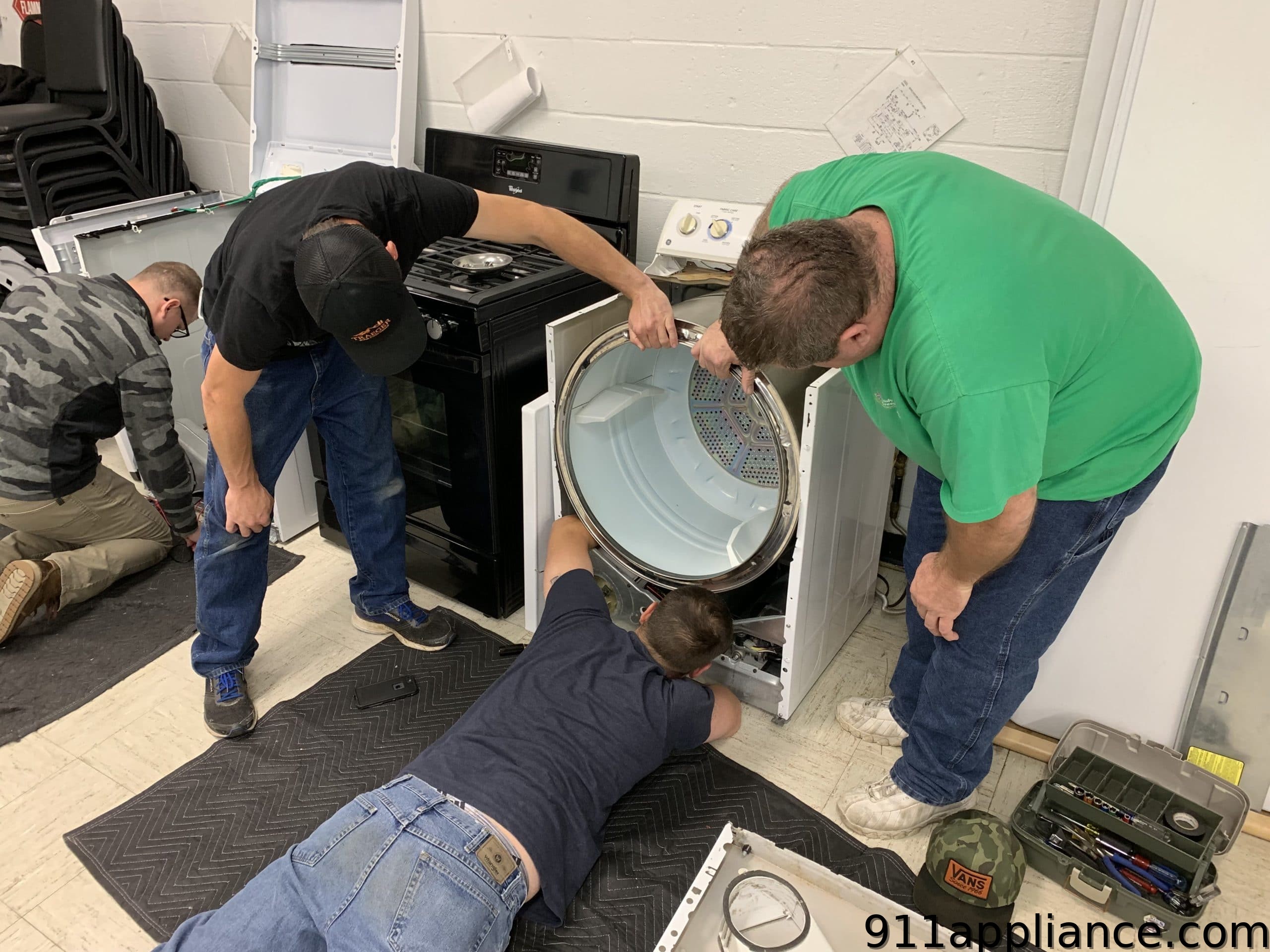
Professional technicians possess diagnostic equipment and experience to accurately identify the root cause of the problem, ensuring a correct and lasting repair.
The Diagnostic Phase
A professional repair service will typically begin with a diagnostic phase. This involves:
- Interviewing the owner: Gathering information about the symptoms, when they started, and any previous attempts at repair.
- Visual inspection: Looking for obvious signs of damage, wear, or blockages.
- Component testing: Using multimeters, specialized testers, and their knowledge of dryer schematics to test individual components for faults.
The goal of this phase is to pinpoint the exact component or system that is causing the malfunction.
Repair Execution
Once the diagnosis is complete, the technician will explain the findings, the required repairs, and provide an estimate for the cost. If approved, the repair execution involves:
- Part procurement: Sourcing the necessary replacement parts, which may be carried on the service vehicle or ordered.
- Component replacement: Carefully removing the faulty part and installing the new one, ensuring all connections and safety measures are correctly reinstated.
- Testing: Running the dryer through various cycles to confirm the repair has resolved the issue and the appliance is operating correctly and safely.
Finding “Quick and Reliable Dryer Appliance Repair Near Me”
The search for local appliance repair services often presents a paradox: the need for speed typically clashes with the desire for reliability. Successfully navigating this search requires a strategic approach.
Utilizing Online Search Engines
The most common starting point is a search engine query such as “dryer repair near me” or “appliance repair [your city]”. This will yield a list of local businesses. However, merely appearing in a search result does not equate to quality.
Reading Customer Reviews
Customer reviews on platforms like Google, Yelp, and Angi (formerly Angie’s List) offer insights into a company’s reputation. Look for patterns in feedback regarding:
- Punctuality: Did the technicians arrive on time?
- Diagnosis accuracy: Were repairs effective and long-lasting?
- Pricing transparency: Was the quoted price consistent with the final bill?
- Professionalism: Was the communication clear and respectful?
Be wary of companies with an overwhelming number of highly positive, generic reviews, as these can sometimes be fabricated. Conversely, a few negative reviews are not necessarily a deterrent if the company demonstrates a willingness to address customer concerns.
Checking for Certifications and Affiliations
Reputable repair companies often boast certifications from industry organizations, appliance manufacturers, or trade associations. While not universally required, these can indicate a commitment to professional standards and ongoing training. For instance, some technicians may be factory-trained for specific brands, which can be an advantage for complex repairs.
Gathering Referrals
Word-of-mouth recommendations from friends, family, and neighbors can be a valuable resource. Personal experiences often provide a more trusted perspective than anonymous online reviews. Inquire about:
- Specific repair issues: Did the recommended technician fix a similar dryer problem?
- Overall satisfaction: Would they use the service again?
- Cost-effectiveness: Was the repair fairly priced?
Considering Manufacturer-Authorized Service
For newer dryers still under warranty, it is often mandatory to use manufacturer-authorized service technicians to maintain warranty validity. Even for out-of-warranty appliances, manufacturer-authorized services often have direct access to genuine parts and brand-specific diagnostic tools, potentially leading to more accurate and reliable repairs. Their prices, however, may be higher than independent repair shops.
Evaluating Service Provider Qualities
When considering different repair services, several factors warrant attention to ensure you choose a reliable provider.
Experience and Expertise
A service provider with a lengthy history of appliance repair is generally more likely to possess a broad understanding of various dryer models and their common faults. Technicians should be able to diagnose issues efficiently.
Transparent Pricing Model
A trustworthy repair service will provide a clear estimate before commencing work. This typically includes a diagnostic fee (which may be waived if you proceed with the repair) and the cost of parts and labor. Avoid companies that are vague about their pricing or demand payment before providing a diagnostic assessment.
Warranty on Repairs and Parts
A reliable service provider will stand behind their work and the parts they install. Inquire about the warranty period for both labor and replacement parts. A warranty provides assurance that if the same issue recurs shortly after repair, it will be addressed without additional cost. Typical warranties might range from 30 days to 1 year on labor and parts.
Responsiveness and Scheduling
When a dryer is out of commission, timely service is often a priority. Evaluate how quickly a company responds to inquiries and their typical scheduling availability. Some companies offer emergency services, albeit often at a premium.
If you’re facing issues with your dryer and searching for reliable repair services nearby, it’s essential to find professionals who can address your concerns efficiently. A great resource to consider is an article that discusses how expert appliance repair can revitalize your home. You can read more about it in this informative piece on appliance repair services. For more details, check out this article to learn how to ensure your appliances are in top shape.
Preventing Future Dryer Malfunctions
| Metric | Value | Notes |
|---|---|---|
| Average Repair Cost | 75 – 150 | Varies by issue and location |
| Common Repair Issues | Heating element, drum belt, thermostat, lint trap | Most frequent causes of dryer malfunction |
| Average Repair Time | 1 – 3 hours | Depends on complexity of the problem |
| Availability of Local Repair Services | High | Many technicians available in urban areas |
| Customer Satisfaction Rate | 85% | Based on online reviews and ratings |
| Warranty on Repairs | 30 – 90 days | Varies by service provider |
| Emergency Repair Services | Available | Some providers offer same-day service |
While repairs are sometimes inevitable, proactive maintenance can significantly extend the life of your dryer and prevent many common issues.
Regular Cleaning of Lint Traps and Vents
This is arguably the most critical preventive measure. Clean the lint trap after every load. At least once a year, the entire dryer vent system, from the back of the dryer to the exterior vent hood, should be thoroughly cleaned of lint buildup. Clogged vents restrict airflow, lead to overheating (stressing heating elements and thermal fuses), increase drying times, and pose a significant fire hazard. Consider this as the dryer’s circulatory system; if it’s clogged, the whole system suffers.
Avoiding Overloading the Dryer
Overloading the dryer can strain the motor, drive belt, rollers, and bearings. It also reduces airflow, making the dryer less efficient and increasing drying times. Always adhere to the manufacturer’s recommended load capacity.
Inspecting the Dryer Drum and Interior
Periodically check the dryer drum for foreign objects, such as coins, pens, or small items of clothing, that may have bypassed the lint filter. These can get caught in the blower wheel or other moving parts, causing noise and damage.
Professional Maintenance Checks
Consider scheduling a professional maintenance check every few years. A technician can inspect internal components, ensuring everything is functioning optimally, and identify potential issues before they escalate into major breakdowns. This can be viewed as a “check-up” for your appliance, analogous to regular vehicle maintenance.