Troubleshooting Tips and Solutions
Understanding and Maintaining Your Samsung Refrigerator: A Guide to Troubleshootin.
Table of Contents
- Persistent Warmth or Inadequate Cooling
- Temperature Fluctuations and Inconsistent Cold
- Freezer Working, Refrigerator Not Cooling
- Addressing Strange Noises and Vibrations
- Unusual Sounds Emanating from the Appliance
- Vibrations Beyond the Normal Hum
- Resolving Water Leaks
- Detecting the Source of Water
- Troubleshooting Display and Control Panel Glitches
- Unresponsive or Erratic Display Behavior
- Frozen or Unresponsive Buttons
- When to Call a Samsung-Certified Professional
- Recognizing the Limits of DIY Troubleshooting
- The Benefits of Samsung Certified Repair Services
- FAQs
- What are common issues with Samsung refrigerators that may require repair?
- How can I troubleshoot temperature problems in my Samsung refrigerator?
- What should I do if the ice maker in my Samsung refrigerator stops working?
- When is it necessary to call a professional for Samsung refrigerator repair?
- How can I maintain my Samsung refrigerator to prevent common problems?
Your Samsung refrigerator, a sophisticated appliance designed to preserve your food and enhance your kitchen’s functionality, can sometimes present challenges. When your refrigerator deviates from its optimal performance, it can feel like a significant disruption. This guide aims to equip you with the knowledge to understand common issues and, where appropriate, implement solutions, or to be better prepared when you need to call in professional expertise. By understanding the inner workings of your appliance and recognizing the signs of trouble, you can extend its lifespan and ensure its efficient operation.
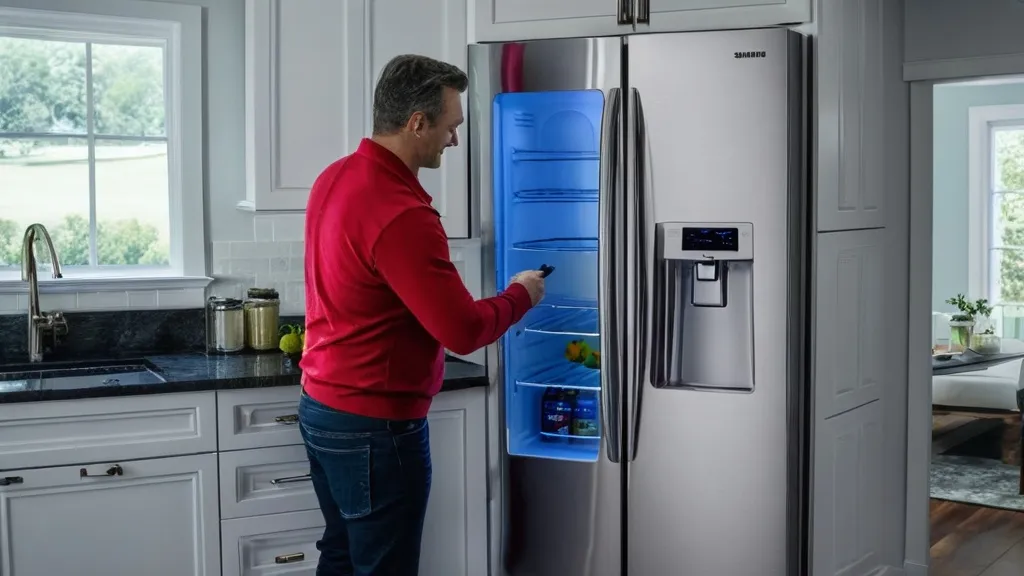
Insufficient or inconsistent cooling is arguably the most common ailment that can affect a refrigerator. This issue can manifest in various ways, from food spoiling prematurely to the appliance running constantly without achieving the desired temperature. Before assuming a major component failure, consider these fundamental checks.
Persistent Warmth or Inadequate Cooling
When you notice that your refrigerator compartment is not as cold as it should be, the first place to direct your attention is often the simplest: the condenser coils. These coils, typically located at the back or underneath your refrigerator, act as the cooling system’s radiators, dissipating heat. Over time, dust, pet hair, and other debris can accumulate on these coils, forming a blanket that hinders their efficiency. Think of it like trying to breathe through a thick scarf; the system struggles to release heat effectively, leading to prolonged run times and suboptimal cooling.
- Actionable Steps:
- Locate the Coils: Consult your refrigerator’s owner’s manual to identify the precise location of the condenser coils. For many models, they are situated behind a kick plate at the bottom front or on the back of the unit. Ensure the refrigerator is unplugged from the power source before beginning any cleaning.
- Clean the Coils: Using a vacuum cleaner with a brush attachment or a specialized condenser coil brush, gently remove the accumulated dust and debris. Work methodically to ensure thorough cleaning. Annual cleaning is generally recommended to maintain peak efficiency.
- Check Airflow: Ensure that there is adequate space around the refrigerator. The appliance needs room to breathe; restricted airflow can prevent heat from dissipating effectively. Avoid placing objects directly against the back or sides that could impede ventilation.
Temperature Fluctuations and Inconsistent Cold
Experiencing swings in temperature within the refrigerator compartment, where one day it’s perfectly chilled and the next it’s barely cool, can be perplexing. This inconsistency often points to a problem with the appliance’s ability to maintain a stable environment.
- Investigating Door Seals: The rubber gaskets, or seals, around your refrigerator and freezer doors are the silent guardians against unwanted warmth. If these seals become damaged, brittle, or are not making a proper contact, cold air can leak out, and warm air can seep in. This is like leaving a window ajar in a heated room; the effort to maintain the desired temperature becomes a losing battle.
- Testing Door Seals: A simple test can reveal compromised seals. Close a door on a piece of paper or a dollar bill. If you can easily pull the paper out without resistance, the seal in that area is not creating a tight enough closure. Repeat this test at various points around each door.
- Potential Solutions for Seals: If you find leaks, you can try cleaning the seals with mild soap and water to remove any residue that might be preventing a tight seal. In some cases, minor warping can be temporarily addressed by gently warming the seal with a hairdryer on a low setting and then holding it in place for a few minutes. However, if the seals are visibly cracked, torn, or permanently misshapen, replacement is usually necessary. This is a task that can often be undertaken by the homeowner, with replacement parts readily available.
Freezer Working, Refrigerator Not Cooling
A common and frustrating scenario is when the freezer compartment operates at its intended temperature, but the refrigerator section remains stubbornly warm. This situation often indicates a problem with the system that distributes cold air from the freezer to the refrigerator.
- Identifying Vacation Mode: Modern Samsung refrigerators often feature a “Vacation Mode” designed to conserve energy when the appliance is not in regular use. While beneficial in its intended context, if this mode is inadvertently activated when the refrigerator is fully operational, it can significantly reduce cooling in the refrigerator compartment while the freezer continues to function.
- Disabling Vacation Mode: Consult your owner’s manual for the specific procedure to disable Vacation Mode on your model. This typically involves a sequence of button presses on the control panel. Ensure this mode is not active if your refrigerator is not cooling.
- Airflow Blockages: Internal components like the evaporator fan, which circulates cold air, or dampers that control airflow between the freezer and refrigerator can become obstructed. Frost buildup, particularly if the defrost system is not functioning correctly, can also block air passages.
- Thawing Procedures: If you suspect frost buildup, you may need to manually defrost the freezer. This involves unplugging the refrigerator and allowing all ice to melt. Some models have a specific defrost cycle. Thoroughly drying the interior after thawing is crucial to prevent immediate refreezing.
If you’re facing issues with your Samsung refrigerator, understanding how to troubleshoot common problems can be incredibly helpful. For instance, if you’re also dealing with vibration issues in your appliances, you might find it useful to read the article on identifying and stabilizing your washer. This related article provides insights that can enhance your overall appliance maintenance skills. You can check it out here: Identifying and Stabilizing Your Washer.
Addressing Strange Noises and Vibrations
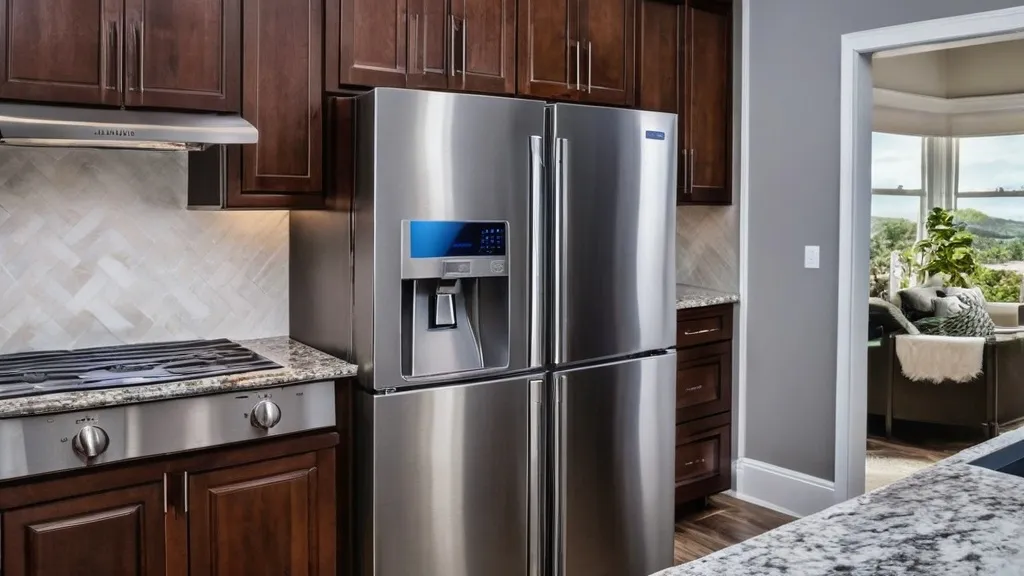
A refrigerator’s hum is a familiar kitchen sound, but when that hum escalates into clunks, rattles, or grinding noises, it signals that something is amiss. These sounds are often the appliance’s way of communicating discomfort.
Unusual Sounds Emanating from the Appliance
The internal mechanisms of a refrigerator, from the compressor to the fans, all contribute to its operational soundscape. When new or unfamiliar noises emerge, it’s important to identify their source.
- Checking the Levelness of the Refrigerator: An imbalanced refrigerator can lead to increased vibrations and unsettling noises. When the appliance is not level, components can rub against each other, and the entire unit can resonate. Imagine trying to balance a wobbly table; movement and noise are inevitable.
- The Door Closing Test: A practical way to assess levelness is to close the refrigerator door from a distance of approximately 30-40 centimeters (12-16 inches). If the door does not close smoothly and shut completely on its own, the refrigerator is likely not level.
- Adjusting the Leveling Legs: Most refrigerators have adjustable leveling legs at the front. By rotating these legs (usually clockwise to raise and counterclockwise to lower), you can effectively tilt the appliance to achieve a stable, level position. Small adjustments can make a significant difference.
- Investigating the Compressor Area: The compressor, often described as the heart of the refrigeration system, is responsible for circulating the refrigerant. It’s a powerful component, and if the area around it becomes clogged with debris, its operation can be affected, potentially leading to noise.
- Cleaning the Compressor Area: Annually, it’s advisable to clean the area around the compressor, typically located at the back or underneath the unit. Accumulated ice, moisture, or dust can impede its function and contribute to noise. Unplug the refrigerator before cleaning. Use a vacuum cleaner with appropriate attachments to remove any buildup.
Vibrations Beyond the Normal Hum
Slight vibrations are inherent to a refrigerator’s operation. However, excessive shaking or rattling can indicate a problem.
- Loose Components: Internal or external components that have become loose can rattle or vibrate. This could range from a shelf that is not properly seated to a fan blade that is slightly bent or obstructed.
- Internal Inspection: Carefully inspect the interior of the refrigerator for any loose shelves, drawers, or other removable parts. Ensure they are all seated correctly.
- External Checks: Examine the exterior for any loose panels or grilles. Gently try to secure any that appear to be vibrating.
Resolving Water Leaks
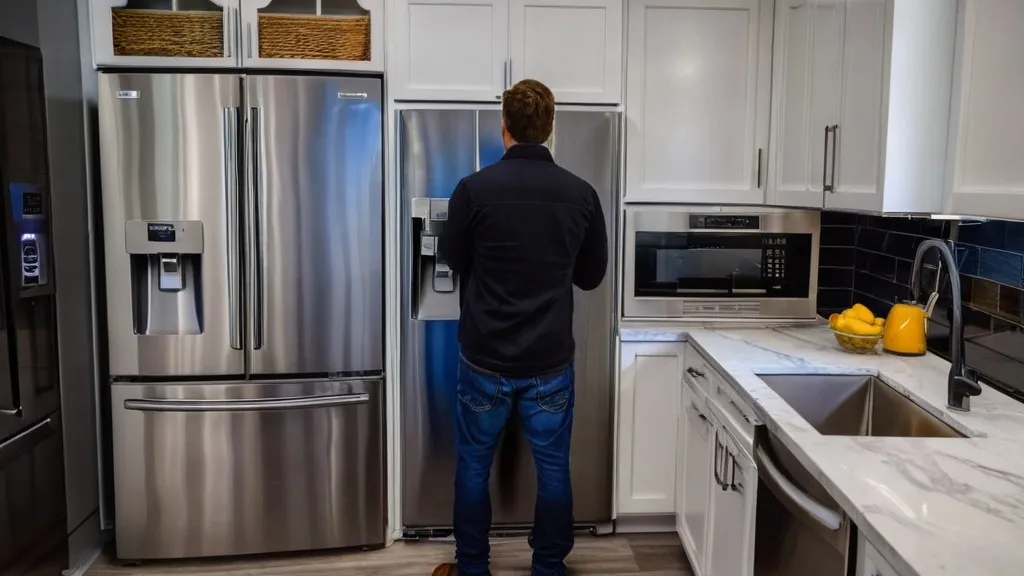
Water leaks from a refrigerator can be a nuisance, potentially causing damage to your flooring and creating a breeding ground for mold and mildew. Identifying the source of the leak is the first step towards a solution.
Detecting the Source of Water
Water leaks can originate from several points within the refrigeration system, often related to the defrost cycle, the water supply, or drainage.
- Defrost System Malfunctions: Refrigerators automatically go through a defrost cycle to melt frost buildup on the evaporator coils. The resulting water is supposed to drain into a trough and then evaporate. If the drain line becomes clogged or frozen, or if the defrost heater fails, water can accumulate and overflow, leading to leaks.
- Checking the Drain Pan: The drain pan, usually located at the bottom of the refrigerator near the compressor, collects water from the defrost cycle. If this pan is overflowing, it’s a clear sign of a drainage issue.
- Clearing a Clogged Drain Line: Accessing and cleaning a clogged drain line can be a more involved process, sometimes requiring the removal of panels. If you are comfortable with appliance repair, you can attempt to use a flexible wire or a specialized tool to dislodge any obstructions. Otherwise, this is a task best left to a qualified technician.
- Water Filter and Supply Line Issues: If your refrigerator has an ice maker or water dispenser, these systems are potential sources of leaks.
- The Water Filter as a Culprit: A clogged or improperly installed water filter can cause pressure issues that lead to leaks. It can also affect water flow to the dispenser and ice maker.
- Replacing the Water Filter: If you suspect the water filter is the issue, replacing it is a straightforward procedure for most Samsung models. Consult your owner’s manual for the correct filter type and installation instructions. A new filter, properly seated, can often resolve dispenser or ice maker related leaks. Ensure the water supply is turned off before attempting to remove or replace the filter.
- Investigating the Water Supply Line: The hose connecting your refrigerator to the main water supply can develop leaks due to damage, loose connections, or age.
- Inspection and Tightening: Visually inspect the water supply line for any signs of damage, such as kinks, cracks, or bulging. Check that the connections at both the wall and the refrigerator are secure. Tighten any loose fittings gently. If the hose appears damaged, it should be replaced immediately.
Troubleshooting Display and Control Panel Glitches
Modern refrigerators are equipped with sophisticated electronic control panels that manage everything from temperature settings to diagnostic information. When these displays malfunction, it can leave you feeling in the dark about your appliance’s status.
Unresponsive or Erratic Display Behavior
A blank screen, flickering digits, or buttons that don’t respond are telltale signs of a control panel issue. These problems can stem from minor electrical glitches or more significant component failures.
- The Power Cycle Reset: Like many electronic devices, a refrigerator’s control panel can sometimes benefit from a simple reboot. This is akin to restarting your computer when it freezes.
- Performing a Hard Reset: Unplug the refrigerator from the power outlet for approximately five minutes. This completely cuts power to the appliance, allowing the electronic components to reset. After the five minutes, plug it back in and observe if the display and controls function normally. This is a remarkably effective first step for a wide range of electronic anomalies.
- Addressing Specific Error Codes: Many Samsung refrigerators display error codes on the control panel when they detect a problem. These codes are diagnostic indicators designed to help identify the issue.
- Consulting Your Owner’s Manual: Your owner’s manual is your primary resource for understanding what specific error codes mean. It will often provide troubleshooting steps for each code.
- Online Resources: Samsung’s official support website and reputable repair resource sites often maintain databases of error codes and their corresponding solutions. Entering the specific code into a search engine, alongside your refrigerator model number, can yield valuable information.
Frozen or Unresponsive Buttons
If certain buttons on your control panel fail to register input, or if the entire panel seems frozen, it points to a communication breakdown between the user interface and the main control board.
- The Impact of Moisture: Excessive moisture in the area around the control panel can sometimes interfere with its operation. Ensure the area is kept dry.
- Assessing Control Board Integrity: If a power cycle reset does not resolve the issue and there are no obvious signs of water damage, the control board itself may be malfunctioning. This is a more complex repair and typically requires the expertise of a certified technician.
If you’re facing issues with your Samsung refrigerator, understanding how to troubleshoot common problems can be incredibly helpful. For instance, if you’re also dealing with appliance leaks, you might find it useful to read a related article that discusses how to identify and resolve leaks in your washer. This can provide you with a broader perspective on appliance maintenance and repair. You can check it out here: tackling leaks in your washer.
When to Call a Samsung-Certified Professional
| Issue | Common Cause | Troubleshooting Tip | Recommended Solution | Estimated Repair Time |
|---|---|---|---|---|
| Refrigerator Not Cooling | Dirty condenser coils | Check and clean condenser coils | Clean coils and ensure proper airflow | 30-45 minutes |
| Water Leakage | Clogged defrost drain | Inspect and clear defrost drain | Unclog drain and flush with warm water | 20-30 minutes |
| Ice Maker Not Working | Frozen water line | Check for ice blockages in water line | Defrost water line and reset ice maker | 30-60 minutes |
| Strange Noises | Faulty fan motor | Listen for unusual fan sounds | Replace fan motor if defective | 45-60 minutes |
| Door Not Sealing Properly | Damaged door gasket | Inspect gasket for cracks or tears | Replace door gasket | 30-45 minutes |
| Refrigerator Runs Constantly | Thermostat malfunction | Test thermostat settings and sensor | Adjust or replace thermostat | 30-60 minutes |
While this guide empowers you to tackle certain common refrigerator issues, there are times when the complexity or potential risk of further damage necessitates professional intervention. Knowing when to enlist expert help is as crucial as knowing how to perform a basic repair.
Recognizing the Limits of DIY Troubleshooting
Some problems, particularly those involving sealed refrigerant systems, intricate electrical components, or specialized diagnostic tools, are beyond the scope of typical home repairs. Attempting these repairs without the proper knowledge and equipment can not only be ineffective but can also lead to dangerous situations or void warranties.
- Complex Mechanical Issues: Problems with the sealed refrigeration system, such as refrigerant leaks or compressor failures, require specialized training and equipment. The high pressures involved can be hazardous.
- Electrical System Faults: Issues with the main control board, wiring harnesses, or other substantial electrical components often require diagnostic tools that are not readily available to the average consumer.
- Safety Concerns: Working with electrical appliances always carries inherent risks. If you are unsure about any procedure or feel uncomfortable with the task, it is always safer to call a professional.
The Benefits of Samsung Certified Repair Services
When you require professional assistance, opting for Samsung-certified repair services offers several advantages. These technicians are specifically trained on Samsung appliances and have access to genuine Samsung parts.
- Expert Knowledge and Diagnostics: Samsung-certified technicians have a deep understanding of your appliance’s design and common failure points. They possess sophisticated diagnostic tools to accurately pinpoint the root cause of a problem.
- Genuine Samsung Parts: The use of genuine parts ensures compatibility, longevity, and the continued optimal performance of your refrigerator. Using aftermarket parts can sometimes lead to further issues or premature wear.
- Warranty Protection: Samsung’s authorized repair services typically come with a warranty on both parts and labor, usually for a period of 90 days. This provides you with peace of mind and protection against recurring problems.
- Repair Options: Samsung offers various repair service options, including walk-in, mail-in, and in-home service. You can often check the status of your repair online, providing transparency and convenience.
By understanding the common troubleshooting steps outlined in this guide, you are better equipped to maintain your Samsung refrigerator. However, remember that complex issues or situations where you lack the necessary expertise are best handled by professionals who can restore your appliance to its optimal working condition, ensuring your food stays fresh and your kitchen runs smoothly.
FAQs
What are common issues with Samsung refrigerators that may require repair?
Common issues include temperature inconsistencies, water dispenser problems, ice maker malfunctions, unusual noises, and door seal failures. These problems often require troubleshooting or professional repair.
How can I troubleshoot temperature problems in my Samsung refrigerator?
First, check the thermostat settings to ensure they are correct. Clean the condenser coils to improve cooling efficiency, and make sure the door seals are intact to prevent cold air from escaping. If the problem persists, the temperature sensor or compressor may need professional inspection.
What should I do if the ice maker in my Samsung refrigerator stops working?
Verify that the ice maker is turned on and the water supply is connected and flowing properly. Check for any ice blockages in the dispenser chute. If these steps don’t resolve the issue, the ice maker assembly or water inlet valve might require repair or replacement.
When is it necessary to call a professional for Samsung refrigerator repair?
If troubleshooting steps such as resetting the appliance, cleaning coils, or checking seals do not fix the problem, or if you encounter electrical issues, refrigerant leaks, or compressor failures, it is advisable to contact a certified Samsung repair technician.
How can I maintain my Samsung refrigerator to prevent common problems?
Regularly clean the condenser coils, check and replace door seals if needed, avoid overloading the fridge, and keep the temperature settings at recommended levels. Routine maintenance helps extend the appliance’s lifespan and reduces the likelihood of repairs.