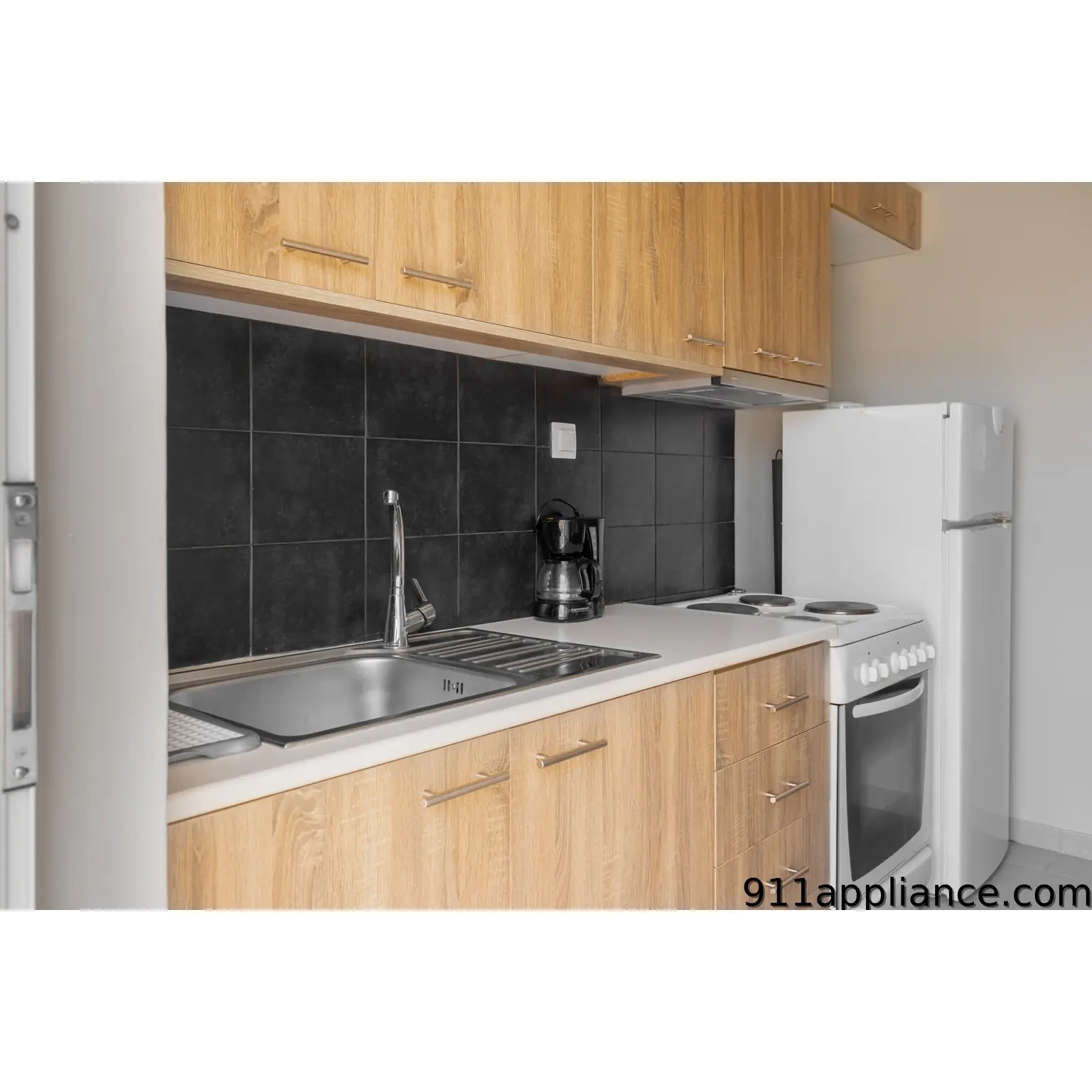
Need kitchen appliance repair near you in San Diego? 911 Appliance Repair has served San Diego homeowners since 1991 with same-day repair service for refrigerators, dishwashers, ovens, stoves, and garbage disposals. Our factory-trained technicians arrive in fully stocked trucks with parts for all major brands, covering neighborhoods from La Jolla to El Cajon. Whether your refrigerator is not cooling, your dishwasher won’t drain, or your oven won’t heat, we diagnose and fix the problem fast. With an A+ BBB rating and over 557 reviews, we are your trusted local kitchen appliance repair service. Call 800-929-1192 to schedule.
Table of Contents
- Refrigerator Malfunctions
- Dishwasher Difficulties
- Oven and Range Complications
- The Search for “Quick Kitchen Appliance Repair Near Me”
- Utilizing Online Search Engines and Directories
- Leveraging Local Referrals and Word-of-Mouth
- Manufacturer-Authorized Service Centers
- Vetting and Selecting a Repair Service
- Verifying Credentials and Insurance
- Obtaining Estimates and Understanding Pricing Models
- Assessing Timeliness and Availability
- The Repair Process: From Diagnosis to Resolution
- Pre-Arrival Preparations
- On-Site Diagnosis and Repair
- Post-Repair Follow-Up
- Preventive Maintenance and When to Consider Replacement
- Simple Maintenance Practices
- Assessing Repair vs. Replacement
- Serving All of San Diego County
Need quick kitchen appliance repair near me in San Diego? 911 Appliance Repair has been family-owned since 1991, offering same-day service for refrigerators, dishwashers, ovens, cooktops, and more across San Diego County. With a $49.95 house call, a 1-year warranty on every repair, and one call to 800-929-1192, our A+ BBB rated team is ready to help. Browse our appliance repair services in San Diego, and if your dishwasher is not cleaning, see our Dishwasher Not Cleaning troubleshooting guide.
Navigating the breakdown of a kitchen appliance can feel like a sudden halt in a well-oiled machine. The smooth operation of daily life often hinges on these devices, and their malfunction can create immediate logistical challenges within the household. This article aims to provide a comprehensive guide for individuals seeking “Quick Kitchen Appliance Repair Near Me”, outlining the process of identification, diagnosis, repair, and prevention, all within the practical context of modern living.
Before embarking on a search for repair services, it’s beneficial to possess a foundational understanding of the common issues that plague kitchen appliances. This knowledge empowers you, the consumer, to articulate the problem more effectively to a technician and, in some cases, to perform minor troubleshooting yourself, much like a diagnostician observing symptoms before prescribing a cure.
Refrigerator Malfunctions
Refrigerators are often the cornerstone of a kitchen, and their failure can lead to significant food spoilage and inconvenience. Common issues include:
- Insufficient Cooling: This can stem from a variety of sources, including a faulty thermostat, a malfunctioning compressor, or issues with the evaporator fan. A clogged condenser coil, often overlooked, can also significantly impede cooling efficiency. Think of the condenser coils as the lungs of your refrigerator; when they are obstructed, the appliance struggles to “breathe” and dissipate heat effectively.
- Leakage: Water leaks can originate from a blocked defrost drain, a cracked water line (if equipped with an ice maker or water dispenser), or even a faulty water inlet valve. Identifying the source of the leak early can prevent further damage to flooring or cabinetry.
- Excessive Noise: Unusual noises like rattling, buzzing, or grinding often point to issues with the compressor, evaporator fan, or condenser fan motor. These sounds are indicators that a component is under strain or experiencing mechanical wear.
- Ice Maker Problems: Common ice maker issues include not producing ice, producing misshapen ice, or overflowing. These can be related to water pressure, a clogged water filter, a faulty fill valve, or a malfunctioning thermostat within the ice maker assembly.
Dishwasher Difficulties
A malfunctioning dishwasher can quickly lead to an accumulation of dirty dishes, disrupting household routines. Typical problems involve:
- Poor Cleaning Performance: Dishes emerging from the dishwasher still dirty can be attributed to clogged spray arms, a malfunctioning wash pump, a faulty heating element (which affects water temperature), or even the incorrect loading of dishes. Consider the spray arms as hydraulic dancers, needing unobstructed movement to clean effectively.
- Not Draining: Issues with drainage usually point to a clogged drain pump, a blocked drain hose, or a malfunctioning air gap. A kink in the drain hose, often hidden behind the appliance, can also impede water removal.
- Leaking Water: Leaks can originate from a damaged door seal, a faulty water inlet valve, or a crack in the wash tub itself. Careful inspection of the gasket around the door is often the first step in locating such leaks.
- Failure to Start: If your dishwasher won’t initiate a cycle, the problem could lie with the door latch, the control panel, or a tripped circuit breaker. The door latch, like an obedient gatekeeper, must be fully engaged for the cycle to begin.
Oven and Range Complications
Ovens and ranges are central to meal preparation, and their failure can bring cooking to a standstill. Common issues include:
- Uneven Heating/Not Heating: For electric ovens, this often points to a faulty heating element (bake or broil). For gas ovens, it could be a malfunctioning igniter or a problem with the gas valve. Uneven heat distribution can ruin culinary creations, turning a recipe into a lottery.
- Burner Problems (Gas/Electric): Electric burners may fail to heat due to a faulty element or a problem with the burner switch. Gas burners that won’t ignite often indicate a clogged burner port or a malfunctioning igniter.
- Door Malfunctions: A door that won’t close properly can lead to heat loss and inefficient cooking. This may be due to worn hinges or a damaged door seal.
- Self-Cleaning Cycle Issues: If the self-cleaning cycle isn’t functioning, it could be due to a faulty door latch sensor or a problem with the control board.
If you’re looking for helpful tips on how to repair your kitchen appliances, you might find this article on fixing your washer particularly useful. It provides a comprehensive step-by-step guide that can enhance your understanding of appliance repair, making it easier to tackle issues in your kitchen as well. For more information, check out the article here: Fixing Your Washer: A Step-by-Step Guide.
The Search for “Quick Kitchen Appliance Repair Near Me”
When an appliance breaks, the immediacy of the need often dictates the search parameters. The phrase “Quick Kitchen Appliance Repair Near Me” reflects a desire for swift resolution and convenient service.
Utilizing Online Search Engines and Directories
The most common starting point for locating repair services is through online search engines. Entering specific keywords like “refrigerator repair services,” “dishwasher repair,” or “oven repair” followed by your city or zip code will yield local results.
- Geographic Specificity: Ensure your search includes location details to narrow down results to services operating within your proximity. Many search engines automatically detect your location, but it’s always good practice to explicitly state it.
- Review Analysis: Pay close attention to customer reviews and ratings. While a single negative review shouldn’t discredit a business, a pattern of complaints regarding timeliness, professionalism, or efficacy is a significant red flag. Look for balanced reviews that detail both positive and constructive feedback.
- Website Professionalism: A well-maintained and informative website often correlates with a reputable business. Look for details about their services, pricing structures (even if estimates are required), and their service area.
Leveraging Local Referrals and Word-of-Mouth
Before the digital age, personal recommendations were the gold standard for finding reliable services. This method remains highly effective today.
- Friends, Family, and Neighbors: Inquire within your social circle. Personal experiences offer a level of trust that online reviews, while valuable, may not fully replicate. A neighbor’s positive experience with a local technician can be a strong endorsement.
- Local Community Forums: Many neighborhoods have online forums or social media groups where residents discuss local services. These platforms can provide candid feedback and direct recommendations. Be wary of overly enthusiastic or generic recommendations, as they could sometimes be promotional.
Manufacturer-Authorized Service Centers
For newer appliances still under warranty, or for those seeking dedicated expertise for a specific brand, manufacturer-authorized service centers are an important option.
- Warranty Coverage: If your appliance is still within its warranty period, using an authorized service center is often mandatory to ensure the repair is covered without charge. Attempting DIY repairs or using an unauthorized technician could void your warranty.
- Specialized Knowledge and Parts: Authorized technicians often receive specific training from the manufacturer and have direct access to genuine, brand-specific replacement parts. This can be crucial for complex repairs or proprietary systems.
- Brand Specifics: Check the appliance manual or the manufacturer’s website for information on authorized service providers in your area. This information is your compass when navigating manufacturer-specific repair pathways.
Vetting and Selecting a Repair Service
Once you have a list of potential repair services, the next crucial step is to vet them thoroughly. This process is like interviewing candidates for a crucial household role, ensuring competence and reliability.
Verifying Credentials and Insurance
A reputable repair company will readily provide proof of their credentials and insurance.
- Licensing: While not all states or municipalities require specific licenses for appliance repair, inquire if they hold any relevant certifications or professional licenses. This demonstrates a commitment to industry standards.
- Insurance: Ensure the company carries liability insurance. This protects you in case of accidental damage to your property during the repair process. Without it, you could be left to bear the cost of any unfortunate incidents.
- Technician Certification: Ask if their technicians are certified by organizations like the Professional Service Association (PSA) or the National Appliance Service Association (NASA). These certifications indicate a level of training and expertise.
Obtaining Estimates and Understanding Pricing Models
Clarity on costs is paramount to avoid surprises.
- Service Call Fee: Many repair services charge a diagnostic or service call fee, which may or may not be waived if you proceed with the repair. Understand this fee upfront.
- Itemized Estimates: Request a detailed, itemized estimate that breaks down the cost of parts and labor. A clear estimate prevents ambiguity and allows you to compare prices effectively. Beware of vague or unwritten estimates.
- Flat Rate vs. Hourly: Understand if they charge a flat rate for specific repairs or an hourly rate for labor. Flat rates tend to offer more predictability in cost.
- Warranty on Repairs: Inquire about the warranty they offer on their repairs and the replacement parts. A good warranty provides peace of mind, acting as an assurance of quality work.
Assessing Timeliness and Availability
The “quick” aspect of your search refers to both the speed of diagnosis and the promptness of the repair itself.
- Scheduling and Appointment Windows: Ask about their typical response time for service calls and their flexibility in scheduling appointments. A narrow appointment window is preferable to a broad one.
- Emergency Services: If your situation is urgent (e.g., a refrigerator full of perishable food), inquire if they offer emergency repair services, even if it comes at a premium. These services act as a quick intervention for critical failures.
- Parts Availability: Ask about their inventory of common parts. Technicians who carry frequently needed parts can often complete repairs in a single visit, saving you time and a second service call.
The Repair Process: From Diagnosis to Resolution

Understanding what to expect during the repair process can help manage expectations and facilitate a smoother experience.
Pre-Arrival Preparations
Before the technician arrives, a few simple steps can streamline the process.
- Clear the Area: Ensure the appliance is easily accessible. Remove any clutter or obstacles that might impede the technician’s access. This allows them to get to work immediately, without wasting time on preparation.
- Gather Information: Have the appliance’s make, model, and serial number readily available. Also, be prepared to describe the problem in detail, including when it started and any specific symptoms. This is your initial report to the technician.
- Safety First: If possible and safe to do so, unplug the appliance or turn off its breaker before the technician arrives. This demonstrates a proactive approach to safety.
On-Site Diagnosis and Repair
The technician will typically perform a series of diagnostic tests to pinpoint the problem.
- Diagnostic Tools: Technicians use specialized tools to test components, check electrical circuits, and identify fault codes. This methodical approach ensures accuracy.
- Explanation of Findings: A good technician will clearly explain their findings, the cause of the malfunction, and the proposed solution. Don’t hesitate to ask questions if you don’t understand something. Think of them as translating technical jargon into actionable information.
- Repair Execution: Once you approve the estimate, the technician will proceed with the repair, replacing faulty parts and making necessary adjustments. They are the surgeon operating on your appliance.
- Testing and Verification: After the repair, the technician should test the appliance to ensure it is functioning correctly. They will often demonstrate the working appliance to you.
Post-Repair Follow-Up
Even after the repair is complete, there are steps you can take to ensure long-term satisfaction.
- Review the Work Order: Carefully review the work order or invoice to ensure all details, including parts replaced and services performed, are accurate and match the agreed-upon estimate.
- Obtain Warranty Information: Keep all documentation related to the repair, especially information about the warranty on parts and labor. This is your safety net if the issue reoccurs.
- Provide Feedback: Consider providing feedback to the repair company, especially if you had a particularly positive or negative experience. This helps other consumers and aids the company in improving its services.
If you’re facing issues with your kitchen appliances, it’s essential to know how to troubleshoot common problems effectively. For instance, if your heating element isn’t working properly, you might find it helpful to read this informative article on heating element woes, which provides a comprehensive guide to diagnosing and repairing such issues. Understanding these basics can save you time and money, and help you determine whether you need professional kitchen appliance repair near you.
Preventive Maintenance and When to Consider Replacement
| Service Provider | Appliance Types Repaired | Average Repair Time | Customer Rating (out of 5) | Service Area | Contact Number |
|---|---|---|---|---|---|
| QuickFix Appliance Repair | Refrigerators, Ovens, Dishwashers | 2-3 hours | 4.5 | Downtown & Suburbs | (555) 123-4567 |
| HomeTech Repairs | Microwaves, Stoves, Washers | 1-2 hours | 4.2 | Citywide | (555) 987-6543 |
| Appliance Pros | Refrigerators, Freezers, Dryers | 3-4 hours | 4.7 | Metro Area | (555) 246-8101 |
| FixIt Fast | Ovens, Cooktops, Dishwashers | 2 hours | 4.3 | Suburban Areas | (555) 369-1212 |
| Reliable Appliance Repair | All Kitchen Appliances | 1-3 hours | 4.6 | City & Surrounding Towns | (555) 555-7890 |
While repair services are essential, proactive maintenance can extend an appliance’s life, and knowing when to cut ties is also critical.
Simple Maintenance Practices
Regular, simple maintenance can significantly reduce the likelihood of major breakdowns.
- Refrigerator: Clean condenser coils every 6-12 months. Ensure the door seals are clean and intact. Don’t overload the refrigerator, as it can strain the cooling system.
- Dishwasher: Clean the spray arms and filter regularly. Use appropriate detergents and rinse aid. Run a hot water cycle with vinegar periodically to remove mineral buildup.
- Oven/Range: Clean spills promptly to prevent baked-on residue. Check and clean burner igniters (for gas ranges). Ensure oven vents are not blocked.
- General: Refer to your appliance’s user manual for specific maintenance recommendations. The manual is the blueprint for its optimal function.
Assessing Repair vs. Replacement
At some point, the question of repair versus replacement will arise. This is often an economic decision, but other factors play a role.
- Age of the Appliance: As appliances age, parts can become scarce or more expensive. Older appliances generally have a shorter remaining lifespan, making significant repairs less cost-effective. Appliances, like all machines, have a finite lifespan.
- Cost of Repair: If the cost of the repair approaches or exceeds 50% of the cost of a new, comparable appliance, replacement is often the more financially sound decision.
- Energy Efficiency: Newer appliances are typically significantly more energy-efficient than older models. While a major repair might fix the immediate problem, an old, inefficient appliance will continue to consume more energy, leading to higher utility bills. Replacing it might offer long-term savings.
- Frequency of Breakdowns: If an appliance is experiencing frequent breakdowns, it may be a sign of systemic wear and tear, indicating it’s nearing the end of its useful life. It’s often wiser to replace a chronically problematic appliance rather than continually pouring money into repairs.
- Availability of Parts: For very old or discontinued models, finding replacement parts can be challenging or impossible, effectively forcing a replacement.
Recognizing the signs of trouble early, engaging with reputable repair services, and implementing basic maintenance are the pillars of ensuring your quick kitchen appliance repair experiences are as smooth and successful as possible. Your kitchen, the nerve center of your home, relies on these machines, and careful stewardship ensures their continued, reliable performance.
Serving All of San Diego County
911 Appliance Repair proudly serves homeowners throughout San Diego County. Whether you live near the coast or inland, our technicians are ready to provide same-day repair service. We serve:
- Downtown San Diego
- La Jolla
- Chula Vista
- El Cajon
- Encinitas
- Escondido
- Oceanside
- Carlsbad
- Poway
- Santee
- National City
- Imperial Beach
- Coronado
- Del Mar
- Solana Beach
- Vista
- San Marcos
- Spring Valley
- Lemon Grove
- La Mesa