Table of Contents
- Washer Not Filling with Water
- Clogged Water Inlet Hoses
- Washer Not Draining Water
- Issues with Spinning and Agitation
- Washer Not Agitating
- Washer Not Spinning (or Spinning Slowly)
- Issues Related to Noises and Vibrations
- Excessive Vibration During Spin Cycle
- Unusual Noises (Grinding, Squealing, Thumping)
- Issues with Error Codes and Electronic Displays
- Understanding Error Codes
- Control Panel Malfunctions
- Issues with Leaks and Water Damage
- Water Leaking from Under the Machine
- Water Leaking from the Door (Front-Loaders)
- Leaks from the Back of the Machine
Troubleshooting Samsung Washer Repair: Common Issues and Solutions
This article provides information on common issues encountered with Samsung washing machines and offers practical solutions for troubleshooting. It is intended as a guide for users seeking to diagnose and, where possible, resolve minor problems before calling a repair technician. For complex malfunctions or issues involving electrical components, professional servicing is recommended.
Before commencing any troubleshooting or repair, ensure the washing machine is unplugged from the power source and the water supply is turned off to prevent electric shock or water damage. Safety should always be the primary concern.
Water is the lifeblood of a washing machine. When this flow is disrupted, a host of problems can arise. Understanding the pathways and components involved in water intake and expulsion is key to diagnosing these issues.
Washer Not Filling with Water
A washer that refuses to fill is like a chef without ingredients; it cannot perform its fundamental task. Several factors can obstruct the flow of water into the drum.
Clogged Water Inlet Hoses
The water inlet hoses are the arteries connecting your water supply to the machine. Over time, sediment or mineral deposits can build up within these hoses, restricting water flow. This is akin to plaque buildup in a human artery, eventually hindering circulation.
- Symptom: The drum fills very slowly, or not at all, during the fill cycle.
- Troubleshooting Steps:
- Turn off the water supply valves.
- Disconnect the inlet hoses from both the wall faucet and the washing machine.
- Inspect the hoses for any visible kinks or damage.
- Flush the hoses with water to remove any loose debris.
- Check the screens at the water inlet valve where the hoses connect to the machine. These small filters can become clogged with sediment. Gently clean them with a brush.
- If the hoses appear clogged internally, consider replacing them.
Faulty Water Inlet Valve
The water inlet valve acts as the faucet for your washing machine. When it malfunctions, it can prevent water from entering the drum.
- Symptom: No water enters the drum, even with the hoses connected and water supply on. The machine might make a humming noise if the valve is trying to open but failing.
- Troubleshooting Steps:
- Ensure the water supply is on and the hoses are not kinked.
- Listen for any sounds from the inlet valve when the machine is supposed to be filling. A humming sound might indicate it’s receiving power but is internally blocked or broken.
- The water inlet valve is an electrical component. Troubleshooting this often involves testing voltage to the valve using a multimeter. If you are not comfortable with electrical testing, this is a situation for a professional.
- If the valve is faulty, it will need to be replaced. This is a moderately complex repair.
Issues with Water Pressure
A washing machine requires adequate water pressure to fill quickly and efficiently. Low household water pressure can mimic other filling problems.
- Symptom: The washer fills extremely slowly, taking an unusually long time to reach the desired water level.
- Troubleshooting Steps:
- Check the water pressure by opening a faucet elsewhere in your home. If other faucets also have low pressure, the issue is with your home’s water supply.
- Ensure that all water supply valves are fully open.
- If the problem persists and is isolated to the washer, it might be an internal restriction or a valve issue as described above.
Washer Not Draining Water
A washer that fails to drain leaves garments soaked, rendering the wash cycle incomplete. This typically points to an obstruction or a problem with the drain pump.
Clogged Drain Hose
The drain hose is the conduit through which wastewater exits the machine. Like the inlet hoses, it can become blocked by lint, small garments, or foreign objects.
- Symptom: Water remains in the drum after the spin cycle, or the machine stops mid-cycle with water still inside.
- Troubleshooting Steps:
- Place towels around the drain hose connection point to catch any expelled water.
- Carefully disconnect the drain hose from the washing machine or the standpipe/sink.
- Inspect the hose for visible blockages. You may need to use a long, flexible object (like a plumbing snake or a stiff wire coat hanger) to push through any obstructions. Be gentle to avoid puncturing the hose.
- If the blockage is near the machine end, it might be in the pump outlet. If it’s at the house end, it’s in the standpipe or sink drain.
- Flush the hose with water once obstructions are cleared.
Clogged Drain Pump Filter
Most Samsung washing machines have a drain pump filter designed to catch lint, coins, buttons, and other small items before they can reach the pump impeller. This filter needs periodic cleaning. Neglecting this can be a major cause of draining issues.
- Symptom: The washer does not drain, or drains very slowly, often accompanied by an error code.
- Troubleshooting Steps:
- Locate the drain pump filter. It is typically found at the bottom front of the washing machine, behind a small access panel. Consult your owner’s manual for the exact location.
- Place towels and a shallow pan beneath the filter access area, as water will escape when the filter is removed.
- Slowly unscrew the filter cap. Water will begin to drain.
- Once the water has drained, fully remove the filter.
- Clean the filter thoroughly under running water, removing all lint, debris, and foreign objects.
- Inspect the cavity where the filter sits for any obstructions. You might see the pump impeller; ensure it can spin freely.
- Screw the filter back in securely and close the access panel.
Faulty Drain Pump
If the drain pump itself is malfunctioning, it will be unable to expel water from the machine.
- Symptom: The washer doesn’t drain, and there’s no unusual noise from the drain pump area, or there’s a grinding/whining noise.
- Troubleshooting Steps:
- Ensure the drain hose is not kinked and the drain pump filter is clean.
- Listen for the drain pump when it’s supposed to be operating. If you hear no sound, it might not be receiving power or the motor has failed. If you hear a struggling or grinding sound, the motor might be damaged or obstructed.
- Testing the drain pump requires electrical knowledge and is best left to professionals.
- A faulty drain pump will need to be replaced.
If you’re looking to tackle Samsung washer repair, it’s essential to be well-prepared with the right tools and knowledge. A helpful resource for this is an article that outlines the necessary tools for diagnosing various appliances, which can significantly aid in your repair efforts. You can find this valuable information in the article available at Tools Required for Diagnosis of Appliances. This guide will equip you with the insights needed to effectively troubleshoot and repair your Samsung washer.
Issues with Spinning and Agitation
The rhythmic churn of agitation and the forceful spin are what make a washing machine effective. When these actions falter, the wash quality suffers.
Washer Not Agitating
Agitation is the process of clothes moving through the wash water, loosening dirt. Without it, the wash cycle is essentially just soaking.
- Symptom: The drum fills with water, but the agitator (in top-loaders) or the inner drum (in front-loaders) does not move.
- Troubleshooting Steps:
- Check Load Balance: An unbalanced load, especially in front-loaders, can prevent agitation as a safety measure. Redistribute the clothes evenly.
- Lid Switch (Top Loaders): The lid switch tells the machine when the lid is closed. If it’s faulty or obstructed, agitation will not occur. Inspect the switch and its engagement mechanism on the lid for damage or debris.
- Drive Belt (Older Models): Some older Samsung models use a drive belt to connect the motor to the agitator or transmission. If this belt is broken or has slipped off, agitation will cease. This usually requires removing a rear panel to inspect.
- Motor or Transmission Issues: The motor or the transmission unit are the heart of the agitation mechanism. If these components fail, agitation stops. This is a complex repair.
Washer Not Spinning (or Spinning Slowly)
The spin cycle is crucial for removing excess water from clothes. A failure to spin properly leaves garments dripping wet.
- Symptom: The drum does not spin at all, or it spins very slowly, leaving clothes excessively wet.
- Troubleshooting Steps:
- Load Balance: This is the most common culprit for spin issues. An unbalanced load will cause the machine to stop spinning or spin erratically to prevent damage. Ensure clothes are evenly distributed.
- Drainage Issues: If the washer cannot drain properly (as discussed previously), it may not spin at high speed due to the excess water. Ensure the machine is draining effectively.
- Lid Lock/Lid Switch: Similar to agitation, the lid must be securely locked for the spin cycle to engage in most modern machines. Check if the lid lock mechanism is functioning correctly.
- Motor Coupling (Some Models): In some direct-drive models, a motor coupling connects the motor to the transmission. If this plastic coupling breaks, the motor will spin, but the drum won’t.
- Drive Motor: The drive motor is responsible for both agitation and spin. If the motor has failed, neither function will work. This is typically indicated by a lack of any drum movement or sound from the motor.
- Electronic Control Board: The control board dictates all machine functions, including spin speeds. A failure here can result in a complete lack of spinning.
Issues Related to Noises and Vibrations

Washing machines are designed to operate relatively quietly. Unusual noises or excessive vibrations can be early warning signs of mechanical problems.
Excessive Vibration During Spin Cycle
A washing machine will naturally vibrate, but excessive shaking can be a sign of underlying issues.
- Symptom: The machine shakes violently, moves across the floor, or makes loud thumping noises during the spin cycle.
- Troubleshooting Steps:
- Leveling Feet: The most common cause of excessive vibration is an unlevel machine. Ensure all four leveling feet are firmly on the floor and that the machine is stable. Adjust the feet as needed by twisting them.
- Load Balance: Again, an unbalanced load is a prime suspect for vibration. Redistribute wet clothes evenly in the drum.
- Shipping Bolts (New Installations): If the machine is new or has been recently moved, ensure that any shipping bolts (used to stabilize the drum during transport) have been removed. These are typically located on the rear of the machine. Consult your owner’s manual for their location and how to remove them.
- Shock Absorbers/Suspension Rods: Like any appliance that spins rapidly, washing machines use shock absorbers or suspension rods to dampen vibrations. These can weaken or break over time, leading to increased shaking. This is a more involved repair, requiring access to the machine’s internal components.
- Drum Bearings: Worn drum bearings can cause a loud rumbling or grinding noise during spin, often accompanied by increased vibration. This is a significant repair.
Unusual Noises (Grinding, Squealing, Thumping)
Different noises can indicate different problems. Identifying the type of noise can help pinpoint the cause.
- Symptom: Loud, unusual noises emanating from the machine during operation.
- Troubleshooting Steps:
- Foreign Objects in Drum: Small items like coins, buttons, or even underwire from bras can become lodged between the inner and outer drum or in the pump. These can cause rattling, scraping, or thumping sounds.
- Worn Drum Bearings: A rumbling or grinding noise that gets louder as the spin speed increases often signifies worn drum bearings. This requires replacement of the bearings, which is a major undertaking.
- Drive Motor/Belt Issues: Squealing noises can indicate a worn drive belt or issues with the drive motor. Grinding noises can point to problems within the transmission or motor.
- Pump Cavitation: If the drain pump is trying to pump air because of an obstruction or low water level, it can make a cavitating or whirring noise.
Issues with Error Codes and Electronic Displays
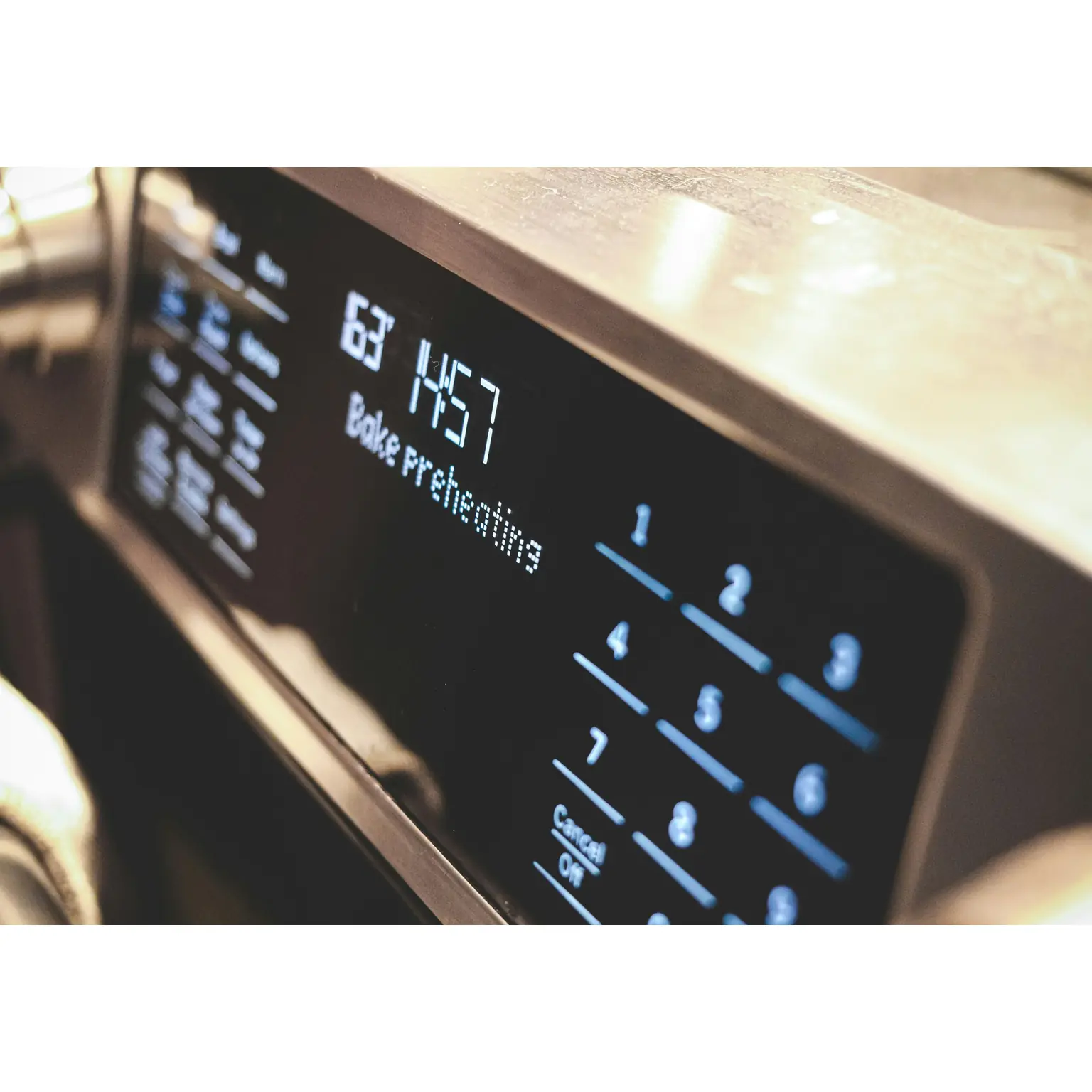
Modern Samsung washers are equipped with sophisticated electronic control systems that often provide diagnostic information via error codes on the display.
Understanding Error Codes
Error codes are like the dashboard warning lights of your car; they alert you to specific problems.
- Symptom: The washer display shows an error code (e.g., 1E, 5E, UE, LE, dE).
- Troubleshooting Steps:
- Consult Your Owner’s Manual: The most reliable source for understanding error codes is the user manual that came with your Samsung washing machine. It will list common codes and their meanings.
- Common Codes and Their Meanings (General Examples – Always Verify with Manual):
- 1E / IE (Water Inlet Error): Indicates a problem with water filling, often due to closed water supply valves, kinked inlet hoses, or a faulty inlet valve.
- 5E / SE (Drain Error): Suggests the washer is not draining properly. This is often caused by a clogged drain hose, drain pump filter, or a faulty drain pump.
- UE (Unbalanced Load Error): The machine has detected an unbalanced load and is unable to spin safely. Redistribute the laundry.
- LE / LE1 (Frost Error): This error typically occurs in colder climates and indicates that the water inside the machine or in the inlet hoses has frozen.
- dE / dC (Door Error): Signifies an issue with the door or lid lock mechanism. The door might not be closing properly, or the lock is faulty.
- Clearing Error Codes: Sometimes, simply turning the machine off and then on again can clear a temporary fault. For persistent codes, the underlying issue must be addressed.
Control Panel Malfunctions
The control panel is the brain of the operation. If it’s not responding, it can render the machine inoperable.
- Symptom: Buttons on the control panel are unresponsive, the display is blank, or the machine behaves erratically without displaying an error code.
- Troubleshooting Steps:
- Power Cycle: Unplug the washing machine for a few minutes, then plug it back in. This can sometimes reset the electronic control board.
- Check Power Supply: Ensure the washer is receiving adequate power from the outlet.
- Spills and Moisture: Moisture or spilled liquids on the control panel can cause malfunctions. Gently clean the panel with a dry or slightly damp cloth. Ensure the machine is unplugged before cleaning.
- Faulty Control Board: If the above steps do not resolve the issue, the electronic control board itself may be faulty and require replacement. This is a complex and costly repair.
If you’re experiencing issues with your Samsung washer, it can be helpful to explore related appliance repair topics. For instance, understanding how to diagnose and fix problems with other appliances, like ovens, can provide useful insights into general troubleshooting techniques. You can read more about this in the article on diagnosing and fixing oven issues, which can be found here. This knowledge may assist you in addressing similar challenges with your washer.
Issues with Leaks and Water Damage
| Issue | Common Cause | Average Repair Time | Estimated Repair Cost | Frequency |
|---|---|---|---|---|
| Washer Not Spinning | Broken Drive Belt | 1-2 hours | 50-120 | High |
| Water Not Draining | Clogged Drain Pump | 1-1.5 hours | 60-130 | Medium |
| Washer Not Starting | Faulty Door Lock | 0.5-1 hour | 40-90 | High |
| Excessive Vibration | Unbalanced Load or Worn Shock Absorbers | 1-2 hours | 70-150 | Medium |
| Leaking Water | Damaged Door Seal or Hose | 1-1.5 hours | 50-110 | Medium |
| Error Codes Displayed | Sensor or Control Board Issues | 1-3 hours | 80-200 | Low |
Leaks are not only messy but can also lead to significant water damage and potential electrical hazards.
Water Leaking from Under the Machine
A puddle forming beneath the washing machine is a clear indication of a leak.
- Symptom: Water is visible on the floor around the base of the washing machine.
- Troubleshooting Steps:
- Turn off Water Supply: Immediately turn off the hot and cold water supply to the washer.
- Identify the Source: Carefully inspect the machine for the origin of the leak. Common sources include:
- Hoses: Check the inlet hoses and the drain hose for cracks, loose connections, or damage.
- Pump: Leaks can originate from the drain pump housing or its seals.
- Tub Seal: The seal around the tub can deteriorate, leading to leaks.
- Detergent Dispenser: Clogs in the detergent dispenser can cause water to back up and overflow.
- Door Seal (Front-Loaders): A torn or dirty door seal can allow water to escape during the wash cycle.
- Tighten Connections: Ensure all hose connections are secure.
- Inspect Components: Visually inspect hoses, the pump, and the door seal for obvious damage.
Water Leaking from the Door (Front-Loaders)
Front-loading washing machines rely on a tightly sealed door to contain water during the wash cycle.
- Symptom: Water leaks from the front of the machine, particularly around the door.
- Troubleshooting Steps:
- Door Seal (Gasket): Inspect the rubber door seal for tears, holes, or debris trapped within the folds. Clean the seal thoroughly with a damp cloth.
- Door Latch: Ensure the door is closing and latching properly. A misaligned or faulty latch can prevent a tight seal.
- Overloading: Overloading the machine can force water past the door seal.
- Improper Detergent Use: Using too much detergent, especially high-foaming types, can create excessive suds that push water out of the door seal. Use the recommended amount of low-sudsing detergent.
Leaks from the Back of the Machine
Leaks from the rear of the washer often point to issues with water connections or internal plumbing.
- Symptom: Water is observed on the floor behind the washing machine.
- Troubleshooting Steps:
- Inlet Hose Connections: Check the connections of the hot and cold water inlet hoses to both the wall faucet and the back of the washing machine. Ensure they are tight and the rubber washers are present and intact.
- Drain Hose Connection: Verify that the drain hose is securely connected to the drain standpipe or sink and is not damaged.
- Internal Hosing: Leaks from internal hoses within the machine typically require that the back panel be removed for inspection. This can be a complex repair.
When facing recurring issues or situations that require disassembly of internal components, it is advisable to consult a qualified appliance repair technician. While this guide provides a starting point for troubleshooting, attempting complex repairs without the necessary knowledge and tools can lead to further damage or personal injury.