You’ve loaded your clothes, selected your cycle, and hit start. The hum of the GE washing machine signals the beginning of the clean laundry ritual. But when the cycle is supposed to end, and you hear nothing but an ominous silence, your stomach sinks. The drum is full of water, your clothes are soaking, and your GE washing machine refuses to drain. This is a frustrating, albeit common, predicament. A washing machine that won’t drain can disrupt your entire household’s routine, leaving you with a mountain of wet laundry and a growing sense of unease. Fortunately, many of the reasons behind a GE washing machine’s refusal to drain are addressable with a methodical approach and a bit of DIY spirit. This guide will walk you through the troubleshooting process, from the simplest checks to more involved repairs, empowering you to get your appliance back to its draining duties.
Table of Contents
- Quick-Start Checklist (Start Here)
- Choose Your Path: What Symptom Do You See?
- The Initial Assessment: What Does the Machine Tell You?
- Listening for Unusual Sounds (or Lack Thereof)
- Observing the Water Level and Appearance
- Ruling Out Simple External Factors
- Identify Your GE Model
- The Internal Investigation: Unmasking the Blockages
- Accessing and Inspecting the Drain Pump Filter
- Examining the Drain Pump Itself
- Investigating the Tub-to-Pump Hose
- Electrical and Mechanical Faults: Beyond the Blockage
- The Lid Switch: A Gatekeeper of Operation
- The Water Level Pressure Switch: The Machine’s Sense of Fullness
- The Drive Belt and Motor Coupler: The Mechanical Link
- The Control Board: The Brain of the Operation
- Understanding the Control Board’s Role
- How to Fix a GE Washer That Won’t Drain (Step-by-Step)
- When to Call a Professional: Recognizing Your Limits
- Safety First: Working with Electricity and Water
- Complex Repairs and Specialized Tools
- The Value of a Technician’s Expertise
- FAQs
- Why is my GE washing machine not draining during a cycle?
- How can I check if the drain pump is working properly?
- What steps should I take to clear a clogged drain hose?
- Can a faulty lid switch cause the washing machine not to drain?
- When should I call a professional to repair my GE washing machine?
Before you dismantle anything, it’s crucial to approach the problem like a detective. You need to pinpoint the likely culprit. Think of your washing machine as a complex system, and a drain issue is a symptom of an underlying ailment. Is it a blockage, a mechanical failure, or an electrical hiccup? The answers often lie in careful observation and a systematic elimination of possibilities. This phase is about gathering clues.
Quick-Start Checklist (Start Here)
Work through these fast checks before deeper diagnostics:
- Unplug the washer and turn off water supply. Safety first.
- Check the drain hose for kinks, crushing, or bends along its full length.
- Verify standpipe setup: most GE washers require 30–96 inches (76–244 cm) height and a 2-inch diameter opening; insert the hose no more than about 4.5 inches (11 cm).
- Inspect the standpipe for a clog by pouring in water; it should drain quickly without backing up.
- If your model has a front access pump filter/coin trap, clean it. If not, prepare to inspect the tub-to-pump hose.
- Run a Drain & Spin cycle and listen: is the pump silent, humming, or running but water barely moves?
Choose Your Path: What Symptom Do You See?
- Silent during drain: check lid/door lock behavior for your model, control signals, and wiring.
- Humming/buzzing pump: likely obstruction at pump or tub-to-pump hose; clear debris.
- Pump runs but slow/partial drain: confirm hose height/standpipe, check for hose or standpipe clogs, inspect pump impeller wear.
- Error code displayed: note the code and follow model-specific guidance below.
The Initial Assessment: What Does the Machine Tell You?
Your GE washing machine, even in its non-draining state, often provides subtle hints.
Listening for Unusual Sounds (or Lack Thereof)
When you press “Start,” do you hear the pump motor attempting to engage? A faint whirring or a struggling sound might indicate the pump is trying but encountering resistance or has a failing motor. Conversely, complete silence when the drain cycle should be active could point to a problem with the lid switch, the timer, or the control board.
Observing the Water Level and Appearance
Is the water murky and full of debris, or does it look relatively clean? This can offer clues about where blockages might be. If there are small objects visible floating in the water, they are prime suspects for obstructing the drain path.
Checking the Display Panel for Error Codes
Many modern GE washing machines are equipped with diagnostic capabilities. Consult your user manual. Error codes, often displayed as alphanumeric sequences, can be invaluable. They act like a coded message from your appliance, directly indicating a specific malfunction, such as a drain system error. If your model is Wi-Fi enabled, the SmartHQ app can surface alerts, run basic diagnostics, and provide model-specific troubleshooting steps. Examples (model-dependent) include top-load codes like “23/24” for drain issues or front-load codes such as “E22”/“E23” on some series. Always verify your model’s tech sheet or SmartHQ for exact meanings.
Ruling Out Simple External Factors
Before delving into the machine’s inner workings, let’s address the most straightforward potential issues that are external to the appliance itself. These are often overlooked but can be the simplest fixes.
The Drain Hose: The Appliance’s Vein
The drain hose is responsible for expelling water from the washing machine. Its condition and placement are paramount.
Kinking or Bending of the Drain Hose
A kinked or severely bent drain hose is like pinching the vein of your appliance, preventing the smooth flow of water. Gently inspect the entire length of the hose, from the back of the machine to its exit point. Ensure it has a smooth, unobstructed path.
Incorrect Drain Hose Height
Washing machines have specific requirements for drain hose height. Most recent GE washers require the drain hose to discharge into a standpipe 30–96 inches (76–244 cm) above the floor with a 2-inch diameter opening; do not insert the hose more than about 4.5 inches (11 cm) to avoid siphoning. Verify exact specs for your model.
Blockage within the Drain Hose
Even if the hose isn’t kinked, the path within it might be clogged. This is a common culprit that can be surprisingly stubborn.
If you’re facing issues with your GE washing machine not draining during a cycle, skip unrelated appliance tips and go straight to washer-focused guidance. Review our GE washer error code guide and the standpipe/drain hose height setup to confirm your installation meets spec.
Identify Your GE Model
Top-load (GTW/GTW series, many Profile top-load) typically have a hinged lid and an agitator or impeller. Front-load (GFW and Profile front-load) have a round door on the front. SmartHQ-capable units can display alerts in the app. Identification helps you follow the right steps below.
The Internal Investigation: Unmasking the Blockages
When external factors are ruled out, it’s time to get technical and look inside the machine. Blockages are the most frequent offenders when a GE washing machine refuses to drain, akin to a clogged artery in a circulatory system. These can occur at various points within the drain pathway.
Accessing and Inspecting the Drain Pump Filter
The drain pump filter is a small but critical component designed to catch lint, coins, buttons, and other small debris before they reach the pump impeller.
Locating the Drain Pump Filter
Many recent GE front-load models do not include a user-accessible front pump filter. To clear obstructions on these units, access the tub-to-pump hose or pump housing from the rear or bottom of the machine per the service manual. Top-load models typically have no user-accessible filter.
The Procedure for Cleaning the Filter
Once you’ve located and opened the filter housing (if present), be prepared for some residual water to drain out. Place towels or a shallow pan underneath. Carefully unscrew the filter and remove any accumulated lint, hair, coins, or other foreign objects. Rinse the filter thoroughly under running water. Reinsert it securely, ensuring it’s properly sealed to prevent leaks. This is a vital piece of preventative maintenance.
Examining the Drain Pump Itself
If the filter is clear, the next suspect is the drain pump itself. This is the workhorse responsible for actively pushing water out of the machine.
Understanding the Drain Pump’s Function
The drain pump is an electrical component that utilizes an impeller to create suction and force water through the drain hose. A debris-filled pump can become jammed, or the motor itself can fail.
Checking for Obstructions at the Pump Inlet
With the filter removed, you can often gain some access to the inlet of the drain pump. Use a flashlight to look for any visible obstructions that might have bypassed the filter. Be cautious of sharp objects.
Testing the Drain Pump Motor (Advanced)
Testing the drain pump motor directly often requires electrical knowledge and appropriate tools, such as a multimeter. If you’re not comfortable with electrical components, this step is best left to a qualified technician. However, if you are, you can check for continuity and voltage to the pump motor during the drain cycle. An absence of voltage could indicate a problem with the control board or wiring, while voltage with no pump action suggests a failed motor.
Investigating the Tub-to-Pump Hose
Between the washing tub and the drain pump, there’s a hose that carries the water. This is another prime location for clogs.
Disconnecting the Tub-to-Pump Hose
This usually involves accessing the washing machine from the back or underside. You’ll typically need to loosen hose clamps to detach the hose from both the tub and the pump.
Searching for Blockages within the Hose
Once disconnected, thoroughly inspect the interior of the hose. You might need to shine a light through it or carefully feel inside. Common culprits include lint, socks (the sock monster’s favorite hiding spot!), and other small items that have managed to escape the tub’s confines.
Clearing the Obstruction
You can often clear minor blockages with a stiff wire or by flushing the hose with water from a faucet. For more stubborn clogs, you might need to use a drain snake or a plumbing auger.
Electrical and Mechanical Faults: Beyond the Blockage
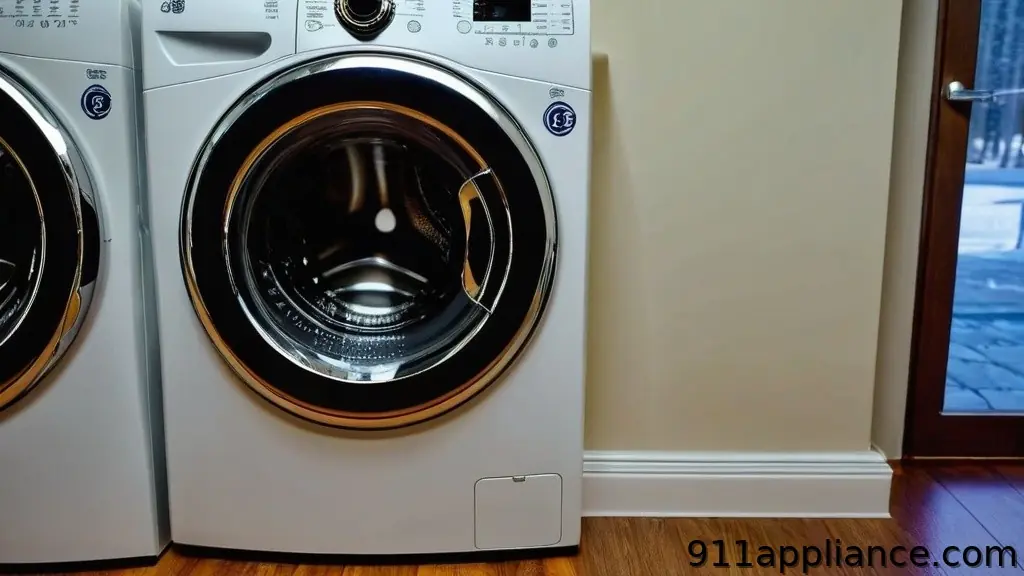
While blockages are the most common culprits, the drain issue might stem from deeper electrical or mechanical problems within your GE washing machine. These are the hidden illnesses that require a more nuanced diagnosis.
The Lid Switch: A Gatekeeper of Operation
The lid switch is a safety mechanism. On many GE top-load models, the washer will still drain with the lid open, but it will not spin. A failed lid/lock often stops spin, not drain. Front-load models generally require the door to be locked for draining. Check your model’s manual to confirm behavior.
How the Lid Switch Works
When the lid is closed, the switch completes a circuit, allowing the machine to proceed with its programmed functions. If the switch is damaged or misaligned, it may fail to signal the control board correctly for spin or, on some models, for drain/lock behavior.
Symptoms of a Faulty Lid Switch
Besides the drain issue, a faulty lid switch might also prevent the machine from agitating or spinning. A clicking sound when you close the lid is usually a good indicator that it’s engaging, but this doesn’t guarantee its functionality.
Testing and Replacing the Lid Switch
You can test the lid switch for continuity using a multimeter. If it’s not making contact or showing the correct resistance, it needs to be replaced. This is typically a straightforward repair, involving unscrewing the old switch and installing a new one.
The Water Level Pressure Switch: The Machine’s Sense of Fullness
The water level pressure switch (also known as the pressure sensor or water level sensor) tells the machine how much water is in the tub. If it malfunctions, it might incorrectly signal that the tub is empty, thus preventing the drain cycle from starting.
The Role of the Pressure Switch in Draining
This component works in conjunction with an air tube. As water fills the tub, it compresses the air in the tube, and the pressure change is detected by the switch, which then signals the control board.
Troubleshooting a Malfunctioning Pressure Switch
A clogged or kinked air tube leading to the pressure switch can mimic a faulty switch. Ensure this tube is clear. If the tube is clear and the issue persists, the pressure switch itself may need to be replaced. This often involves accessing the control panel area.
The Drive Belt and Motor Coupler: The Mechanical Link
In some older GE washing machine models, a drive belt or a motor coupler connects the motor to the pump. If these components are worn or broken, the pump may not be driven mechanically by the motor, preventing water from draining.
Inspecting the Drive Belt for Wear or Damage
You’ll typically need to access the rear or bottom of the machine to inspect the drive belt. Look for signs of fraying, cracking, or excessive looseness. A worn belt can slip and fail to transfer power effectively.
Examining the Motor Coupler (Direct Drive Models)
Most GE washers are belt-driven (older and many current models). A Whirlpool-style plastic motor coupler is not typical on GE models. Inspect the drive belt (if present) and the pump-to-motor connection used on your specific GE model.
The Control Board: The Brain of the Operation
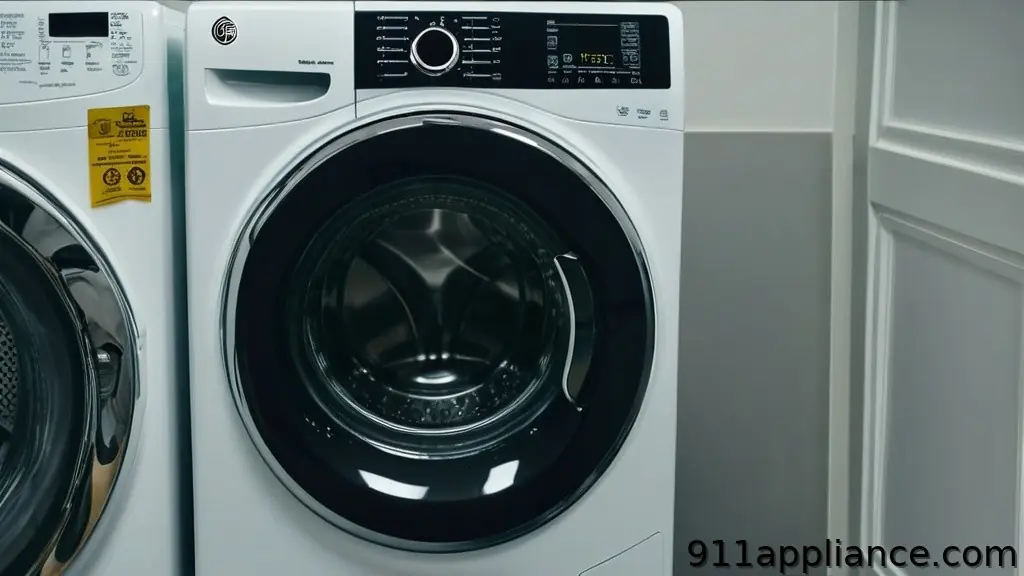
The electronic control board orchestrates all the washing machine’s functions. If it malfunctions, it can lead to a cascade of problems, including a failure to drain. This is the central nervous system of your appliance.
Understanding the Control Board’s Role
The control board receives signals from various sensors and switches and then instructs components like the drain pump, motor, and valves accordingly.
Signs of a Failing Control Board
Common indicators of a failing control board include erratic behavior, random error codes, or a complete lack of response from certain functions. It might even manifest as a complete power failure to the drain system.
Seeking Professional Diagnosis for Control Board Issues
Diagnosing and replacing a control board can be complex and costly. It often requires specialized knowledge and equipment. If you suspect a control board issue, it’s generally advisable to consult a qualified appliance repair technician. They can perform the necessary tests to confirm the diagnosis and, if needed, source and install the correct replacement part.
If you’re facing issues with your GE washing machine not draining during a cycle, focus on washer-specific help such as our drain hose height guide, GE error code list, and a step-by-step drain pump inspection tutorial.
How to Fix a GE Washer That Won’t Drain (Step-by-Step)
Use this concise flow for most models:
- Unplug washer and turn off water. Gather tools: screwdriver, towels, bucket, flashlight, multimeter (optional).
- Check drain hose routing, height (30–96 inches), and standpipe diameter (2 inches). Correct any insertion deeper than ~4.5 inches.
- Inspect hose for kinks or internal clogs; flush with water or use a flexible brush.
- If accessible, clean the pump filter/coin trap; otherwise proceed to the tub-to-pump hose.
- Access and clear the tub-to-pump hose; remove coins, lint, or small clothing.
- Check pump inlet for obstructions; spin the impeller gently to confirm it turns freely.
- Run a Drain & Spin test. If pump is silent, test for voltage/continuity or consider control/lock faults.
- Inspect belt-driven models for a worn or broken drive belt; replace if needed.
- Review any displayed error code and follow model-specific instructions.
- Reassemble panels and run a full rinse/drain test to verify the fix.
When to Call a Professional: Recognizing Your Limits
| Step | Action | Tools Needed | Estimated Time | Notes |
|---|---|---|---|---|
| 1 | Unplug the washing machine | None | 1 minute | Safety first: always disconnect power before repairs |
| 2 | Check and clean the drain hose | Screwdriver, bucket | 10 minutes | Remove any clogs or kinks in the hose |
| 3 | Inspect and clean the pump filter | Screwdriver, towels | 15 minutes | If present; many recent GE front-load models lack a front access filter |
| 4 | Test the drain pump for functionality | Multimeter | 10 minutes | Check for electrical continuity; replace if faulty |
| 5 | Examine the lid switch or door lock | Multimeter | 10 minutes | On many GE top-load models, a failed lid lock stops spin more often than drain |
| 6 | Inspect the washing machine’s drain pump belt (if applicable) | Flashlight | 10 minutes | Replace belt if worn or broken |
| 7 | Run a test cycle to verify repair | None | 30–40 minutes | Ensure machine drains properly during cycle |
While many washing machine issues can be tackled by a determined DIYer, there comes a point where calling in an expert is not only wise but also more economical in the long run. Think of it as knowing when to surrender to the surgeon.
Safety First: Working with Electricity and Water
Washing machines involve both electricity and water, a potentially hazardous combination. Always ensure the machine is unplugged before attempting any internal repairs. If you encounter any situation that makes you feel unsafe or unsure, it’s best to step back.
Complex Repairs and Specialized Tools
Some repairs, like those involving the transmission, motor, or control board, require specialized tools and a deeper understanding of appliance mechanics and electronics. Forcing a repair without the right knowledge can lead to further damage, increasing the cost of eventual professional repair.
The Value of a Technician’s Expertise
A qualified appliance repair technician has the experience and diagnostic tools to quickly identify the problem and perform the repair efficiently. They can also advise on the overall health of your appliance and any preventative measures you can take. Their expertise can save you time, frustration, and potentially money by avoiding further damage. When your GE washing machine refuses to drain, remember that a systematic approach, patience, and a willingness to learn are your greatest assets. The journey from a waterlogged drum to perfectly drained laundry is often a solvable puzzle. If you’re in San Diego and prefer a pro to handle it, schedule service to get same-day help in many neighborhoods.
FAQs
Why is my GE washing machine not draining during a cycle?
Common reasons include a clogged drain hose, a blocked pump, a faulty drain pump, or issues with the lid/door lock depending on model. Debris or small clothing items can obstruct water flow, preventing proper drainage.
How can I check if the drain pump is working properly?
You can listen for the pump running during the drain cycle. If you hear no sound or unusual noises, the pump may be faulty. Additionally, inspecting the pump for blockages or testing it with a multimeter can help determine its condition.
What steps should I take to clear a clogged drain hose?
First, disconnect the washing machine from power and water sources. Then, detach the drain hose and inspect it for blockages. Use a long flexible brush or running water to clear any debris before reattaching it securely. Confirm the standpipe height (30–96 inches) and hose insertion depth (about 4.5 inches max).
Can a faulty lid switch cause the washing machine not to drain?
On many GE top-load models, the washer can still drain with the lid open but won’t spin; a failed lid/lock typically affects spin more than drain. Front-load models generally require a locked door to drain. Check your model’s manual.
When should I call a professional to repair my GE washing machine?
If basic troubleshooting like clearing clogs and checking the lid/door lock does not fix the problem, or if you suspect electrical or mechanical failures such as a broken pump motor, it is advisable to contact a qualified appliance repair technician.