The Importance of Refrigerant Licenses
Refrigerant licenses authorize qualified people to handle, recover, purchase, and service refrigerants used in HVAC/R systems. In the U.S., EPA Section 608 certification covers stationary refrigeration and air conditioning (Types I/II/III and Universal), and Section 609 covers motor vehicle A/C (MVAC). Training and exams verify safe handling, recovery, leak prevention, and compliance with current rules. These credentials protect technicians, customers, and the environment—and they’re increasingly important as lower‑GWP A2L refrigerants become mainstream and the AIM Act sets category‑specific phase‑in limits for equipment.
Table of Contents
- Key Takeaways
- The Role of Refrigerant Licenses in Environmental Protection
- Safety and Health Considerations for Refrigerant Handling
- The Legal Implications of Refrigerant Licenses
- Refrigerant Licenses and Industry Standards
- The Impact of Refrigerant Licenses on Energy Efficiency
- The Importance of Proper Training and Certification for Refrigerant Handling
- The Role of Refrigerant Licenses in Preventing Refrigerant Leakage
- Refrigerant Licenses and Compliance with Regulations
- The Economic Benefits of Refrigerant Licenses
- The Future of Refrigerant Licenses in the HVAC Industry
- FAQs
- What is R‑134a?
- Why do you need a license to buy R‑134a?
- Which regulations govern the sale and use of R‑134a?
- Who needs to be licensed to buy R‑134a?
- How can someone obtain a license or certification to buy R‑134a?
- What are the consequences of buying or using R‑134a without a license?
- Are there alternatives to R‑134a that do not require a license?
- Why is proper handling of R‑134a important?
Obtaining a refrigerant license shows you can follow evolving federal and state requirements. For stationary systems, EPA Section 608 applies; for vehicles, Section 609 applies. Many countries restrict high‑GWP refrigerants; in the U.S., the AIM Act guides the HFC phase down and technology transitions with defined global warming potential (GWP) limits and sell‑through/installation allowances by sector. California also layers in state rules and local code adoption that affect what can be installed and how A2L systems are set up in San Diego.
Key Takeaways
- Licenses are required: EPA Section 608 for stationary HVAC/R (Types I/II/III/Universal) and Section 609 for MVAC; training plus an approved exam are mandatory.
- AIM Act tech transitions: most new stationary AC/heat pumps must use refrigerants ≤700 GWP by January 1, 2026; VRF systems follow by January 1, 2027, with limited sell‑through allowances for equipment manufactured before cut‑off dates.
- Leak management: Section 608 leak repair, testing, and recordkeeping apply based on appliance size and type; additional HFC rules and ALD requirements now cover many high‑charge systems.
- A2L safety: follow current editions referenced in California codes and manufacturer instructions for ventilation, ignition control, charge limits, and clearances.
- California specifics: small DIY cans for MVAC are federally allowed, but California updated its program; always follow CARB rules and local San Diego code adoptions when installing A2L equipment.
The Role of Refrigerant Licenses in Environmental Protection
Licensing limits refrigerant releases by ensuring trained technicians handle recovery, charging, and disposal correctly. Many HFCs are potent greenhouse gases, so using certified pros reduces emissions and supports the HFC phasedown. Technicians should stay current on AIM Act transitions: for example, new stationary residential and light commercial AC/heat pump systems must meet a ≤700 GWP limit for installation beginning January 1, 2026; variable refrigerant flow (VRF) systems have a ≤700 GWP limit beginning January 1, 2027, with defined sell‑through/permit allowances for equipment made before earlier cut‑off dates. Chillers used for comfort cooling moved to ≤700 GWP beginning January 1, 2025. Industrial and retail food refrigeration have additional GWP limits and dates by charge and application.
California adds its own requirements. In San Diego, the 2025 California Building Standards Code took effect for projects submitted on or after January 1, 2026, with local amendments following. These adoptions reference the A2L provisions now common in modern equipment. Small over‑the‑counter cans for automotive R‑134a remain available in many places without federal certification, but California updated its program in 2024 and removed the deposit/return requirement effective January 1, 2025; always follow current CARB guidance and check local retailer requirements. A related article on appliance maintenance remains helpful for understanding why qualified handling matters.
Safety and Health Considerations for Refrigerant Handling
Many refrigerants can displace oxygen or cause frostbite/chemical injury, and some newer A2L options are mildly flammable. Certification teaches hazard recognition, proper ventilation, PPE, ignition source control, and recovery best practices. With A2Ls, follow manufacturer instructions and the editions referenced in California code for charge limits, leak detection, airflow, and installation clearances. The current UL 60335‑2‑40 fourth edition (with a 2025 amendment) and ASHRAE 15/15.2 are the technical references commonly used alongside the California codes now in effect.
The Legal Implications of Refrigerant Licenses
Licensing ties your work to specific legal duties: do not vent refrigerant; use certified recovery equipment; document service; and comply with leak repair and verification testing when thresholds are exceeded. Failure to follow the rules can result in fines or loss of certification. Staying current on federal and California rules—and San Diego’s adopted codes—helps you avoid liability and demonstrate due diligence when incidents are investigated.
Your license and records show you followed recognized procedures, which can protect your reputation and help resolve disputes.
Refrigerant Licenses and Industry Standards
| Aspect | Details | Reason |
|---|---|---|
| Regulatory Requirement | EPA Section 608 (stationary HVAC/R) Types I/II/III/Universal; EPA Section 609 (MVAC) | Match certification to the systems you service |
| Environmental Impact | Ozone Depletion Potential (ODP): 0 for R‑134a | Zero ODP but high GWP, so handling and recovery are regulated |
| Global Warming Potential (GWP) | R‑134a GWP (100‑year) is 1430 per IPCC AR4; later assessments list ~1300 | Regulatory thresholds often reference AR4; knowing both helps with compliance |
| Safety Concerns | A1 and A2L refrigerants require training on pressure, toxicity, and flammability | Improper use can cause injury, property damage, or emissions |
| Legal Compliance | Stationary HFCs: Section 608 certification; MVAC: Section 609; California small-can program updated—no deposit/return after Jan 1, 2025 | Prevents illegal sales/misuse and aligns with state rules |
| Training and Certification | Section 608 offers Type I, II, III, and Universal; approved providers offer in‑person and remote‑proctored exams; typical costs $40–$150 | Ensures competence in recovery, recycling, and leak prevention |
Industry standards and codes evolve as products transition to lower‑GWP refrigerants. Under the AIM Act technology transitions, most new stationary residential and light commercial AC/heat pump systems must meet ≤700 GWP starting with installations on or after January 1, 2026. VRF systems must meet ≤700 GWP starting January 1, 2027, with limited allowances to install higher‑GWP systems if all components were manufactured before the specified dates or if a qualifying building permit predates the federal rule. Chillers for comfort cooling are limited to ≤700 GWP starting January 1, 2025, and several refrigeration sectors (cold storage and supermarkets, among others) have their own dates and limits.
California’s 2025 code cycle became effective January 1, 2026 for new submittals in San Diego, with local amendments following. These adoptions reference the current A2L provisions and require compliance with charge limits, detection/ventilation where applicable, and clearances. Aligning your work with these standards builds credibility and ensures consistent safety and performance for clients.
The Impact of Refrigerant Licenses on Energy Efficiency
Certified technicians charge systems correctly, select compatible refrigerants, and verify airflow and controls. This reduces energy use, improves comfort, and prevents premature failures. Knowledge of A2L installation requirements, proper recovery, and leak‑tight brazing directly supports energy performance—small leaks degrade capacity and drive up power bills.
The Importance of Proper Training and Certification for Refrigerant Handling
Training covers refrigerant properties, recovery, evacuation levels, dehydration, leak detection, recordkeeping, and environmental rules. Section 608 certifications include Type I (small appliances), Type II (high‑pressure), Type III (low‑pressure), and Universal. Approved providers now offer in‑person and remote‑proctored exams; most programs include digital study guides and practice questions, and certificates are issued electronically. Keep copies of your card and service records for audits and client documentation.
The Role of Refrigerant Licenses in Preventing Refrigerant Leakage
Licenses emphasize proactive leak prevention. For larger equipment, Section 608 requires timely repair and verification testing when leak rates exceed trigger thresholds, plus documentation of corrective actions. Many high‑charge HFC systems also require automatic leak detection (ALD) and periodic inspections. Routine maintenance—tightening connections, replacing Schrader cores, and verifying recovery machine performance—keeps emissions down and systems efficient.
Refrigerant Licenses and Compliance with Regulations
Compliance blends federal and California rules. Under Section 608, owners/operators of larger appliances must repair leaks within required timelines, complete initial and follow‑up verification tests, and maintain records. Trigger leak rates commonly used today are 30% for industrial process refrigeration, 20% for commercial refrigeration, and 10% for comfort cooling and other covered appliances. Separate AIM Act provisions add HFC‑specific leak repair and ALD requirements for certain appliances. In all cases, use certified recovery equipment and never vent refrigerant.
The Economic Benefits of Refrigerant Licenses
Licensed technicians are in higher demand, qualify for more jobs, and help companies reduce liability and rework. Businesses benefit from fewer emissions violations, better energy performance, and smoother permitting—especially when installing newer A2L systems under the current California and San Diego codes.
The Future of Refrigerant Licenses in the HVAC Industry
Expect continued transitions to lower‑GWP refrigerants and wider A2L adoption. Short‑term, the 2026–2027 milestones for stationary AC/HP and VRF dominate planning, along with supermarket and cold‑storage deadlines. Ongoing code updates in California and San Diego will refine A2L installation details, charge limits, and detection requirements. Continuous education keeps you compliant and ready for new tools, fittings, and procedures.
FAQs
What is R‑134a?
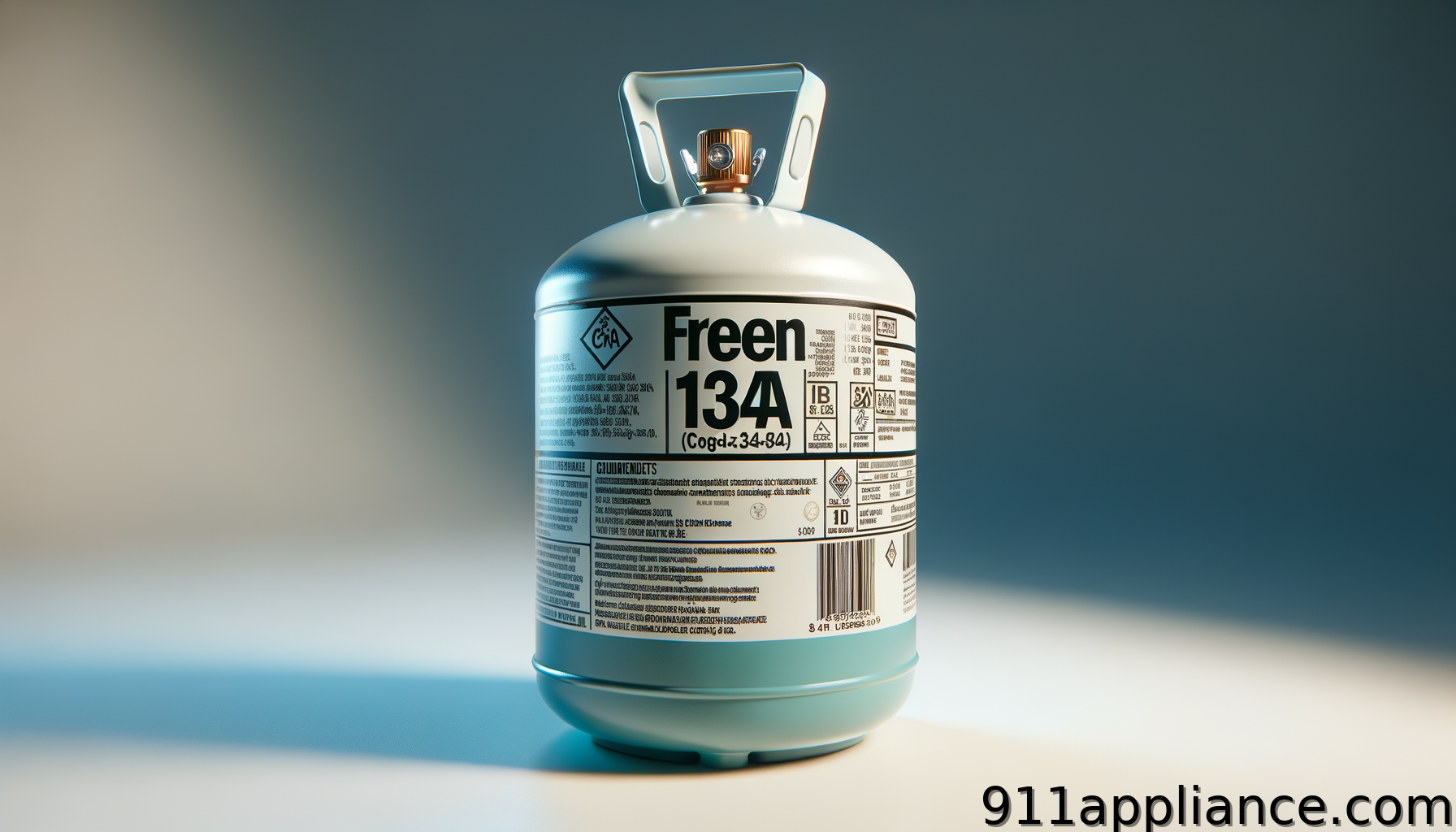
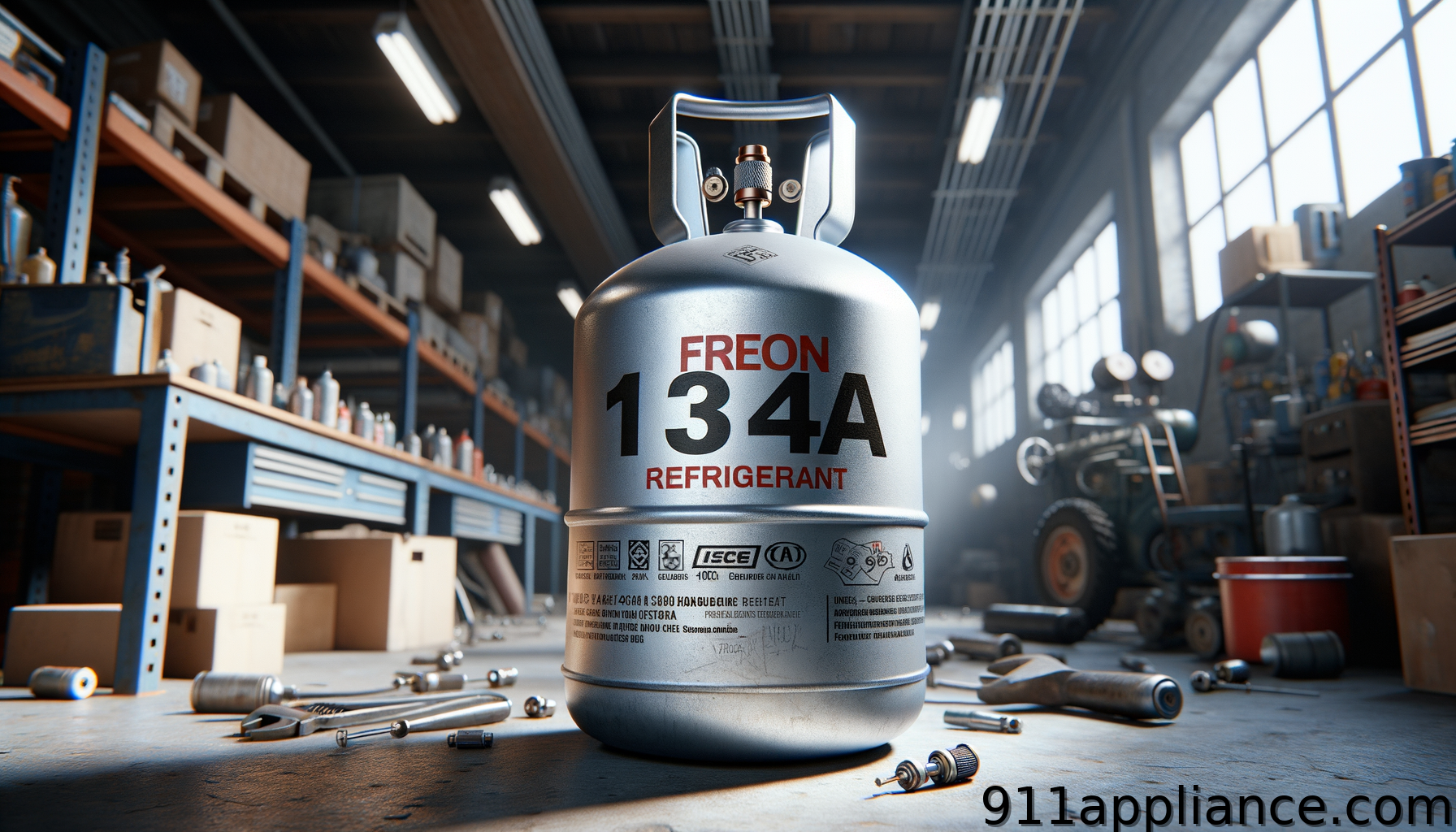
R‑134a is a refrigerant used in older automotive A/C systems and some legacy refrigeration. Many newer vehicles use R‑1234yf instead, but R‑134a remains common in the existing fleet. “Freon” is a Chemours trademark and should not be used as a generic name; use the ASHRAE designation (R‑134a) for regulatory guidance.
Why do you need a license to buy R‑134a?
It depends on use. For stationary HVAC/R, EPA Section 608 certification is required to purchase and handle refrigerants. For MVAC, Section 609 applies. Small self‑sealing retail cans for automotive use are generally sold without federal certification; in California, the program was updated and the deposit/return requirement ended January 1, 2025. Full cylinders and refrigerants for stationary systems still require certification. Always check state and local rules.
Which regulations govern the sale and use of R‑134a?
The Clean Air Act requires EPA Section 608/609 certification for refrigerant handling. The AIM Act restricts high‑GWP HFCs by sector, with GWP limits and installation dates (e.g., ≤700 GWP for most stationary AC/HP systems beginning January 1, 2026). California code adoptions and CARB rules add state‑specific requirements.
Who needs to be licensed to buy R‑134a?
Certified HVAC/R technicians and automotive service professionals need the appropriate EPA credential for the systems they service. Full cylinders and stationary‑use refrigerants require Section 608 certification; small self‑sealing MVAC cans are generally available without federal certification, subject to California’s updated program and any retailer requirements.
How can someone obtain a license or certification to buy R‑134a?
Complete approved training and pass the exam. Section 608 offers Type I/II/III and Universal options; providers offer in‑person and remote‑proctored testing. Typical costs range from $40–$150 depending on type and provider. Section 609 is for MVAC service and is offered by approved organizations.
What are the consequences of buying or using R‑134a without a license?
Penalties can include fines and enforcement actions. Improper handling can cause injuries and environmental harm. Always recover, recycle, and dispose of refrigerants using certified equipment and procedures.
Are there alternatives to R‑134a that do not require a license?
Most refrigerants with environmental impact are regulated. MVAC in newer vehicles typically uses R‑1234yf, which has different service and recovery requirements. Professional certification is strongly recommended for safe handling, even when small retail cans are available.
Why is proper handling of R‑134a important?
Correct recovery and leak prevention avoid greenhouse gas emissions and keep systems efficient. Certified technicians are trained to follow Section 608/609 rules, use approved recovery equipment, and document service to meet federal and California requirements.