What Sets 911 Appliance Apart From The Rest



Services
Comprehensive Appliance Repair Solutions.
Comprehensive Appliance Repair Services.
Expert Appliance Repair: Trusted Service You Depend On
Importance of Regular Appliance Maintenance
Regular appliance maintenance is essential for keeping household devices running efficiently, safely, and reliably. Routine care helps extend the lifespan of appliances such as refrigerators, washing machines, dryers, dishwashers, ovens, and HVAC systems by preventing minor issues from developing into major, costly breakdowns. Well-maintained equipment operates more efficiently, which reduces energy consumption and lowers utility bills over time. Regular checks and cleaning also help maintain consistent performance and ensure that appliances deliver the results you expect, whether that means cleaner clothes, better food preservation, or more even cooking.
Maintenance improves safety by identifying worn components, faulty wiring, or gas leaks before they cause hazards like fires, water damage, or carbon monoxide exposure. Scheduling inspections and timely repairs can protect your home and family from dangerous situations. Additionally, following manufacturer-recommended maintenance schedules can preserve warranties and make it easier to claim coverage if a covered part fails.
Preventive maintenance saves money in the long run. Small, inexpensive fixes performed during regular service visits are far cheaper than emergency replacements or major repairs. It also reduces the inconvenience of sudden failures, which can disrupt daily routines and require costly same-day service calls. For businesses and property managers, consistent maintenance minimizes downtime and helps maintain tenant satisfaction.
Finally, maintaining appliances contributes to environmental sustainability. Efficiently running appliances use less energy and water, reducing your household’s carbon footprint and conserving resources. In summary, regular appliance maintenance protects your investment, enhances safety, improves performance, saves money, and supports environmental responsibility.
Common Appliance Repair Issues
Common appliance repair issues are frequent and varied, affecting many households and businesses. Knowing the typical problems that occur with major home appliances can help you identify issues early, decide whether to call a professional technician, and potentially prevent more costly repairs later. Below is an expanded list of common appliance problems, organized by appliance type, along with brief descriptions of symptoms and typical causes.
Kitchen Appliances
- Refrigerator: Common issues include the fridge not cooling properly, excessive frost buildup in the freezer, strange noises such as buzzing or rattling, a leaking appliance or puddles beneath it, frequent cycling on and off, and an ice maker that stops producing ice. Causes often involve a faulty thermostat, a malfunctioning compressor, clogged condenser coils, a defective evaporator fan, a broken defrost timer or heater, or simple issues like blocked vents or poor door seals.
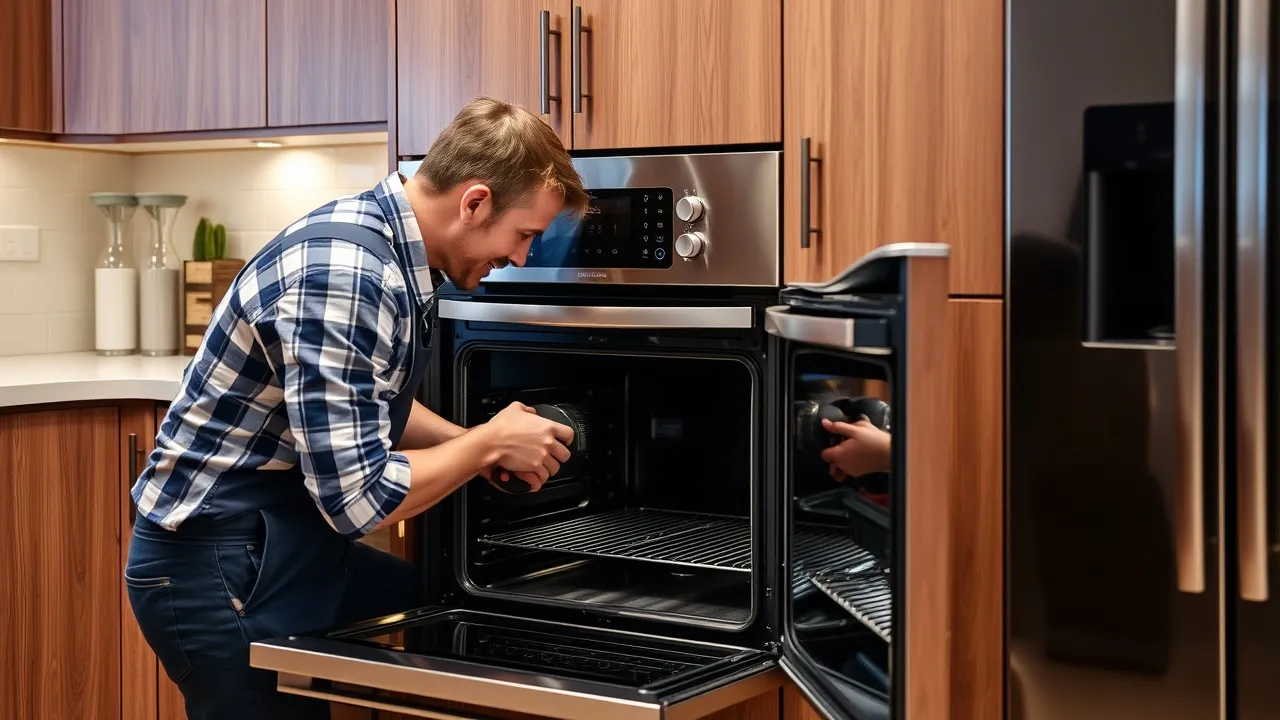
- Oven and Stove: Problems often include uneven cooking or baking, burners that fail to heat, a nonfunctional ignition or electronic spark, temperature that is too hot or too cool, and gas odor (for gas ranges). Typical causes are a faulty heating element, a bad temperature sensor or thermostat, clogged gas lines, bad igniters, or damaged oven seals.
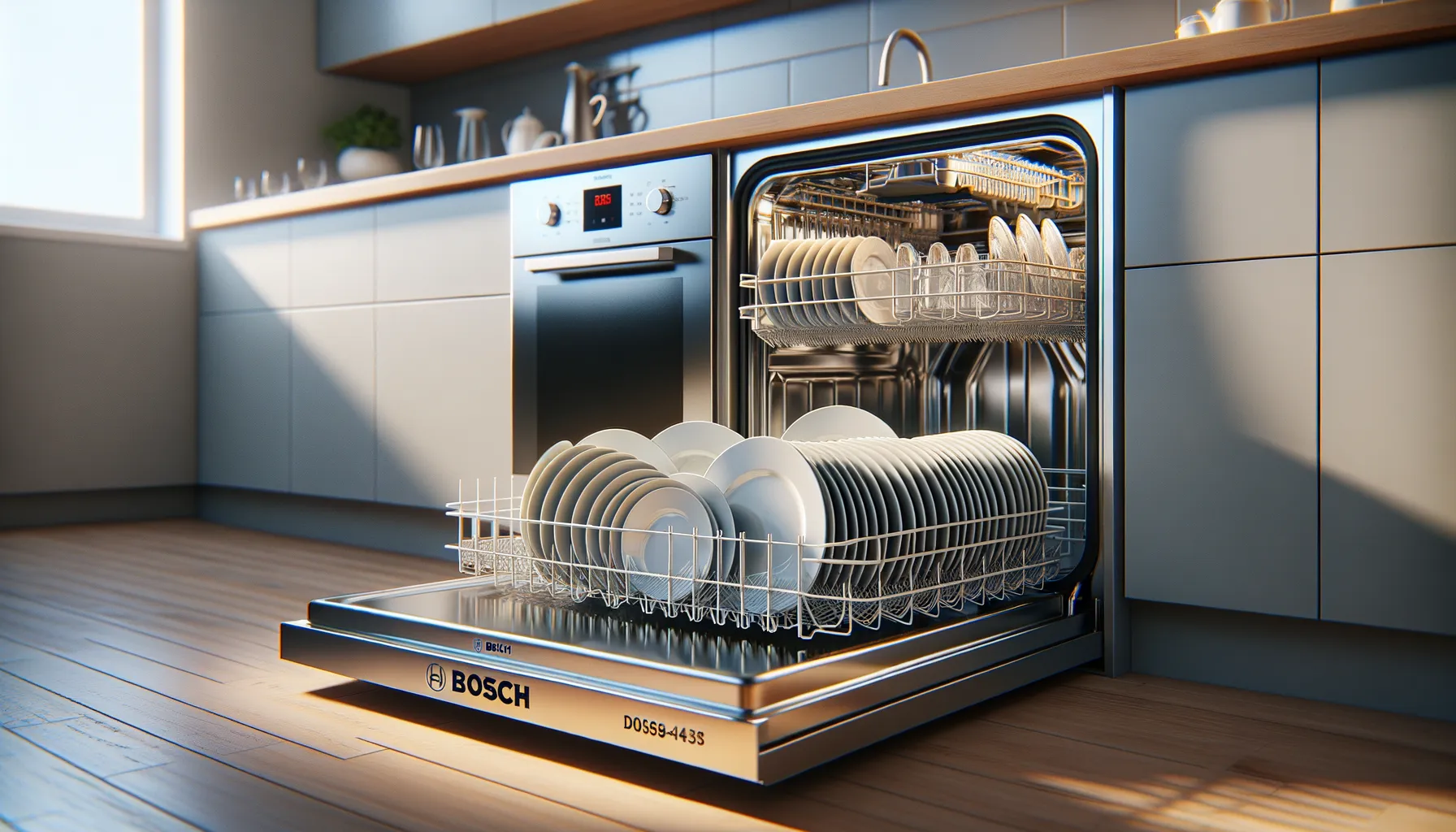
- Dishwasher: Frequent issues are dishes not getting clean, water not draining, standing water at the tub bottom, loud grinding or squealing noises, leaks, and detergent not dispensing. Causes can be a clogged filter or drain, a broken pump or motor, a defective door latch, worn spray arm, or a faulty float switch.
- Microwave: Common problems include the microwave not heating, a sparking interior, a rotating turntable that does not move, or the control panel failing to respond. These issues may be due to a bad magnetron, a faulty high-voltage diode or capacitor, a broken turntable motor, or electronic control board failure.
Laundry Appliances
- Washing Machine: Issues include failure to start, excessive vibration or noise, water not draining, clothes still wet after the spin cycle, and leaks. Typical causes include a malfunctioning pump, a broken drive belt, worn bearings, an unbalanced load, clogged hoses or filters, or electronic control failure.
- Dryer: Common problems are the dryer not heating, taking too long to dry, loud noises, a drum that won’t turn, or gas dryers failing to ignite. Causes often include a faulty heating element, a tripped thermal fuse, clogged vents restricting airflow, a broken drum belt, or failed gas valves and igniters in gas dryers.
Small Appliance Issues
- Garbage Disposal: Typical complaints include jams, humming without grinding, leaks, and foul odors. Often these arise from stuck food particles, a jammed impeller, a faulty motor, or worn gaskets and seals.
- Air Conditioners and Heat Pumps: Problems include poor cooling or heating, short cycling, ice buildup on evaporator coils, water leaks, and strange noises. Causes are dirty air filters, refrigerant leaks, compressor failure, clogged drain lines, or faulty thermostats.
Electrical and Control Problems
- Control Board and Electronic Issues: Many modern appliances rely on electronic control boards and sensors. Symptoms can include erratic behavior, failure to respond to controls, or cycles stopping unexpectedly. Causes often trace back to failed electronic components, water damage, power surges, or loose wiring.
- Wiring and Power Problems: Appliances that won’t power on or that trip breakers may have damaged power cords, internal wiring faults, overloaded circuits, or issues with outlets or GFCIs.
Preventive Care and Troubleshooting
- Regular Maintenance: Cleaning coils, replacing filters, inspecting hoses and seals, and ensuring proper ventilation can prevent many common appliance problems. Simple maintenance routines reduce strain on parts, improve efficiency, and lengthen appliance lifespan.
- When to Call a Professional: If the issue involves gas lines, major electrical components, sealed refrigeration systems, or complex electronic control boards, it is best to call a licensed repair technician. Attempting risky repairs can be hazardous and may void warranties.
- Safety Considerations: Always unplug or disconnect power and shut off water or gas supply before attempting any DIY fixes. Consult owner manuals for troubleshooting tips and follow manufacturer recommendations.
Understanding these common appliance repair issues, their typical symptoms, and likely causes makes it easier to diagnose problems and take appropriate action. Routine maintenance and timely repairs can keep appliances running efficiently and reduce the likelihood of sudden failures that disrupt daily life.
DIY Appliance Repair Tips
Tackling appliance repairs yourself can save money and give you a sense of accomplishment when you successfully fix a problem. Before you begin any repair project, take a few moments to assess the issue and decide whether it is truly a do-it-yourself job or if you need professional help. Small, straightforward problems are often manageable at home, while complex electrical or gas-related issues may be safer left to licensed technicians.
Start by gathering the right tools and parts. Basic tools like screwdrivers, pliers, a multimeter, and an adjustable wrench will cover many common repairs. Check your appliance model number and order replacement parts that match exactly; using incorrect parts can cause further damage or create safety hazards. Keep the appliance manual or access a digital version for diagrams and troubleshooting steps specific to your model.
Always prioritize safety. Unplug electrical appliances or shut off power at the circuit breaker before opening panels. For gas appliances, turn off the gas supply and follow the manufacturer’s instructions. Wear protective gloves and eye protection when necessary, and work in a well-lit area.
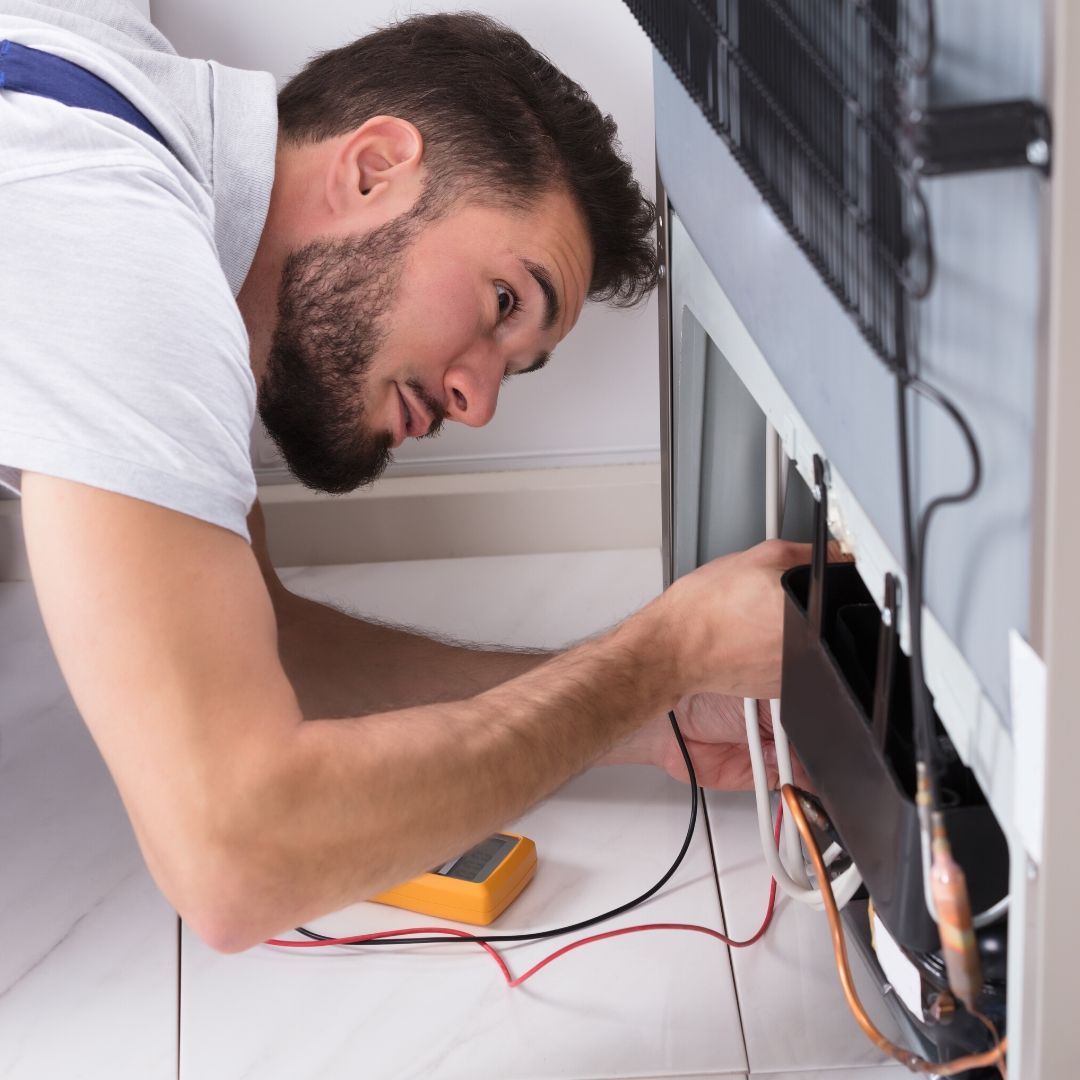
Diagnose the problem methodically. Start with simple checks—ensure the appliance is properly plugged in, examine fuses and circuit breakers, and look for visible signs of wear like frayed wires, burnt connectors, or clogged filters. Use a multimeter to test electrical continuity and voltage where appropriate. For mechanical issues, inspect belts, bearings, and motors for signs of wear or misalignment.
Take pictures as you disassemble components to make reassembly easier. Keep screws and small parts organized in labeled containers or on magnetic trays. If you encounter a step that seems risky or beyond your experience level, stop and consult a professional or refer to reputable online repair guides and videos that match your exact model.
After replacing parts and reassembling the appliance, test it carefully. Reconnect power or gas, and run a short diagnostic cycle while observing for unusual noises, leaks, or smells. If the appliance operates normally, monitor it over the next few uses to ensure the repair is stable. If problems persist, seek professional service to avoid potential damage or safety risks.
By preparing properly, using the right tools and parts, following safety precautions, and proceeding step by step, many common appliance issues can be resolved at home. Even when you can’t complete a repair yourself, your careful troubleshooting can help a technician diagnose and fix the problem more quickly.
When to Call a Professional Appliance Repair Technician
Knowing when to call a professional appliance repair technician can save you time, money, and frustration. Some problems are small and manageable with basic troubleshooting, while others require specialized tools, training, and safety precautions. Calling a professional at the right time helps prevent further damage, avoids voiding warranties, and ensures repairs are done correctly and safely.
Signs You Should Call a Professional
- Repeated or Persistent Problems: If the same issue keeps happening despite attempts to fix it, a technician can diagnose the underlying cause and provide a permanent solution.
- Strange Noises or Smells: Grinding, banging, loud rattling, burning smells, or electrical odors are warning signs that something is seriously wrong and should be inspected by a professional.
- Visible Damage: Cracks, broken components, frayed wires, leaking fluids, or scorch marks indicate risks that need expert attention.
- Safety Concerns: Any repair involving gas lines, electrical wiring, major disassembly, or potential fire hazards should be handled by a licensed technician.
- Sudden Complete Failure: When an appliance stops working altogether and basic checks (power, circuit breakers, plugs, fuel supply) don’t resolve it, a professional can accurately diagnose and repair the fault.
- Complex Diagnostics: Modern appliances often include electronic controls, sensors, and complex systems that require specialized diagnostic tools and knowledge.
- Warranty Considerations: If your appliance is still under warranty, repairs by an unauthorized person may void coverage. A certified technician ensures warranty terms are preserved.
- Cost vs. Risk: When the cost of repair approaches the price of replacement, a technician can help evaluate whether repair or replacement is more economical.
- Lack of Time or Tools: If you lack the time, proper tools, or comfort level to perform a repair safely, hiring a professional is the sensible choice.
Common Appliances That Often Need Professional Help
- Refrigerators and Freezers: Issues with compressors, refrigerant leaks, or cooling systems usually require a trained technician.
- Washers and Dryers: Problems with motors, drum assemblies, belts, or gas dryer components are best handled professionally.
- Dishwashers: Faulty pumps, leaks, or electrical components often need experienced troubleshooting.
- Ovens, Ranges, and Cooktops: Gas line issues, ignition problems, and oven controls should be serviced by qualified technicians to ensure safety.
- Water Heaters: Tank failures, gas burners, or thermostat faults demand licensed professionals.
- HVAC Systems: Furnaces, air conditioners, and heat pumps involve refrigerants and electrical components that require certified service.
What to Do Before the Technician Arrives
- Gather Information: Note the appliance brand, model, serial number, warranty status, and a clear description of the problem and any troubleshooting you’ve tried.
- Power and Safety: Turn off the appliance and disconnect power or gas if you suspect a hazard. If there is a strong smell of gas, evacuate and contact your gas company immediately.
- Clear the Area: Make space around the appliance so the technician can work efficiently.
- Be Prepared for Estimates: Ask about service charges, diagnostic fees, parts and labor estimates, and whether a written estimate will be provided.
Choosing the Right Technician
- Check Credentials: Look for licensing, certifications, and manufacturer training.
- Read Reviews: Customer reviews and references can indicate reliability and quality of work.
- Ask About Parts and Warranties: Confirm whether the technician offers guarantees on parts and labor and if they use OEM or compatible parts.
- Get Multiple Quotes: For major repairs, obtaining two or three estimates can help ensure a fair price.
When you call a professional at the right time, you protect your home, extend the life of your appliances, and often save money in the long run. Recognizing the signs and knowing what to expect makes the repair process smoother and safer.
Benefits of Using a Professional Appliance Repair Service
Using a professional appliance repair service offers many advantages that save time, reduce stress, and protect your investment in household equipment. Professional technicians bring formal training and extensive hands-on experience with a wide range of brands and models, which enables them to diagnose problems quickly and accurately. Their expertise helps avoid unnecessary parts replacements and repeated repair attempts that can increase costs over time.
A reputable repair service typically provides warranty coverage on parts and labor, giving you added protection and peace of mind if the same issue recurs shortly after repair. Professionals also have access to specialized diagnostic tools and genuine replacement parts, ensuring repairs meet manufacturer specifications and maintain appliance performance and safety. This is particularly important for complex modern appliances that incorporate electronic control systems.
Hiring a licensed and insured repair professional reduces risk. Proper licensing indicates adherence to industry standards and local regulations, while insurance protects you and the technician in case of accidental damage or injury during the repair process. This reduces potential liability and financial exposure compared with DIY attempts.
Convenience is another major benefit. Professional services often offer flexible scheduling, emergency same-day service, and efficient repairs that restore appliance functionality faster than most do-it-yourself solutions. Technicians can also provide routine maintenance that extends the lifespan of appliances, improves energy efficiency, and prevents costly breakdowns.
Finally, using professionals helps preserve home value and compliance with warranties. Many manufacturer warranties require repairs to be performed by authorized or certified technicians; failure to do so can void coverage. Professional documentation of services performed also supports resale value by demonstrating regular, competent maintenance.
In summary, a professional appliance repair service delivers reliable diagnostics, quality parts and workmanship, warranty protection, reduced liability, greater convenience, longer appliance life, and preservation of warranty and resale value—making it a cost-effective choice for homeowners.
Finding Reliable, Dependable And Trustworthy Appliance Repair Specialist
When you need an appliance repair specialist, choosing someone reliable, dependable, and trustworthy is essential. A skilled technician can save you time, money, and stress by diagnosing problems quickly, performing lasting repairs, and offering clear explanations of what needs to be done. Reliability means arriving on time and completing the job as promised. Dependability means consistent quality of work and willingness to honor warranties or follow-up service. Trustworthiness means transparent pricing, honest assessments about repair versus replacement, and respect for your home and belongings.
Start by asking friends, family, and neighbors for personal recommendations, and check online reviews on multiple platforms to get a balanced view. Verify credentials such as licenses, certifications, and insurance to ensure the technician is qualified and protected. Request written estimates that outline parts, labor, and any potential additional charges, and compare multiple quotes to find the best value without sacrificing quality. Look for specialists who offer guarantees or warranties on their work and who provide clear communication about timelines and expectations.
Choosing a reliable, dependable, and trustworthy appliance repair specialist helps ensure a smoother experience and better long-term results. Take time to research, ask questions, and select a technician who demonstrates professionalism, expertise, and respect for your home.
Also consider these practical tips to make the process smoother and to get the most out of the repair visit:
-
Prepare a clear description of the problem. Note when the issue started, any noises or smells, and whether the appliance’s behavior is intermittent or constant. This information helps the technician diagnose the issue faster and may reduce service time and cost.
-
Keep appliance model and serial numbers handy. Having this information ready before the appointment allows the technician to identify the correct parts and determine whether the appliance is still under manufacturer warranty.
-
Ask about diagnostic fees and what they cover. Some companies waive the diagnostic fee if you choose to proceed with the repair; others apply it toward the total cost. Understanding this up front prevents surprises.
-
Request that the technician show and explain the faulty components. A good technician will point out the problem parts, explain why they failed if possible, and describe the proposed fix in plain language. This builds trust and helps you understand whether the suggested repair is reasonable.
-
Inquire about parts warranties and labor guarantees. Reputable repair specialists stand behind their work and will offer limited warranties on parts and labor. Get the warranty terms in writing, including the duration and any exclusions.
-
Consider energy efficiency and long-term costs. When repairs are costly or the appliance is older, ask whether replacing the unit may be more economical in the long run. A trustworthy technician will give an honest assessment rather than pushing a sale.
-
Schedule routine maintenance. Preventive service can extend an appliance’s lifespan and prevent costly breakdowns. Ask the technician for simple maintenance tips you can perform, such as cleaning filters, checking hoses, or leveling the appliance.
-
Protect your home during service. Confirm that the technician will use drop cloths or take other precautions to keep your floors and surfaces clean. If you have pets or children, make arrangements to keep them safely out of the work area.
-
Keep records of repairs. Save receipts, warranties, and notes about what work was done. This documentation is valuable for future repairs, warranty claims, and when evaluating the overall condition of your appliances.
Finally, trust your instincts. If something feels off about a company’s practices—rushed estimates, high-pressure sales tactics, or vague answers—look elsewhere. A reputable appliance repair specialist values clear communication, stands behind their work, and treats your home with respect. Taking the time to select the right professional pays off in reliability, peace of mind, and better appliance performance over time.
-
Saving Money with Energy-Efficient Appliances
Saving money with energy-efficient appliances is a practical and effective way to reduce household expenses while also minimizing your environmental impact. By choosing appliances that use less electricity or water, you can lower your monthly utility bills and enjoy long-term savings. Energy-efficient models often incorporate advanced technology, improved insulation, and smarter controls that optimize performance and reduce waste. Although these appliances sometimes have a higher upfront cost, the reduced operating expenses typically offset the initial investment over time. Additionally, many governments and utility companies offer rebates, tax credits, or financing incentives for purchasing qualifying energy-efficient products, further lowering the effective purchase price and shortening the payback period.
When considering upgrades, prioritize appliances that consume the most energy, such as refrigerators, washing machines, dishwashers, water heaters, and heating and cooling systems. Look for reputable labels like ENERGY STAR, which certify that a product meets established efficiency standards. Pay attention to the appliance’s energy guide or estimated annual usage to compare models and calculate potential savings. Proper use and maintenance also play a significant role: regular cleaning, timely filter replacements, correct sizing for your household needs, and mindful operation—such as running full loads in laundry and dishwashers or adjusting thermostat settings—can enhance efficiency and extend the lifespan of your appliances. Implementing these strategies not only saves money but also contributes to a more sustainable home and a reduced carbon footprint.
Beyond replacing major appliances, there are other practical steps you can take to squeeze more savings from the equipment you already own. Simple behavioral changes—like air-drying clothes when possible, avoiding pre-rinsing dishes before loading the dishwasher, and using energy-saving or eco modes—can add up. Insulating hot water pipes, lowering water heater temperature to 120°F (49°C), and installing faucet aerators or low-flow showerheads reduce water heating demand and cut both water and energy bills. For refrigerators and freezers, keep them at the manufacturer-recommended temperatures, avoid overfilling or blocking vents, and vacuum coils periodically to maintain airflow and efficiency.
Smart home technology can amplify efficiency gains. Programmable or smart thermostats learn patterns and adjust heating and cooling to match occupancy, preventing wasted energy when no one is home. Smart plugs and energy-monitoring devices help you identify phantom loads—appliances that draw power even when turned off—so you can unplug or schedule them to stay off. Integrating zoning in HVAC systems or using ceiling fans to circulate air allows comfortable temperatures with less reliance on heating and cooling systems.
When shopping for new appliances, do the math: compare the purchase price with estimated annual energy costs to determine payback time. Consider the total cost of ownership, including maintenance, repair history of the brand, and warranty coverage. Sometimes slightly higher upfront costs for a more efficient model are justified by shorter payback periods and higher resale value for your home. Take advantage of seasonal sales, rebates, and trade-in programs to reduce upfront expenses.
Finally, view efficiency upgrades as part of a broader approach to home energy management. Combining efficient appliances with improvements like LED lighting, better insulation, weatherstripping, and, if feasible, renewable energy sources such as rooftop solar panels can dramatically lower your utility bills and greenhouse gas emissions. Even small changes accumulate: the cumulative effect of smarter appliance choices, improved habits, and targeted home improvements can lead to meaningful financial savings and a more comfortable, resilient home for years to come.
Clear Explanation of Appliance Repair Warranty Coverage
Understanding your appliance warranty can save you time, stress, and money when something goes wrong. Whether you bought a new refrigerator, washing machine, or dishwasher, knowing the scope and limits of your coverage helps you make informed decisions about repairs, replacements, and maintenance. Here’s a clear breakdown of what typical appliance warranties cover, what they don’t, and how to make the most of your protection.
What a Standard Manufacturer’s Warranty Usually Covers
- Parts and labor for defects in materials and workmanship: Most new appliances come with at least a one-year warranty that covers parts and labor needed to repair defects present when the appliance was built.
- Specific components for longer terms: Some components—like sealed refrigeration systems, compressors, or motors—may have extended coverage (often 5–10 years) but sometimes only for parts, not labor.
- Replacement of a defective unit: If a defect can’t be repaired and the unit is under warranty, manufacturers may replace the appliance or provide a pro-rated credit toward a new unit, depending on the policy.
What Service Contracts and Extended Warranties Typically Add
- Extended time frame: Service contracts prolong coverage beyond the manufacturer’s warranty, often for several additional years.
- Broader coverage: Extended plans sometimes cover wear-and-tear failures, certain accidental damage, and preventive maintenance, depending on the contract.
- On-site repairs and approved technicians: Many service contracts include on-site service with authorized technicians and cover diagnostic fees.
Common Exclusions and Limitations
- Normal wear and tear: Items that wear out over time—belts, seals, filters, light bulbs, and other consumables—are often not covered unless the contract explicitly includes them.
- Improper installation or misuse: Damage from incorrect installation, improper use, neglect, or attempts to repair the appliance by unauthorized technicians is usually excluded.
- Cosmetic damage: Scratches, dents, and other cosmetic defects that do not affect functionality are typically not covered.
- Environmental damage: Damage from flooding, fire, pests, or power surges may be excluded unless you have specific add-on coverage.
- Labor-only limits: Some policies cover parts but exclude or limit labor reimbursement after a specified period.
- Shipping and handling: Coverage may exclude costs to transport the appliance to a repair facility unless on-site service is provided.
How to Make a Warranty Claim
- Register your appliance: Many manufacturers require registration within a certain period to validate the warranty—do this as soon as possible.
- Keep your proof of purchase: Save receipts, invoices, and any paperwork you received at purchase—these are essential for claims.
- Use authorized service providers: To avoid denial of claims, schedule repairs through the manufacturer’s authorized service network or the provider named in your contract.
- Document the problem: Take photos or videos of the issue and note when it began. This can speed up diagnosis and support your claim.
- Ask about turnaround and costs: Confirm expected repair times and whether any diagnostic or service call fees apply.
When a Claim Might Be Denied
- Failure to maintain the appliance: If the manufacturer requires routine maintenance (like cleaning filters or descaling) and you haven’t followed those instructions, a claim may be rejected.
- Unauthorized modifications or repairs: Using non-approved parts or having an unapproved technician work on the unit can void coverage.
- Using the appliance commercially when it’s labeled for household use: Warranties often specify residential use only.
Tips to Protect Your Coverage
- Read the fine print: Know what is and isn’t covered before you need service.
- Follow maintenance recommendations in the owner’s manual: Keeping maintenance records can support future claims.
- Consider extended coverage wisely: Compare the cost of the service contract against likely repair costs and the appliance’s expected lifespan.
- Register and store documents: Keep warranty cards, receipts, and the owner’s manual in a safe, easy-to-find place, or use digital backups.
When to Repair vs. Replace
- Age of the appliance: If an appliance is near the end of its expected life (often 7–15 years depending on the type), replacement may be more cost-effective than repeated repairs.
- Cost of repair relative to replacement: A common rule is that if repairs exceed 50% of the cost of a new appliance, replacement is often the better choice.
- Energy efficiency and features: New models may offer significant energy savings and improved performance that justify replacement.
Need help with a specific appliance or warranty question? Clear Appliance Service can review your warranty terms, help schedule authorized repairs, or advise whether an extended service plan makes sense for your situation. Contact us with your appliance model, purchase date, and a brief description of the issue—our technicians will guide you through the next steps.
Essential tools for simple appliance repair
Having the right tools on hand can make simple appliance repairs faster, safer, and more effective. Below is a concise guide to the essential tools every homeowner should have for basic appliance maintenance and minor repairs.
-
Screwdrivers (flathead and Phillips): A set of screwdrivers in various sizes is indispensable. Many appliances use both Phillips and flathead screws; having magnetic screwdriver tips helps keep screws from falling into tight spaces.
-
Nut drivers and socket set: Appliances often use hex nuts and bolts. A set of nut drivers or a compact socket set with common sizes (1/4″, 5/16″, 3/8″, and metric equivalents) will cover most needs.
-
Adjustable wrench and pliers: An adjustable wrench handles fasteners of different sizes. Needle-nose pliers are useful for reaching into tight areas, while slip-joint or tongue-and-groove pliers provide extra grip and leverage.
-
Multimeter: A quality digital multimeter is essential for diagnosing electrical problems like broken fuses, faulty wiring, or defective thermostats. Look for one that measures voltage, continuity, and resistance.
-
Wire strippers and electrical tape: For basic electrical repairs and splicing, insulated wire strippers and good electrical tape are necessary. Heat-shrink tubing is a professional alternative for safer, longer-lasting insulation.
-
Flashlight or headlamp: Many appliance components are located in dark, confined spaces. A bright flashlight or hands-free headlamp makes inspection and repair much easier.
-
Putty knife and scraper: Useful for prying panels, removing old gaskets, or scraping away residue. A flexible putty knife helps lift trim pieces without damage.
-
Utility knife and scissors: Handy for cutting packaging, insulation, tape, or zip ties during a repair job.
-
Small brushes and vacuum: A small brush and a handheld vacuum or can of compressed air are helpful for cleaning lint, dust, and debris from motors, vents, and filters, improving performance and safety.
-
Replacement parts and common consumables: Keep common replacement parts like fuses, door gaskets, hoses, rubber feet, and light bulbs on hand. Also stock fasteners, zip ties, and hose clamps.
-
Safety equipment: Protective gloves, safety glasses, and a dust mask protect you while working. Also keep a small first-aid kit nearby.
-
Manual and parts diagram access: Keep the appliance manual or download the model’s service manual and parts diagram. These references speed troubleshooting and ensure you order correct replacement parts.
With these basic tools and supplies, you’ll be prepared to handle many common appliance issues such as replacing heating elements, fixing leaks, changing belts, or troubleshooting electrical faults. Investing in a modest toolkit saves time and money and helps you maintain appliances for longer, safer operation.
-
Future Trends in Home Appliances Technology
As home appliances continue to evolve, the industry is moving toward smarter, more efficient, and more connected devices that improve convenience, energy consumption, and overall quality of life. Emerging trends point to increased integration of artificial intelligence and machine learning, allowing appliances to learn user preferences, optimize performance, and predict maintenance needs before issues arise.
Connectivity remains central, with appliances becoming part of larger smart home ecosystems through interoperable standards and robust IoT platforms. Voice control, mobile app management, and remote diagnostics enable seamless user interaction and real-time monitoring, while edge computing helps process data locally for faster responses and improved privacy.
Energy efficiency and sustainability are major focal points. Advances in materials, battery technology, and power management reduce consumption and minimize environmental impact. Appliances that support renewable energy integration, load balancing, and smart grid communication help households optimize electricity usage and reduce costs. Circular economy practices, including modular designs and easier repairability, extend product lifespans and lower waste.
Personalization and adaptive functionality are also expanding. Appliances are becoming more customizable through modular components, downloadable features, and cloud-based updates that introduce new capabilities over time. This adaptability means a single device can serve multiple roles, reducing the need for separate units and contributing to space and resource savings.
Health and wellness features are increasingly incorporated into everyday appliances. Refrigerators with better temperature control and food freshness monitoring, air purifiers with advanced filtration and pathogen detection, and washing machines that sanitize fabrics while conserving water all reflect a growing emphasis on wellbeing. Sensors and analytics provide insights into air quality, allergen levels, and food safety, supporting healthier home environments.
Design and usability improvements focus on accessibility and intuitive user experiences. Gesture controls, simplified interfaces, and inclusive design principles ensure appliances are easier to use for people of all ages and abilities. Quiet operation, compact form factors, and multi-functional designs address urban living constraints where space and noise reduction are priorities.
Security and privacy remain critical as connectivity increases. Manufacturers are investing in stronger encryption, secure firmware updates, and privacy-by-design practices to protect user data and prevent unauthorized access. Regulatory standards and industry collaborations are expected to mature to ensure safer and more trustworthy smart appliances.
In summary, future home appliances will be smarter, more efficient, and more integrated into our daily lives. They will offer personalized, health-focused, and environmentally responsible solutions while prioritizing security and seamless interaction. These advances promise to make homes more comfortable, sustainable, and responsive to the needs of their inhabitants.
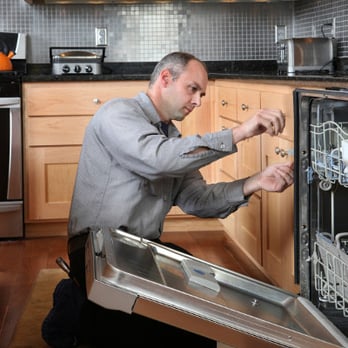
The most trusted appliance repair service
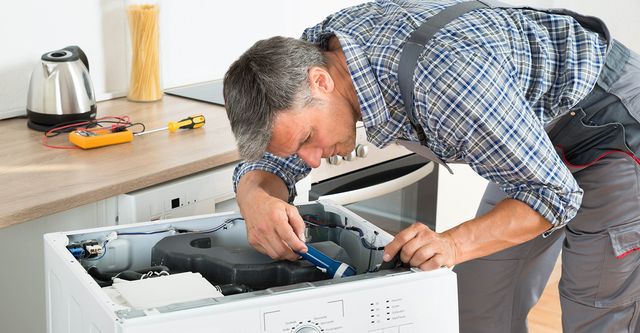
Competitive rates with zero surcharges—evenings, weekends, and holidays included at no extra cost.
Quick turnaround repairs at budget-friendly prices. Need urgent service? Simply call or book through our scheduling system for rapid assistance.
We take pride in keeping your appliances running smoothly.
Our experienced technicians stand ready to answer your questions and handle repairs. We excel at servicing Washer/Dryer, Stove, Refrigerator, Oven, Dishwasher, Garbage Disposal, Wall Heater, Freezer, Refrigerator Icemaker, Front Load Washer, Cooktop, and stackable washer/dryer units.
Every repair comes with a transparent quote that we’ll confirm with you before proceeding. Recognized as San Diego County’s premier appliance repair choice.
Looking for dependable appliance repair you can count on? When home appliances malfunction, daily routines suffer. Whether it’s a fridge, washing machine, or dishwasher—a broken unit disrupts everything. The good news? Professional service, quality equipment, and genuine parts restore function fast. 9 1 1 Appliance Repair delivers swift, economical solutions for household appliance failures. Our certified technicians work to eliminate your appliance problems promptly and completely.