Water dispensers have become an essential appliance in households and offices, providing convenient access to clean and refreshing drinking water. However, like any other appliance, water dispensers can encounter issues that affect their performance. This is where troubleshooting comes in. Troubleshooting is the process of identifying and resolving problems with a device or system. In the case of water dispensers, troubleshooting is necessary to ensure that they continue to function properly and provide clean and safe drinking water.
Table of Contents
- Key Takeaways
- Identifying Common Water Dispenser Issues
- Checking Power Supply and Electrical Connections
- Inspecting the Water Supply Line
- Examining the Water Filter
- Assessing the Water Dispenser’s Temperature Control
- Troubleshooting the Dispenser’s Compressor
- Cleaning the Dispenser’s Condenser Coils
- Replacing Faulty Dispenser Parts
- Preventing Future Water Dispenser Issues
- How Can I Prevent Common Issues with My Water Dispenser?
- What Could Cause a Water Dispenser to Leak Inside and How Can I Troubleshoot It?
- Refrigerator Water Dispenser vs Freestanding Water Dispenser Troubleshooting
- Brand-Specific Water Dispenser Issues
- Samsung
- LG
- Whirlpool
- GE
- Water Dispenser Repair Cost Guide
- FAQs
- What is a water dispenser?
- What are the common problems with water dispensers?
- How can I troubleshoot my water dispenser?
- What should I do if my water dispenser is leaking?
- Why is my water dispenser not dispensing water?
- How can I clean my water dispenser?
- What should I do if my water dispenser is making strange noises?
Key Takeaways
- Water dispenser issues can be identified and fixed with troubleshooting techniques.
- Common issues include lack of water flow, temperature control problems, and compressor issues.
- Checking power supply and electrical connections is a crucial step in troubleshooting.
- Inspecting the water supply line and examining the water filter can also help identify issues.
- Regular cleaning and maintenance can prevent future water dispenser problems.
Identifying Common Water Dispenser Issues
There are several common problems that users may encounter with their water dispensers. One of the most common issues is a dispenser that does not dispense water or dispenses water slowly. This can be caused by a variety of factors, such as a clogged water filter, a faulty dispenser valve, or a problem with the compressor. Another common issue is a dispenser that dispenses water that is not cold or hot enough. This can be due to a malfunctioning temperature control or a problem with the compressor.
Checking Power Supply and Electrical Connections
Before diving into more complex troubleshooting steps, it is important to check the power supply and electrical connections of the water dispenser. Start by ensuring that the dispenser is properly plugged into a functioning power outlet. If it is plugged in but still not receiving power, check the circuit breaker or fuse box to see if there is a tripped breaker or blown fuse. If everything appears to be in order, use a multimeter to test the power cord and electrical connections for continuity.
Inspecting the Water Supply Line
The water supply line plays a crucial role in the performance of a water dispenser. If there are leaks or blockages in the supply line, it can affect the flow of water and cause issues with the dispenser. To inspect the water supply line, start by turning off the water supply and disconnecting the line from the dispenser. Check for any visible leaks or damage to the line. If there are no visible issues, flush the line with clean water to remove any blockages or debris.
Examining the Water Filter
The water filter is an important component of a water dispenser as it helps to ensure that the water being dispensed is clean and safe to drink. Over time, the filter can become clogged with impurities and debris, which can affect the flow of water and the quality of the water being dispensed. To examine the water filter, locate it within the dispenser and remove it according to the manufacturer’s instructions. Inspect the filter for any signs of clogs or damage. If necessary, clean or replace the filter.
Assessing the Water Dispenser’s Temperature Control
The temperature control of a water dispenser is responsible for regulating the temperature of the water being dispensed. If the water is not cold or hot enough, it may be due to a malfunctioning temperature control. To assess the temperature control, start by unplugging the dispenser and removing any panels or covers that may be blocking access to the control. Use a multimeter to test the control for continuity and adjust it if necessary.
Troubleshooting the Dispenser’s Compressor
The compressor is a vital component of a water dispenser as it is responsible for cooling or heating the water. If there are issues with the compressor, it can affect the temperature of the water being dispensed. To troubleshoot the compressor, start by unplugging the dispenser and removing any panels or covers that may be blocking access to the compressor. Check for any visible signs of damage or leaks. If there are no visible issues, use a multimeter to test the compressor for continuity.
Cleaning the Dispenser’s Condenser Coils
The condenser coils of a water dispenser play a crucial role in cooling or heating the water. Over time, these coils can become dirty or clogged with dust and debris, which can affect the performance of the dispenser. To clean the condenser coils, start by unplugging the dispenser and removing any panels or covers that may be blocking access to the coils. Use a soft brush or vacuum cleaner to gently remove any dust or debris from the coils.
Replacing Faulty Dispenser Parts
If all else fails and the water dispenser is still not functioning properly, it may be necessary to replace faulty parts. Common parts that may need to be replaced include the water filter, dispenser valve, temperature control, and compressor. To identify and replace faulty parts, refer to the manufacturer’s instructions or consult a professional technician.
Preventing Future Water Dispenser Issues
To prevent future issues with a water dispenser, it is important to practice regular maintenance and cleaning. This includes regularly cleaning the dispenser’s components, such as the water filter and condenser coils, as well as checking for any leaks or blockages in the water supply line. It is also important to follow the manufacturer’s instructions for proper use and care of the dispenser.
In conclusion, troubleshooting is an essential process when it comes to maintaining the proper functioning of a water dispenser. By following the steps outlined in this article, users can identify and resolve common issues with their dispensers, ensuring that they continue to provide clean and safe drinking water. Regular maintenance and cleaning are also important in preventing future issues and prolonging the lifespan of the dispenser.
How Can I Prevent Common Issues with My Water Dispenser?
Regular water dispenser maintenance tips can help prevent common issues like mold growth, funky tastes, and leaks. Clean the reservoir and replace filters as recommended. Keep the area around the dispenser dry and sanitized. Follow these simple maintenance tips to keep your water dispenser in top shape.
What Could Cause a Water Dispenser to Leak Inside and How Can I Troubleshoot It?
If your water dispenser is leaking inside, it could be due to a faulty water line, cracked reservoir, or damaged dispenser valve. To troubleshoot the issue, check for loose connections, inspect for cracks, and ensure proper alignment of the dispenser. Explore troubleshooting water leakage solutions to address the problem effectively.
Refrigerator Water Dispenser vs Freestanding Water Dispenser Troubleshooting
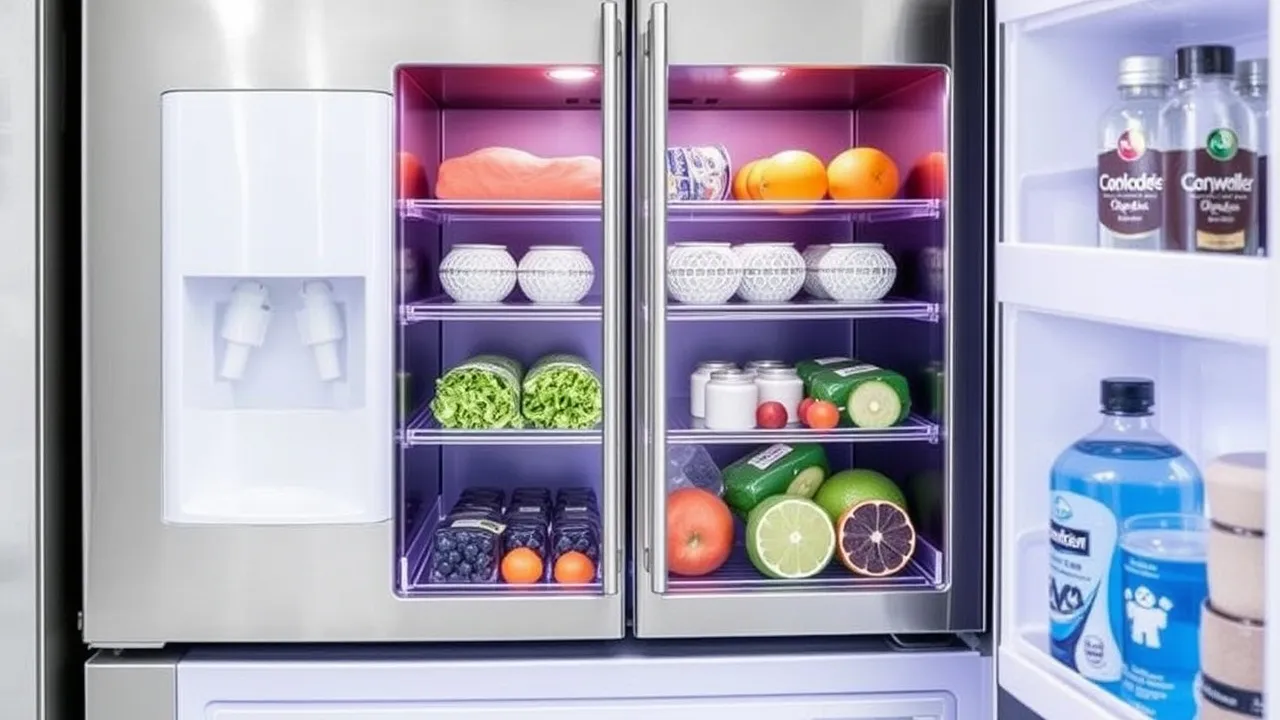
Most of the troubleshooting steps earlier in this guide apply broadly, but the type of unit you own determines which components are actually present and which steps are relevant. A refrigerator water dispenser is built into the door of a fridge and draws from the household water supply through a saddle valve or wall connection. A freestanding water dispenser, sometimes called a water cooler, is a standalone unit that either loads a gallon jug on top or plugs directly into a water line.
For refrigerator water dispensers, the most relevant steps are inspecting the water supply line, examining the water filter, and checking the dispenser actuator switch and water inlet valve. These units rarely have their own compressor for the dispenser function, so the compressor troubleshooting and condenser coil cleaning steps above apply to the refrigerator’s main cooling system, not the dispenser itself. Frozen water lines and frozen reservoir tanks are common refrigerator-specific problems that freestanding units do not experience. If your fridge dispenser stops working in winter or after a door has been left ajar, a frozen internal water line is a likely culprit. For hands-on help with built-in fridge dispensers, our refrigerator repair in San Diego page covers diagnosis and same-day service.
For freestanding water dispensers, the compressor and condenser coil steps are directly relevant because these units have their own self-contained cooling system. The water filter step may or may not apply depending on whether the unit has an internal filter. Bottle-fed units have additional failure points that refrigerator dispensers do not, such as the bottle probe, the bottle collar seal, and the cold water reservoir inside the cabinet. If a freestanding unit stops cooling but still dispenses water, the problem is almost always the compressor, the start relay, or the thermostat, not the water system.
If you are troubleshooting a unit that also makes ice, the dispenser and ice maker share the same water supply line and inlet valve, so a problem with one often affects the other. Our ice maker and water dispenser performance troubleshooting guide walks through diagnosing shared water supply issues that impact both functions.
Brand-Specific Water Dispenser Issues
While the general troubleshooting steps above cover most scenarios, certain brands have well-documented recurring failures. Knowing the common failure point for your brand can save diagnostic time.
Samsung
Frozen water lines are the most reported Samsung refrigerator water dispenser problem. The internal water line that runs through the freezer door can freeze solid, blocking flow entirely. A common fix is installing a Samsung water line heater kit. Samsung refrigerators also experience leaks from the DA97-series water filter housing, where the plastic housing cracks or the internal O-ring fails. Symptoms include water pooling under the fridge or a slow drip from the filter area. Typical repair cost for a filter housing replacement runs $150 to $280 including parts and labor.
LG
LG refrigerator water dispensers frequently fail at the water inlet valve. The solenoid valve that opens to let water flow can burn out or fail to open fully, resulting in no water or a weak trickle. The dispenser actuator switch, the small paddle switch behind the dispenser lever, is another common LG failure point. When it fails, the dispenser may not respond at all or may stick open and run continuously. Water inlet valve replacement typically costs $180 to $320, and the actuator switch runs $120 to $200.
Whirlpool
Whirlpool refrigerators are known for frozen water reservoir tanks. The plastic reservoir tank that holds chilled water can freeze, especially if the fridge temperature is set too low or the thermistor is reading incorrectly. A frozen reservoir produces no water from the dispenser even though the supply line is clear. Whirlpool dispenser control boards also fail, causing the dispenser to stop responding to the paddle or to dispense water intermittently. Reservoir replacement typically costs $160 to $260, and dispenser control board replacement runs $220 to $400.
GE
GE refrigerators commonly develop cracks in the water filter housing, particularly on models with the filter mounted in the upper right corner of the fresh food compartment. A cracked housing leaks steadily and often goes unnoticed until water appears under the crisper drawers. The GE dispenser switch, located behind the dispenser panel, is another frequent failure. When it goes bad, the dispenser may make a humming sound but not dispense. Filter housing replacement typically costs $170 to $300, and dispenser switch replacement runs $130 to $210.
Water Dispenser Repair Cost Guide
If troubleshooting points to a failed part, the table below shows realistic cost ranges for the most common water dispenser repairs. Costs include both parts and labor for a typical residential service call in the San Diego area. Actual pricing varies by brand, model, and part availability.
| Repair | Typical Cost Range | Notes |
|---|---|---|
| Water inlet valve replacement | $180 to $320 | Solenoid valve that controls water flow to the dispenser and ice maker |
| Water filter housing replacement | $150 to $300 | Includes housing, O-rings, and reconnection of supply lines |
| Dispenser actuator switch replacement | $120 to $210 | Paddle switch behind the dispenser lever |
| Water line replacement | $130 to $250 | Internal dispenser water line, including frozen line repair |
| Dispenser control board replacement | $220 to $400 | Electronic board that controls dispenser functions |
A few factors push costs toward the higher end of these ranges. Built-in or counter-depth refrigerators often require more labor time to access internal components. Older models may need discontinued parts sourced from third-party suppliers, which can add to both cost and wait time. If the dispenser problem is tied to a frozen water line rather than a failed part, the repair may fall at the lower end since no component replacement is needed. For an accurate quote on your specific model, a technician can diagnose the exact failure and provide a flat-rate estimate before any work begins.
FAQs
What is a water dispenser?
A water dispenser is a machine that dispenses water, usually in a bottle or jug, for drinking or other purposes.
What are the common problems with water dispensers?
Common problems with water dispensers include leaks, low water pressure, dispenser not dispensing water, dispenser not cooling water, and dispenser making strange noises.
How can I troubleshoot my water dispenser?
To troubleshoot your water dispenser, you can check for leaks, ensure that the dispenser is properly plugged in, check the water supply, clean the dispenser, and check the temperature settings.
What should I do if my water dispenser is leaking?
If your water dispenser is leaking, you should turn off the water supply, unplug the dispenser, and check for any cracks or damage to the dispenser. You may need to replace the dispenser or call a professional for repairs.
Why is my water dispenser not dispensing water?
Your water dispenser may not be dispensing water due to a clogged filter, low water pressure, or a malfunctioning dispenser switch. You can troubleshoot these issues by checking the filter, water supply, and dispenser switch.
How can I clean my water dispenser?
To clean your water dispenser, you can use a mixture of water and vinegar to clean the dispenser and remove any buildup or bacteria. You should also regularly replace the filter and sanitize the dispenser.
What should I do if my water dispenser is making strange noises?
If your water dispenser is making strange noises, you should unplug the dispenser and check for any loose or damaged parts. You may need to replace the dispenser or call a professional for repairs.