Quick Answer
If your Samsung refrigerator ice maker is not working, first confirm the freezer is set to 0°F, the ice maker is switched on, and the water filter and supply line are not blocked or frozen. Then press and hold the ice maker test button for 3–5 seconds and allow up to 24 hours for a new batch of ice. If it still does not fill, freeze, harvest, or dispense, the inlet valve, fill tube, ice maker assembly, or auger may need service.
Table of Contents
- Quick Answer
- Common Samsung Ice Maker Problems
- Samsung Ice Maker Not Making Ice: Step-by-Step Diagnosis
- Check the Water Supply Line
- Inspect the Water Inlet Valve
- Test the Ice Maker Assembly
- Check the Temperature Settings
- Inspect the Ice Bucket and Auger
- Samsung-Specific Ice Maker Issues
- How to Reset a Samsung Ice Maker
- Samsung Ice Maker Replacement Cost
- When to Call a Professional
- FAQs
- Why is my Samsung ice maker not making ice but water works?
- How do I force my Samsung ice maker to cycle?
- How long does it take for a Samsung ice maker to make ice after reset?
- Is there a recall on Samsung ice makers?
- How much does it cost to fix a Samsung ice maker?
- Conclusion
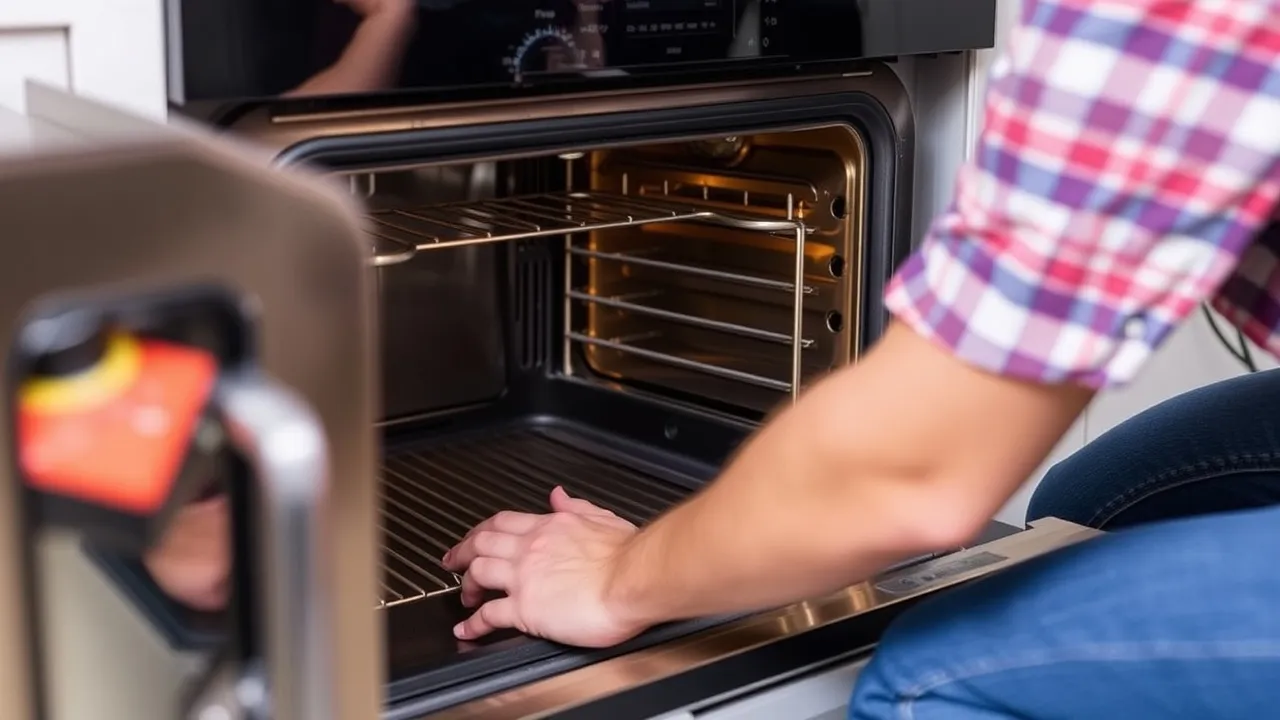
A Samsung refrigerator ice maker not working is one of the most common service calls we take at 911 Appliance Repair here in San Diego. Samsung builds some of the most feature-packed residential refrigerators on the market, from French door models with in-door water dispensers to Family Hub smart fridges with touchscreen displays. But those same features mean more components that can fail, and the ice maker is often the first thing to stop working. Samsung ice makers also have a well-documented history of design-specific issues that set them apart from LG, Whirlpool, and GE, which is why this guide spends time on the problems unique to Samsung.
When your Samsung ice maker not working becomes a daily frustration, you want answers fast. The good news is that many Samsung ice maker problems can be diagnosed and even fixed without picking up the phone. This Samsung refrigerator ice maker troubleshooting guide walks you through the most common problems, a step-by-step diagnosis sequence, the specific Samsung ice maker reset procedure, realistic repair costs, and clear guidance on when to call a professional for same-day appliance repair in San Diego. If you would rather skip the DIY route, 911 Appliance Repair has been fixing Samsung refrigerators in San Diego homes since 1991.
We are family-owned, hold an A+ BBB rating, and carry 557 reviews at 4.8 stars. Call us at 800-929-1192 for same-day Samsung refrigerator repair.
TL;DR: A Samsung refrigerator ice maker not working most often has a simple cause like a turned-off switch, a clogged water filter, a frozen water line, or a faulty water inlet valve. Start with the reset procedure and a filter check before replacing parts. If the ice maker still will not produce ice after 24 hours, call 911 Appliance Repair at 800-929-1192 for same-day Samsung ice maker repair in San Diego.
Common Samsung Ice Maker Problems
Samsung refrigerators have a well-documented history of ice maker issues. The design of Samsung ice maker assemblies places them inside the freezer compartment, where temperature fluctuations, humidity, and airflow patterns can all contribute to freezing, jamming, and component wear. Before diving into diagnosis, it helps to know which symptom you are dealing with, because each one points to a different set of causes.
- Ice maker not making ice at all: The most common complaint. The ice maker cycles but produces nothing, or it does not cycle at all. Causes range from a turned-off switch and a clogged water filter to a frozen fill tube, a failed water inlet valve, or a bad ice maker assembly.
- Ice maker making small or misshapen cubes: Partially filled molds point to low water pressure, a clogged filter, or a partially failed inlet valve. The ice maker is cycling, but not enough water reaches the mold.
- Ice maker leaking water: Water pooling under the ice maker or inside the freezer usually means a cracked ice maker mold, an overflowing fill cycle from a bad inlet valve, or a loose water line connection.
- Ice maker not dispensing ice: The ice maker produces ice but it will not come out the door. This is typically an auger motor failure, a jammed ice bucket, a broken dispenser actuator, or a clumped ice block.
- Ice maker making too much ice (overflow): The ice maker keeps producing even when the bucket is full. A stuck feeler arm, a failed bin-full sensor, or a control board glitch is usually to blame.
Samsung Ice Maker Not Making Ice: Step-by-Step Diagnosis
Work through these steps in order. Each one targets a specific cause, and you can stop as soon as you find and fix the problem. Most of these checks take only a few minutes and require no tools.
Check the Water Supply Line
The water supply line delivers water from your home plumbing to the refrigerator, feeding both the water dispenser and the ice maker. Pull the refrigerator out from the wall and inspect the line that runs from the shutoff valve to the back of the fridge. Look for sharp bends, crimps, or pinches in the tubing. A kinked line restricts water flow to the ice maker. If the line is frozen, which can happen in homes where the line runs through an unheated crawl space or exterior wall, the water dispenser may also work slowly or not at all. Straighten any kinks.
If the line is frozen, unplug the refrigerator and use a hair dryer on low heat to warm the line gently, or leave the fridge unplugged for 2 to 3 hours to let it thaw naturally. A damaged supply line should be replaced. A new line costs $10 to $20 at any hardware store.
Inspect the Water Inlet Valve
The water inlet valve is an electrically controlled valve at the bottom back of the refrigerator that opens to let water flow into both the ice maker and the water dispenser. If the valve fails on the ice maker side, no water reaches the mold and no ice is produced. If the valve fails to close fully, water continuously drips into the mold, causing overflow and freezing. To test it, unplug the refrigerator and shut off the water supply. Remove the valve from its bracket and disconnect the electrical connectors and internal water tubes.
Use a multimeter set to the ohms setting to test the solenoid coil for continuity. No reading means the coil is burned out and the valve needs replacement. A replacement valve costs $30 to $60 for the part. If you are not comfortable working with electrical components and water lines together, this is a quick and inexpensive repair for a professional technician.
Test the Ice Maker Assembly
The ice maker assembly is the mechanical unit that fills the mold with water, freezes it, and harvests the cubes. On Samsung refrigerators, this assembly contains the motor, the mold heater, the ejector gear, and the sensor all in one module. When any internal component fails, the entire assembly typically needs replacement rather than individual repair. Signs of a faulty assembly include the ice maker filling with water but never harvesting, or harvesting ice but never refilling the mold.
To test the assembly, run the Samsung ice maker test cycle by pressing and holding the test button on the front or bottom of the unit for 3 to 5 seconds until you hear a chime. If the test cycle fills the mold but the ice maker does not harvest, the motor or mold heater inside the assembly has failed. If the test cycle does not fill the mold at all, the problem is upstream in the water supply or inlet valve, not the assembly itself.
Check the Temperature Settings
Samsung ice makers need the freezer at 0 degrees Fahrenheit to cycle properly. If the freezer is too warm, the water in the mold will not freeze fast enough and the ice maker will not harvest. Check the freezer temperature on the control panel or with a standalone appliance thermometer. If the freezer is running warm, make sure the condenser coils at the back or bottom of the refrigerator are clean, the freezer door seals are intact, and nothing is blocking the air vents between the freezer and the ice maker compartment.
If the freezer is warm and frost is building up on the back interior wall, a defrost system failure is likely the root cause. A defrost failure affects the entire cooling system, not just the ice maker, and requires a technician. For a deeper look at cooling problems that can stop ice production, see our Samsung refrigerator not cooling troubleshooting guide.
Inspect the Ice Bucket and Auger
Remove the ice bucket from the freezer and inspect it for clumped or melted ice that has refrozen into a solid mass. Clumped ice can jam the auger and prevent dispensing even when the ice maker is producing ice normally. Empty the bucket and wash it with warm water to remove any residue. Check the auger at the bottom of the bucket for visible damage or stripped gears. Turn the auger by hand to see if it rotates freely. If the auger is seized or the motor hums but does not turn when you press the dispenser lever, the auger motor may need replacement.
This is a distinct problem from the ice maker not producing ice at all, but homeowners often describe it the same way.
Samsung-Specific Ice Maker Issues
Samsung has faced class action lawsuits and widespread customer complaints about ice maker failures across multiple refrigerator models, particularly the French door refrigerators. The core design issue involves the ice maker’s location inside the freezer and the way water is delivered to the mold. The water fill tube can freeze shut, the mold can overflow and create ice dams, and the defrost system can allow frost to build up around the assembly. These problems became frequent enough that a class action settlement was reached covering certain Samsung French door refrigerator models with ice makers located in the freezer compartment.
Under that settlement, affected owners could receive reimbursement for out-of-pocket ice maker repair costs, and Samsung agreed to extend warranty coverage and provide a redesigned ice maker bucket assembly for some models.
The ice maker bucket assembly redesign is the most important thing for Samsung owners to know. Samsung released a modified ice maker kit for many of the affected models that addresses the freezing and jamming issues at the root. If your refrigerator is one of the affected models and you have had repeated ice maker failures, a professional technician can look up your model number and confirm whether a redesigned replacement assembly is available. Installing the updated kit is often a better long-term fix than replacing the original assembly with the same part, because the original design flaw will simply recur.
Samsung has also issued service bulletins and, in some cases, extended warranty coverage for certain ice maker assemblies on specific models. Check your model number on the Samsung website or contact Samsung customer service to confirm whether your refrigerator is covered.
How to Reset a Samsung Ice Maker
Resetting the ice maker is the single most effective first step, and it resolves a surprising percentage of cases. A Samsung ice maker reset clears electronic glitches and forces the unit to start a fresh cycle. Here is the step-by-step process for common Samsung models.
Step 1: Open the freezer and locate the ice maker assembly. On Samsung French door refrigerators, it is usually in the upper left corner of the freezer compartment. On bottom freezer models, it may be on the top shelf.
Step 2: Find the test button. On most Samsung ice makers, it is a small button on the front or bottom face of the assembly. It may be recessed and require a pen tip or paperclip to press. Some models label it “Test” while others use a small icon.
Step 3: Press and hold the test button for 3 to 5 seconds. You should hear a chime or beep confirming the test cycle has started. Release the button.
Step 4: Listen for the water valve. Within the first minute of the test cycle, the ice maker should open the water inlet valve and fill the mold. If you hear water flowing, the supply and valve are functioning. If you hear nothing, the problem is upstream in the water supply, inlet valve, or fill tube.
Step 5: Wait for the full 6-minute test cycle to complete. The ice maker will attempt to harvest any ice in the mold. If the test cycle completes successfully, the ice maker is functional and just needed a reset.
Step 6: If the test button reset does not work, perform a full power reset. Unplug the refrigerator from the wall outlet for 5 minutes, then plug it back in. This resets the main control board and can clear electronic glitches that block the ice maker from cycling.
After either reset method, wait 6 to 24 hours for the first batch of ice. The ice maker needs to fill the mold, freeze the water, and harvest the cubes. Do not expect immediate results. If no ice is produced after 24 hours, move on to the component checks above or call a professional.
Samsung Ice Maker Replacement Cost
The cost to fix a Samsung ice maker depends on which component failed and whether you do the work yourself or hire a professional. Here are the realistic ranges for the most common repairs.
A water filter replacement is the cheapest fix at $30 to $50 if you do it yourself, and it resolves a large share of low-flow and no-ice cases. A water supply line replacement runs $10 to $20 for the part plus a few minutes of your time. A water inlet valve replacement costs $30 to $60 for the part, or $100 to $200 with professional labor included. A full Samsung ice maker assembly replacement typically runs $200 to $400 with parts and labor, and the redesigned kit for affected French door models falls in the same range.
An auger motor replacement for a dispenser that will not push ice runs $150 to $300. A control board replacement, which is rarer, can run $300 to $500.
When deciding whether to repair or replace, compare the repair cost to the value of the refrigerator. A new Samsung French door refrigerator costs $1,500 to $4,000. If your refrigerator is under 10 years old and the repair costs less than half the value of the fridge, repair is almost always the better choice. If the ice maker has failed repeatedly on an affected model, installing the redesigned assembly is a better investment than swapping in the same flawed part again. For a full breakdown of what different ice maker repairs cost across brands, see our ice maker repair cost guide.
When to Call a Professional
Many Samsung ice maker problems can be solved with the steps above. Turning the ice maker back on, replacing the water filter, straightening a kinked supply line, thawing a frozen fill tube, and running a reset are all safe DIY tasks. But once the troubleshooting points to the water inlet valve, the ice maker assembly, the auger motor, or the control board, it is time to call a professional.
Working with the water inlet valve involves both electrical wiring and pressurized water lines. A mistake here can cause a flood or an electrical hazard. Replacing the ice maker assembly requires removing the unit from the freezer, disconnecting wiring harnesses, and installing the new unit correctly, and the replacement part must be matched to your exact Samsung model number. Control board diagnosis requires a multimeter and Samsung service manual specifications. Attempting these repairs without the right tools and training can cause further damage and void any remaining warranty coverage.
If your Samsung refrigerator is also not cooling properly, the ice maker problem may be a symptom of a larger defrost system failure. In that case, see our Samsung refrigerator not cooling troubleshooting guide for a deeper diagnosis before calling for service.
At 911 Appliance Repair, we have been repairing Samsung refrigerators in San Diego for over 30 years. We are a family-owned business since 1991 with an A+ BBB rating and 557 reviews at 4.8 stars. Our technicians carry common Samsung replacement parts on their service vehicles, including water inlet valves, ice maker assemblies, defrost heaters, and control boards, so most repairs are completed in a single visit. Our house call is $49.95, which is waived if you proceed with the repair, and all work is backed by a 1-year warranty on parts and labor.
Call 800-929-1192 to schedule same-day service with 911 Appliance Repair, or visit our refrigerator repair in San Diego page for more information about the service we provide. We also handle full Samsung refrigerator repair for defrost system and sealed system problems, and you can browse our blog for more troubleshooting guides including our Samsung dryer not heating guide and our Samsung washer not spinning guide.
FAQs
Why is my Samsung ice maker not making ice but water works?
When the water dispenser works but the ice maker does not, the water supply, filter, and inlet pressure are all fine. The problem is isolated to the ice maker circuit. The most common causes are a frozen water line between the valve and the ice maker, a failed water inlet valve on the ice maker side only, a frozen ice maker assembly, or a bad ice maker module. Run the test cycle by pressing and holding the test button for 3 to 5 seconds. If the test cycle fills the mold with water, the ice maker is functional and just needed a reset.
If no water enters the mold during the test, the problem is in the water supply line to the ice maker or the ice maker side of the inlet valve.
How do I force my Samsung ice maker to cycle?
Press and hold the test button on the ice maker assembly for 3 to 5 seconds until you hear a chime. The test button is usually on the front or bottom of the ice maker unit and may be recessed enough to need a pen tip or paperclip. The ice maker will run a 6-minute test cycle that fills the mold, freezes the water, and harvests the ice. If the test button reset does not work, unplug the refrigerator for 5 minutes and plug it back in to reset the main control board. After either reset, wait 6 to 24 hours for the first batch of ice.
How long does it take for a Samsung ice maker to make ice after reset?
After a reset, a Samsung ice maker typically takes 6 to 24 hours to produce the first batch of ice. The ice maker needs to fill the mold with water, freeze the water, and harvest the cubes. The exact time depends on the freezer temperature, how often the freezer door is opened, and whether the unit was fully thawed before the reset. If no ice is produced after 24 hours, the problem is likely a component failure rather than a simple reset issue.
Is there a recall on Samsung ice makers?
There is no traditional safety recall on Samsung ice makers, but Samsung did reach a class action settlement covering certain French door refrigerator models with ice makers located in the freezer compartment. Under that settlement, affected owners could receive reimbursement for out-of-pocket ice maker repair costs, and Samsung agreed to extend warranty coverage and provide a redesigned ice maker bucket assembly for some models. Check your model number on the Samsung website or contact Samsung customer service to confirm whether your refrigerator is covered. Even if the manufacturer warranty has expired, 911 Appliance Repair provides a 1-year warranty on all parts and labor for repairs we perform.
How much does it cost to fix a Samsung ice maker?
The cost depends on the failed component. A water filter replacement costs $30 to $50 if you do it yourself. A water inlet valve replacement runs $100 to $200 with parts and labor. A full ice maker assembly replacement typically costs $200 to $400, and the redesigned kit for affected French door models falls in the same range. At 911 Appliance Repair, our house call is $49.95, which is waived if you proceed with the repair, and all work is backed by a 1-year warranty on parts and labor. For a detailed breakdown by repair type, see our ice maker repair cost guide.
For more detailed troubleshooting and support for your Samsung refrigerator, visit the official Samsung refrigerator support page.
For more information on common issues and user experiences, check out these Samsung refrigerator reviews from Consumer Reports.
For more information on common issues and user experiences, check out these Samsung refrigerator reviews from Consumer Reports.
In summary, if you find your Samsung refrigerator ice maker not working, it’s essential to approach the issue methodically. Start by checking simple components like the water supply line and the water inlet valve, as these are often the culprits behind a Samsung refrigerator ice maker not working. Remember, a clogged water filter or a frozen line can also lead to frustrating ice production issues. If your Samsung refrigerator ice maker not working persists after troubleshooting, it may be time to consider professional assistance.
Our team at 911 Appliance Repair is well-versed in resolving Samsung refrigerator ice maker not working problems and can help restore your appliance to optimal performance. Don’t let a malfunctioning ice maker disrupt your daily routine; addressing a Samsung refrigerator ice maker not working promptly can save you time and hassle. Whether you’re dealing with ice production issues or a complete shutdown, understanding the common causes behind a Samsung refrigerator ice maker not working can empower you to take action. For those who prefer a hands-off approach, we’re just a call away. Trust 911 Appliance Repair to handle your Samsung refrigerator ice maker not working issues efficiently and effectively, ensuring you have ice on hand when you need it most.
In conclusion, if you’re facing a Samsung refrigerator ice maker not working, remember that many issues can be resolved with simple troubleshooting steps. From checking the water supply line to inspecting the water inlet valve, each action can help identify the root cause of your Samsung refrigerator ice maker not working. If you’ve gone through the steps and your Samsung refrigerator ice maker not working persists, it may be time to consult a professional. At 911 Appliance Repair, we specialize in diagnosing and repairing Samsung refrigerator ice maker not working issues. Our experienced technicians are familiar with the unique challenges these models present.
Don’t let a Samsung refrigerator ice maker not working disrupt your daily routine. Reach out to us for prompt and reliable service. With our expertise, your Samsung refrigerator ice maker not working will be a thing of the past, and you’ll be enjoying fresh ice in no time.
In summary, if your Samsung refrigerator ice maker not working is causing you headaches, remember that many issues can be resolved with a bit of troubleshooting. By checking the water supply line, inspecting the water inlet valve, and ensuring the ice maker is properly reset, you can often restore functionality without professional help. However, if the problem persists and your Samsung refrigerator ice maker not working continues to disrupt your daily routine, don’t hesitate to reach out for expert assistance. At 911 Appliance Repair, we specialize in diagnosing and fixing Samsung refrigerator ice maker not working issues quickly and efficiently.
Trust our experienced team to get your ice maker back in action, ensuring your Samsung refrigerator ice maker not working becomes a thing of the past.
In summary, if your Samsung refrigerator ice maker not working is causing inconvenience, remember that many issues can be resolved with straightforward troubleshooting. By checking the water supply line, inspecting the water inlet valve, and following the reset procedure, you can often restore functionality without professional help. However, if your Samsung refrigerator ice maker not working persists after these steps, don’t hesitate to reach out for expert assistance. At 911 Appliance Repair, we specialize in diagnosing and repairing Samsung refrigerator ice maker not working issues quickly and efficiently, ensuring you get back to enjoying fresh ice in no time.
Conclusion
Most Samsung ice maker problems come down to temperature, water flow, a frozen fill tube, a clogged filter, or a failed component such as the inlet valve or ice maker assembly. Start with the reset procedure, confirm the freezer is at 0°F, and check for water-supply or ice-bucket obstructions. If the unit still does not fill, freeze, harvest, or dispense ice after 24 hours, have a qualified refrigerator technician diagnose the failed part and check for model-specific Samsung updates.